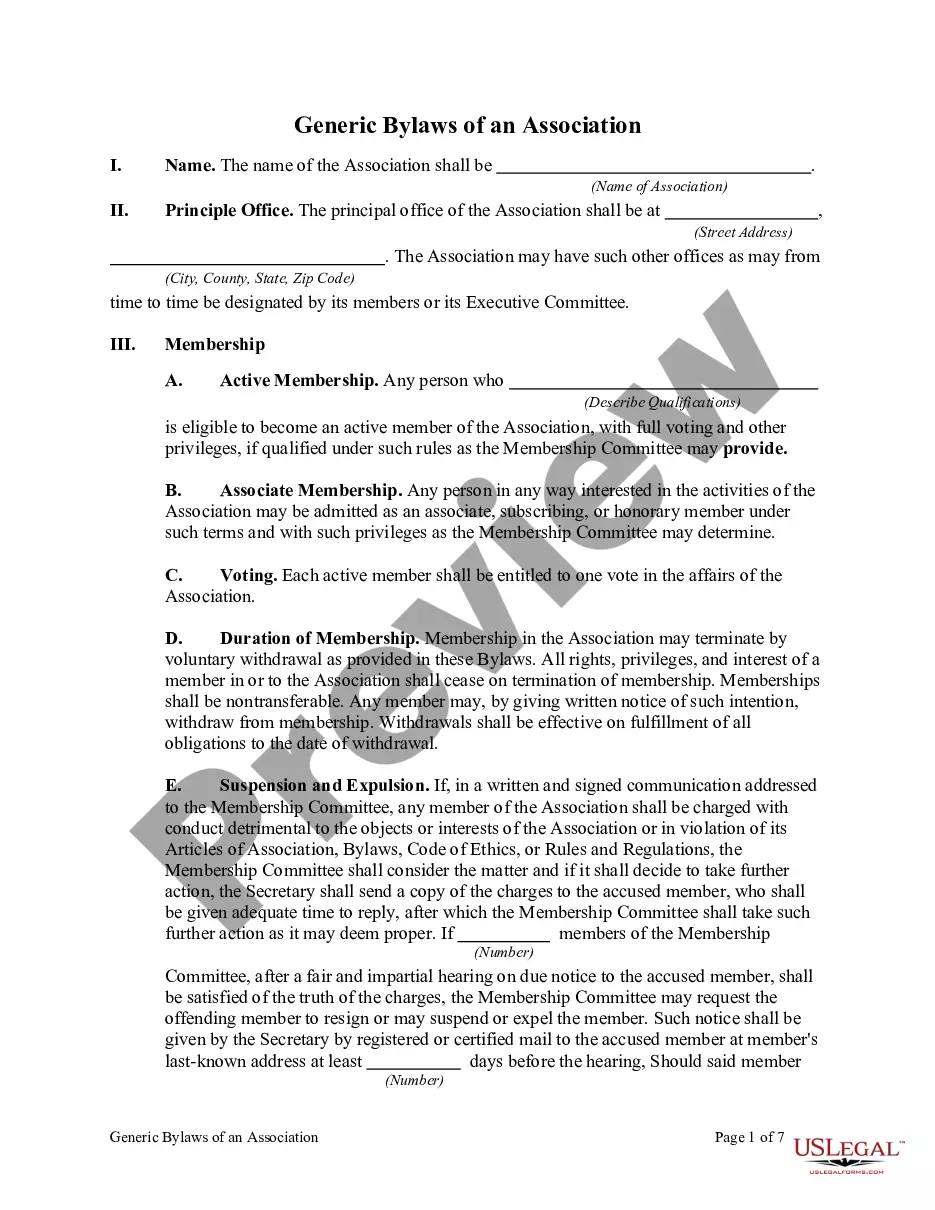
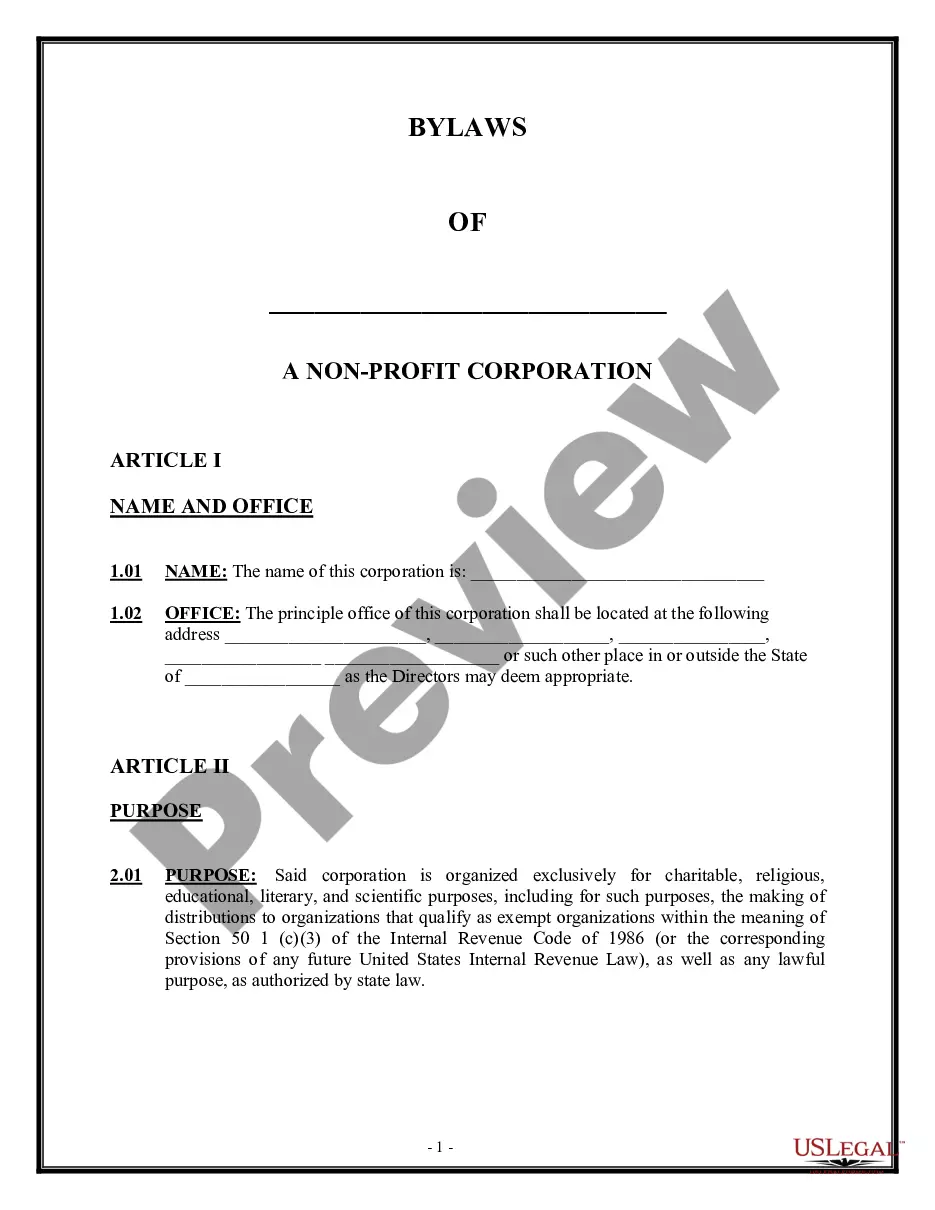
Homeowners Association Bylaws Template For Renters In Cuyahoga
Description

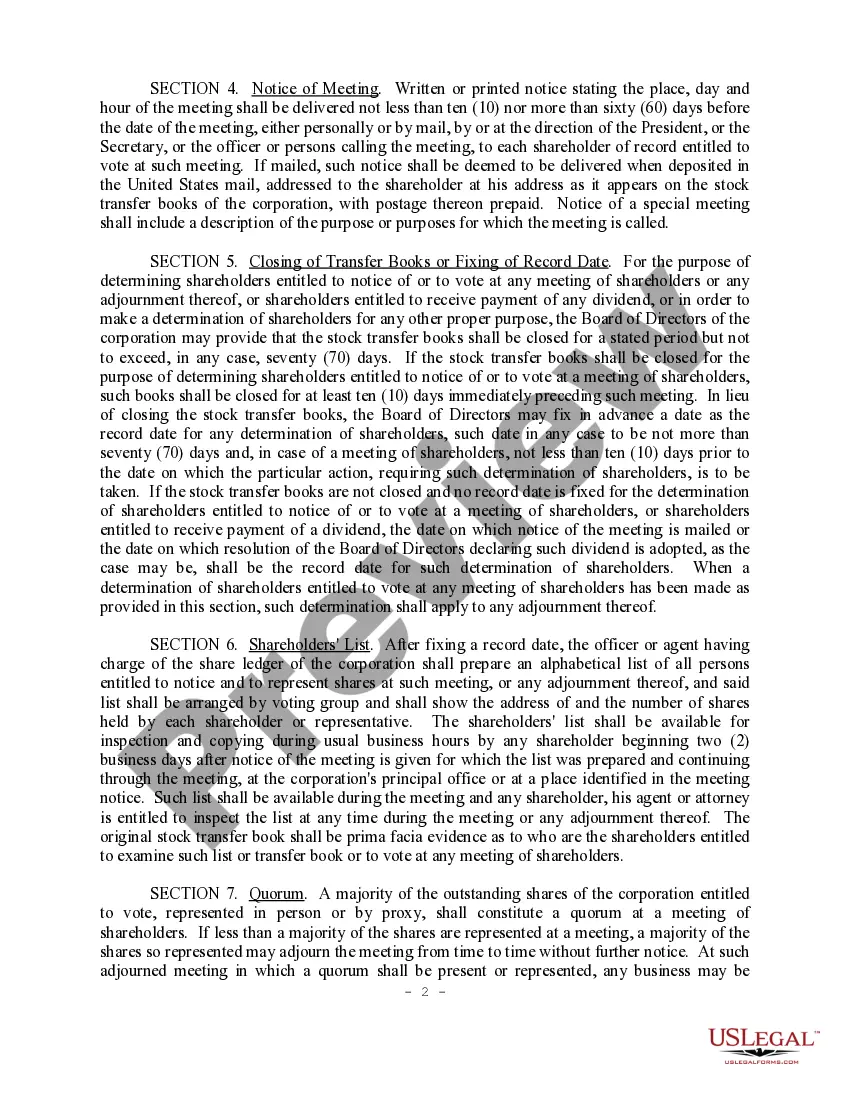
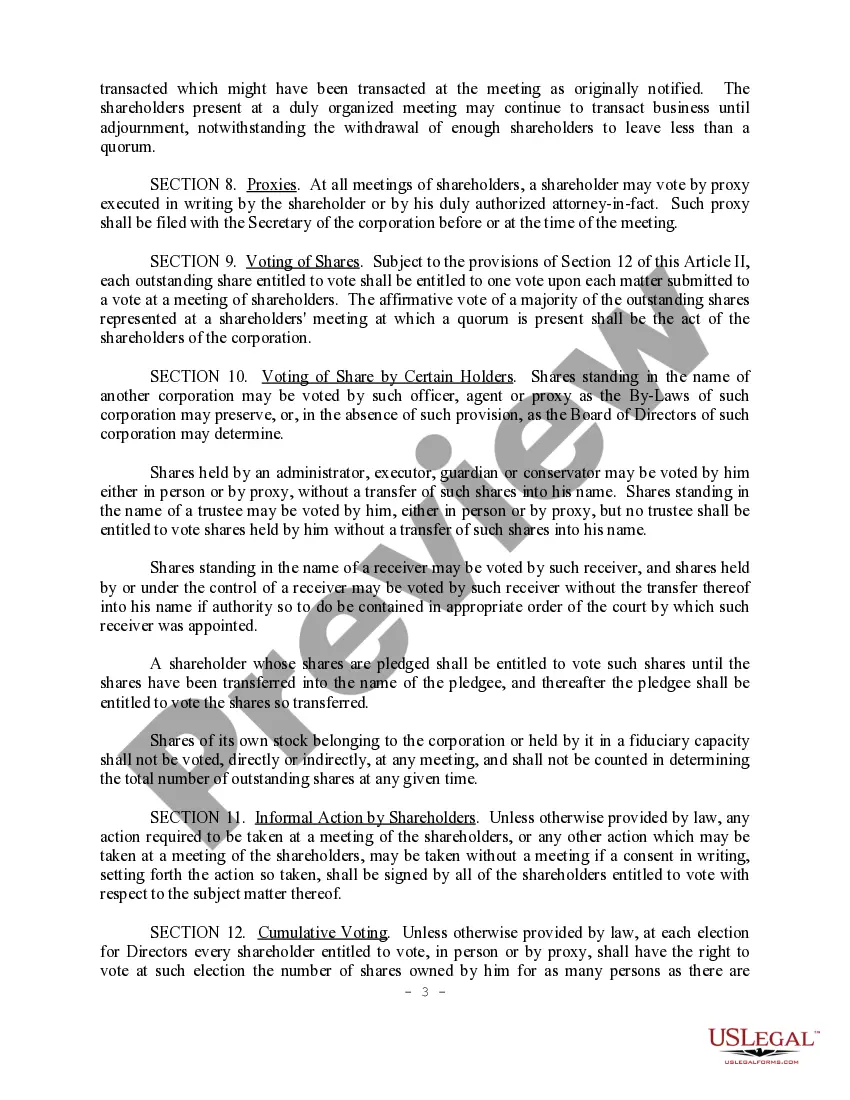
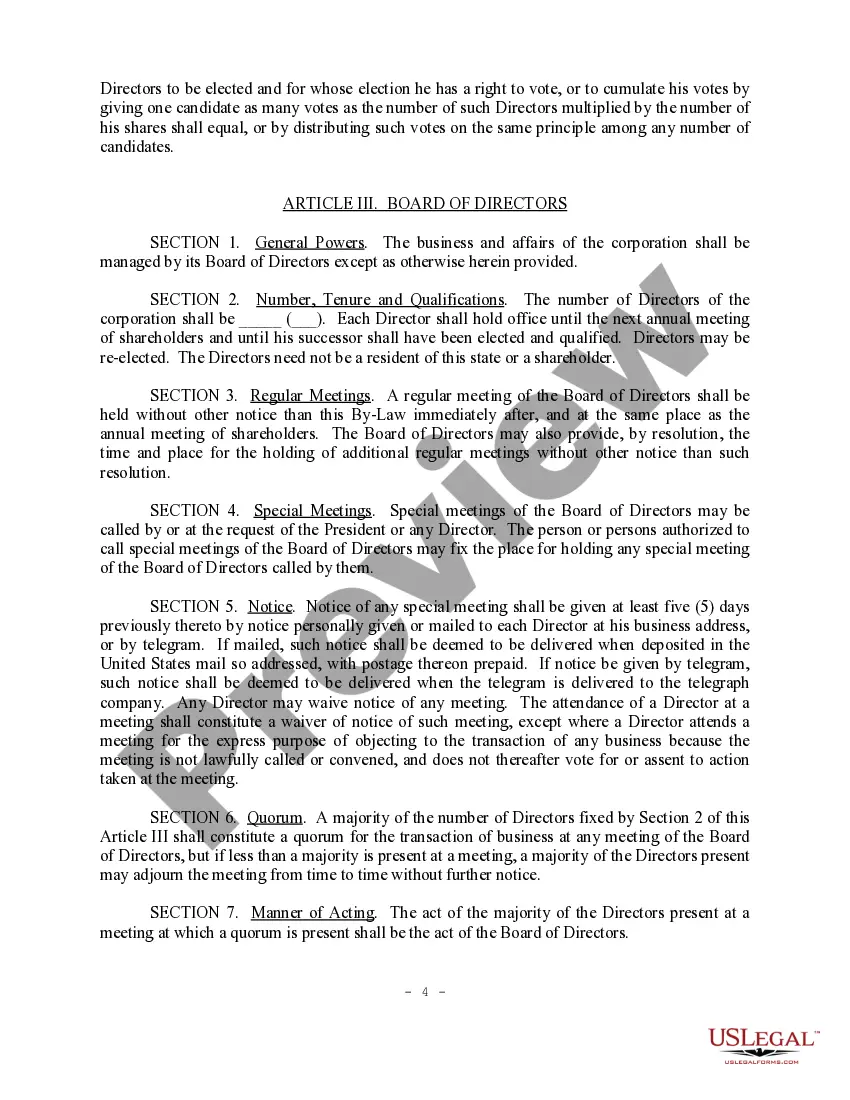
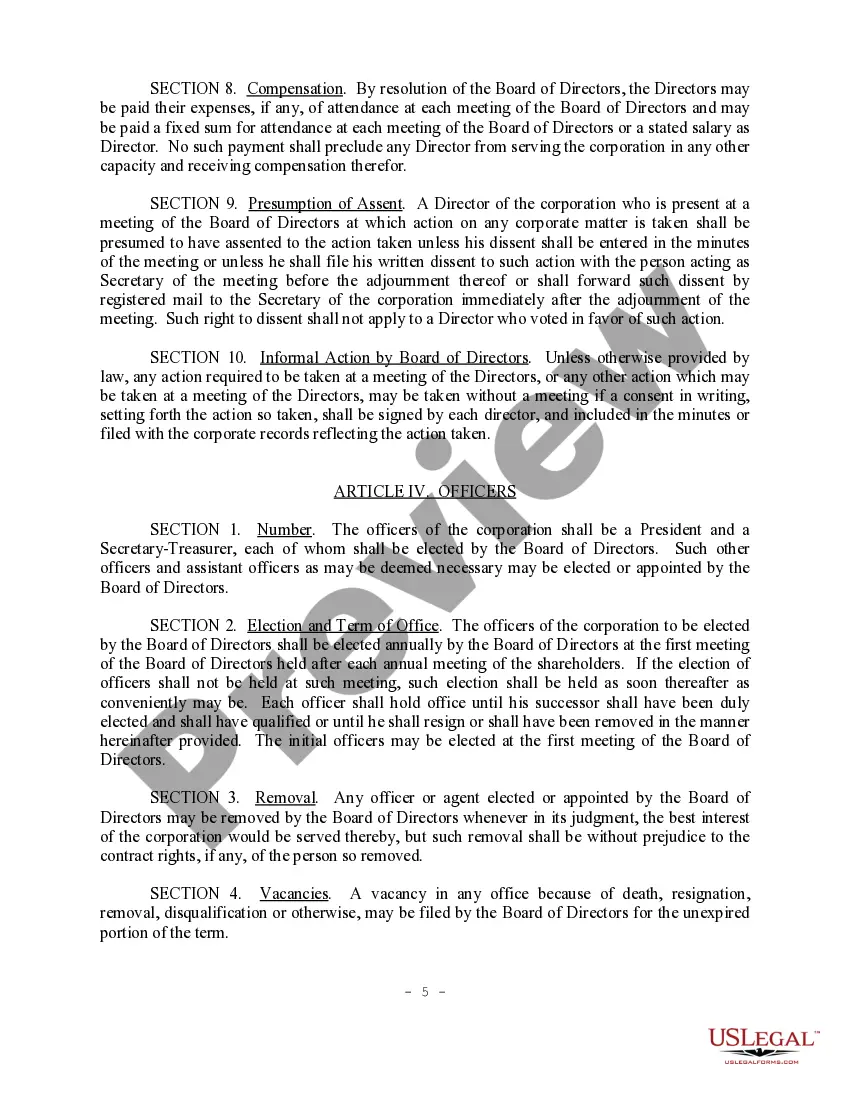
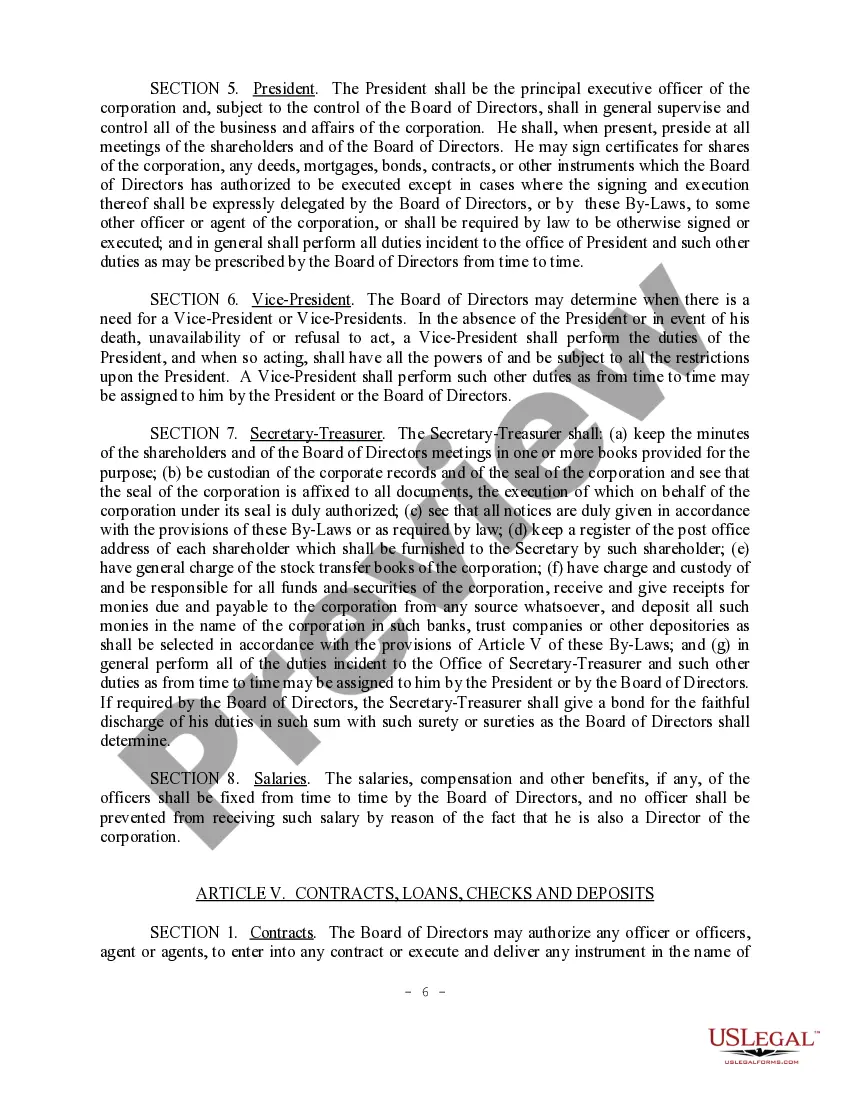
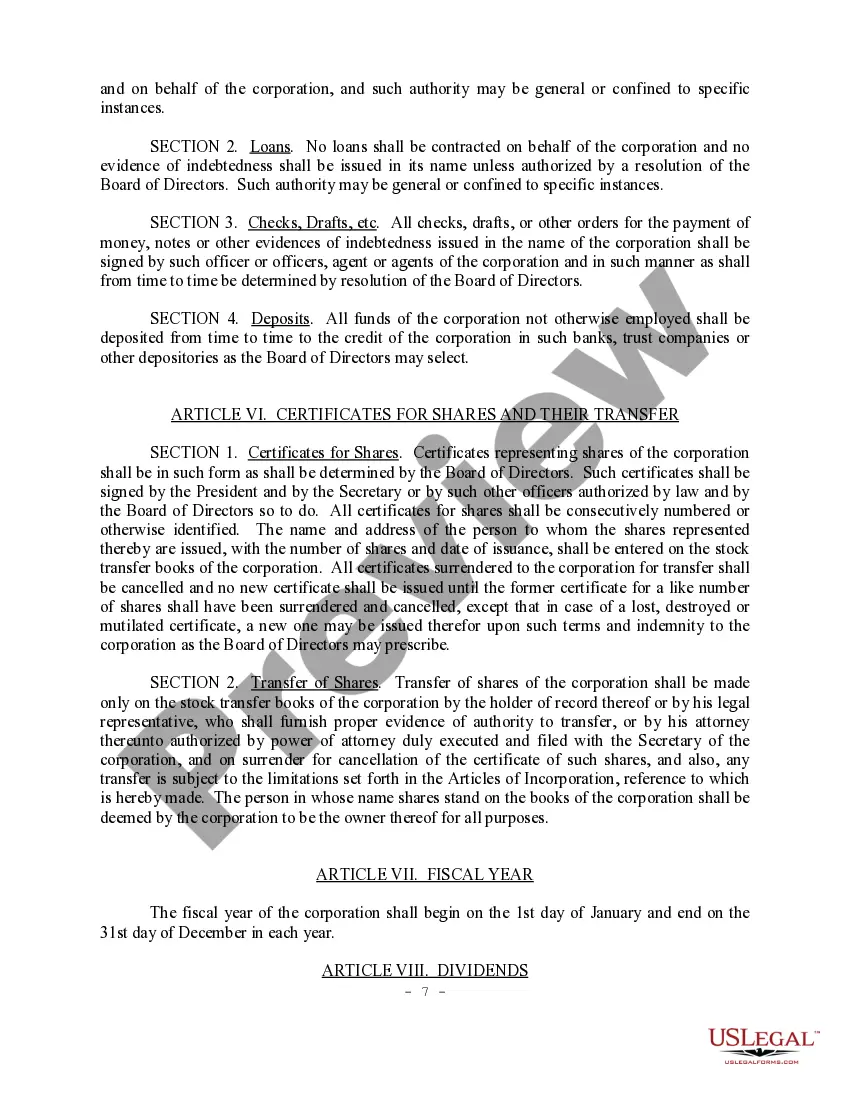
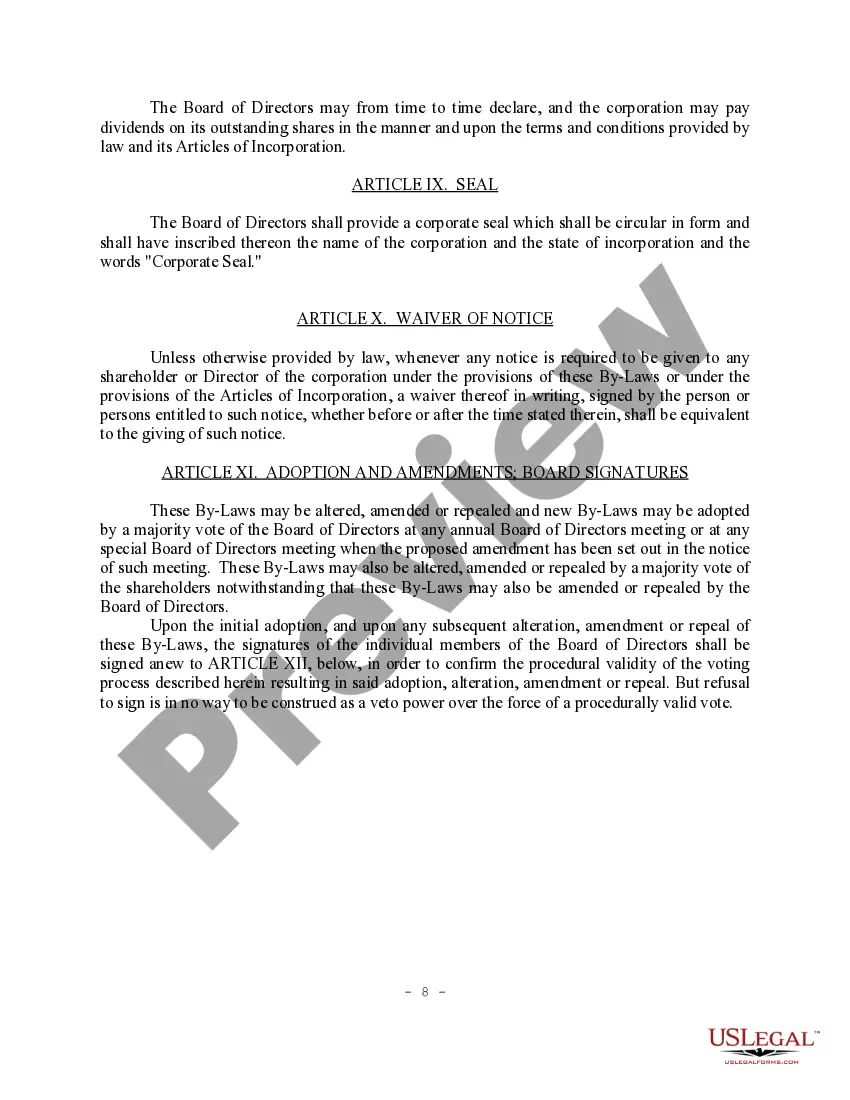
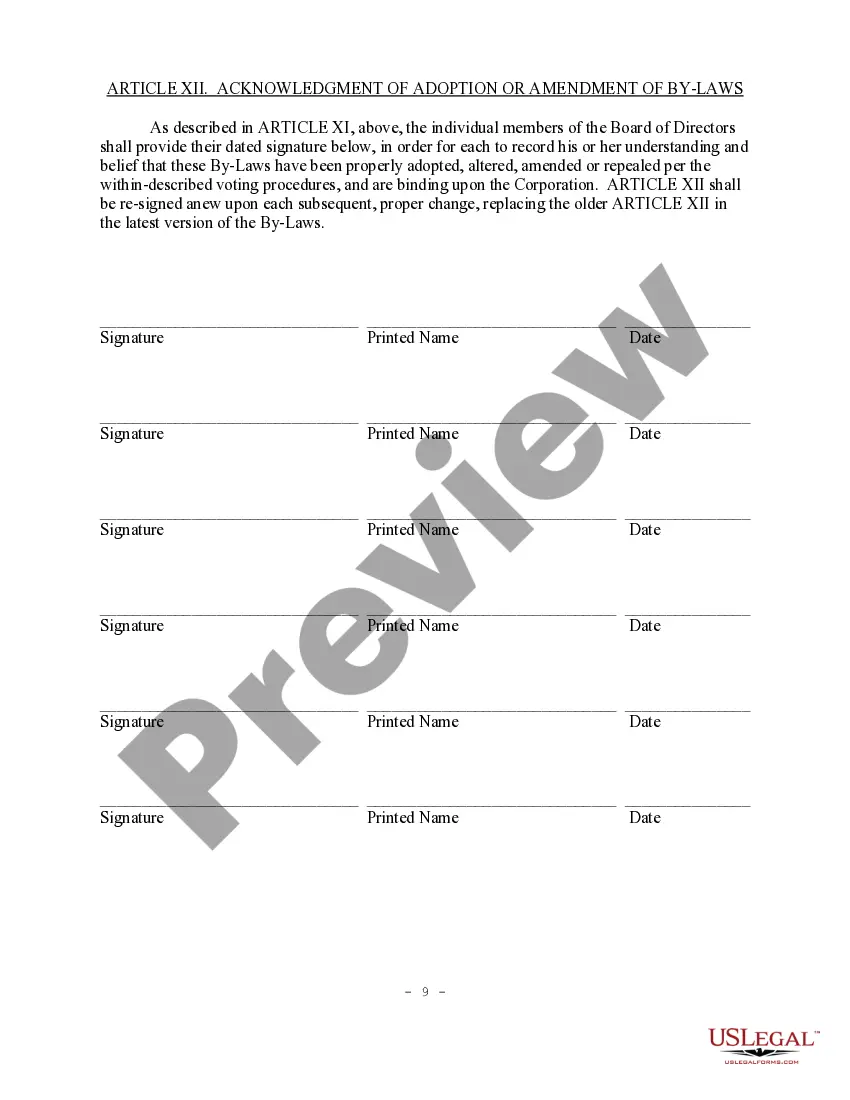
Get your form ready online
Our built-in tools help you complete, sign, share, and store your documents in one place.
Make edits, fill in missing information, and update formatting in US Legal Forms—just like you would in MS Word.
Download a copy, print it, send it by email, or mail it via USPS—whatever works best for your next step.
Sign and collect signatures with our SignNow integration. Send to multiple recipients, set reminders, and more. Go Premium to unlock E-Sign.
If this form requires notarization, complete it online through a secure video call—no need to meet a notary in person or wait for an appointment.
We protect your documents and personal data by following strict security and privacy standards.

Make edits, fill in missing information, and update formatting in US Legal Forms—just like you would in MS Word.

Download a copy, print it, send it by email, or mail it via USPS—whatever works best for your next step.

Sign and collect signatures with our SignNow integration. Send to multiple recipients, set reminders, and more. Go Premium to unlock E-Sign.

If this form requires notarization, complete it online through a secure video call—no need to meet a notary in person or wait for an appointment.

We protect your documents and personal data by following strict security and privacy standards.
Looking for another form?



Form popularity
FAQ
HOAs in Ohio are granted powers to enforce community rules, collect dues, and maintain common areas. They can also impose fines for non-compliance and set regulations for property use. For a detailed breakdown, refer to the Ohio Planned Community Law.
HOAs in Ohio are granted powers to enforce community rules, collect dues, and maintain common areas. They can also impose fines for non-compliance and set regulations for property use. For a detailed breakdown, refer to the Ohio Planned Community Law.
Thus, with regard to its organizational structure and general management, an association is subject to the authority of the Ohio Secretary of State. To the extent an HOA's activities implicate any consumer protection statutes, the HOA is subject to the enforcement power of the Ohio Attorney General.
1702.15 mandate the disclosure of any records other than books and records of account, membership rosters, and meeting minutes. Non-financial records, such as unit owner complaints, violation notices, personnel appraisals and job applications, are within the board's power to maintain in a confidential manner.
The Ohio Planned Community Law, found under O.R.C. § 5312.01, regulates the creation, authority, management, and operations of planned communities in the state. ing to this law, all homeowners associations must record a declaration and a set of bylaws with the county recorder's office.
Homeowners can typically access their association's rules and regulations through a request to the HOA board. All governing documents, including bylaws and covenants, should be made available to members. Documentation might also be obtained via the Ohio Secretary of State.
A proper HOA request letter should include: Clear headers with date and contact information. The property address and owner details. A specific subject line identifying the request type. A concise project description. Relevant timeline and completion dates. Supporting documentation references.
Both HOAs and iniums can enforce leasing restrictions as long as they are reasonable and consistent with Ohio law and the community's governing documents. In most cases, adopting or changing a leasing restriction will require an amendment to the declaration. This usually requires approval from 75% of the owners.
But can an HOA restrict rentals in the first place? State laws permitting homeowners associations generally can restrict rentals, and you can usually find such restrictions in the HOA's governing documents. To homeowners, rental restrictions seem unfair because they inhibit the unrestricted use of the property.
