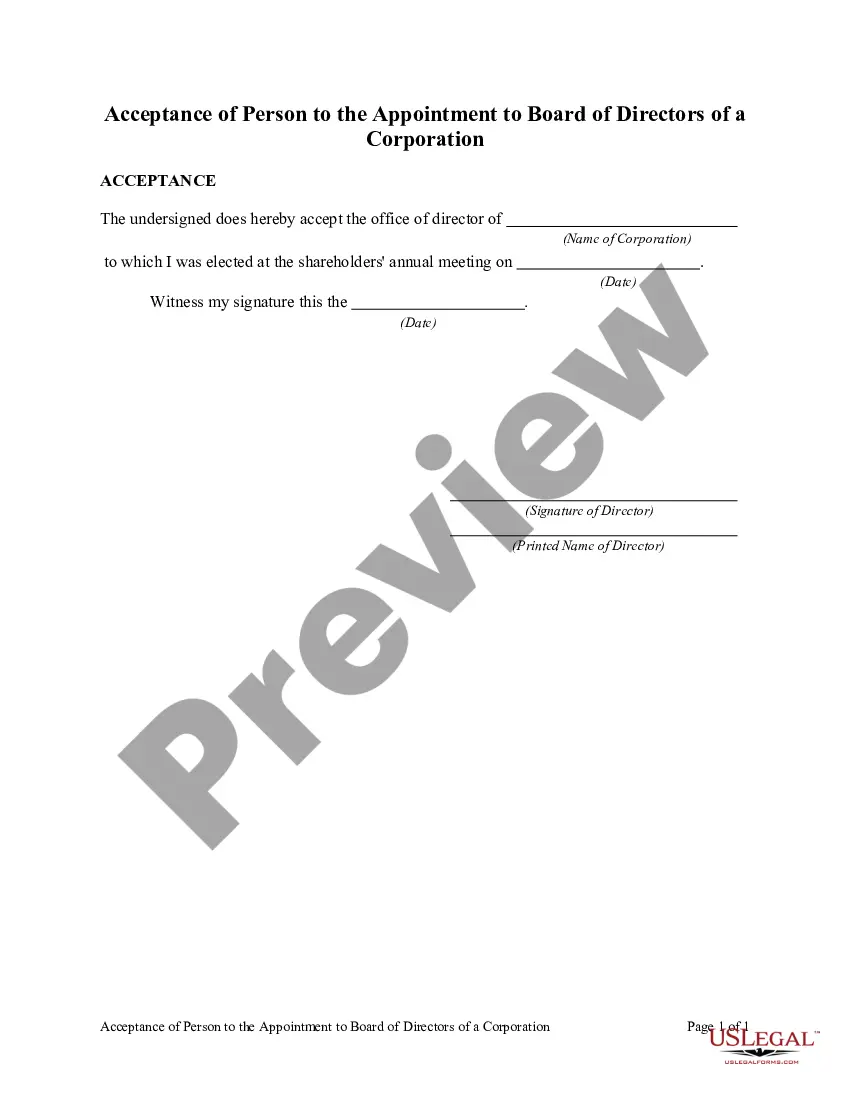
Hoa Bylaws Template For Regulations In Cuyahoga
Description











Get your form ready online
Our built-in tools help you complete, sign, share, and store your documents in one place.
Make edits, fill in missing information, and update formatting in US Legal Forms—just like you would in MS Word.
Download a copy, print it, send it by email, or mail it via USPS—whatever works best for your next step.
Sign and collect signatures with our SignNow integration. Send to multiple recipients, set reminders, and more. Go Premium to unlock E-Sign.
If this form requires notarization, complete it online through a secure video call—no need to meet a notary in person or wait for an appointment.
We protect your documents and personal data by following strict security and privacy standards.

Make edits, fill in missing information, and update formatting in US Legal Forms—just like you would in MS Word.

Download a copy, print it, send it by email, or mail it via USPS—whatever works best for your next step.

Sign and collect signatures with our SignNow integration. Send to multiple recipients, set reminders, and more. Go Premium to unlock E-Sign.

If this form requires notarization, complete it online through a secure video call—no need to meet a notary in person or wait for an appointment.

We protect your documents and personal data by following strict security and privacy standards.
Looking for another form?







Form popularity
FAQ
The main difference is that covenants dictate property-related restrictions, while bylaws govern how the HOA operates — things like board elections, meeting procedures, and voting rights. Because covenants are recorded with the property deed and tied to real estate law, they generally hold more weight.
10 steps for writing bylaws for an association Research. Form a committee. Create the structure. Outline your organization's key roles and responsibilities. Establish your meeting rules. Define your membership. Address finances. Outline the amendment process.
An association's CC&Rs are recorded and filed officially with the state. Much like HOA bylaws, the provisions within the HOA CC&R are legally binding and enforceable. Common HOA covenants and restrictions can include the following: Property-use restrictions.
An association's “Declaration of Covenants, Conditions and Restrictions” (“declaration” or “CC&Rs”) is a recorded document setting forth the majority of the powers, rights and responsibilities of the association and its members.
The main difference is that covenants dictate property-related restrictions, while bylaws govern how the HOA operates — things like board elections, meeting procedures, and voting rights. Because covenants are recorded with the property deed and tied to real estate law, they generally hold more weight.
An association's “Declaration of Covenants, Conditions and Restrictions” (“declaration” or “CC&Rs”) is a recorded document setting forth the majority of the powers, rights and responsibilities of the association and its members.
The local law supersedes the rules and regulations of the HOA, meaning that HOAs must ensure they are operating under the law.
Each document serves a specific purpose and contributes to the governance of your community. While CC&Rs and Bylaws provide foundational guidelines, Rules & Regulations offer flexibility to address evolving circumstances.
3 Types of HOA Fiduciary Duty The Duty of Care. The duty of care states that HOA board members must make informed decisions when voting on community matters. The Duty of Loyalty. The duty of loyalty declares. The Duty to Act Within the Scope of Authority. Budgeting, Assessments, and Accounting. Uniform Enforcement of Rules.
How to write a letter to your board or manager Start with the date, sender and recipient information. You do not need to include the date or address of the recipient if you are sending an email. Write a clear and concise subject line. Get to the point. Offer a solution, if possible. Thank the recipient for their time.