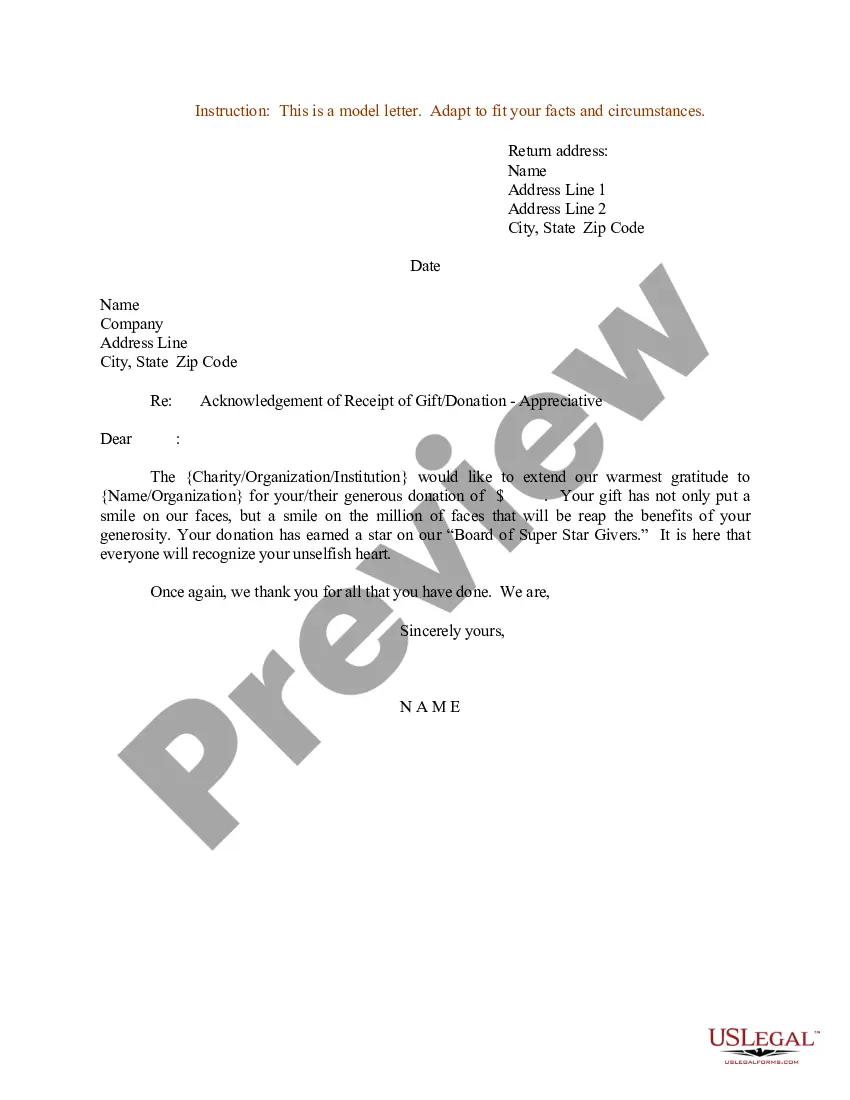
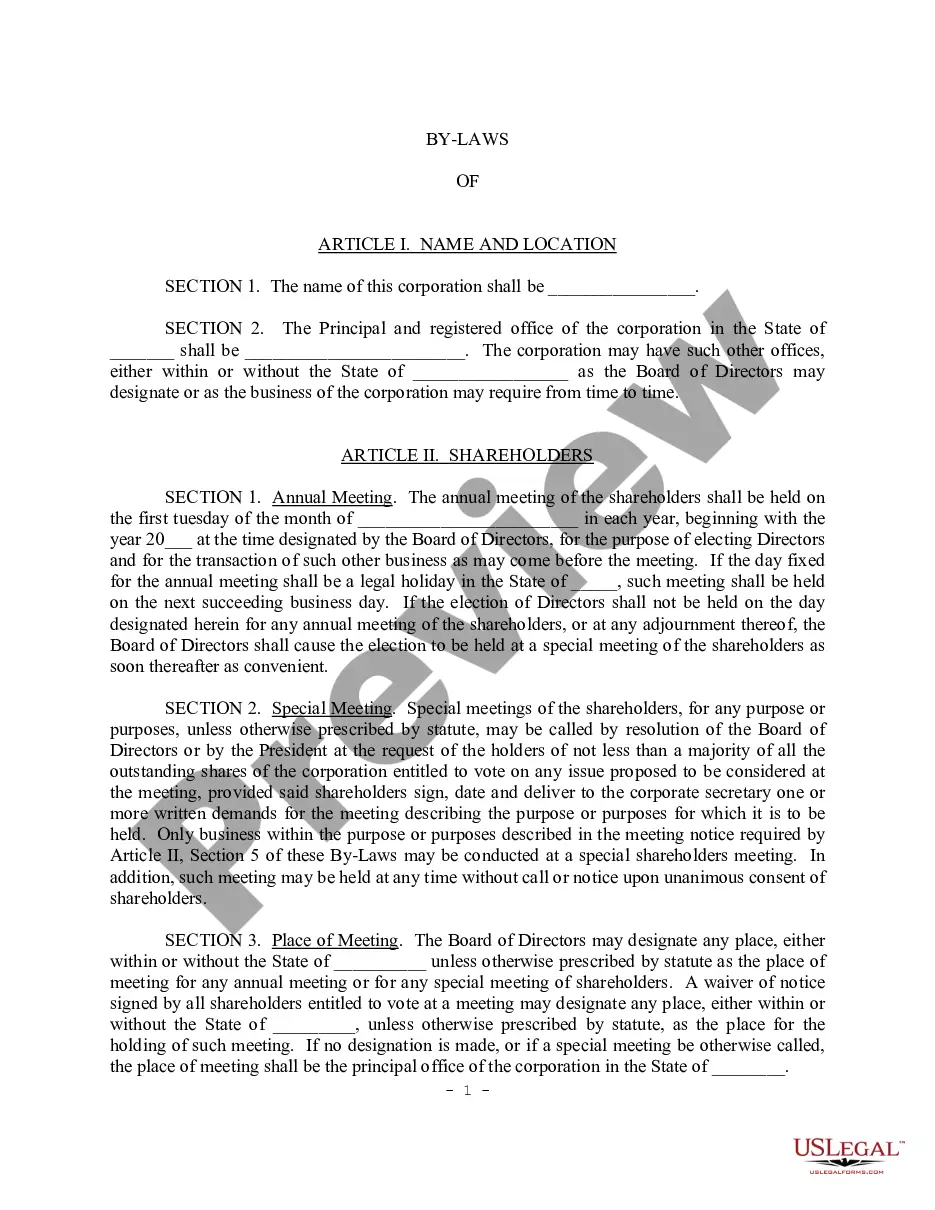
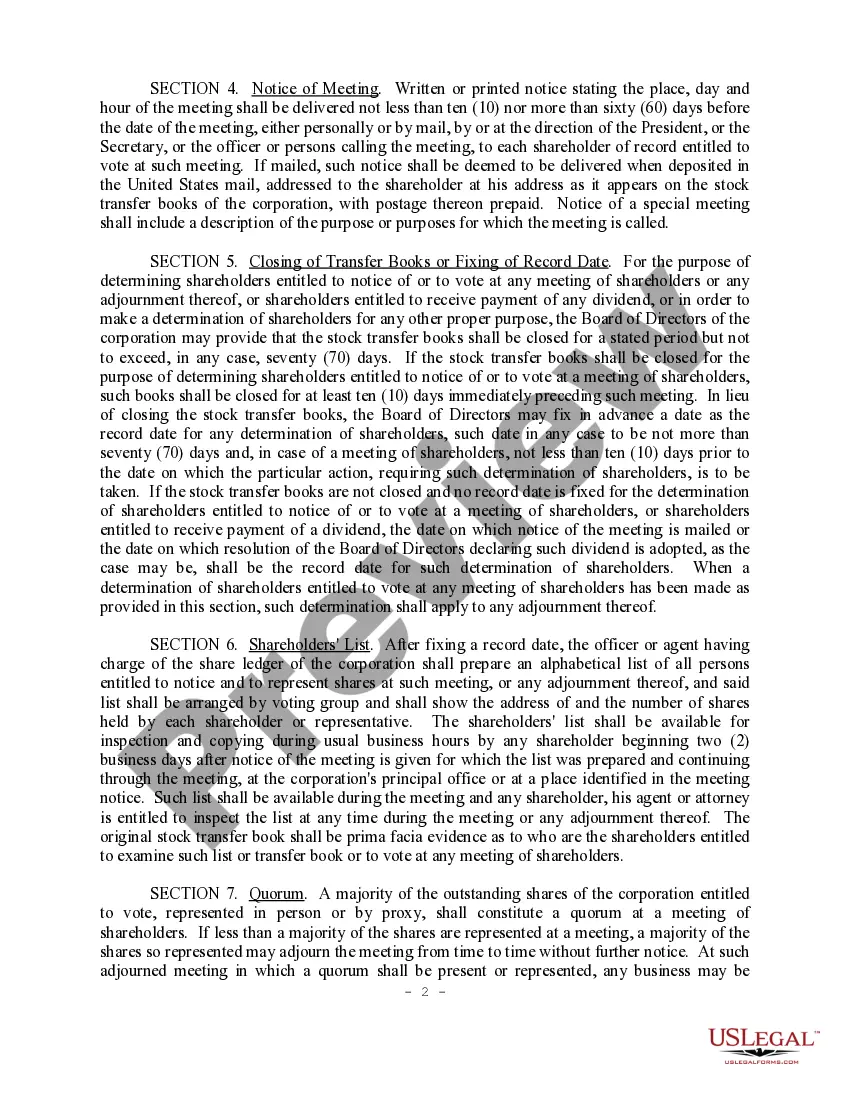
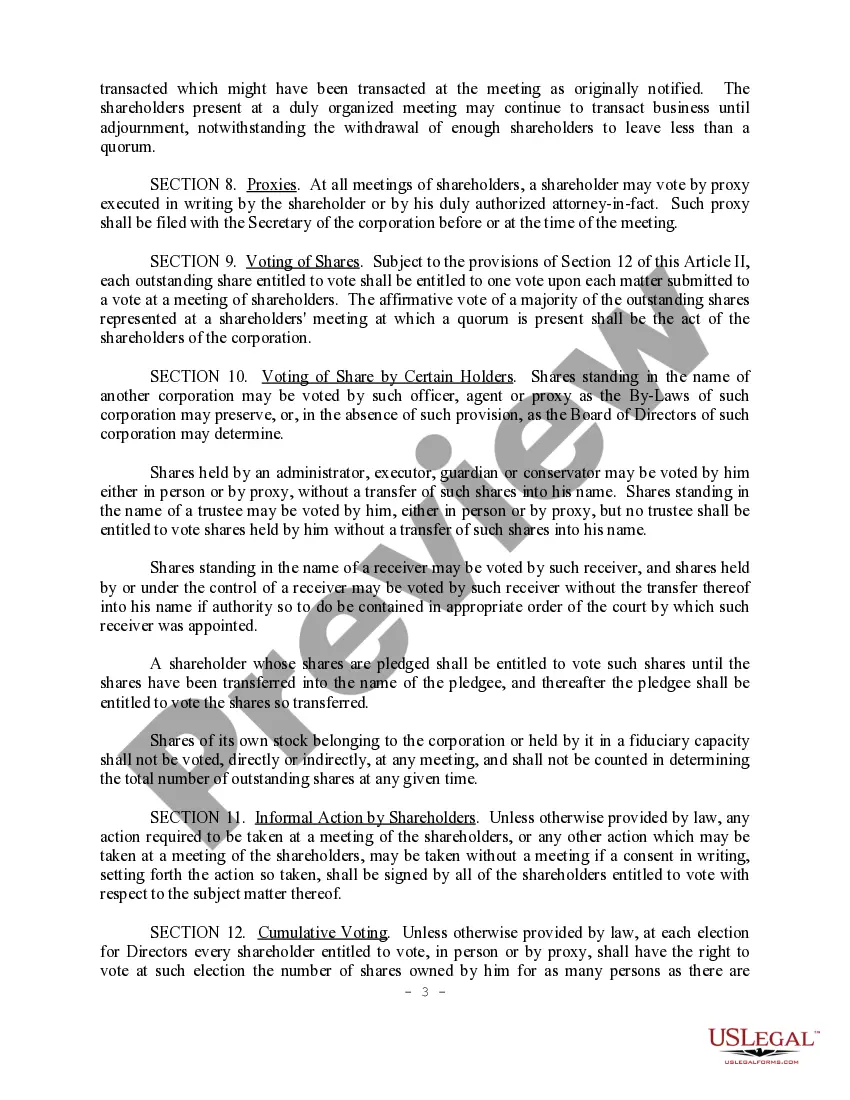
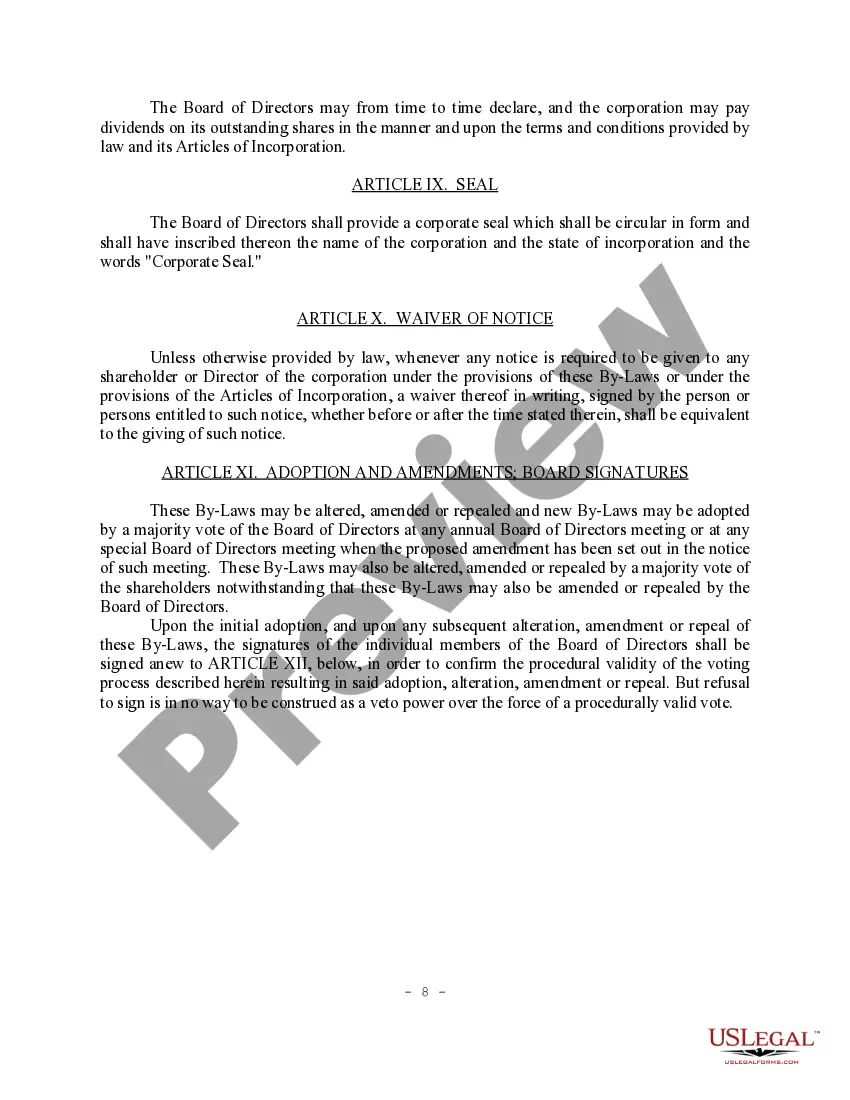
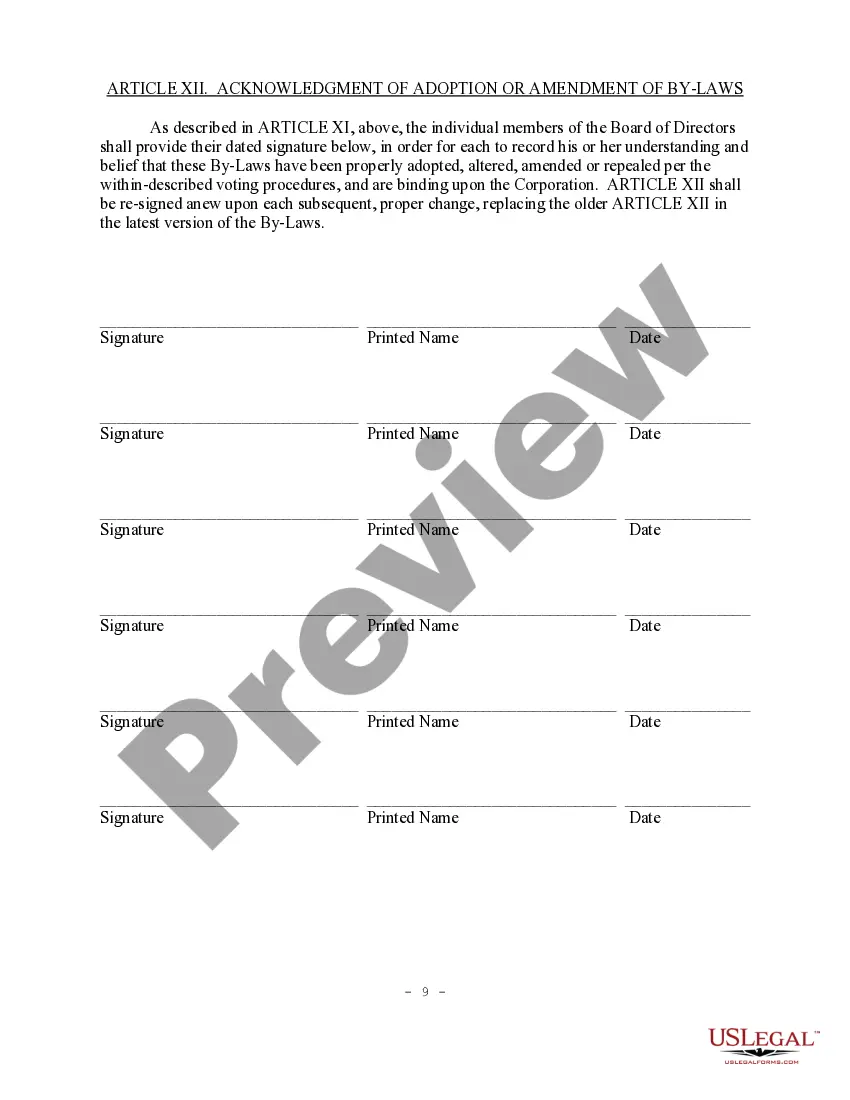
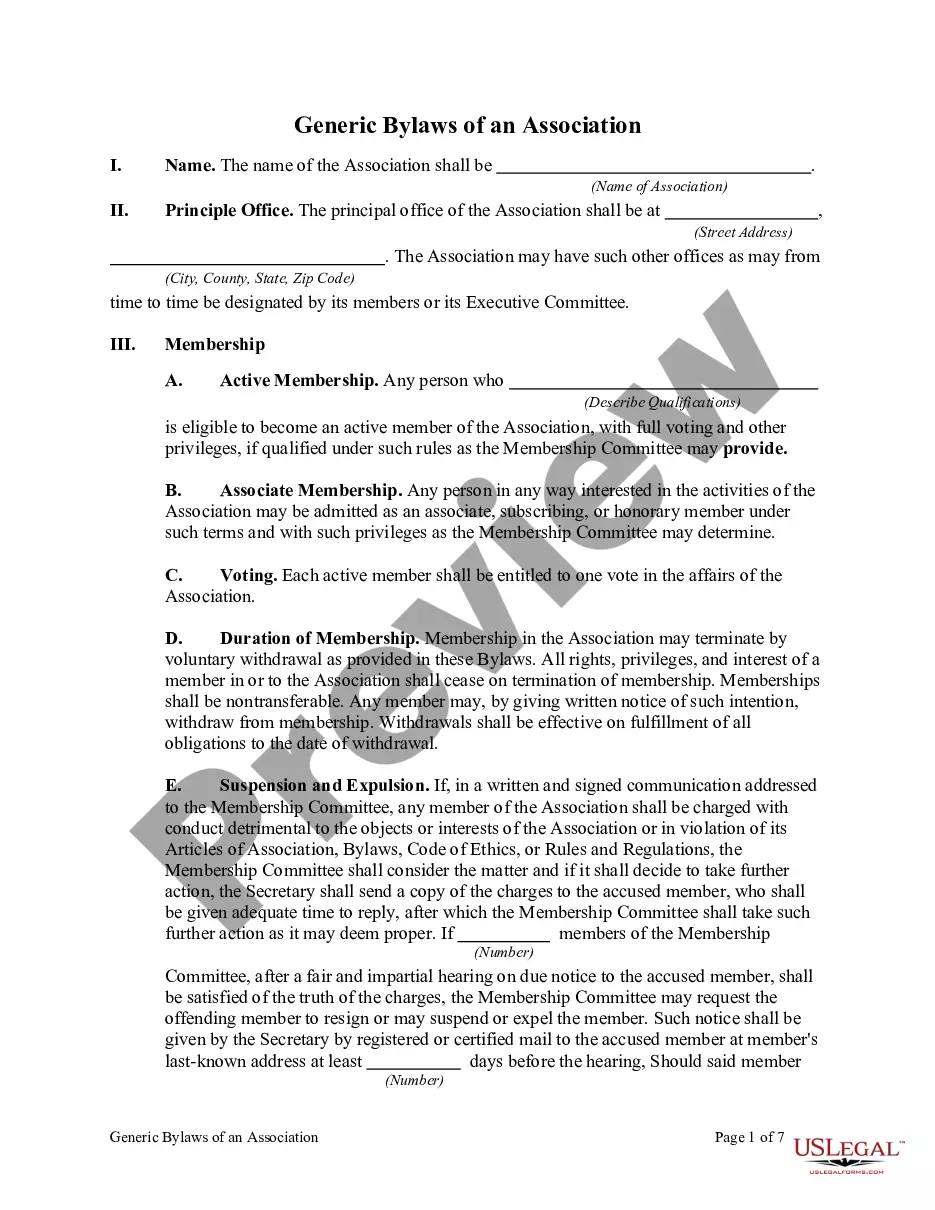
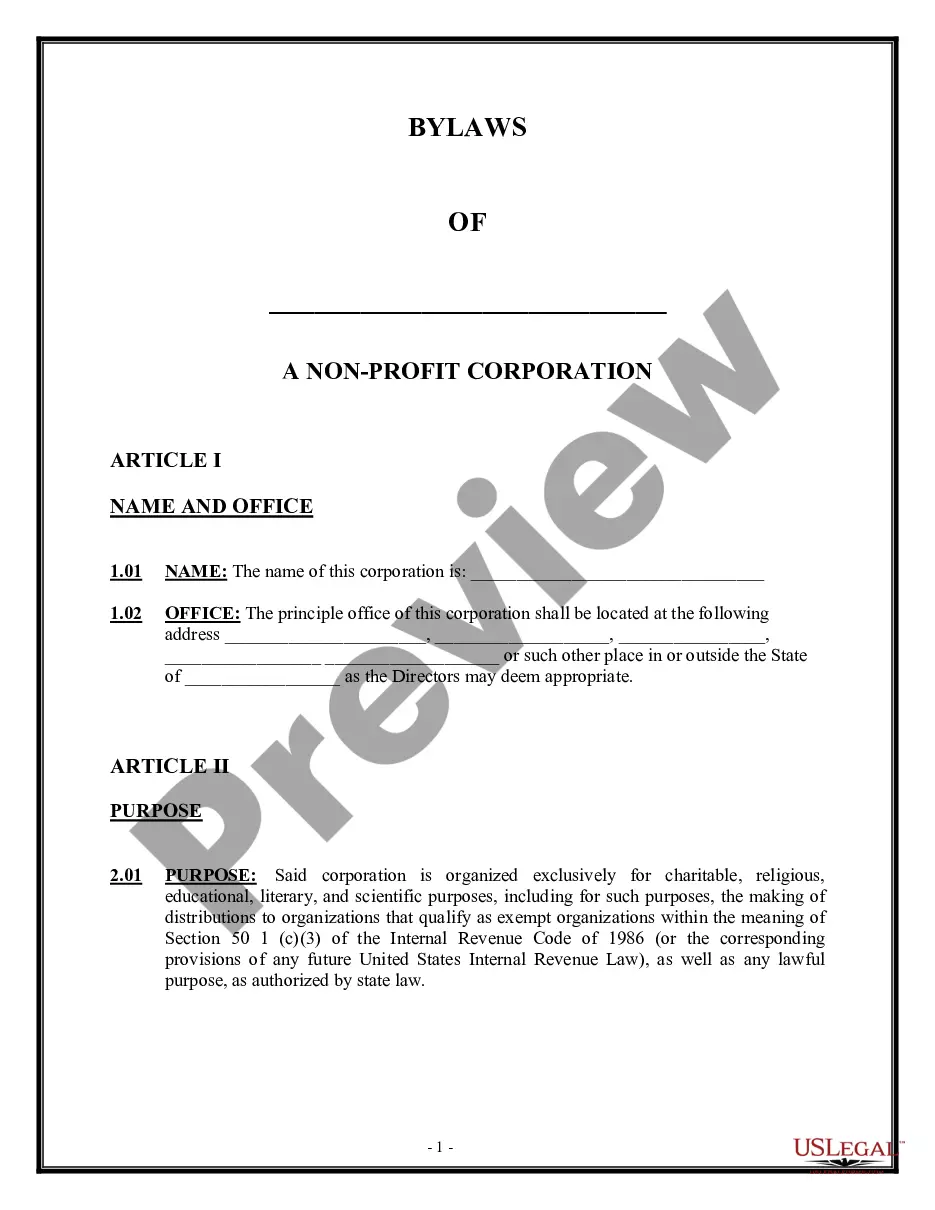
Template For Bylaws For Nonprofit Organization In California
Description
Get your form ready online
Our built-in tools help you complete, sign, share, and store your documents in one place.
Make edits, fill in missing information, and update formatting in US Legal Forms—just like you would in MS Word.
Download a copy, print it, send it by email, or mail it via USPS—whatever works best for your next step.
Sign and collect signatures with our SignNow integration. Send to multiple recipients, set reminders, and more. Go Premium to unlock E-Sign.
If this form requires notarization, complete it online through a secure video call—no need to meet a notary in person or wait for an appointment.
We protect your documents and personal data by following strict security and privacy standards.

Make edits, fill in missing information, and update formatting in US Legal Forms—just like you would in MS Word.

Download a copy, print it, send it by email, or mail it via USPS—whatever works best for your next step.

Sign and collect signatures with our SignNow integration. Send to multiple recipients, set reminders, and more. Go Premium to unlock E-Sign.

If this form requires notarization, complete it online through a secure video call—no need to meet a notary in person or wait for an appointment.

We protect your documents and personal data by following strict security and privacy standards.
Looking for another form?
Form popularity
FAQ
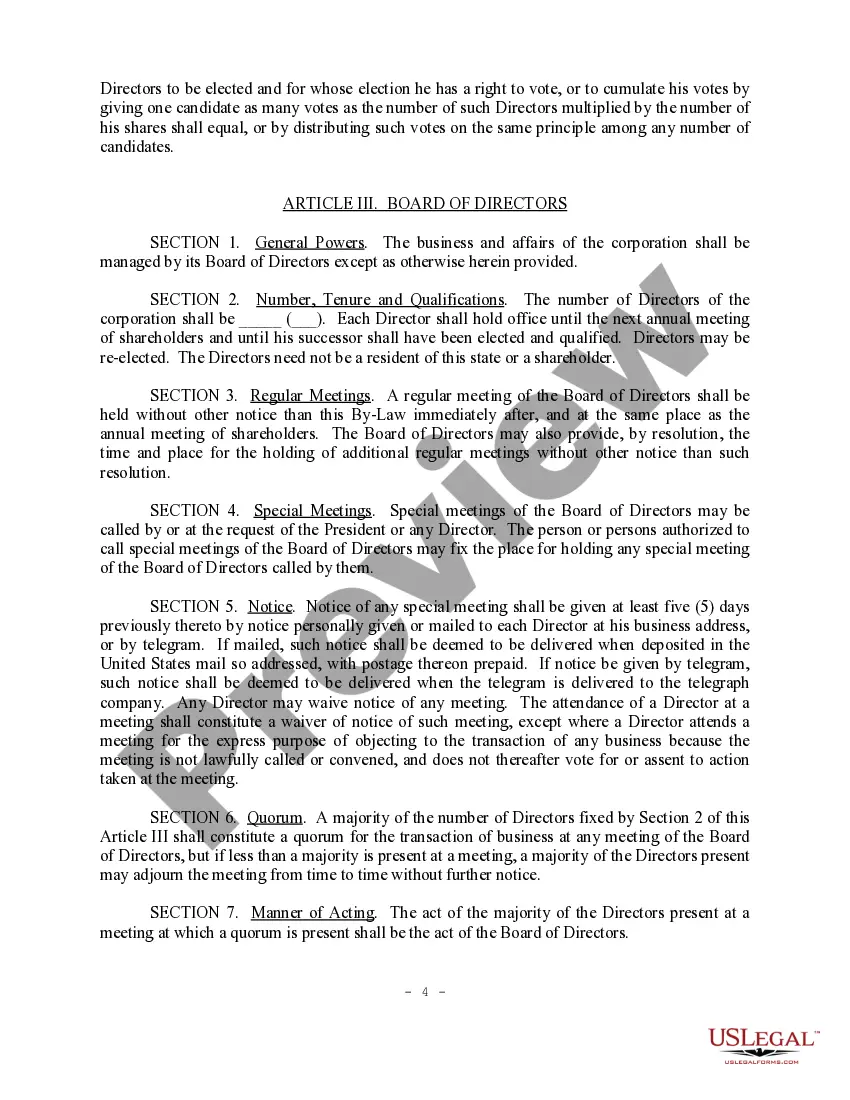
California requires a minimum of one director, but the IRS will rarely give tax-exempt status to organizations with less than three directors.
The state of California requires a minimum of one board member for each organization. It is recommended that your organization have at least three since the IRS will most likely not give 501(c)(3) status to an organization with less. 3-25 directors are recommended based on the size and purpose of your nonprofit.
The IRS generally requires a minimum of three board members for every nonprofit, but does not dictate board term length. What is important to remember is that board service terms aren't intended to be perpetual, and are typically one to five years.
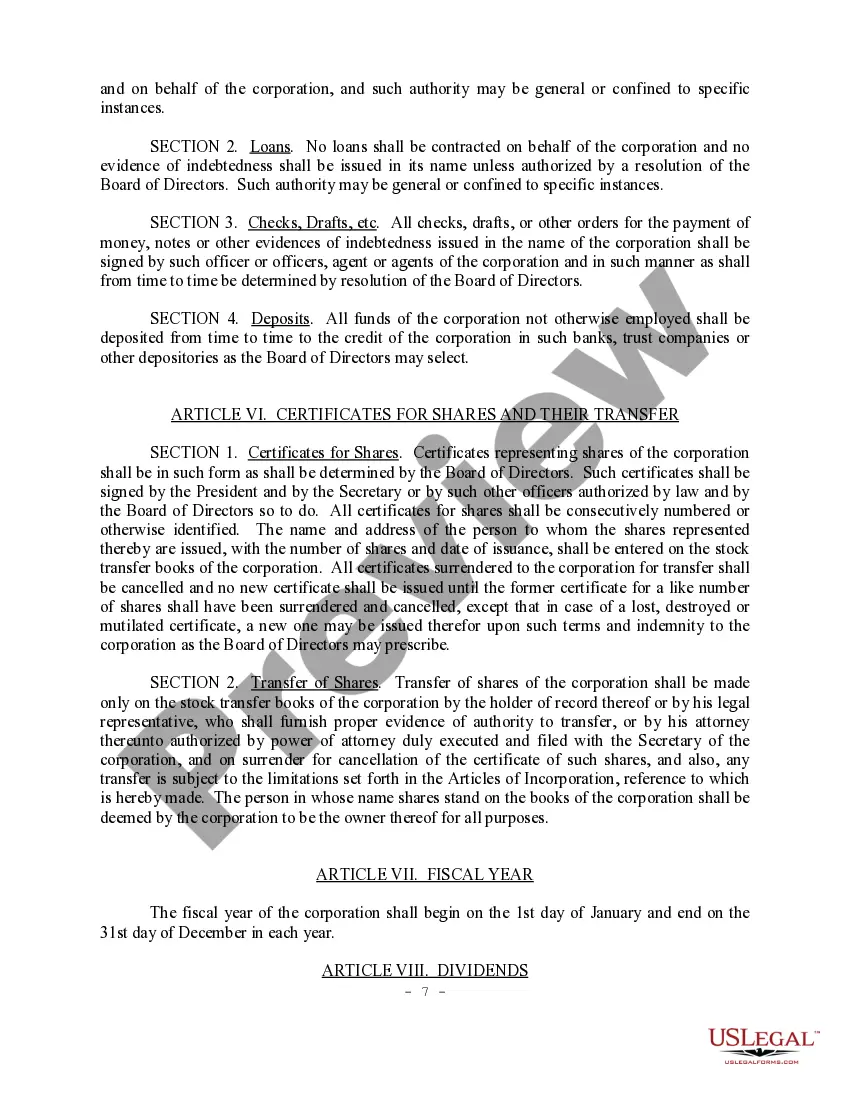
There's also the fact that if you don't list the number of directors in your Articles of Incorporation, you're legally required to list that information in your bylaws (see California Corp Code § 212). The bottom line: corporate bylaws are not legally required, but they're pretty much essential for your corporation.
The number or minimum number of directors shall not be less than three. Alternate directors may be permitted, in which event, the bylaws shall specify the manner and times of their election and the conditions to their service in place of a director.
Code 5056(a). A member is any person with governance rights. If there is no pressing reason for members, a corporation should avoid the additional hassle and choose not to have members. Note that if there are no members other than the directors, the corporation will be treated as having no members.
How to Start a Nonprofit in California Name Your Organization. Choose a California nonprofit corporation structure. Recruit Incorporators and Initial Directors. Appoint a Registered Agent. Prepare and File Articles of Incorporation. File Initial Report. Obtain an Employer Identification Number (EIN) ... Store Nonprofit Records.
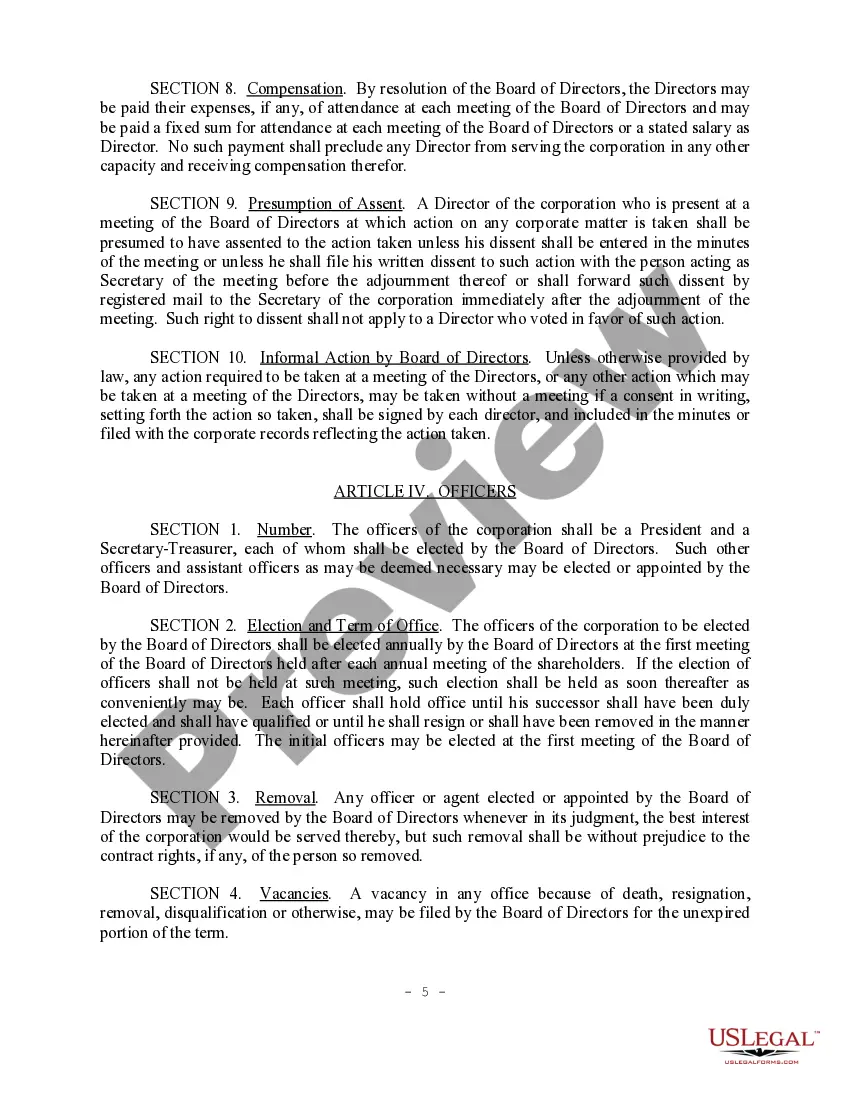
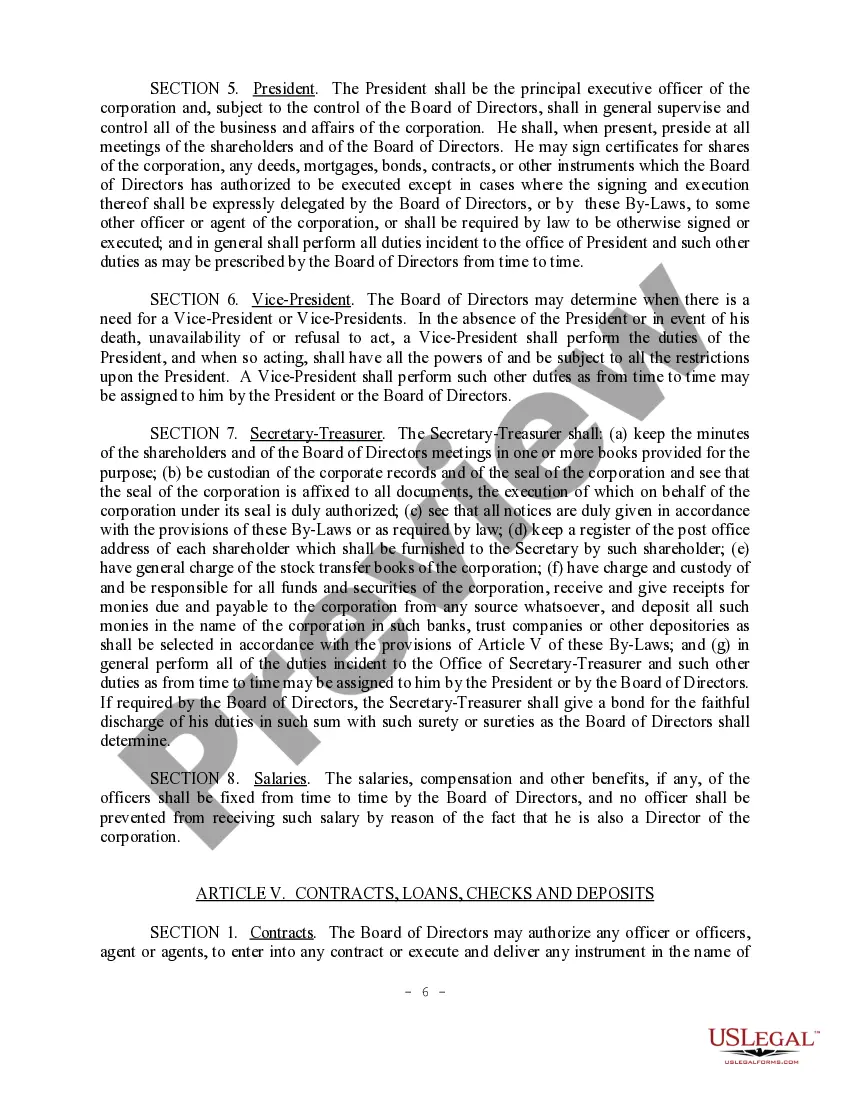
California law requires that each corporation must have a president, a secretary, and a chief financial officer.
Required annual filings Form 199, California Exempt Organization Annual Information Return. FTB 199N, Annual Electronic Filing Requirement for Small Exempt Organizations (California e-Postcard) Form 109, California Exempt Organization Business Income Tax Return.
LLCs are not required to have bylaws. However, they are governed by an operating agreement which is like a corporation's bylaws.