Hoa Rules For Renters In Broward
Description

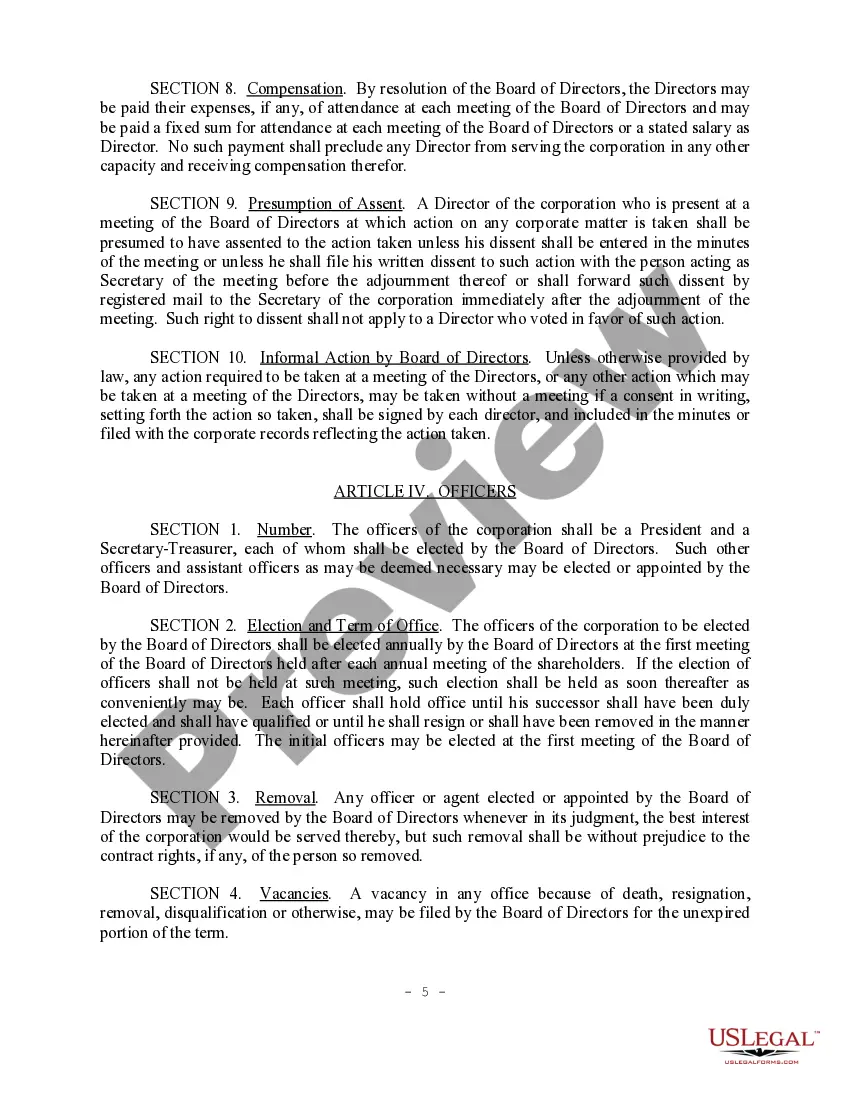
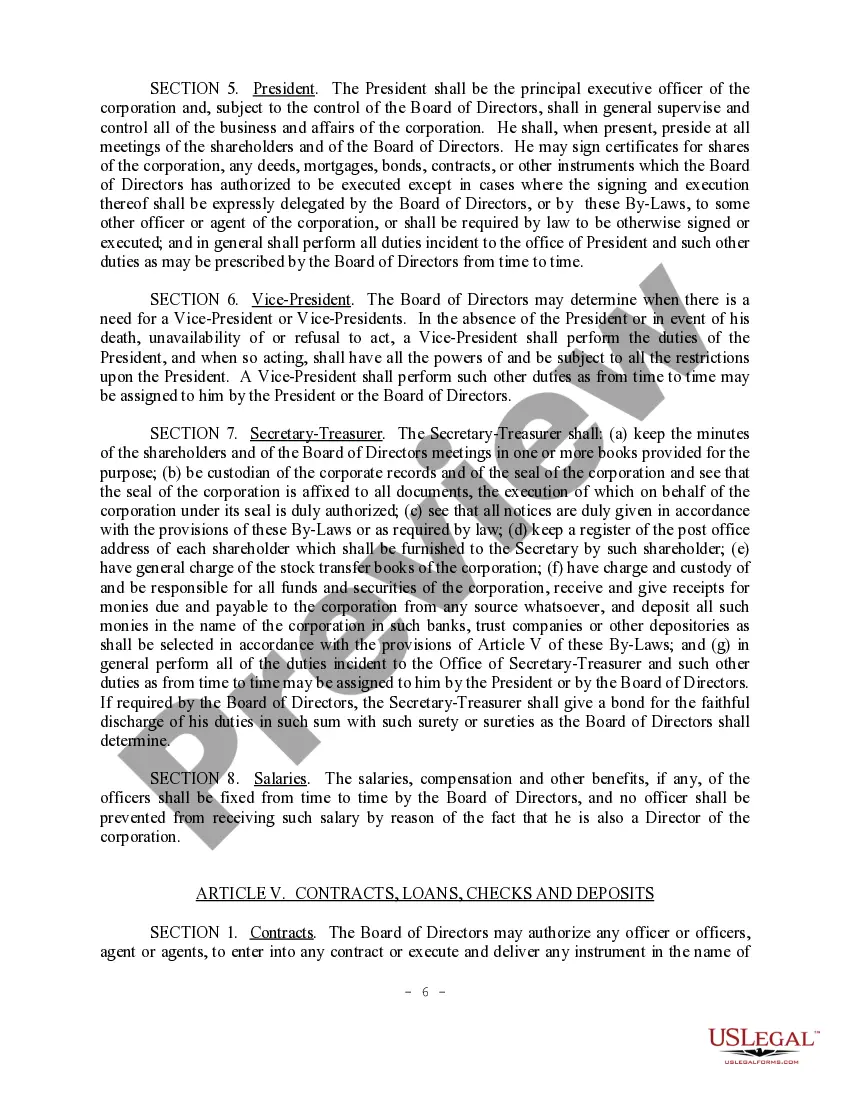
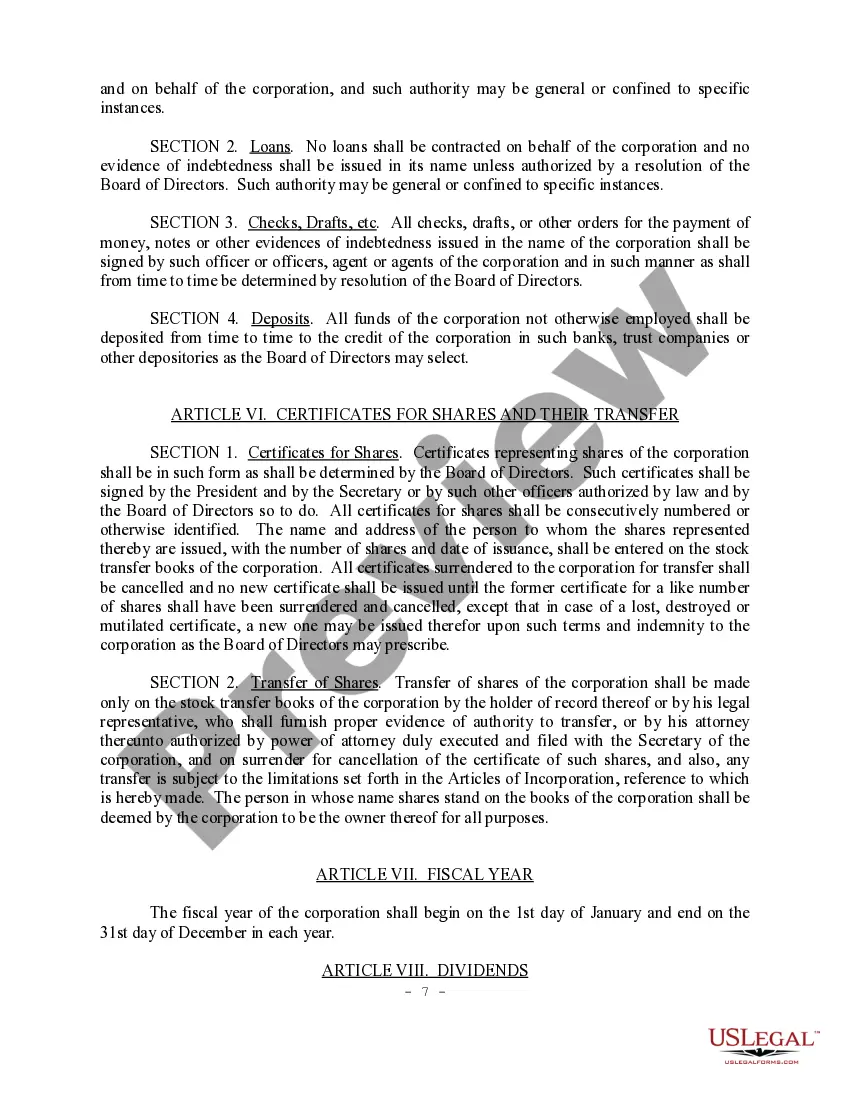
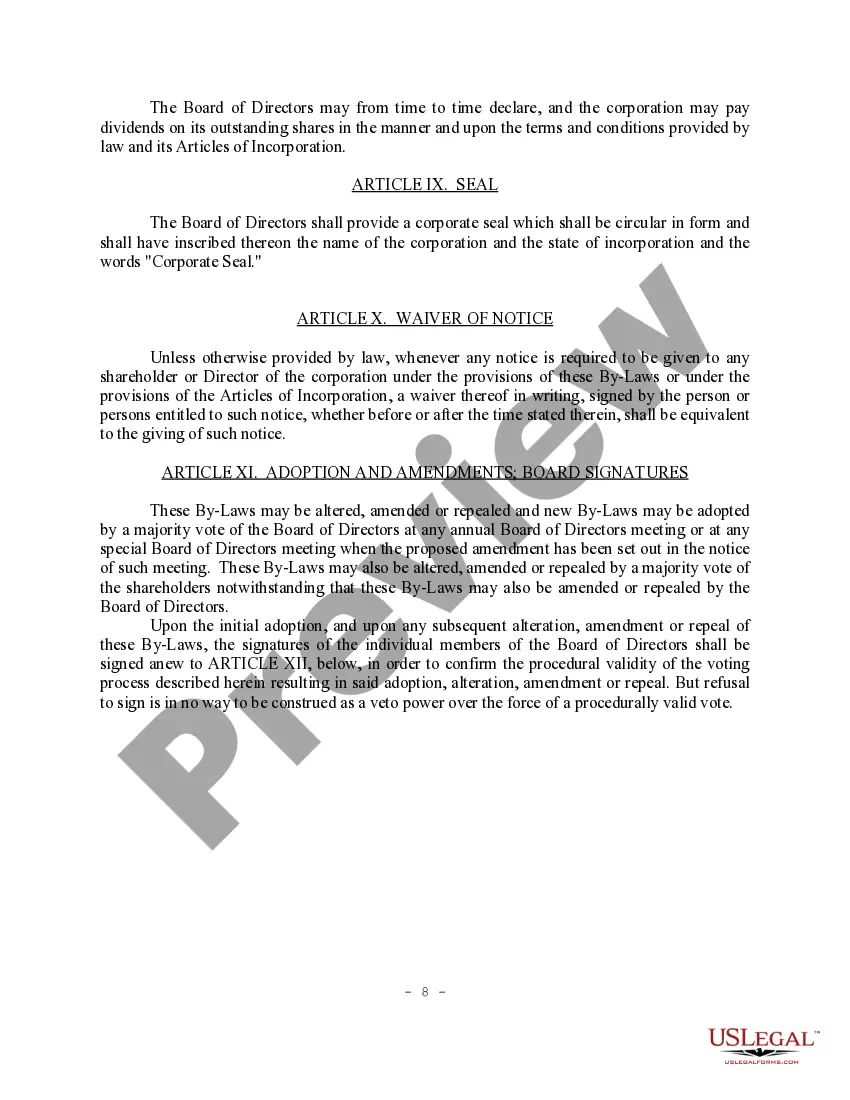
Get your form ready online
Our built-in tools help you complete, sign, share, and store your documents in one place.
Make edits, fill in missing information, and update formatting in US Legal Forms—just like you would in MS Word.
Download a copy, print it, send it by email, or mail it via USPS—whatever works best for your next step.
Sign and collect signatures with our SignNow integration. Send to multiple recipients, set reminders, and more. Go Premium to unlock E-Sign.
If this form requires notarization, complete it online through a secure video call—no need to meet a notary in person or wait for an appointment.
We protect your documents and personal data by following strict security and privacy standards.

Make edits, fill in missing information, and update formatting in US Legal Forms—just like you would in MS Word.

Download a copy, print it, send it by email, or mail it via USPS—whatever works best for your next step.

Sign and collect signatures with our SignNow integration. Send to multiple recipients, set reminders, and more. Go Premium to unlock E-Sign.

If this form requires notarization, complete it online through a secure video call—no need to meet a notary in person or wait for an appointment.

We protect your documents and personal data by following strict security and privacy standards.
Looking for another form?
Form popularity
FAQ
Requiring a Background Check Requiring all new owners and tenants to submit to a background check allows the association to check for people with backgrounds that may impact the safety of their community.
Once again, Florida HOAs only have the right to remove tenants for non-payment. A tenant is obligated to follow the terms of a lease issued by the parcel owner and may not have ever seen (or agreed to) the HOAs community guidelines and bylaws.
Copies of the Articles of Incorporation and bylaws of the homeowners association can be obtained from the Florida Department of State, Division of Corporations. Copies of the governing documents may also be obtained directly from the homeowners association.
How do I find my HOA rules and regulations in Florida? Most of the time, you can find the bylaws, rules and regulations for your homeowner association on your county's clerk of courts website. The county your association is located in should have a record of your HOA's governing documents.
Florida House Bill 1203 introduces substantial reforms aimed at increasing transparency and accountability within HOAs. This bill mandates the online posting of governing documents, including covenants, restrictions, and financial records, ensuring that you, as a homeowner, have easy access to critical information.
Homeowners associations in Florida can generally restrict or prohibit rentals. If an HOA wishes to amend its declaration to include rental restrictions, the amendment shall only apply to owners who acquire the title to the parcel after July 1, 2021, or to owners who consent to the amendment.
The Florida Homeowners' Association Act, Chapter 720 of the Florida Statutes, states that amendments to “governing documents” for homeowners' associations are not effective until they are recorded in the public records of the county in which the community is located.
Once you buy a home that's part of an HOA, you automatically become a member of the HOA. HOA rules are legally binding, and you must adhere to all rules and regulations in the governing document. Yes, there are bylaws that you may not like, but there are no HOA loopholes.
Articles of Incorporation They must include basic information such as the name of the association, its purpose, and the initial office location. ing to Florida law, after October 1, 1995, all associations must be incorporated, and their governing documents must be recorded in the county records.
Florida House Bill 1203 introduces substantial reforms aimed at increasing transparency and accountability within HOAs. This bill mandates the online posting of governing documents, including covenants, restrictions, and financial records, ensuring that you, as a homeowner, have easy access to critical information.