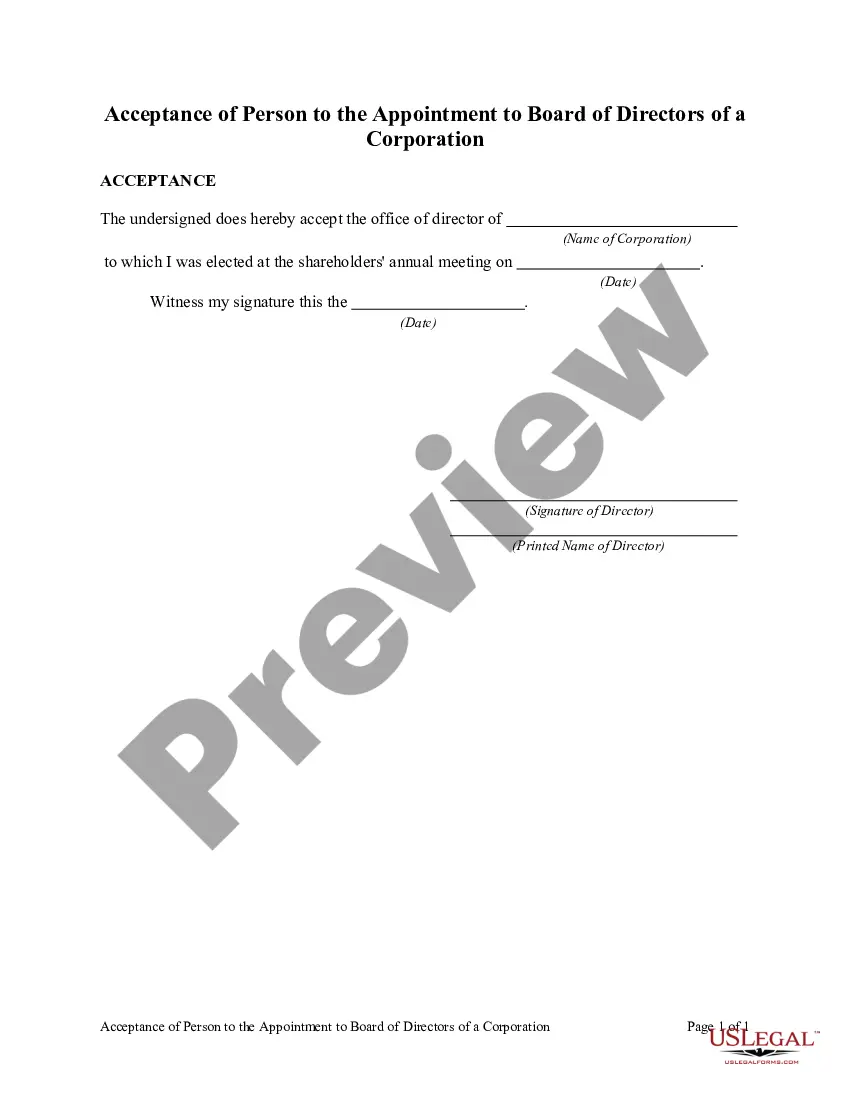
Hoa Bylaws Template For Nonprofit In Bronx
Description











Get your form ready online
Our built-in tools help you complete, sign, share, and store your documents in one place.
Make edits, fill in missing information, and update formatting in US Legal Forms—just like you would in MS Word.
Download a copy, print it, send it by email, or mail it via USPS—whatever works best for your next step.
Sign and collect signatures with our SignNow integration. Send to multiple recipients, set reminders, and more. Go Premium to unlock E-Sign.
If this form requires notarization, complete it online through a secure video call—no need to meet a notary in person or wait for an appointment.
We protect your documents and personal data by following strict security and privacy standards.

Make edits, fill in missing information, and update formatting in US Legal Forms—just like you would in MS Word.

Download a copy, print it, send it by email, or mail it via USPS—whatever works best for your next step.

Sign and collect signatures with our SignNow integration. Send to multiple recipients, set reminders, and more. Go Premium to unlock E-Sign.

If this form requires notarization, complete it online through a secure video call—no need to meet a notary in person or wait for an appointment.

We protect your documents and personal data by following strict security and privacy standards.
Looking for another form?




Form popularity
FAQ
Homeowners' Associations in New York, or otherwise known as Common Interest Communities, are regulated by the Attorney General's office and must be set up as non-profit organizations. They are governed by NY Not-For-Profit Corporation Law, the Association's Articles of Declaration, and Bylaws.
HOA Fees and Assessments Homeowners associations levy HOA fees to cover common expenses. These fees are typically set annually and can change based on the association's budget and financial needs. They fund everyday operations, maintenance, and reserves for future expenses.
To comply with New York law, there are three primary pathways to establish an HOA: obtaining a no-action letter under 13 NYCRR Section 22.8, utilizing the Cooperative Policy Statement No. 7 (CPS-7), or filing an offering plan pursuant to 13 NYCRR Part 22 (Part 22).
The Office of the New York State Attorney General (OAG) requires that the sponsor file an offering plan for the homeowners association, and that the sponsor maintain the commitments it made in the offering plan. The OAG's jurisdiction is limited to ownership and maintenance of HOA common property.
You could start an HOA with the homeowners who consent, of course. And you can try to talk all owners into it by explaining the value they will receive. Depending on the facts, it may or may not be a tough sell. Ordinarily, the purpose of an HOA is to restrict what people can do with their properties.
HOA Approval: 8 Tips to Quickly Get to Yes! Review your Covenants, Conditions, and Restrictions. Speak with your Neighborhood's Property Manager. Obtain a List of Pre-Approved Colors or Get Guidance on your Options. Don't be a Copy Cat. Going Without Guidance. Add Time for the Approval Process. Build Your Case.
HOAs have power because the association grants them rights and privileges. An HOA's power comes from the documents that created the association. It gives the HOA the ability to set rules and regulations for the building or community. The documents also give the HOA the ability to enforce those rules.