Bylaws And Regulations For Nonprofit Organizations In Bronx
Description

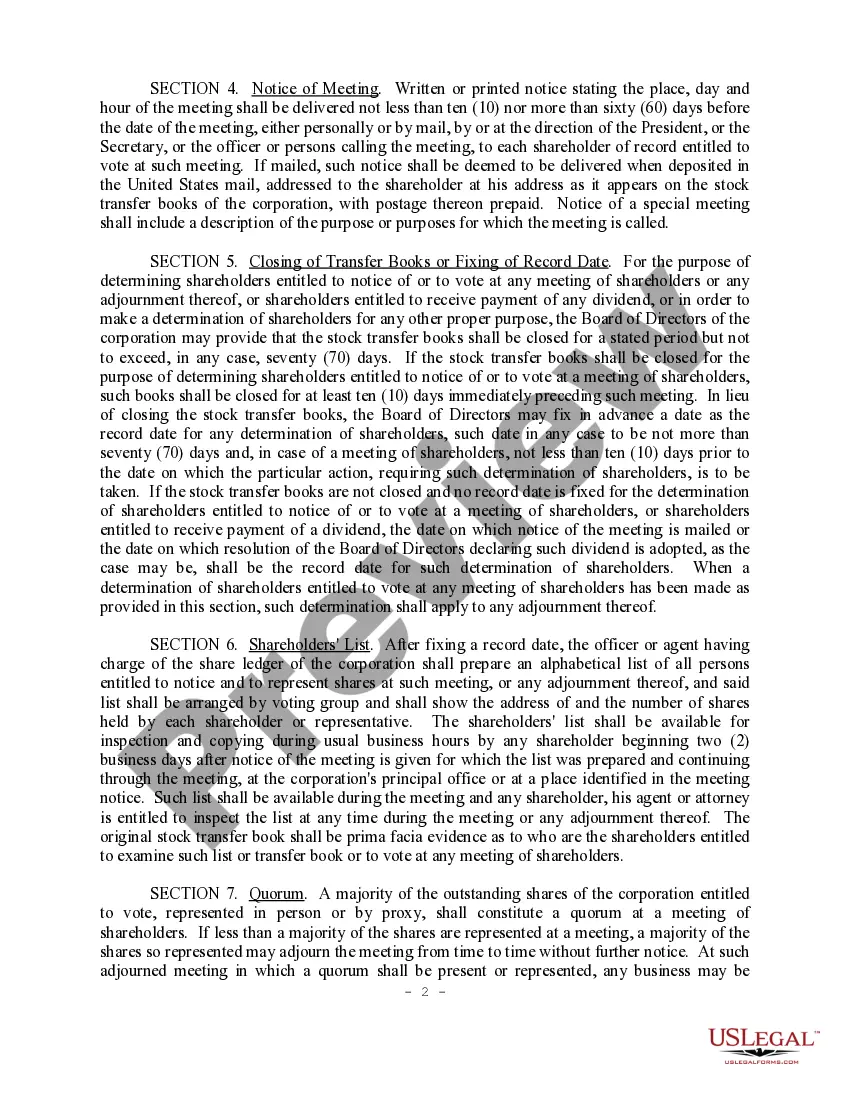
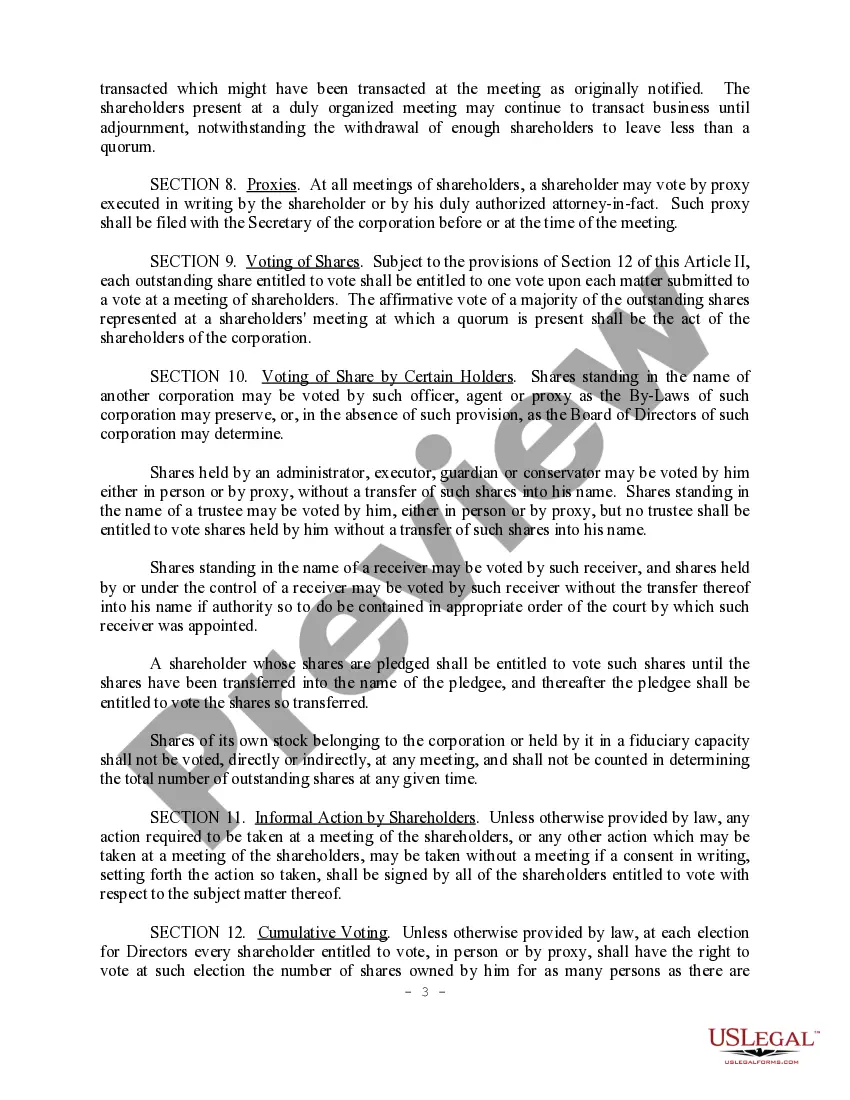
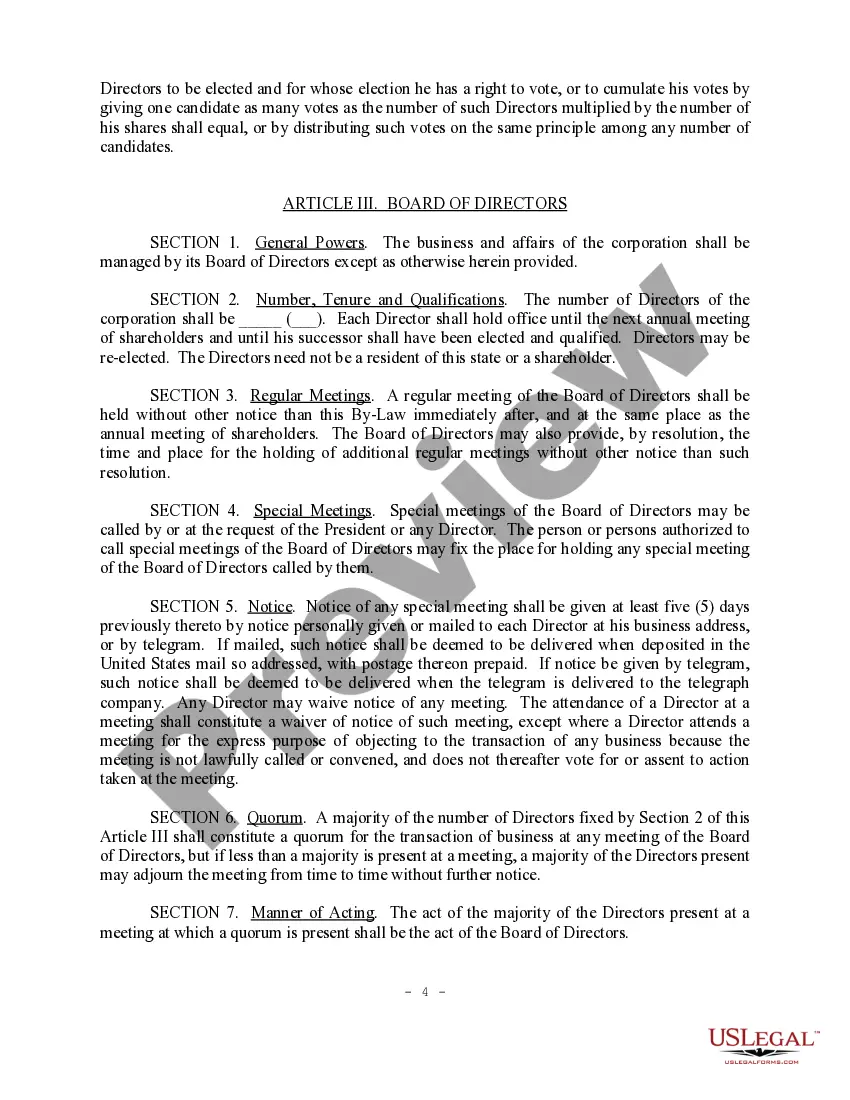
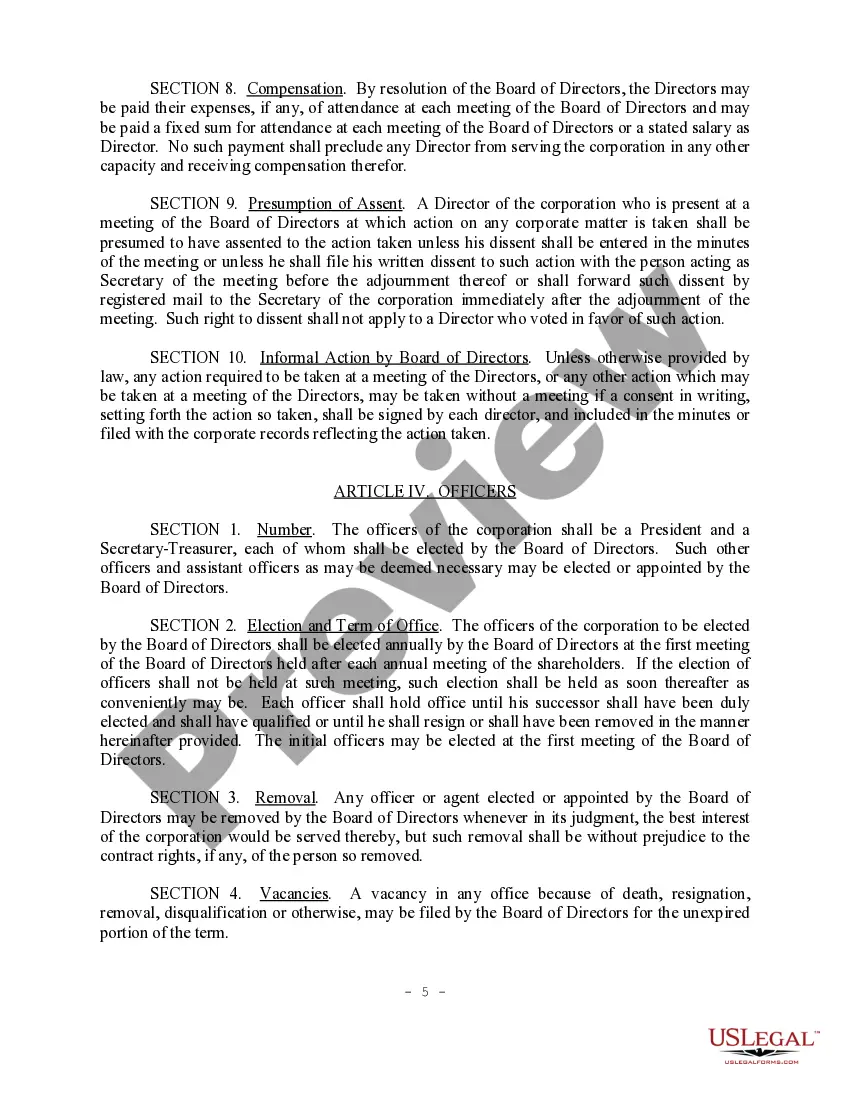
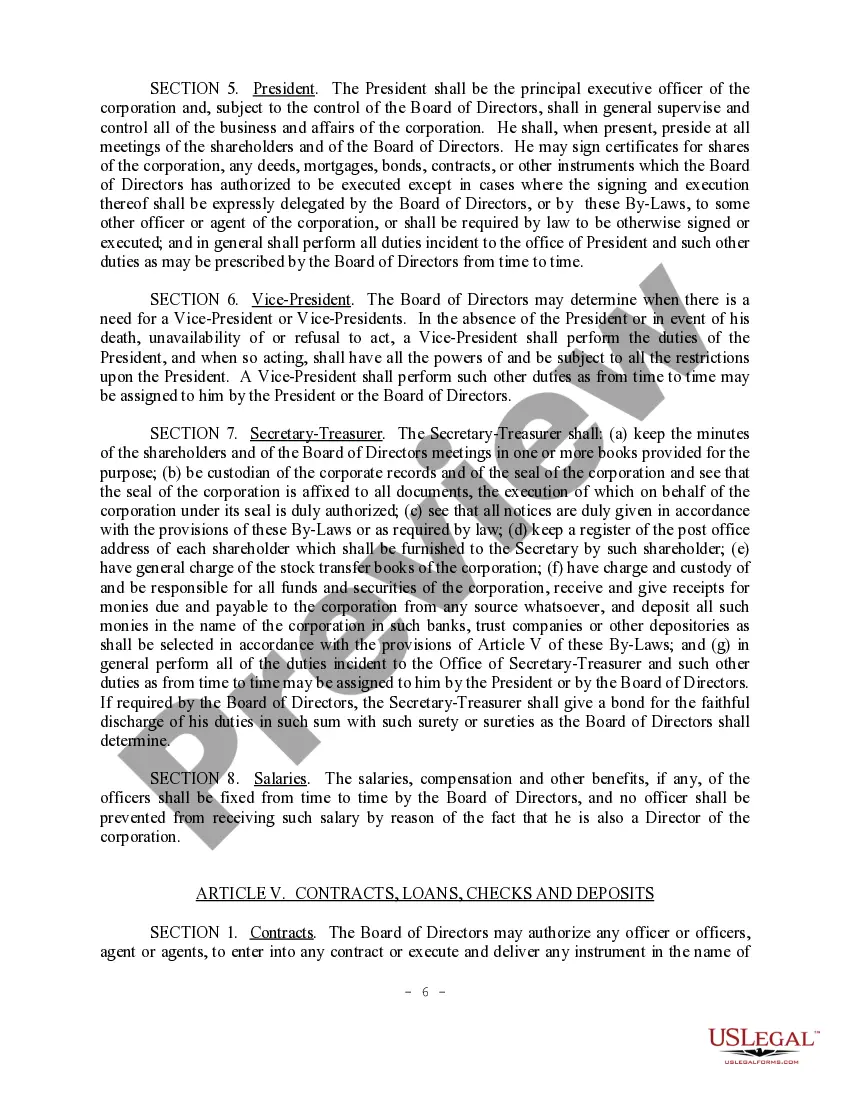
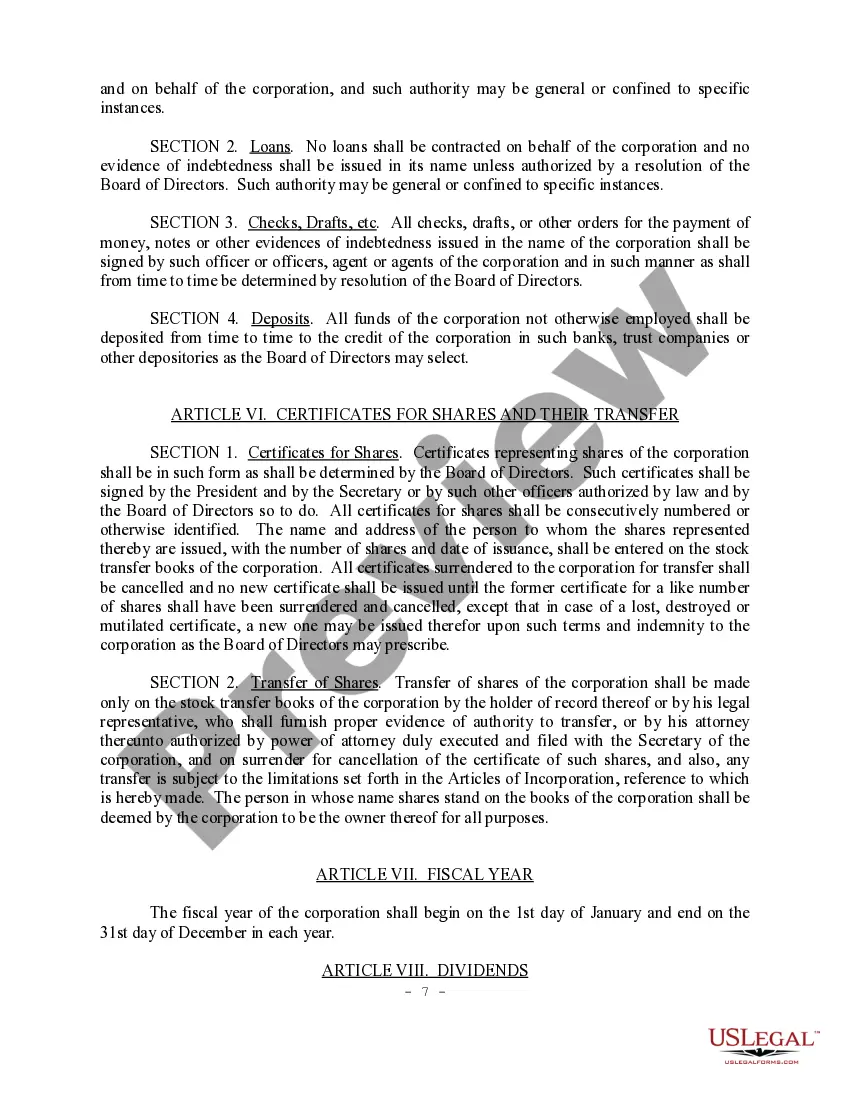
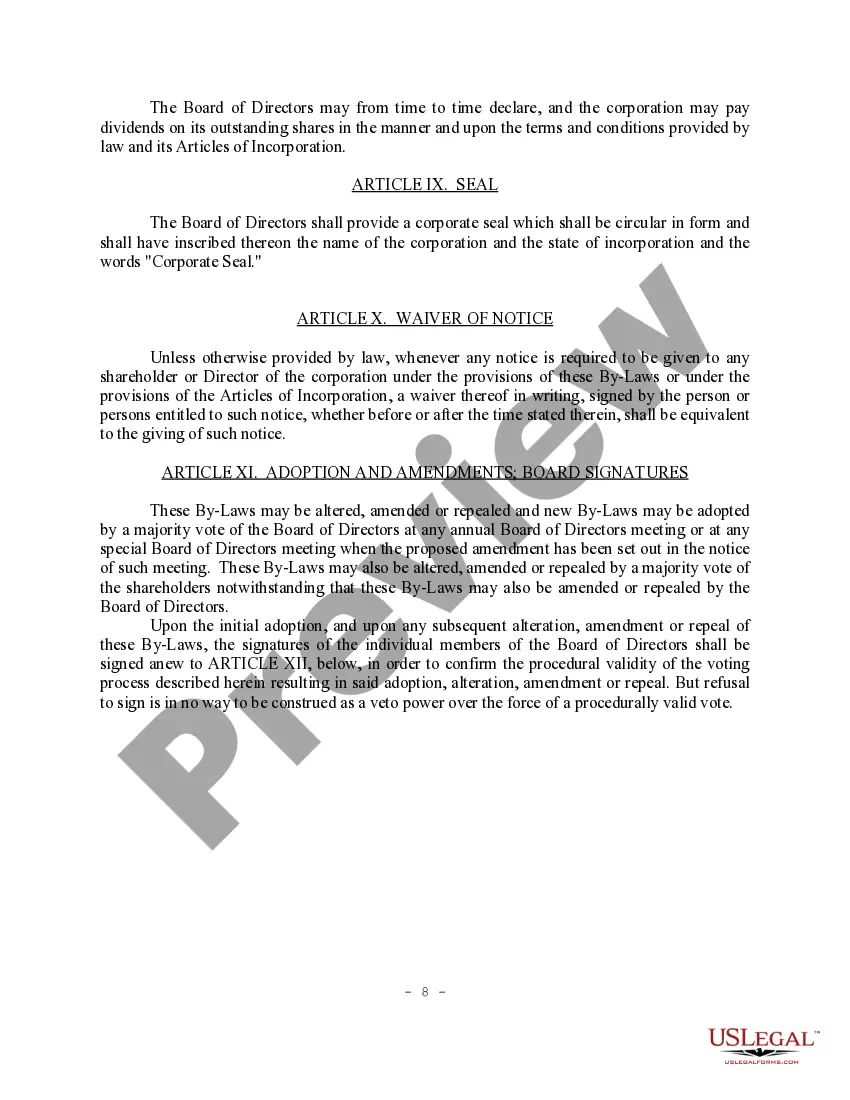
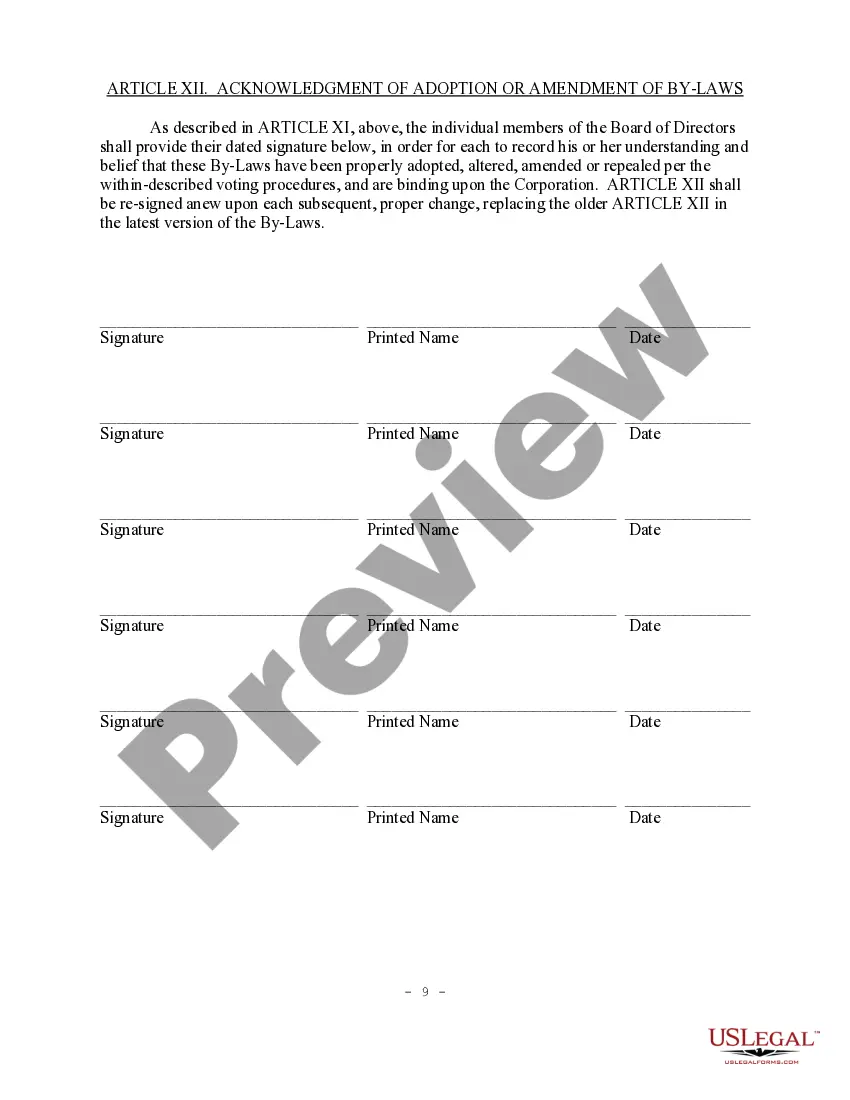
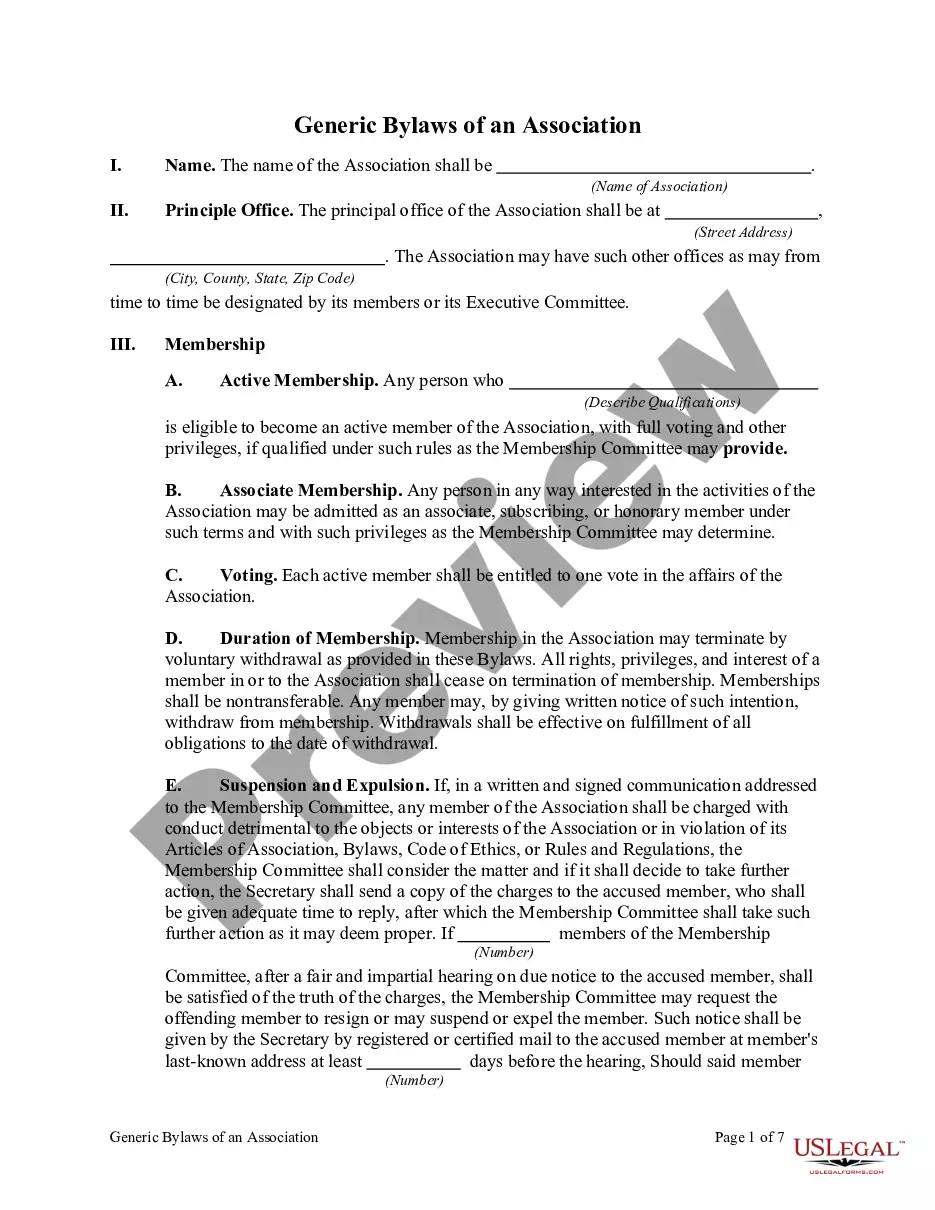
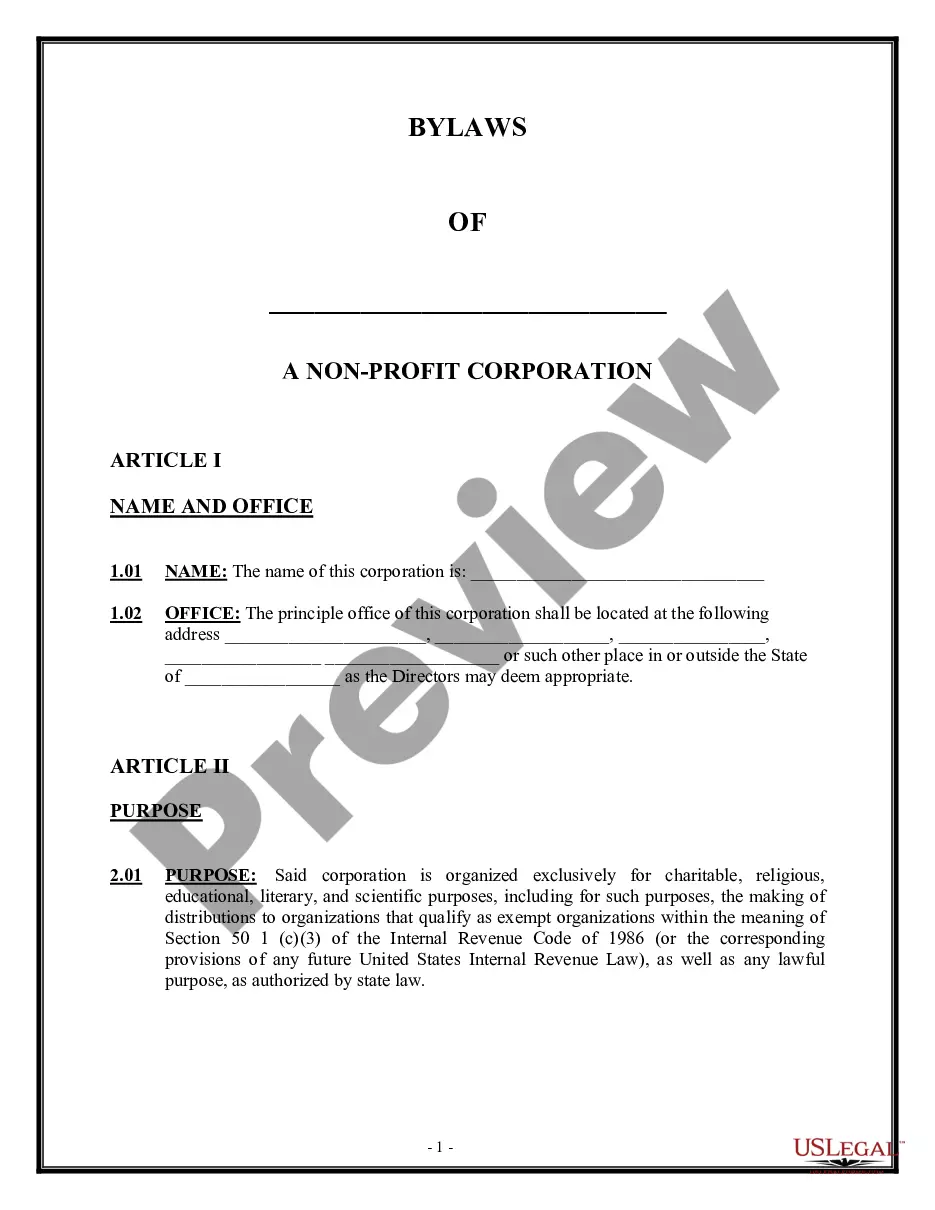
Get your form ready online
Our built-in tools help you complete, sign, share, and store your documents in one place.
Make edits, fill in missing information, and update formatting in US Legal Forms—just like you would in MS Word.
Download a copy, print it, send it by email, or mail it via USPS—whatever works best for your next step.
Sign and collect signatures with our SignNow integration. Send to multiple recipients, set reminders, and more. Go Premium to unlock E-Sign.
If this form requires notarization, complete it online through a secure video call—no need to meet a notary in person or wait for an appointment.
We protect your documents and personal data by following strict security and privacy standards.

Make edits, fill in missing information, and update formatting in US Legal Forms—just like you would in MS Word.

Download a copy, print it, send it by email, or mail it via USPS—whatever works best for your next step.

Sign and collect signatures with our SignNow integration. Send to multiple recipients, set reminders, and more. Go Premium to unlock E-Sign.

If this form requires notarization, complete it online through a secure video call—no need to meet a notary in person or wait for an appointment.

We protect your documents and personal data by following strict security and privacy standards.
Looking for another form?





Form popularity
FAQ
Steps for Finding Nonprofit Bylaws: Search IRS databases, request from the nonprofit directly, or check state nonprofit registries. Understanding Bylaws' Importance: Bylaws dictate governance, structure, and compliance for nonprofit operations.
4. Make Your Bylaws Public. The law doesn't require nonprofit organizations to make their bylaws public, but we believe it provides accountability and transparency. When you share them with your donors and supporters on public record, you give them a behind-the-scenes look at how and why you make decisions.
Here are some examples of provisions that nonprofit organizations should avoid including in their bylaws. Organizational Policies and Procedures. Specifically Targeted Policies that Adversely Affect Future Boards. Provisions that Violate State Laws. Inconsistencies with the Articles of Incorporation.
Charities Bureau The Office of the New York State Attorney General regulates nonprofit organizations and fundraisers and provide them with helpful resources. In addition, we protect nonprofits and their donors from fraud and ensure that charitable donations are used as the donor intended.
The IRS recognizes statuses from 501(c)(2) through 501(c)(27). The overwhelming majority of tax-exempt organizations are recognized as 501(c)(3) organizations for their charitable purposes. To obtain recognition as a 501(c)(3), tax-exempt entity, Form 1023 must be filed with the Internal Revenue Service.
How to Start a Nonprofit in New York Name Your Organization. Choose a New York nonprofit corporation structure. Recruit Incorporators and Initial Directors. Appoint a Registered Agent. Prepare and File Articles of Incorporation. File Initial Report. Obtain an Employer Identification Number (EIN) ... Store Nonprofit Records.
The nonprofit LLC is an option in some states for groups working in the nonprofit sector. However, in New York, you are limited to forming a nonprofit corporation to acquire tax exemption. At Lawyer For Business, we are business lawyers with extensive experience in New York State.
Statute and Description: N.Y. A charitable organization with gross annual revenue less than $250,000 must file a financial statement but it does not need to be one reviewed by an independent CPA; organizations with gross annual revenue of between $250,000-$1,000,000 must file a financial review prepared by an auditor.
How to Start a Nonprofit in New York Name Your Organization. Choose a New York nonprofit corporation structure. Recruit Incorporators and Initial Directors. Appoint a Registered Agent. Prepare and File Articles of Incorporation. File Initial Report. Obtain an Employer Identification Number (EIN) ... Store Nonprofit Records.
