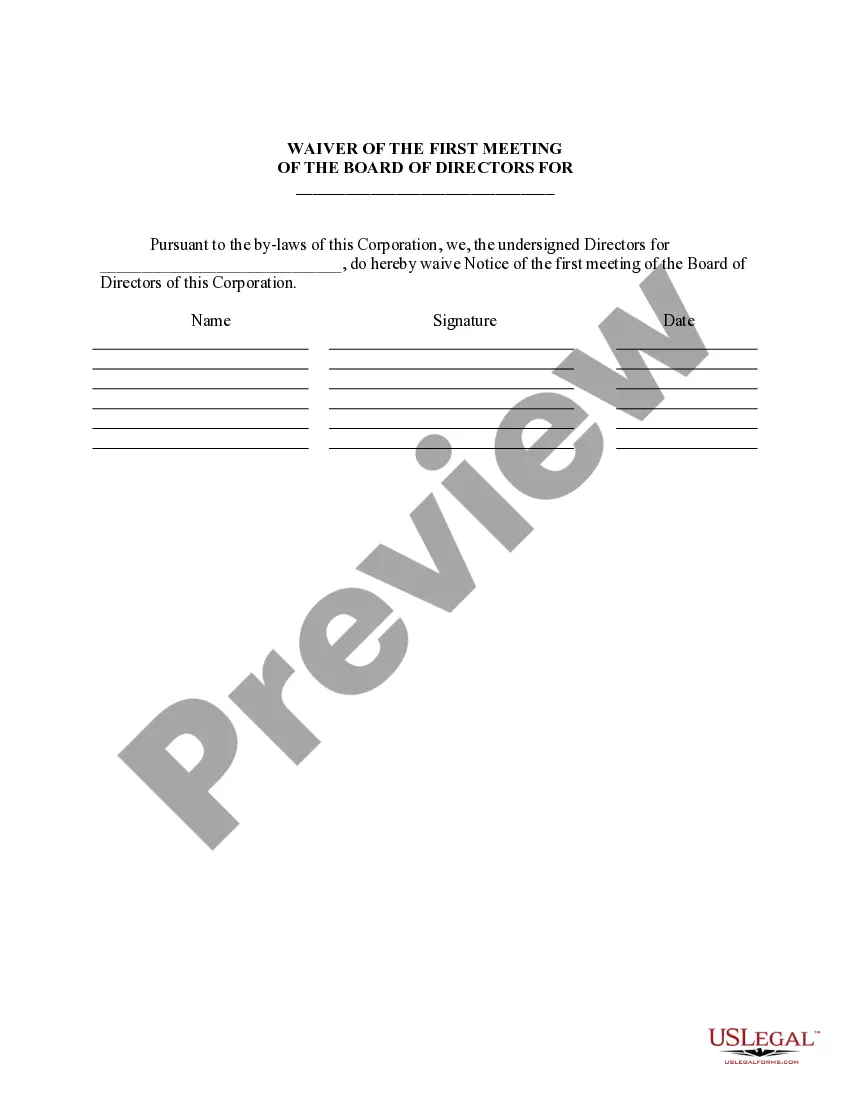
Hoa Rules For Plants In Arizona
Description

Get your form ready online
Our built-in tools help you complete, sign, share, and store your documents in one place.
Make edits, fill in missing information, and update formatting in US Legal Forms—just like you would in MS Word.
Download a copy, print it, send it by email, or mail it via USPS—whatever works best for your next step.
Sign and collect signatures with our SignNow integration. Send to multiple recipients, set reminders, and more. Go Premium to unlock E-Sign.
If this form requires notarization, complete it online through a secure video call—no need to meet a notary in person or wait for an appointment.
We protect your documents and personal data by following strict security and privacy standards.

Make edits, fill in missing information, and update formatting in US Legal Forms—just like you would in MS Word.

Download a copy, print it, send it by email, or mail it via USPS—whatever works best for your next step.

Sign and collect signatures with our SignNow integration. Send to multiple recipients, set reminders, and more. Go Premium to unlock E-Sign.

If this form requires notarization, complete it online through a secure video call—no need to meet a notary in person or wait for an appointment.

We protect your documents and personal data by following strict security and privacy standards.
Looking for another form?








Form popularity
FAQ
The Supreme Court held that an HOA may not rely on a general amendment power provision in its covenants, conditions, and restrictions to place restrictions on landowners' use of their land only as to those restrictions for which the HOA's original declaration has provided sufficient notice.
In 2024, Arizona introduced new laws affecting HOA governance. One significant change is HB-2067, which mandates the automatic removal of HOA board members who fail to hold a special recall meeting as required.
The ARS grants the board specific powers such as the ability to foreclose on a house for unpaid liens and establish rules concerning the exterior appearance of homes and other community-related restrictions. HOAs in Arizona are also bound by rules set forth in their own governing documents.
Once you buy a home that's part of an HOA, you automatically become a member of the HOA. HOA rules are legally binding, and you must adhere to all rules and regulations in the governing document. Yes, there are bylaws that you may not like, but there are no HOA loopholes.
Arizona Planned Communities Act This act governs homeowners associations in Arizona and details a number of matters pertaining to planned communities, such as assessment collection limitations, the maintenance of a homeowner's association records, the management of such entities, and the requirements for meetings.
An HOA does not have the power to evict homeowners from their homes. However, an HOA can take legal action against a homeowner who violates the community's bylaws or CC&Rs (Covenants, Conditions, and Restrictions), which can result in fines or in extreme cases, foreclosure.