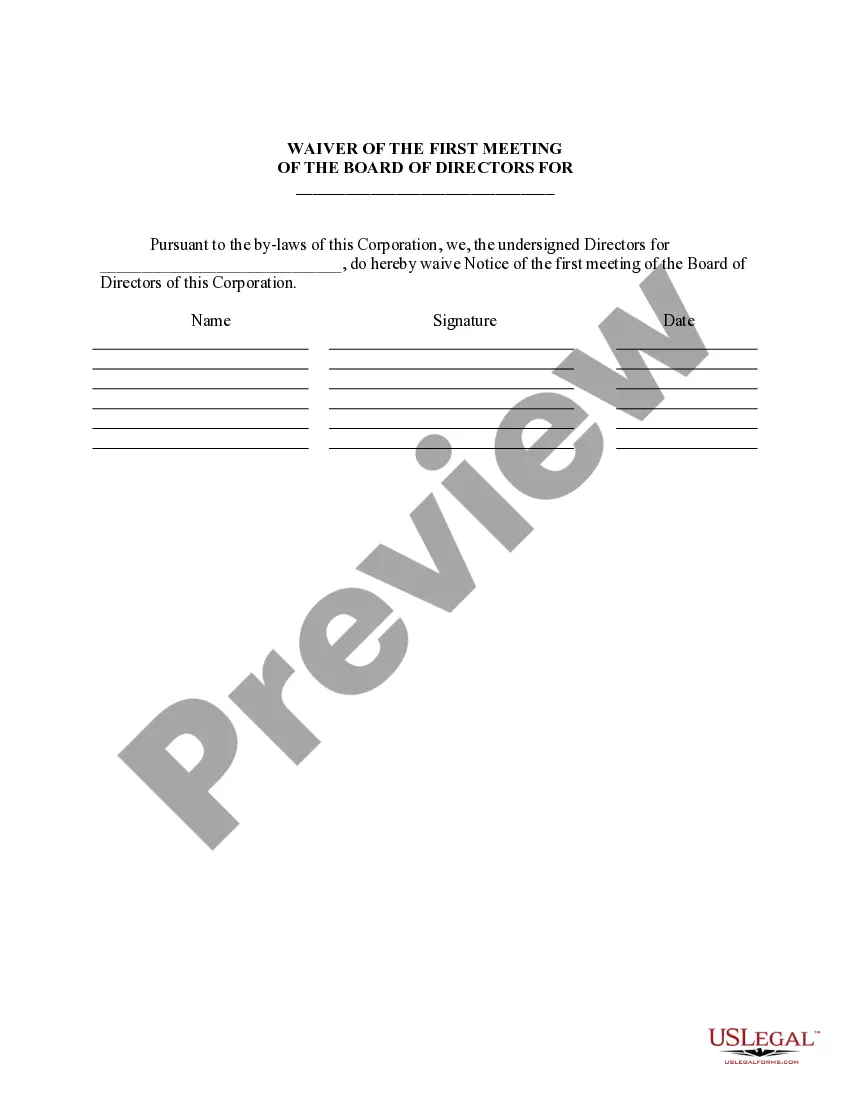
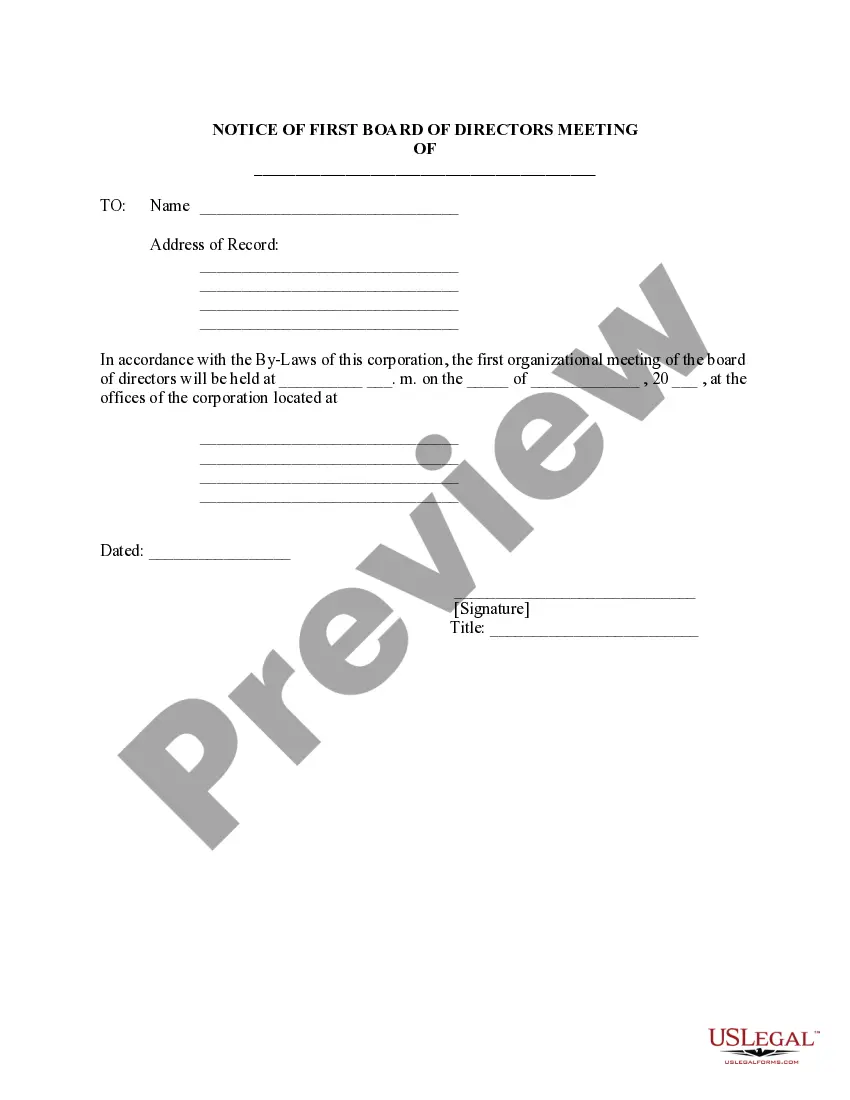
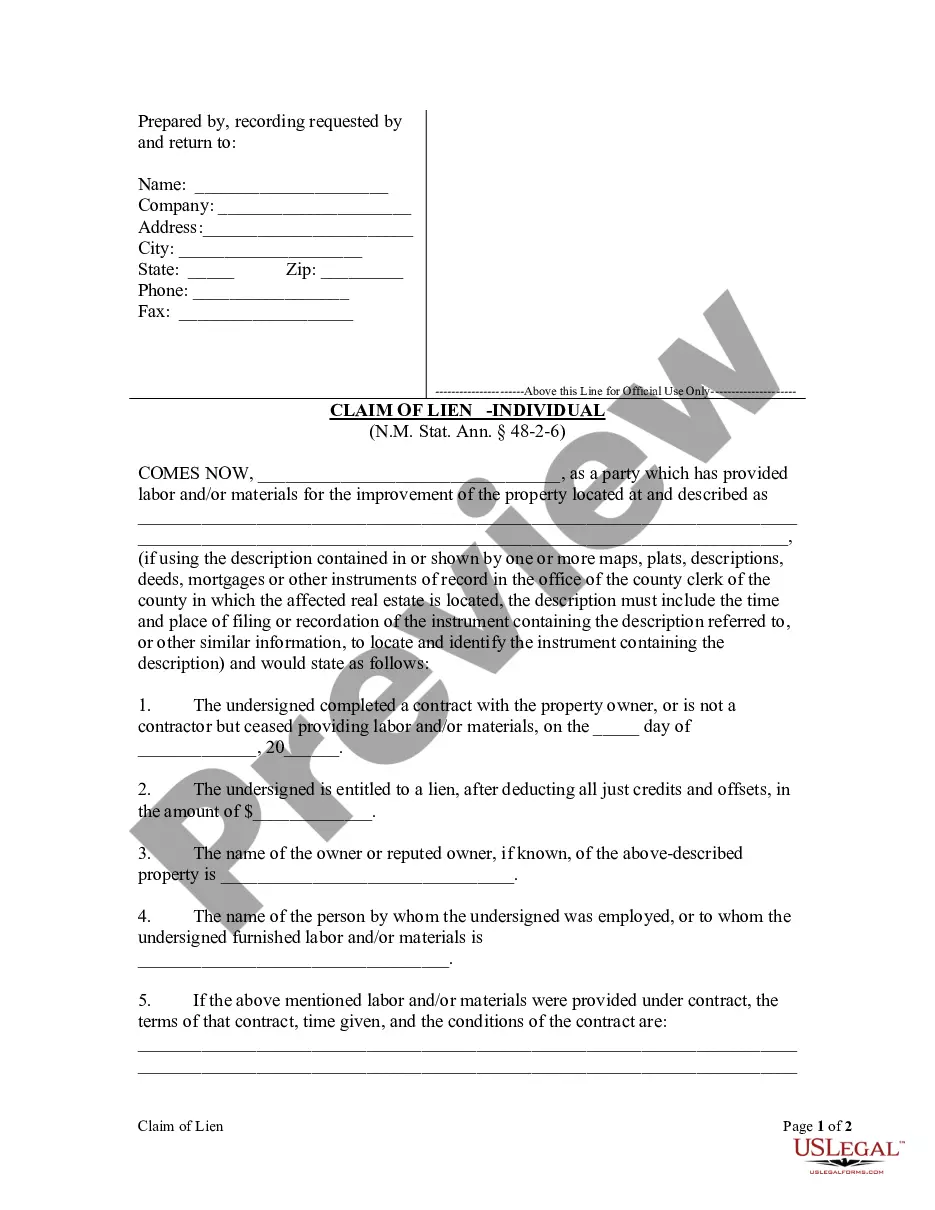
Board Directors Corporate Without Ceo In Hennepin
Description


Get your form ready online
Our built-in tools help you complete, sign, share, and store your documents in one place.
Make edits, fill in missing information, and update formatting in US Legal Forms—just like you would in MS Word.
Download a copy, print it, send it by email, or mail it via USPS—whatever works best for your next step.
Sign and collect signatures with our SignNow integration. Send to multiple recipients, set reminders, and more. Go Premium to unlock E-Sign.
If this form requires notarization, complete it online through a secure video call—no need to meet a notary in person or wait for an appointment.
We protect your documents and personal data by following strict security and privacy standards.

Make edits, fill in missing information, and update formatting in US Legal Forms—just like you would in MS Word.

Download a copy, print it, send it by email, or mail it via USPS—whatever works best for your next step.

Sign and collect signatures with our SignNow integration. Send to multiple recipients, set reminders, and more. Go Premium to unlock E-Sign.

If this form requires notarization, complete it online through a secure video call—no need to meet a notary in person or wait for an appointment.

We protect your documents and personal data by following strict security and privacy standards.
Looking for another form?




Form popularity
FAQ
Board membership comes with significant responsibility. As a board member, you'll be seen as a governing figure, which includes a fiduciary duty to the organization. You could be held personally liable for decisions made by the board, and in some cases, your personal assets may be at risk.
Unless the issue has to do with the CEO's job, many foundations agree: There is no good reason why a CEO could not or should not serve on the board. candidates who are drawn by the added prestige and power of serving as a voting board member.
How to form a board of directors Register articles of incorporation. You must file articles of incorporation in your state to gain legal status as a corporation. Create bylaws. Set up a board of directors agreement. Select your board of directors. Have an initial shareholder meeting.
While affluent connections are always helpful, you should also consider board members with connections who have a passion for the mission, have a connection to those you serve, and who can help you better serve the community.
In most cases, there are no legal restrictions or Internal Revenue Service prohibitions for related family members to serve together on a nonprofit board. The IRS defines “related” board members as those related by blood, marriage, or outside business connections.
Here are a few types of people who should avoid serving on Boards: Those Who Lack Objectivity. People Who Are All Talk And No Action. Those Who Are Conflict-Averse. People Who Don't Play Well With Others. Those Who Are Greedy. People Who Are Resistant To Change. People Who Are Not Team Players.
It is a good practice for each board meeting to include an in camera or executive session where board members can meet privately, without the CEO present. In camera is simply Latin for “in chamber” or private.
Common Unethical Practices Your Board Should Avoid Financial Fraud. Financial fraud refers to deceptive practices or intentional misrepresentation of financial information — deliberately deceiving stakeholders. Insider Trading. Bribery and Corruption. Conflict of Interest. Failure to Protect Stakeholder Interests.
All corporations, regardless of the state, must have a shareholder-elected Board of Directors. An LLC is not required to have a Board of Directors, but can adopt this form of management if the members (the owners of the LLC) choose to do so.
A public company's board of directors is chosen by shareholders, and its primary job is to look out for shareholders' interests.