Bylaws And Regulations For Classroom In Arizona
Description

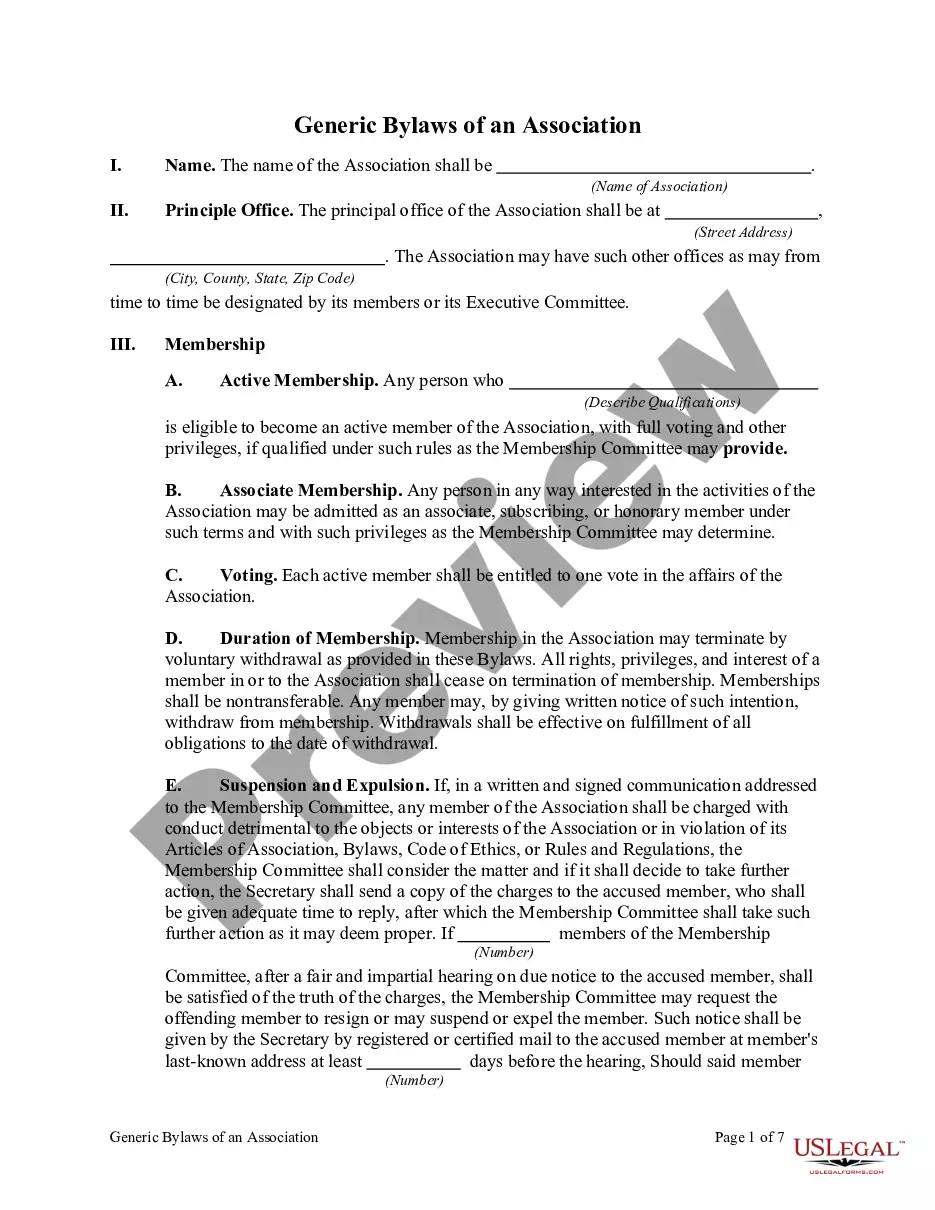
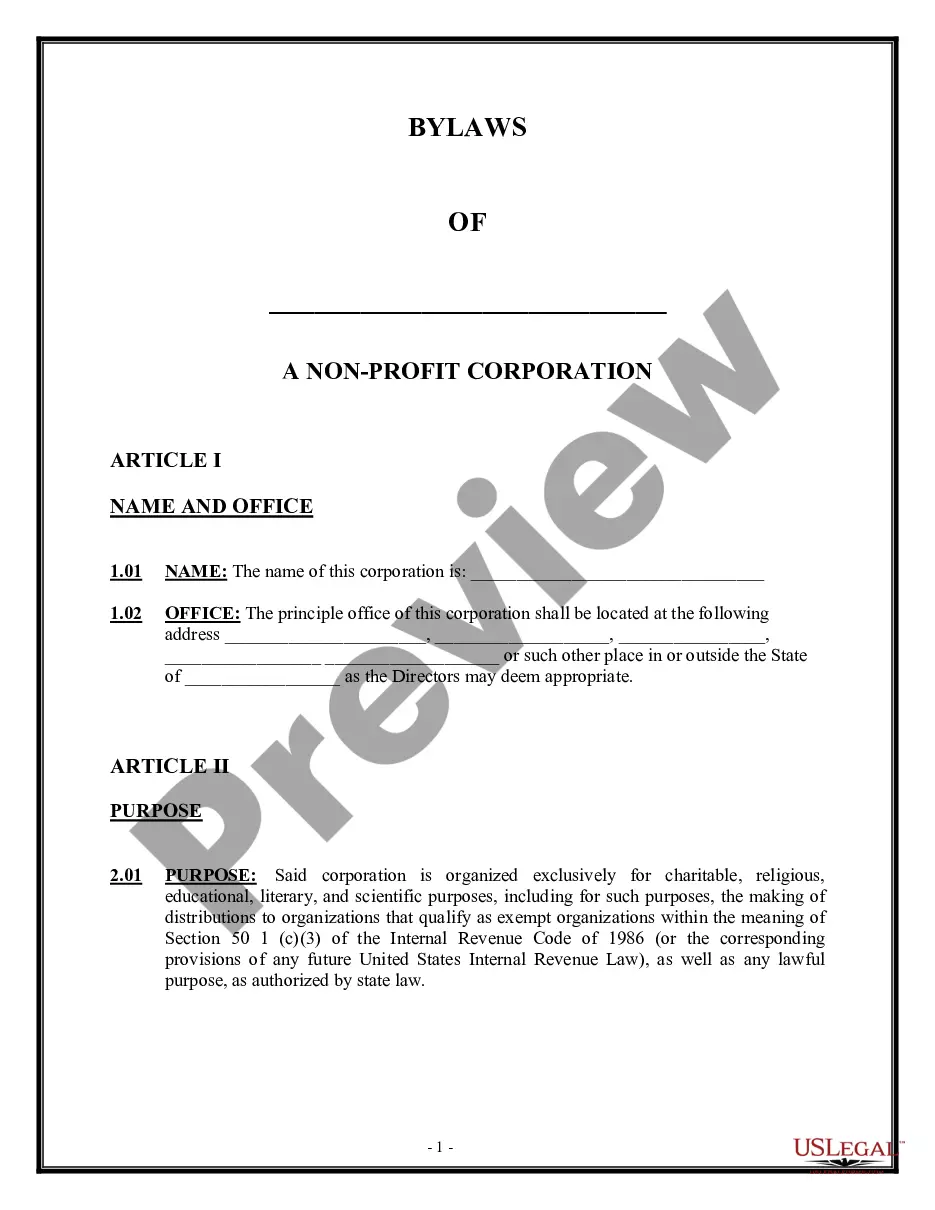
Get your form ready online
Our built-in tools help you complete, sign, share, and store your documents in one place.
Make edits, fill in missing information, and update formatting in US Legal Forms—just like you would in MS Word.
Download a copy, print it, send it by email, or mail it via USPS—whatever works best for your next step.
Sign and collect signatures with our SignNow integration. Send to multiple recipients, set reminders, and more. Go Premium to unlock E-Sign.
If this form requires notarization, complete it online through a secure video call—no need to meet a notary in person or wait for an appointment.
We protect your documents and personal data by following strict security and privacy standards.

Make edits, fill in missing information, and update formatting in US Legal Forms—just like you would in MS Word.

Download a copy, print it, send it by email, or mail it via USPS—whatever works best for your next step.

Sign and collect signatures with our SignNow integration. Send to multiple recipients, set reminders, and more. Go Premium to unlock E-Sign.

If this form requires notarization, complete it online through a secure video call—no need to meet a notary in person or wait for an appointment.

We protect your documents and personal data by following strict security and privacy standards.
Looking for another form?







Form popularity
FAQ
Pre-K: caps 18 students with a teacher plus a paraprofessional. Kindergarten: caps classes at 25 students. Grades 1-6 in elementary schools: caps classes at 32 students. JHS/MS (all grades 4 – 8 or 5 – 9, if located in a middle school): 33 students in non-Title I schools; 30 in Title I schools.
The average size (surface area) of a classroom in the United States is approximately 900 square feet (84 m²). You'll find most classrooms varying between 700 and 1,100 square feet (65 and 102 m²). These dimensions apply to primary, middle, and high schools for normal educational activities.
Every child between the ages of six and sixteen years shall attend a school and shall be provided instruction in at least the subjects of reading, grammar, mathematics, social studies and science.
Arizona Education Code 15-821 (C): A child is eligible for admission to kindergarten if the child is five years of age. A child is deemed five years of age if the child reaches the age of five before September 1 of the current school year.
Specifically, the average class sizes are set at 18 for K-3, 22 for grades 4-8, 25 for grades 9-12, and 20 for career technical education, with maximum sizes of 21, 27, 30, and 25 respectively.
Specifically, the average class sizes are set at 18 for K-3, 22 for grades 4-8, 25 for grades 9-12, and 20 for career technical education, with maximum sizes of 21, 27, 30, and 25 respectively.
A person who knowingly abuses a teacher or other school employee on school grounds or while the teacher or employee is engaged in the performance of his duties is guilty of a class 3 misdemeanor.
General information Public education in Arizona StateSchoolsTeacher to pupil ratio Arizona 1,590 .4 United States 90,323 1 more row
Under Arizona law, every child between the ages of six and sixteen must attend a school and be provided instruction in at least reading, grammar, mathematics, social studies, and science (A.R.S. § 15-802(A)). The instruction may take place in a district, private, charter, homeschool or through the ESA program (A.R.S.
