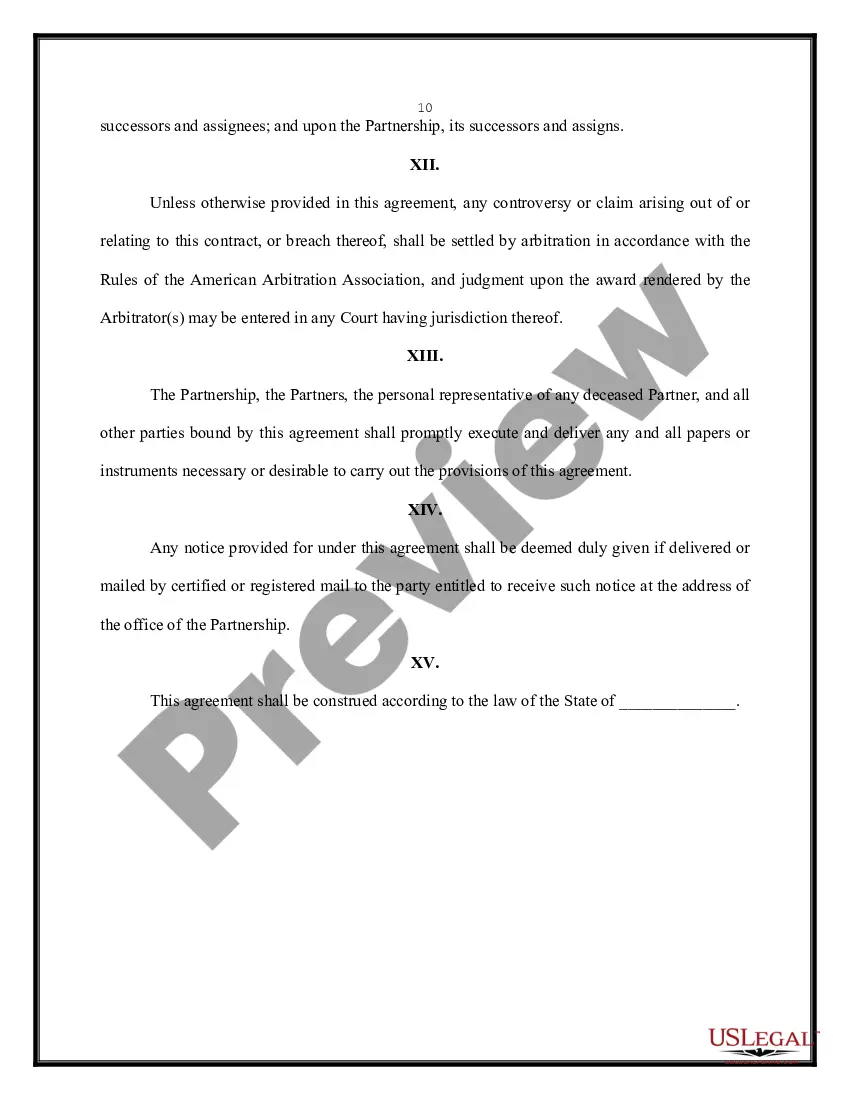
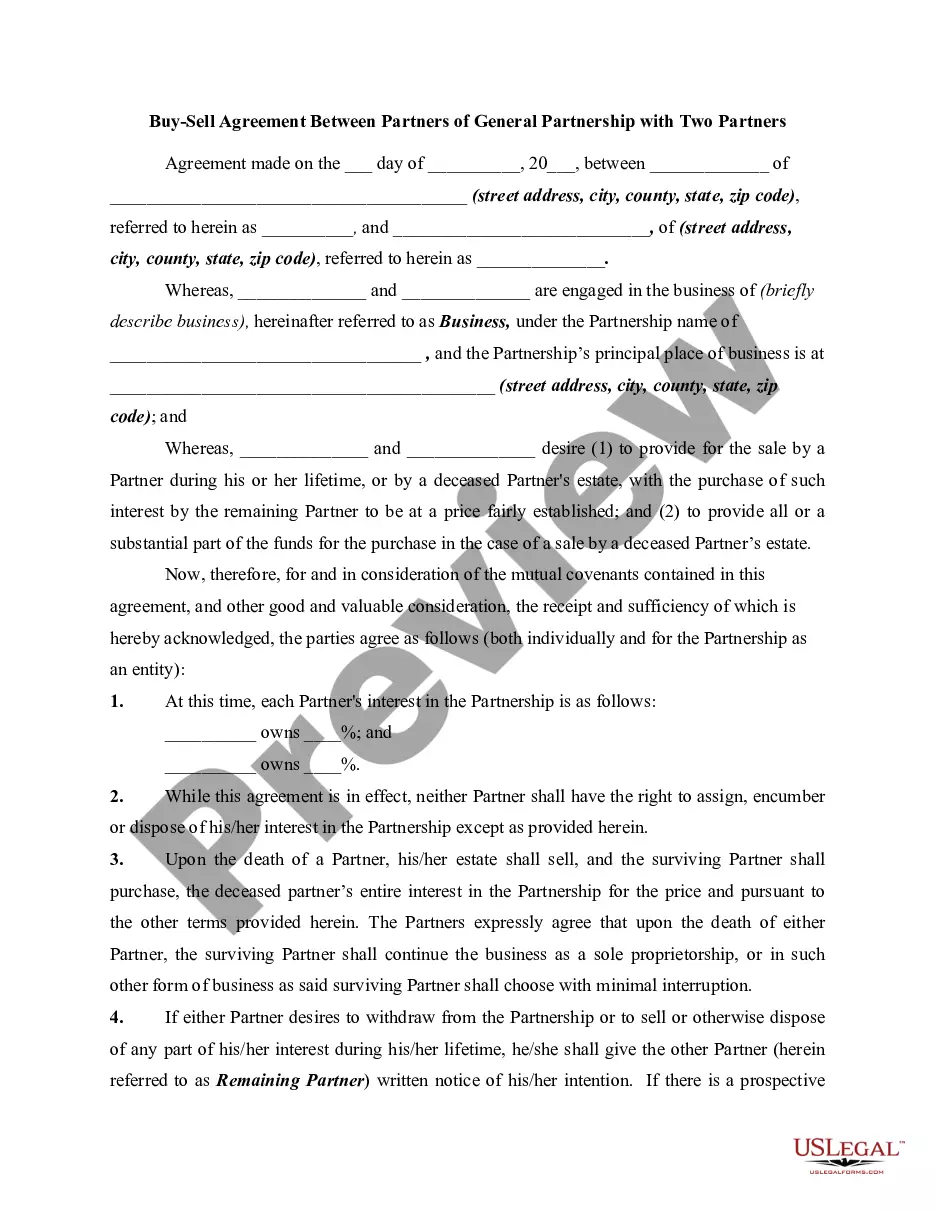
Agreement Between Partnership For Small Business In Virginia
Description

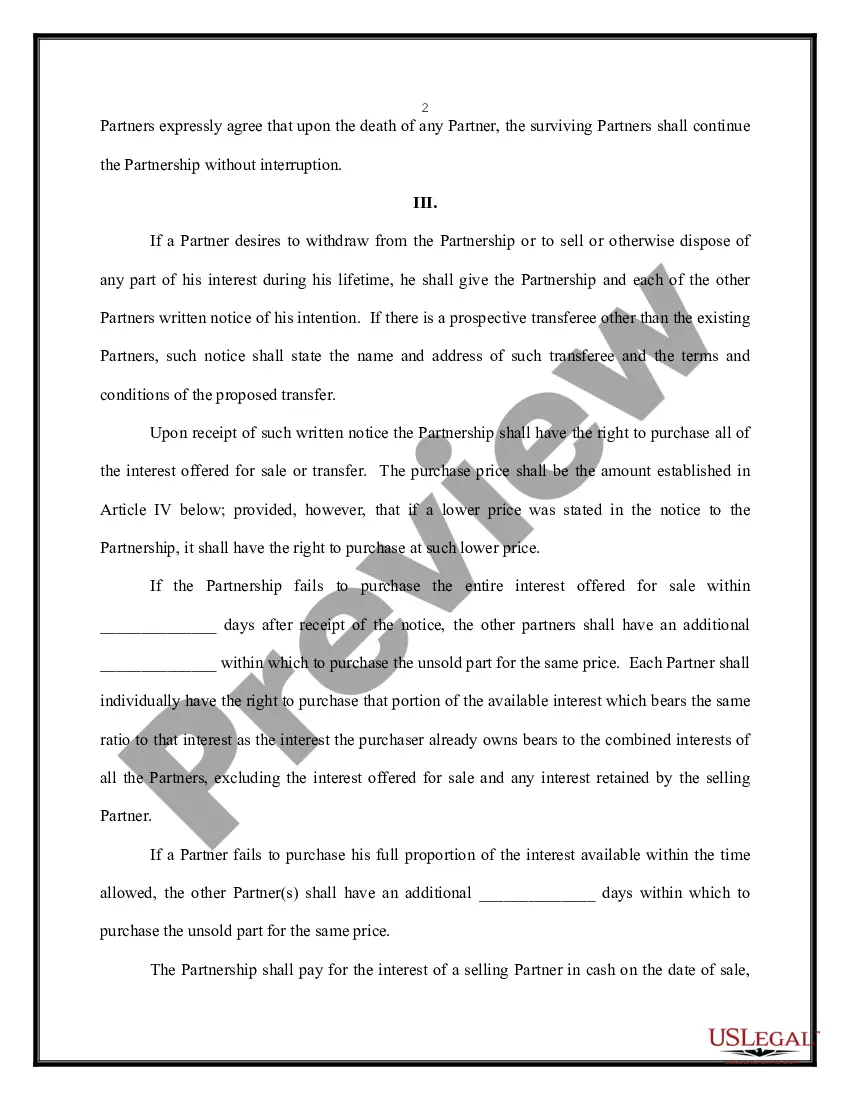
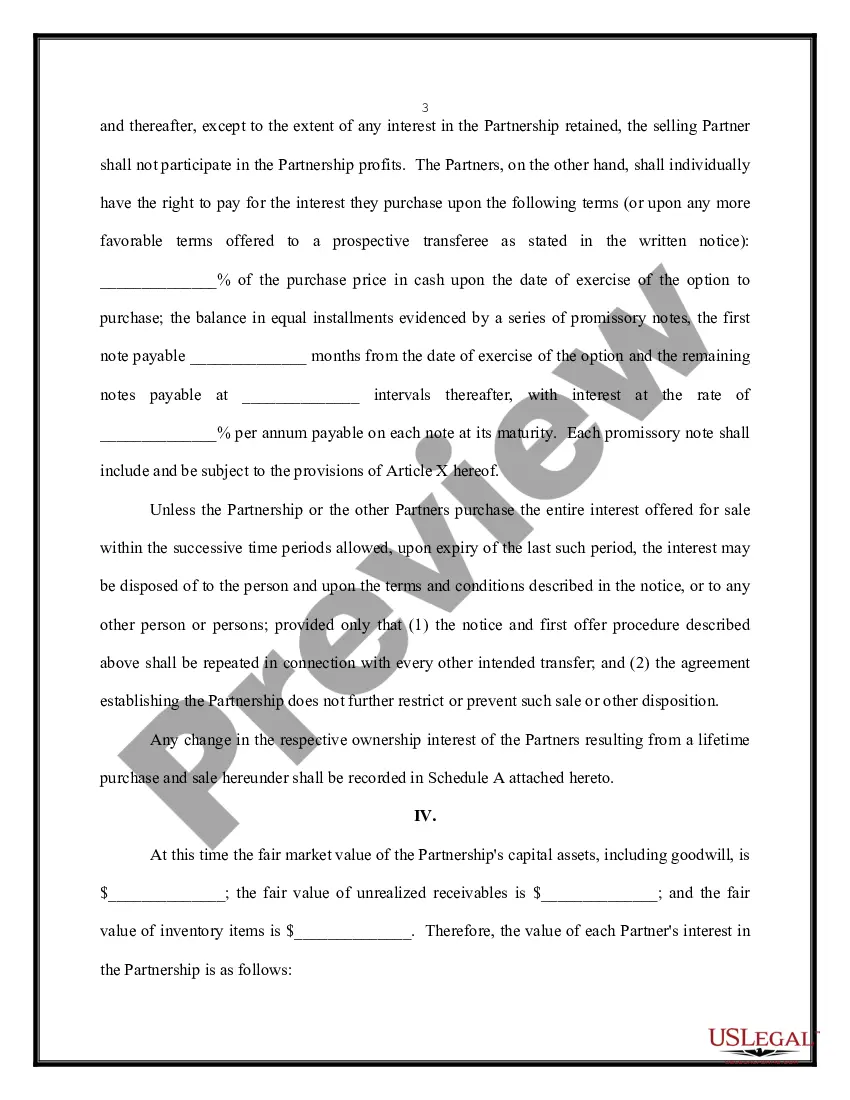
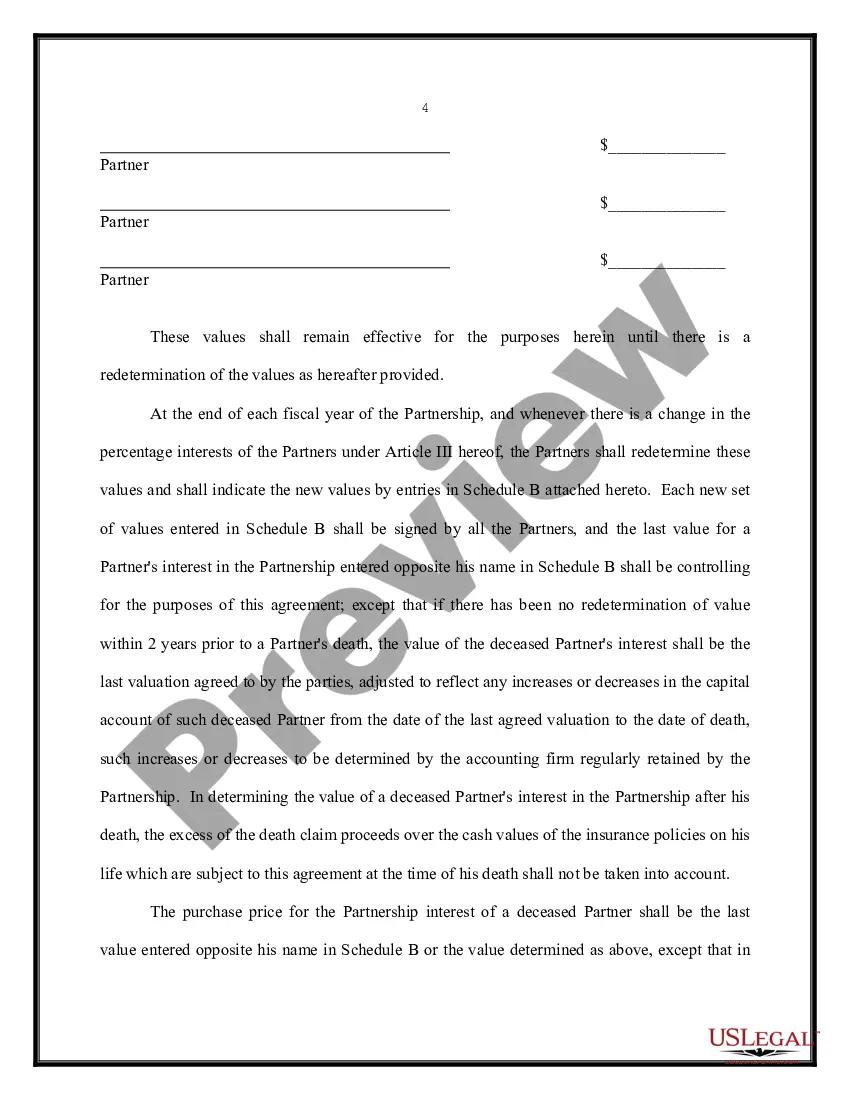
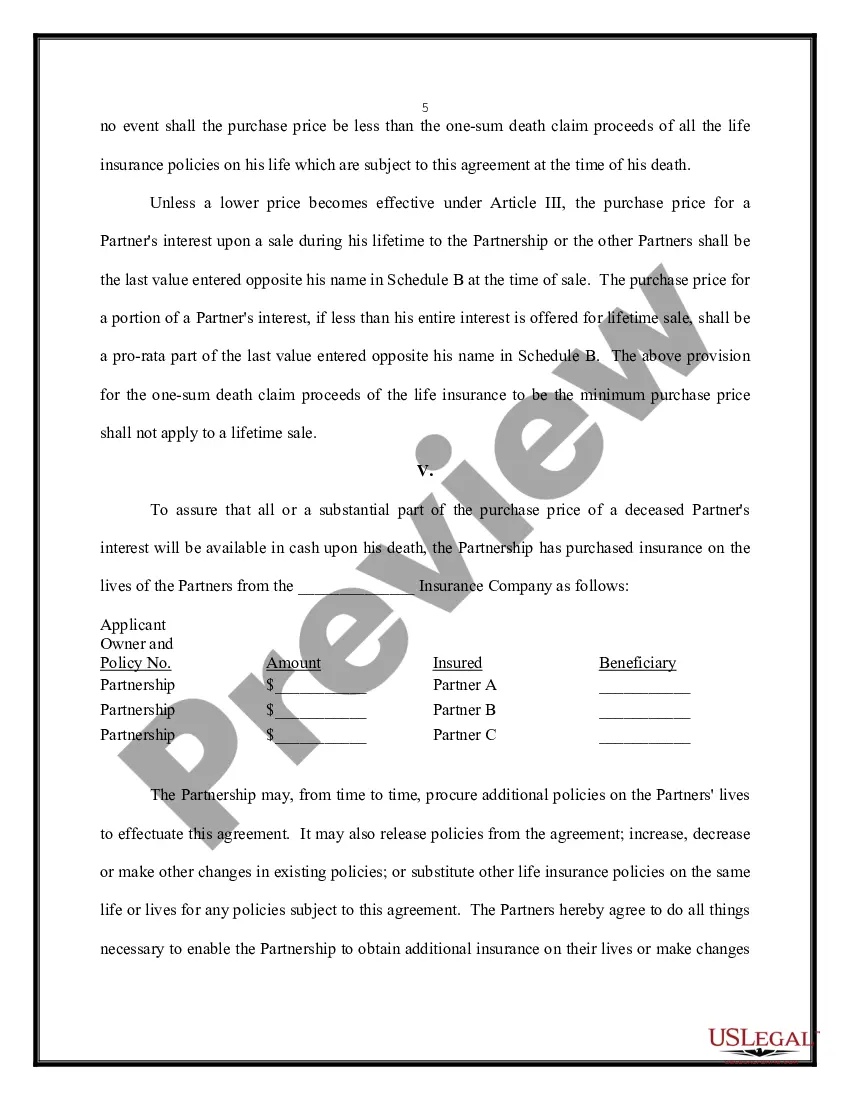


Get your form ready online
Our built-in tools help you complete, sign, share, and store your documents in one place.
Make edits, fill in missing information, and update formatting in US Legal Forms—just like you would in MS Word.
Download a copy, print it, send it by email, or mail it via USPS—whatever works best for your next step.
Sign and collect signatures with our SignNow integration. Send to multiple recipients, set reminders, and more. Go Premium to unlock E-Sign.
If this form requires notarization, complete it online through a secure video call—no need to meet a notary in person or wait for an appointment.
We protect your documents and personal data by following strict security and privacy standards.

Make edits, fill in missing information, and update formatting in US Legal Forms—just like you would in MS Word.

Download a copy, print it, send it by email, or mail it via USPS—whatever works best for your next step.

Sign and collect signatures with our SignNow integration. Send to multiple recipients, set reminders, and more. Go Premium to unlock E-Sign.

If this form requires notarization, complete it online through a secure video call—no need to meet a notary in person or wait for an appointment.

We protect your documents and personal data by following strict security and privacy standards.
Looking for another form?









Form popularity
FAQ
Kickstart your new business in minutes There are three relatively common partnership types: general partnership (GP), limited partnership (LP) and limited liability partnership (LLP). A fourth, the limited liability limited partnership (LLLP), is not recognized in all states.
While Virginia no longer recognizes domestic partnerships, those unmarried couples who wish to protect each other if one partner dies, must create a will outlining how assets are to be distributed and name their partner specifically.
In Virginia, you must file a certificate with the State Corporate Commission (SCC), which will include the name of your partnership, its address, the identity of its registered agent, and the names and addresses of all of its partners.
The first thing to do when seeking to put a Partnership Agreement in place is to enlist the help of an experienced business law solicitor. They will be able to help clarify what exactly needs to go into the document and draft it in line with your best interests.
A partnership is not formed by a filing with the State Corporation, but partnership statements may be filed with the State Corporation Commission by using CIS or completing a Statement of Partnership Authority (Form UPA-93).
A partnership (also known as a "general partnership") is an informal business structure consisting of two or more people. You don't have to file paperwork to form a partnership—you create a partnership when you agree to go into business with another person.
How to apply for public partnership in Virginia? Submit an Attendant Application Call the Enrollment Hotline at 1-877-908-1752, Monday through Friday, AM to PM and Saturday AM to PM.
How do I create a Partnership Agreement? Provide partnership details. Start by specifying the industry you're in and what type of business you'll run. Detail the capital contributions of each partner. Outline management responsibilities. Prepare for accounting. Add final details.
How to Write a Partnership Agreement Define Partnership Structure. Outline Capital Contributions and Ownership. Detail Profit, Loss, and Distribution Arrangements. Set Decision-Making and Management Protocols. Plan for Changes and Contingencies. Include Legal Provisions and Finalize the Agreement.
