Partnership Selling Examples In Salt Lake
Description

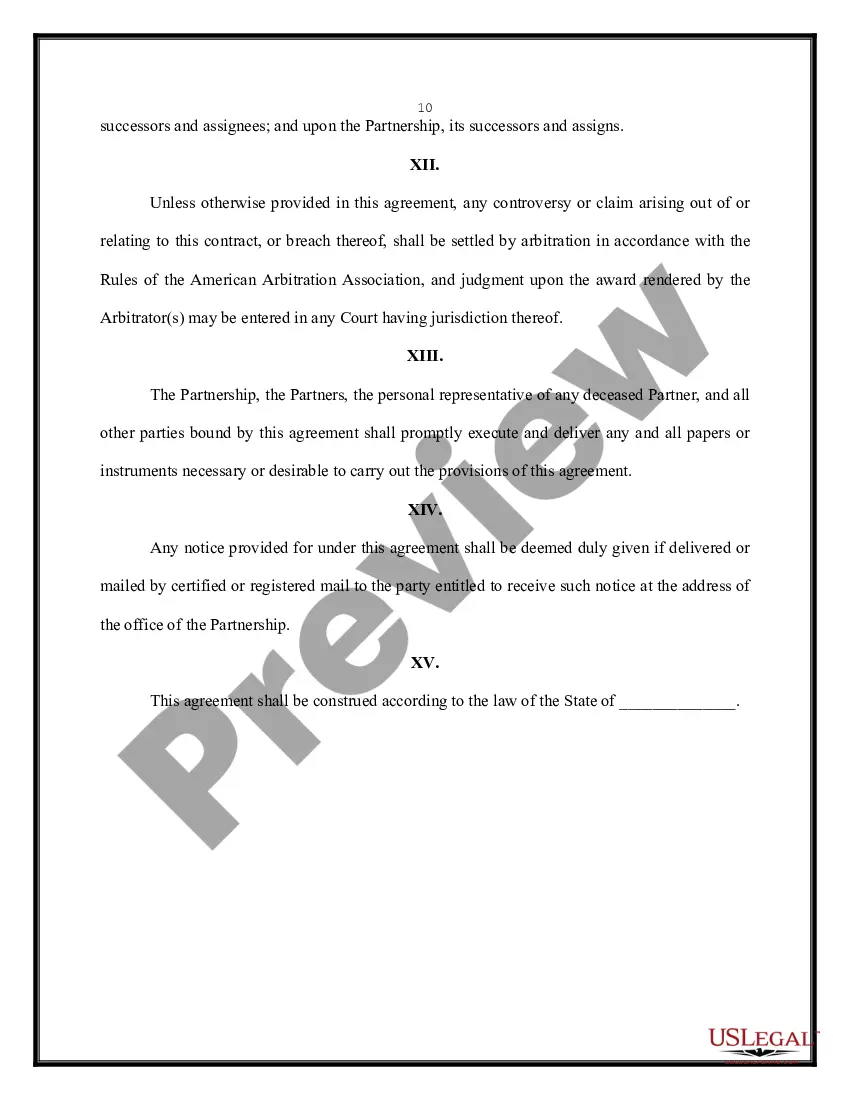


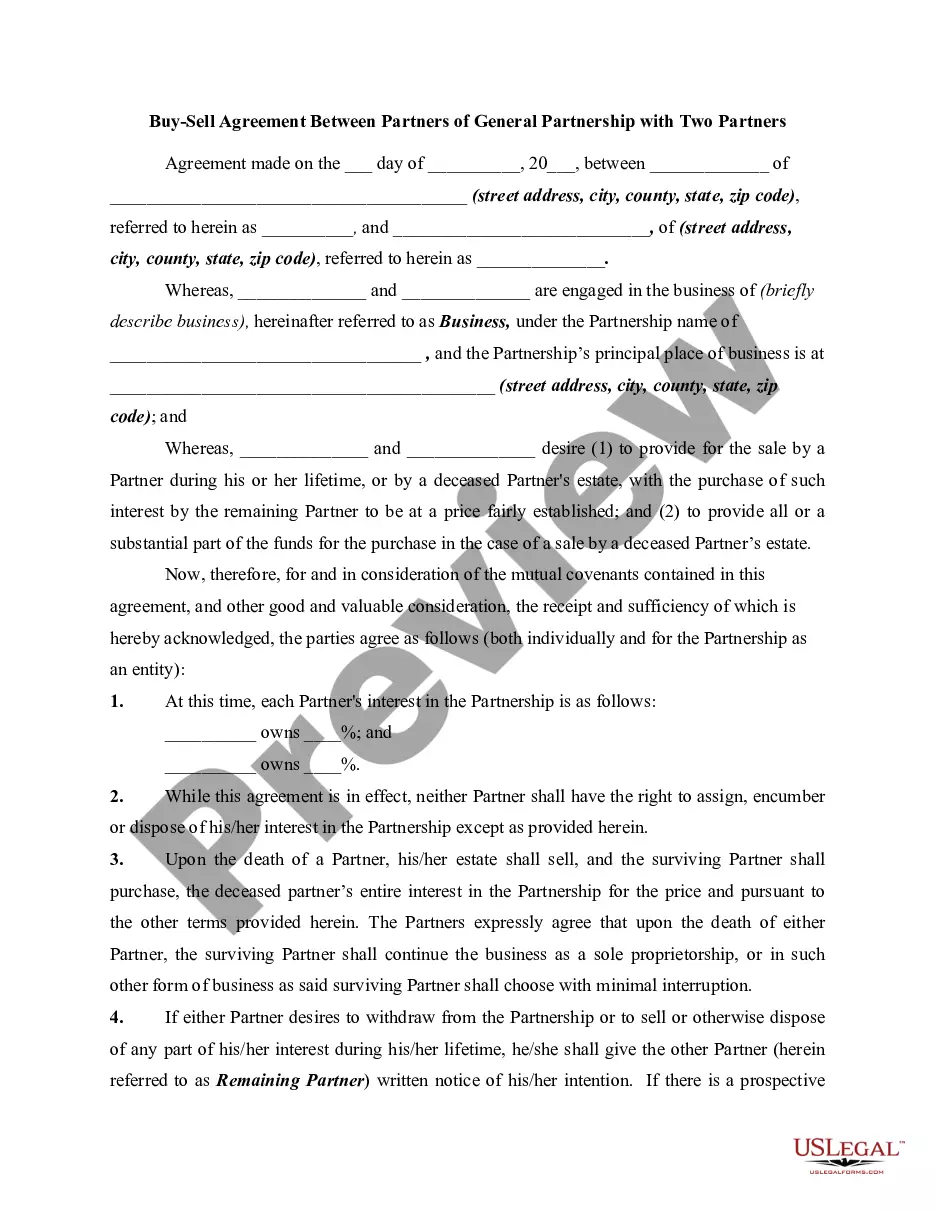
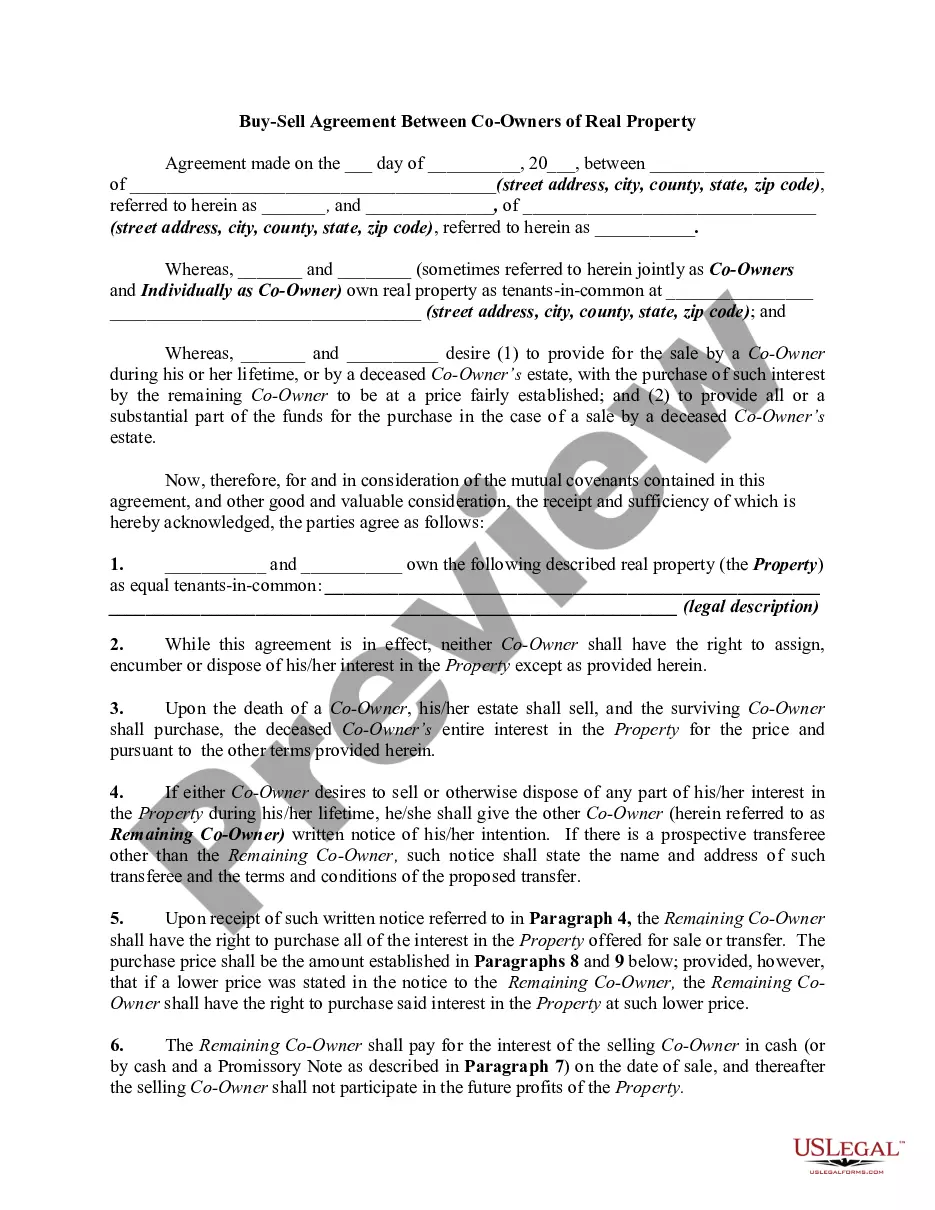
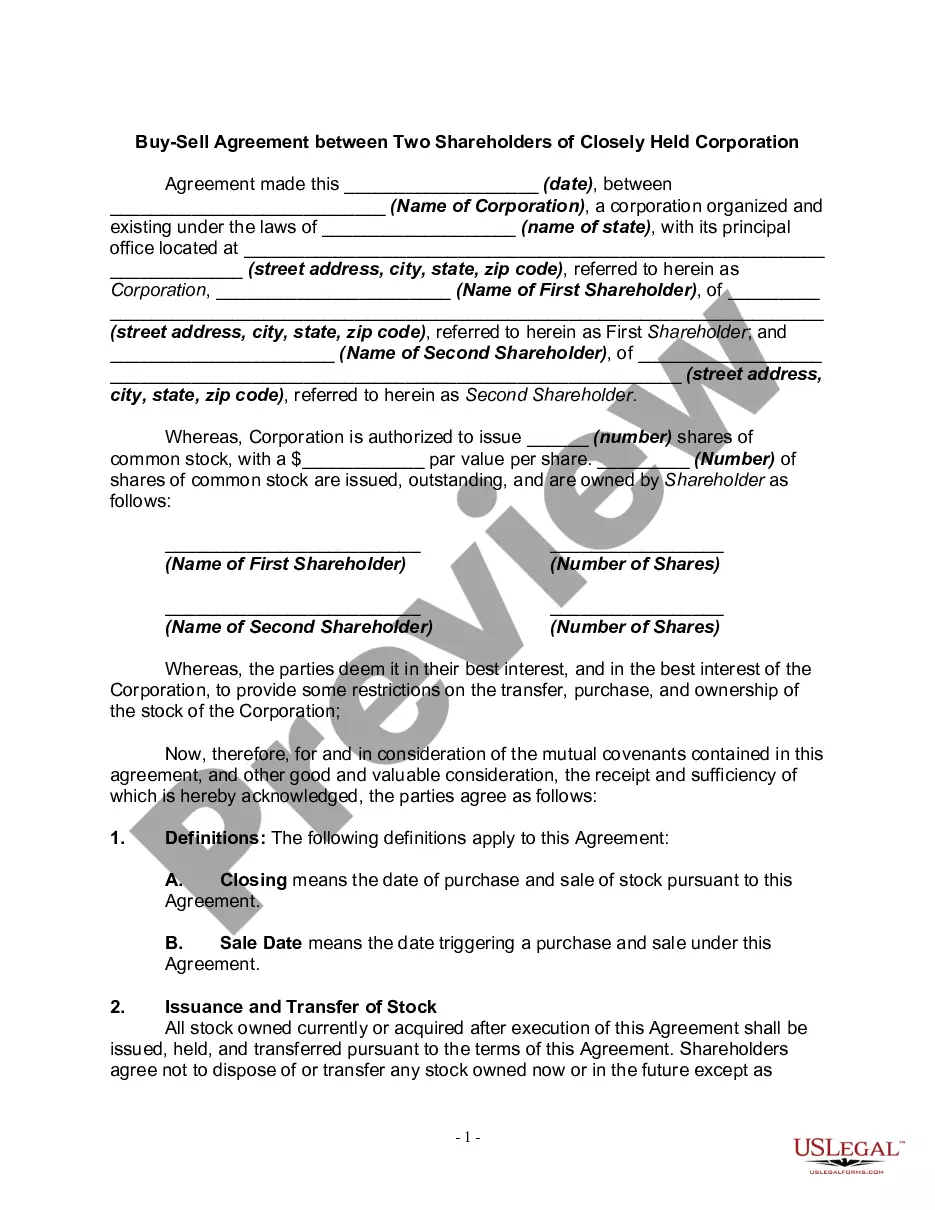
Get your form ready online
Our built-in tools help you complete, sign, share, and store your documents in one place.
Make edits, fill in missing information, and update formatting in US Legal Forms—just like you would in MS Word.
Download a copy, print it, send it by email, or mail it via USPS—whatever works best for your next step.
Sign and collect signatures with our SignNow integration. Send to multiple recipients, set reminders, and more. Go Premium to unlock E-Sign.
If this form requires notarization, complete it online through a secure video call—no need to meet a notary in person or wait for an appointment.
We protect your documents and personal data by following strict security and privacy standards.

Make edits, fill in missing information, and update formatting in US Legal Forms—just like you would in MS Word.

Download a copy, print it, send it by email, or mail it via USPS—whatever works best for your next step.

Sign and collect signatures with our SignNow integration. Send to multiple recipients, set reminders, and more. Go Premium to unlock E-Sign.

If this form requires notarization, complete it online through a secure video call—no need to meet a notary in person or wait for an appointment.

We protect your documents and personal data by following strict security and privacy standards.
Looking for another form?










Form popularity
FAQ
Utah has a 4.55 percent corporate income tax rate. Utah also has a 6.10 percent state sales tax rate and an average combined state and local sales tax rate of 7.25 percent. Utah has a 0.47 percent effective property tax rate on owner-occupied housing value.
To submit the TC-65 form, ensure all fields are accurately filled out and signed. You can submit electronically through the Utah Tax Commission's e-filing portal or mail the completed form to the provided address: Utah State Tax Commission, 210 North 1950 West, Salt Lake City, Utah 84134.
Currently, combined sales tax rates in Utah range from 4.7 percent to 8.7 percent, depending on the location of the sale. As a business owner selling taxable goods or services, you act as an agent of the state of Utah by collecting tax from purchasers and passing it along to the appropriate tax authority.
Types of partnerships: Liability & tax considerations In Utah, partnerships are generally taxed as pass-through entities, meaning the profit and losses from the businesses pass directly into the partners' personal incomes. Utah does require a yearly partnership return from each partnership within the state.
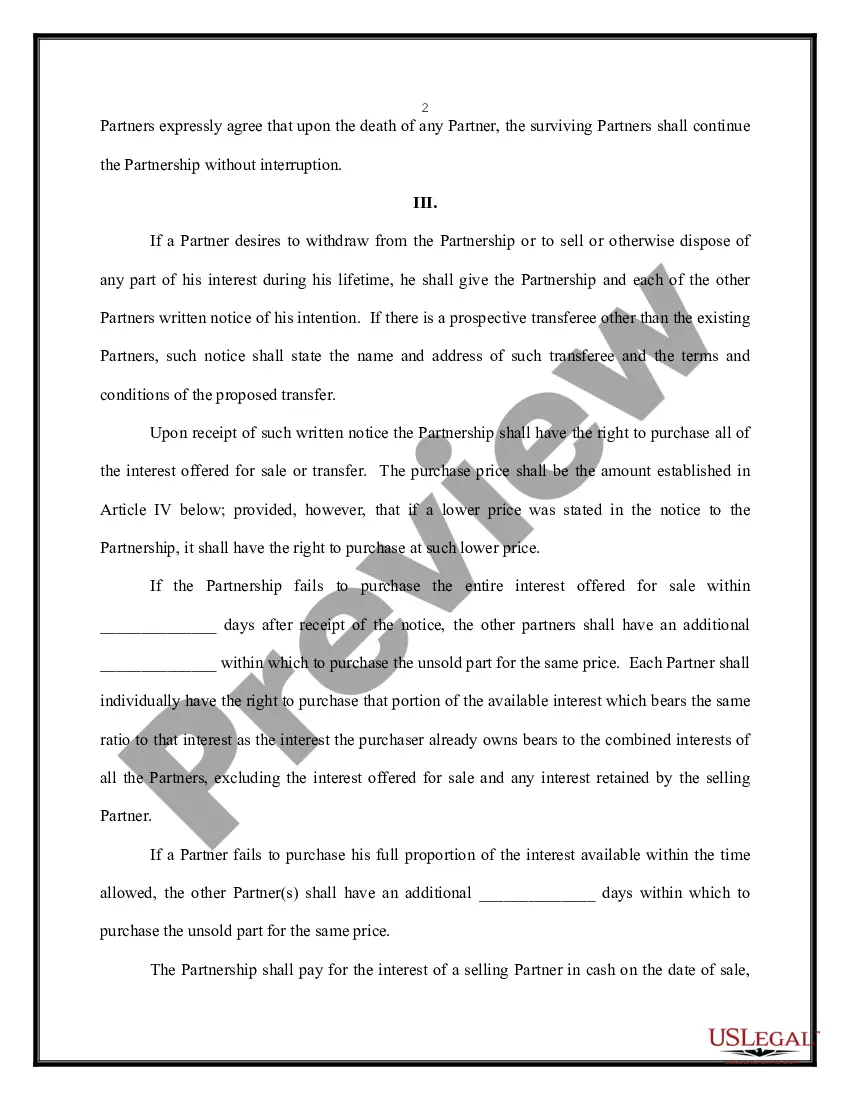
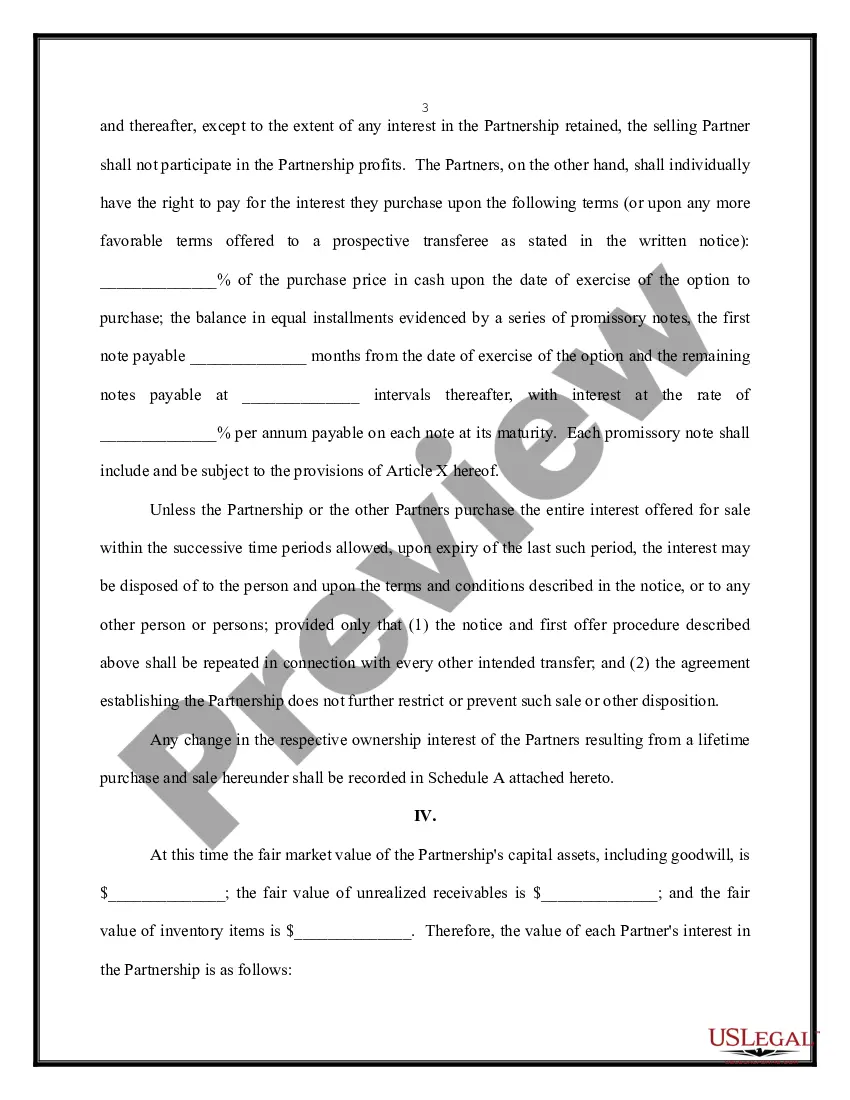
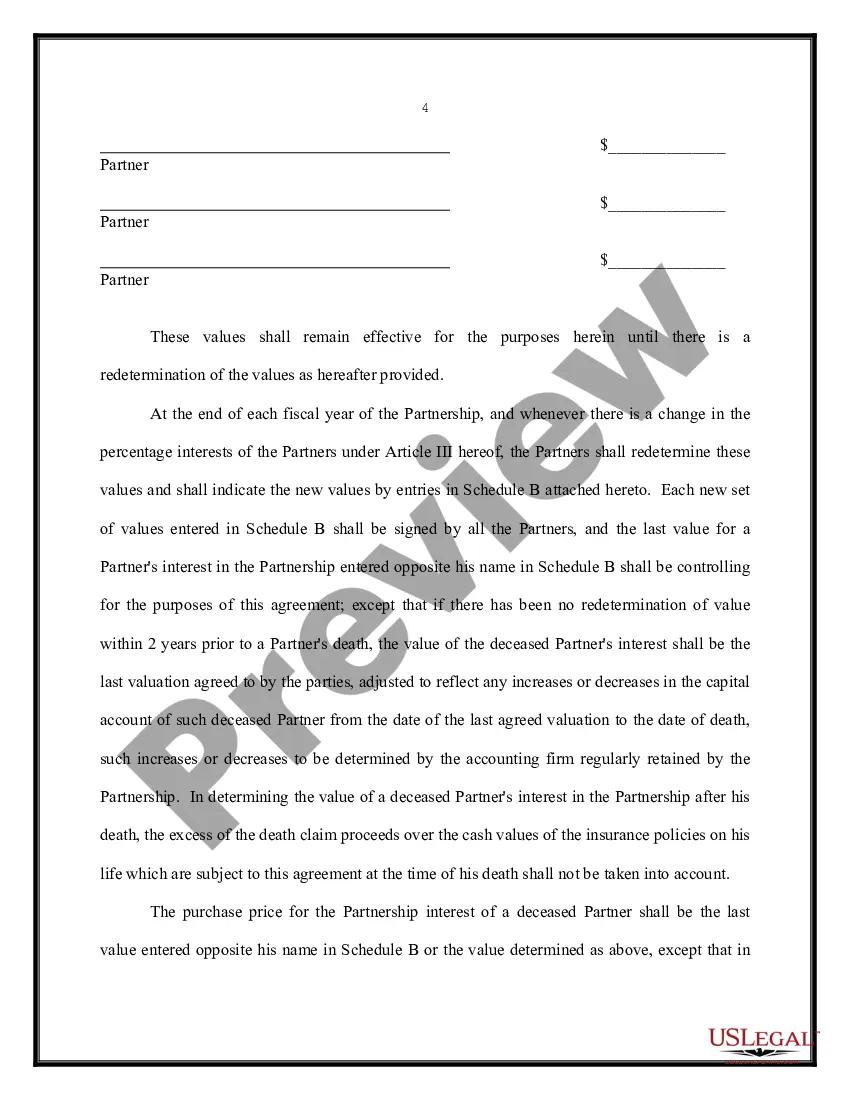
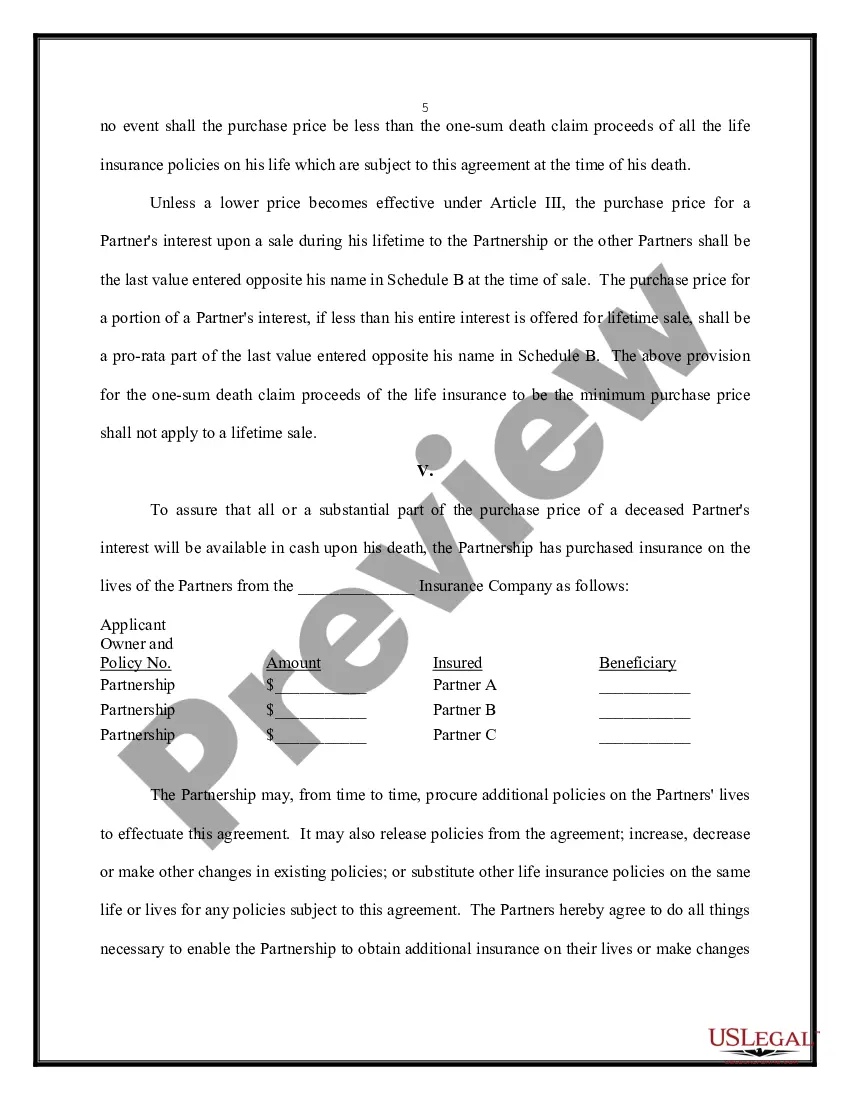
The Partnership Buyout Agreement Your path to an ownership sale will be simpler if you created a clear and thorough partnership buyout agreement when you started your company. The agreement should discuss what might lead to one of the partners wanting to sell her share and state the terms and timing that would apply.
Strategies to Convince Someone: Share Personal Stories: Use anecdotes from your own life or from people you know who have benefited from long-term relationships. Discuss Research: Present studies or statistics that highlight the benefits of long-term partnerships.
Amazon, the colossus of online retail, has millions of customers and merchants using its digital marketplace. The brand partnered with American Express to develop a one-of-its-kind co-branded credit card to help small companies sell more effectively through its platform.
Essentially, partners share in the profits and the debts of the daily workings of the business. Because of that, when one partner wants to sell, they cannot sell the entire business. They can only sell their assets – i.e., their share of the partnership.
To give your business S Corp tax status, you complete Form 2553 with the Internal Revenue Service (IRS). If you start your business as a Utah LLC, you have to complete Form 8832 to elect corporation status before you can begin filing Form 2553 to elect S Corp status.
