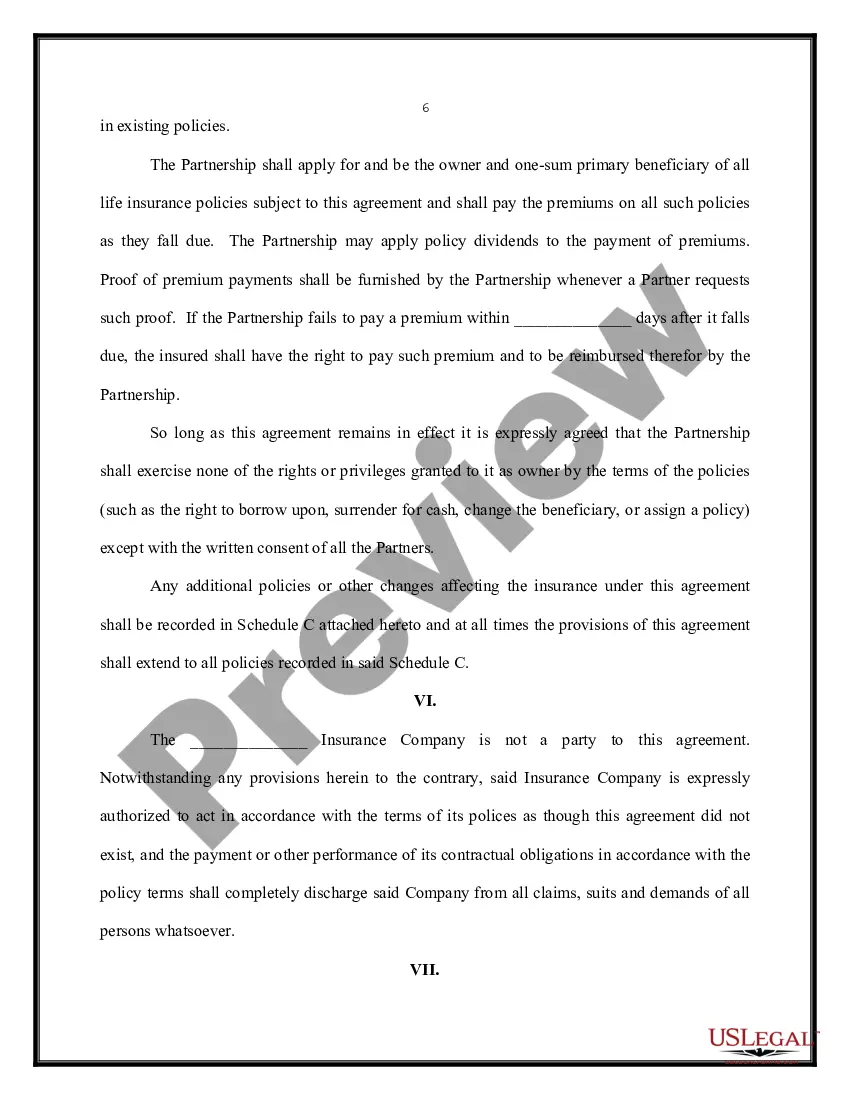
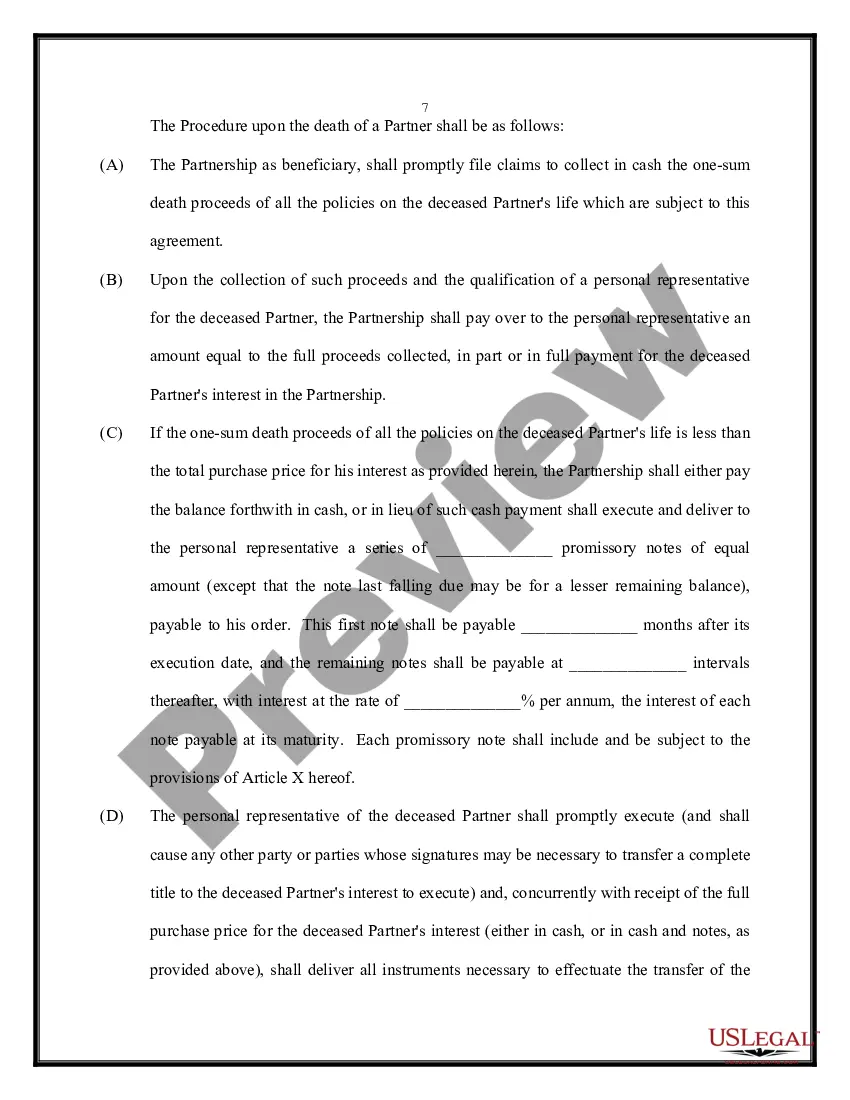
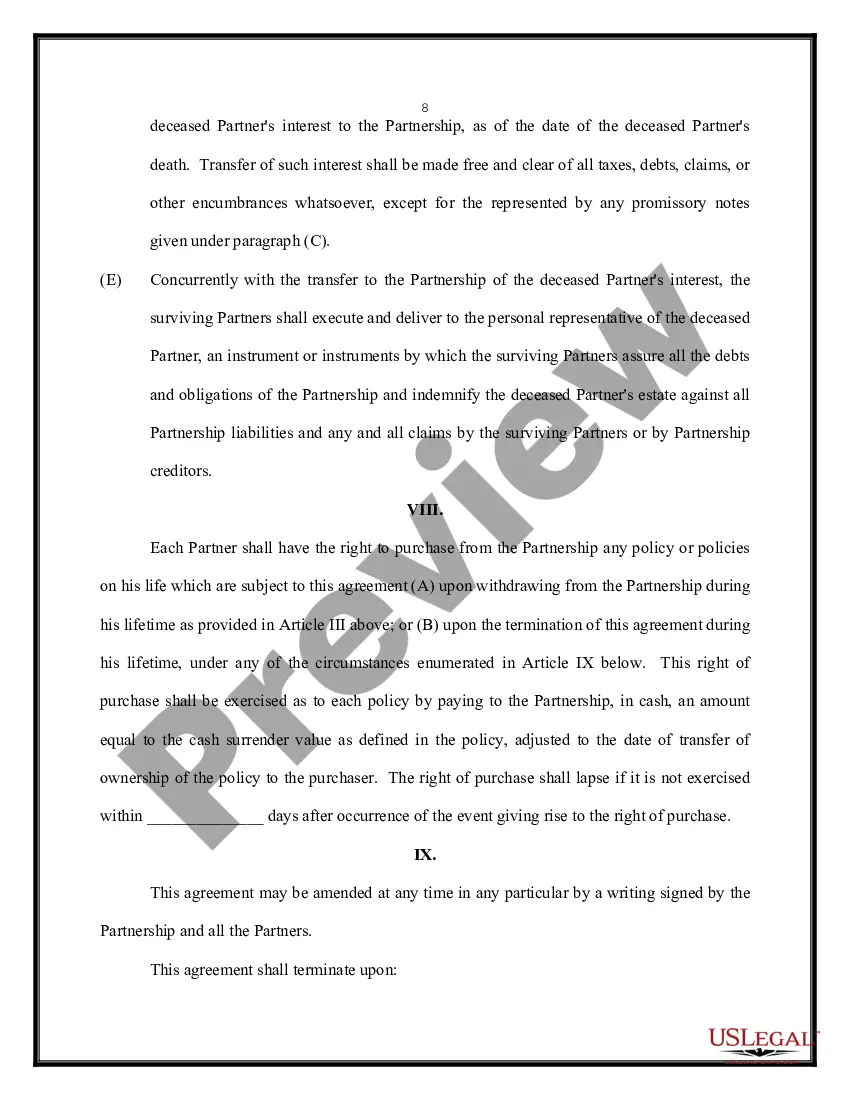
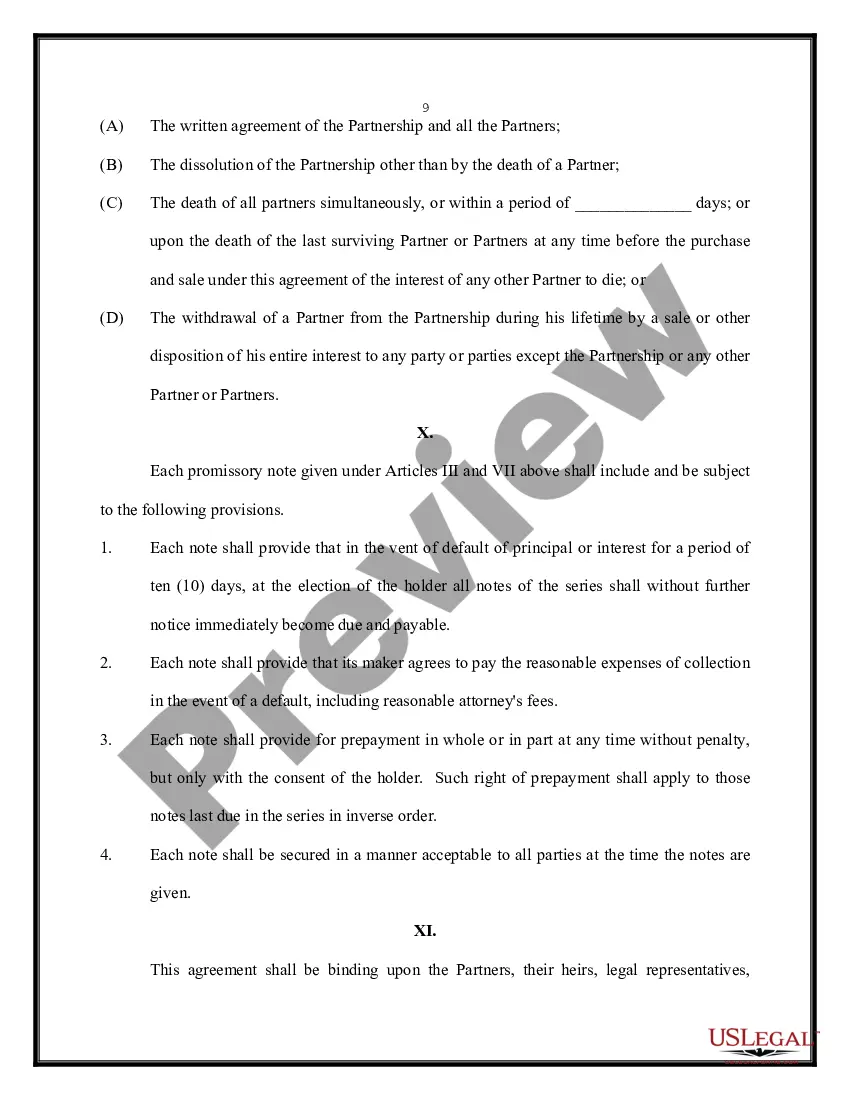
Agreement Between Partnership For Restaurant Business In Riverside
Description

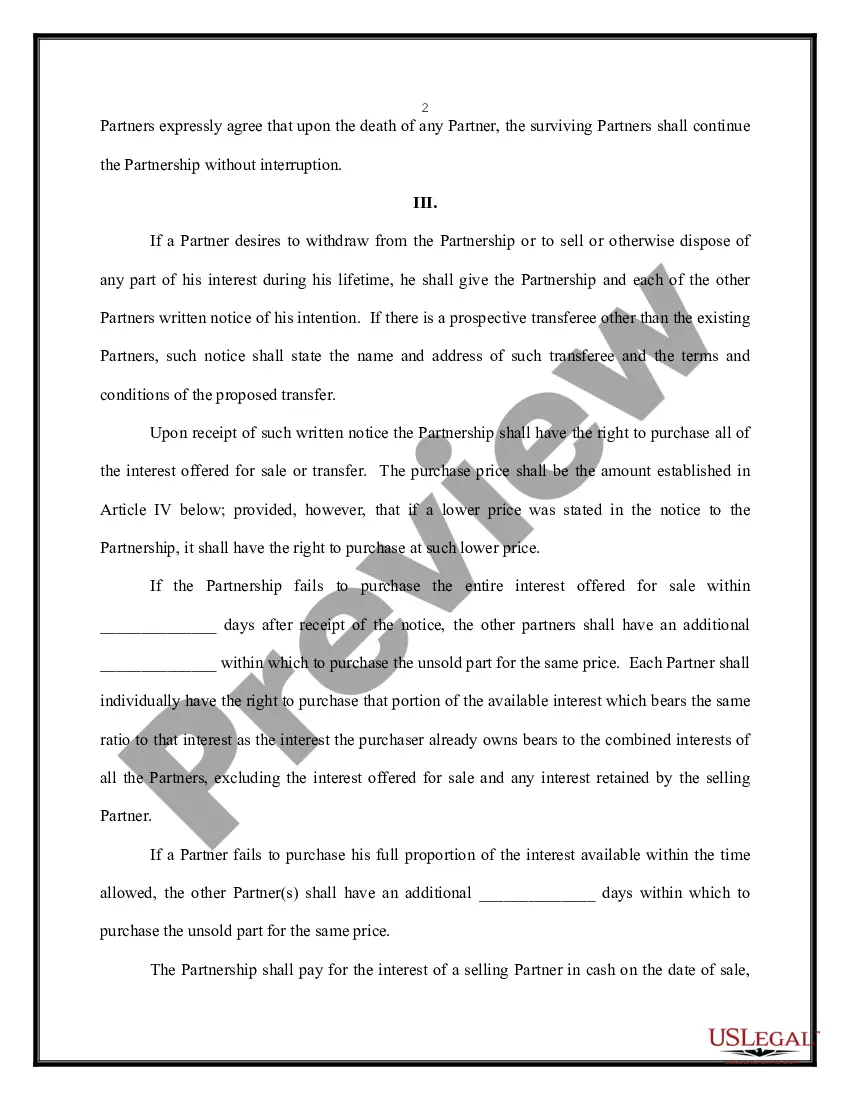
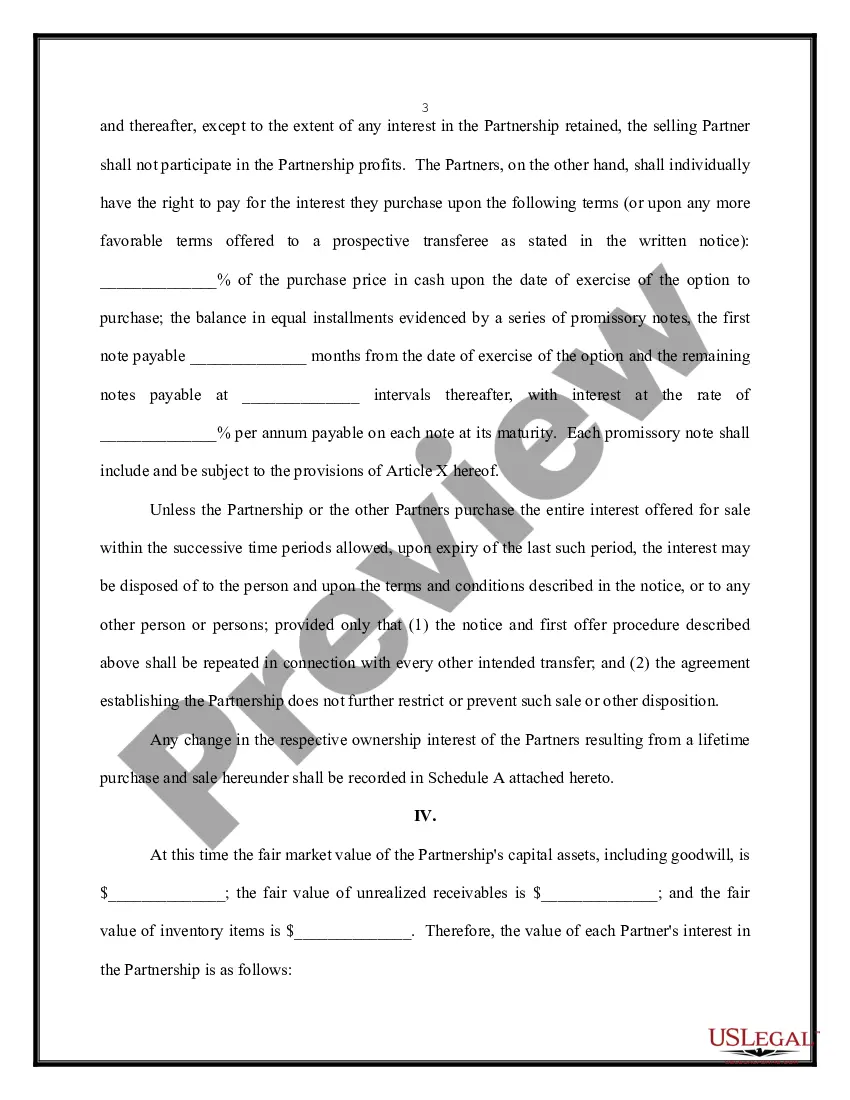
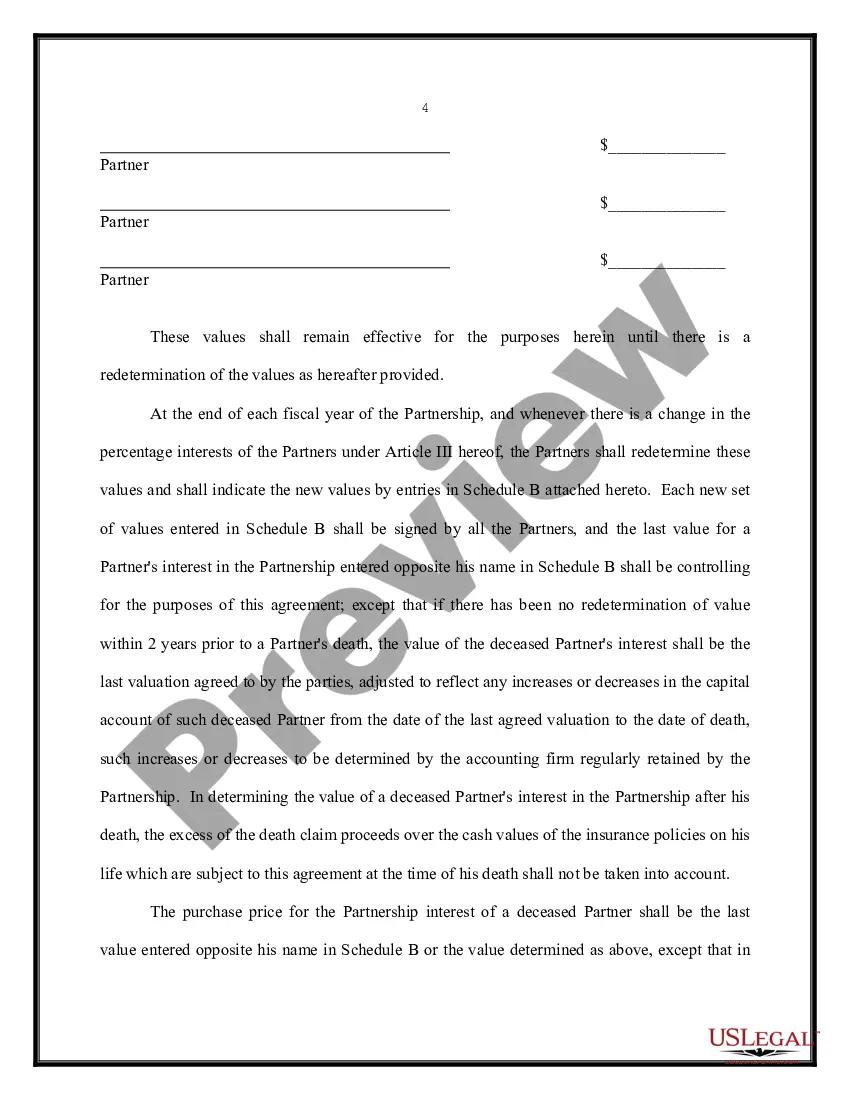
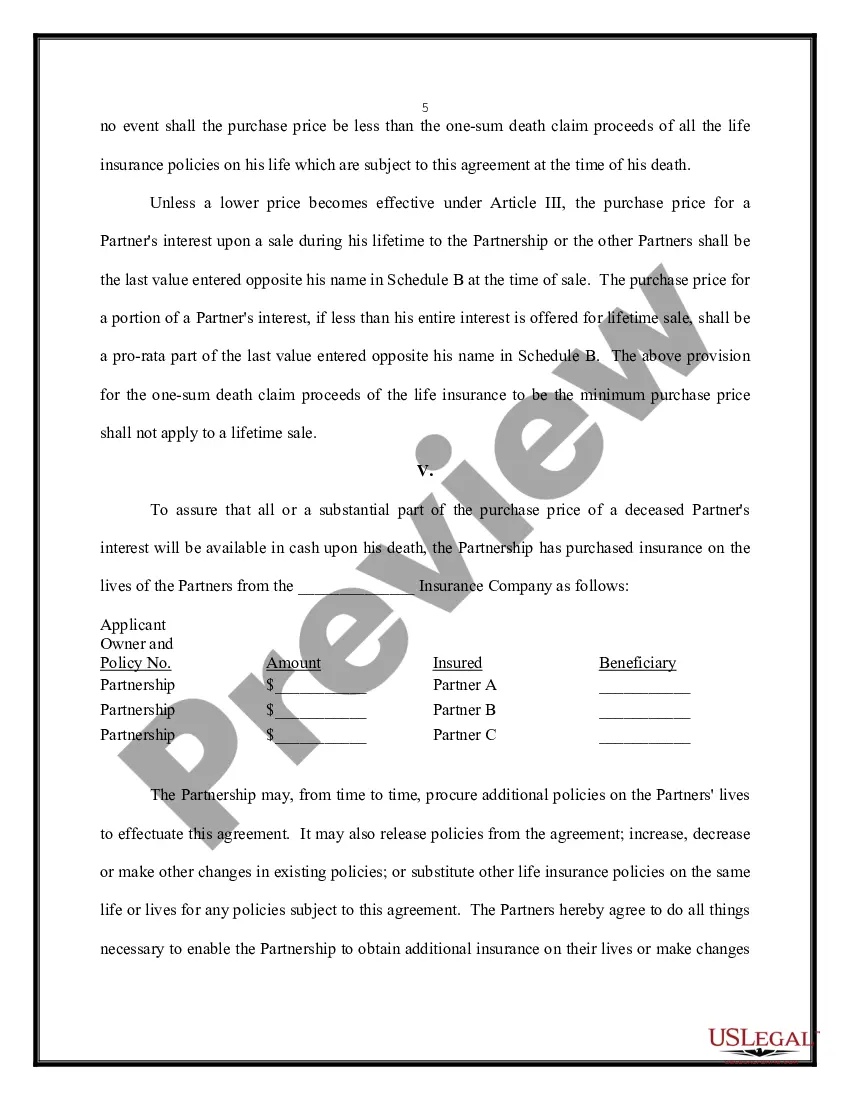


Get your form ready online
Our built-in tools help you complete, sign, share, and store your documents in one place.
Make edits, fill in missing information, and update formatting in US Legal Forms—just like you would in MS Word.
Download a copy, print it, send it by email, or mail it via USPS—whatever works best for your next step.
Sign and collect signatures with our SignNow integration. Send to multiple recipients, set reminders, and more. Go Premium to unlock E-Sign.
If this form requires notarization, complete it online through a secure video call—no need to meet a notary in person or wait for an appointment.
We protect your documents and personal data by following strict security and privacy standards.

Make edits, fill in missing information, and update formatting in US Legal Forms—just like you would in MS Word.

Download a copy, print it, send it by email, or mail it via USPS—whatever works best for your next step.

Sign and collect signatures with our SignNow integration. Send to multiple recipients, set reminders, and more. Go Premium to unlock E-Sign.

If this form requires notarization, complete it online through a secure video call—no need to meet a notary in person or wait for an appointment.

We protect your documents and personal data by following strict security and privacy standards.
Looking for another form?
Form popularity
FAQ
By joining forces, restaurants can tap into each other's clientele, introducing their brand to potential customers who might otherwise remain unaware of their offerings. This can lead to a significant increase in foot traffic and sales. Moreover, leveraging combined marketing efforts can be a game-changer.
How do I create a Partnership Agreement? Provide partnership details. Start by specifying the industry you're in and what type of business you'll run. Detail the capital contributions of each partner. Outline management responsibilities. Prepare for accounting. Add final details.
4 Tips for Finding the Right Partnership for Your Restaurant Define Your Goals. Choose the Right Type of Partner. Leverage Networking and Social Media. Deep Dive Into Potential Partners' History and Experience.
Tips for becoming business partners Research your potential business partner. Ask for references. Take a personality test. Conduct a trial run. Hire a lawyer. Secure an exit strategy. Protect your interests. Make sure the business stands on its own.
The parties hereto hereby form a Partnership under the name and style of _______________________________________________ (hereafter referred to as "the Partnership") to own real property, develop real property, and thereafter to manage, operate, develop, mortgage, lease or sell real property and do all other lawful ...
The first thing to do when seeking to put a Partnership Agreement in place is to enlist the help of an experienced business law solicitor. They will be able to help clarify what exactly needs to go into the document and draft it in line with your best interests.
How to Write a Partnership Agreement Define Partnership Structure. Outline Capital Contributions and Ownership. Detail Profit, Loss, and Distribution Arrangements. Set Decision-Making and Management Protocols. Plan for Changes and Contingencies. Include Legal Provisions and Finalize the Agreement.
How to draft a contract in 13 simple steps Start with a contract template. Understand the purpose and requirements. Identify all parties involved. Outline key terms and conditions. Define deliverables and milestones. Establish payment terms. Add termination conditions. Incorporate dispute resolution.
