Partnership Selling Examples In Philadelphia
Description

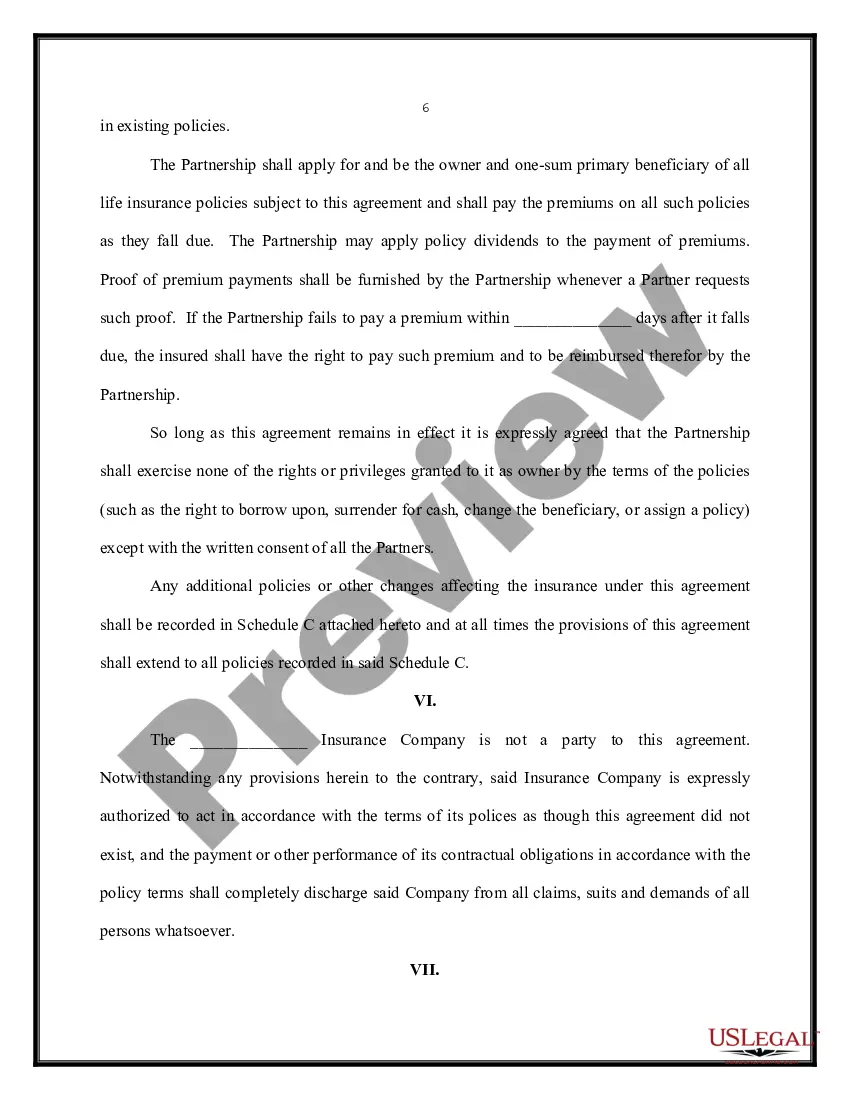
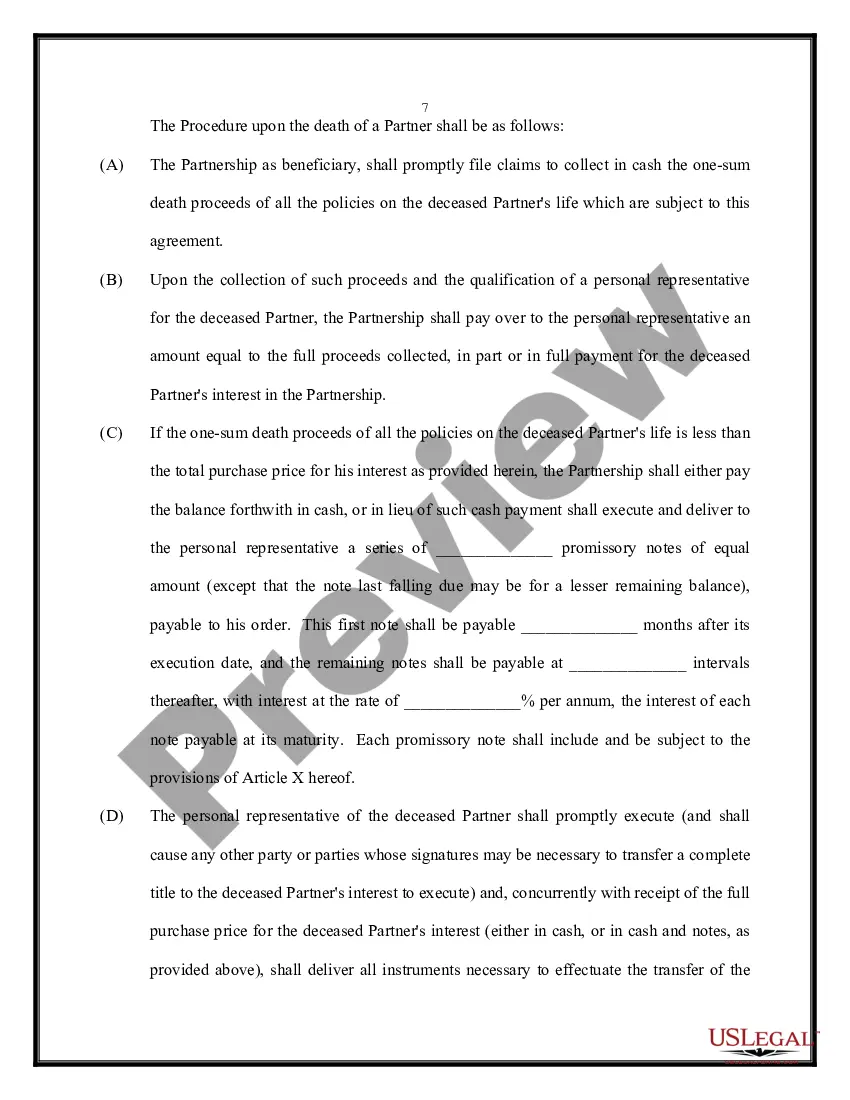
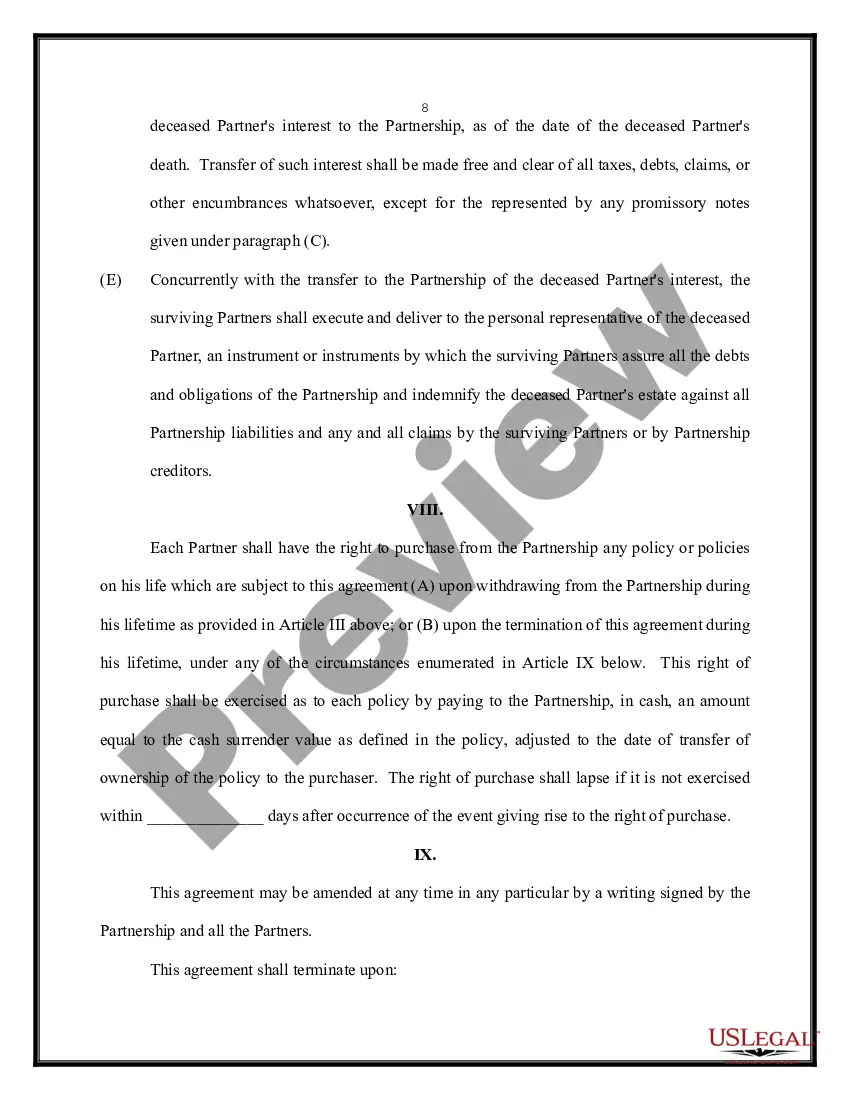
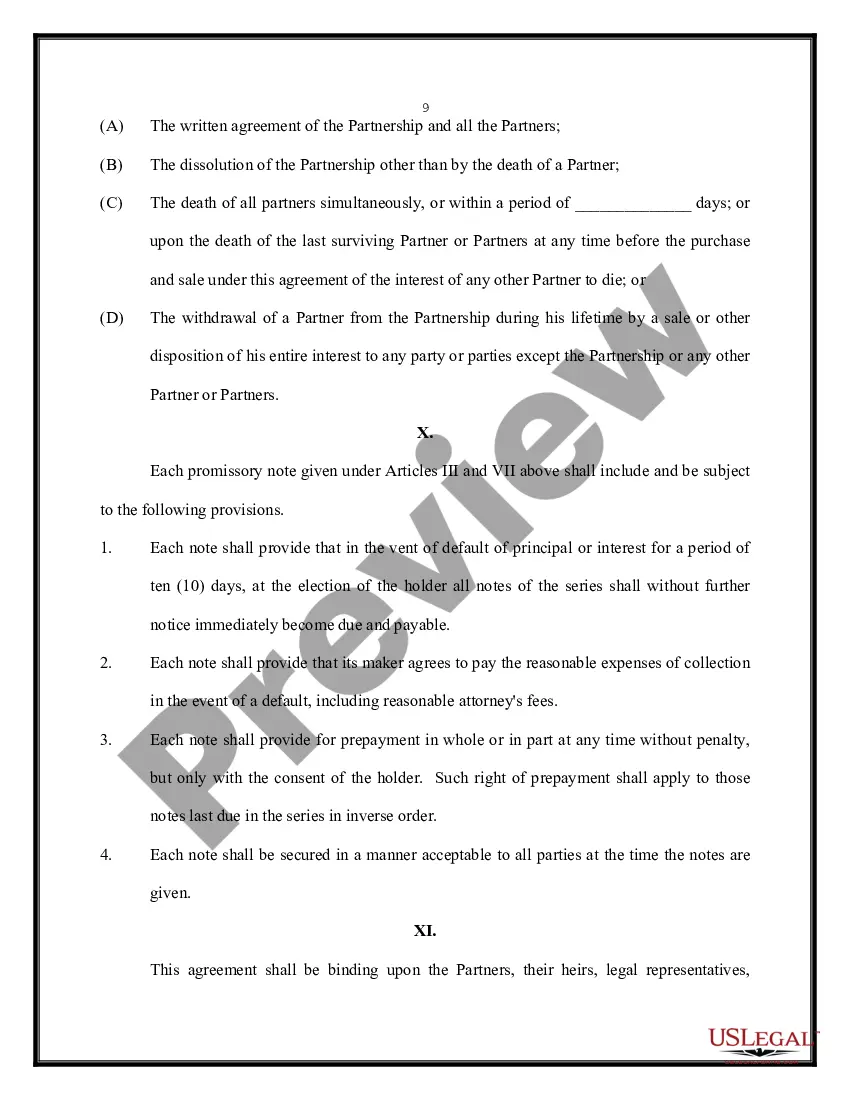


Get your form ready online
Our built-in tools help you complete, sign, share, and store your documents in one place.
Make edits, fill in missing information, and update formatting in US Legal Forms—just like you would in MS Word.
Download a copy, print it, send it by email, or mail it via USPS—whatever works best for your next step.
Sign and collect signatures with our SignNow integration. Send to multiple recipients, set reminders, and more. Go Premium to unlock E-Sign.
If this form requires notarization, complete it online through a secure video call—no need to meet a notary in person or wait for an appointment.
We protect your documents and personal data by following strict security and privacy standards.

Make edits, fill in missing information, and update formatting in US Legal Forms—just like you would in MS Word.

Download a copy, print it, send it by email, or mail it via USPS—whatever works best for your next step.

Sign and collect signatures with our SignNow integration. Send to multiple recipients, set reminders, and more. Go Premium to unlock E-Sign.

If this form requires notarization, complete it online through a secure video call—no need to meet a notary in person or wait for an appointment.

We protect your documents and personal data by following strict security and privacy standards.
Looking for another form?










Form popularity
FAQ
The Net Profits Tax (NPT) is imposed on the net profits from the operation of a trade, business, profession, enterprise, or other activity by: Philadelphia residents, even if their business is conducted outside of Philadelphia. Non-residents who conduct business in Philadelphia.
Taxable Income Calculation: NPT is levied on the net profits derived from business activities within the city. In 2023, the tax rates are 3.75% for residents and 3.44% for non-residents. Filing Requirements: Taxpayers who have businesses in Philadelphia must file a return even if a loss is incurred.
Filing Requirements – Partnership A partnership must file a PA-20S/PA-65 Information Return to report the income, deductions, gains, losses etc. from their operations. The partnership passes through any profits (losses) to the resident and nonresident partners.
Shareholders of Pennsylvania S Corporations, partners of a partnership and members of an LLC taxed as a partnership or S corporation include their shares of income, loss and credit on their personal income tax returns and are taxed at the personal income tax rate, 3.07%.
The amount of Real Estate Tax you owe is determined by the value of your property, as assessed by the Office of Property Assessment (OPA). If you disagree with your property assessment, you can file an appeal with the Board of Revision of Taxes (BRT).
Tax rates, penalties, & fees The current rates for the Business Income & Receipts Tax (BIRT) are 1.415 mills ($1.415 per $1,000) on gross receipts, and 5.99% on taxable net income. The BIRT is based on both gross receipts and net income. Both parts must be filed.
The wage tax, which is typically withheld from workers' paychecks, applies to all Philadelphians, regardless of where they work, and to all nonresidents who work in the city. The current rates are 3.75% for residents and 3.44% for nonresidents.
Businesses with $100,000 in Philadelphia taxable gross receipts or less are not required to file the Business Income & Receipts Tax (BIRT) return.
Start with a basic agreement on roles, responsibilities and control. Then, plan to hash out other issues as they arise over time, she said. If you're adding a partner because he or she offers something you lack, make that clear. Spell out your long-term goals as well to make sure you're on the same page.
A partnership can be formed by two, or a combination of natural person and a legal entity (companies or closed corporations). To make the process easy, a partnership agreement can be signed. Although it can be comprised of a legal entity, a partnership is never a separate legal entity.
