Buy Sell Agreement Purchase With Multiple Partners In Nassau
Description

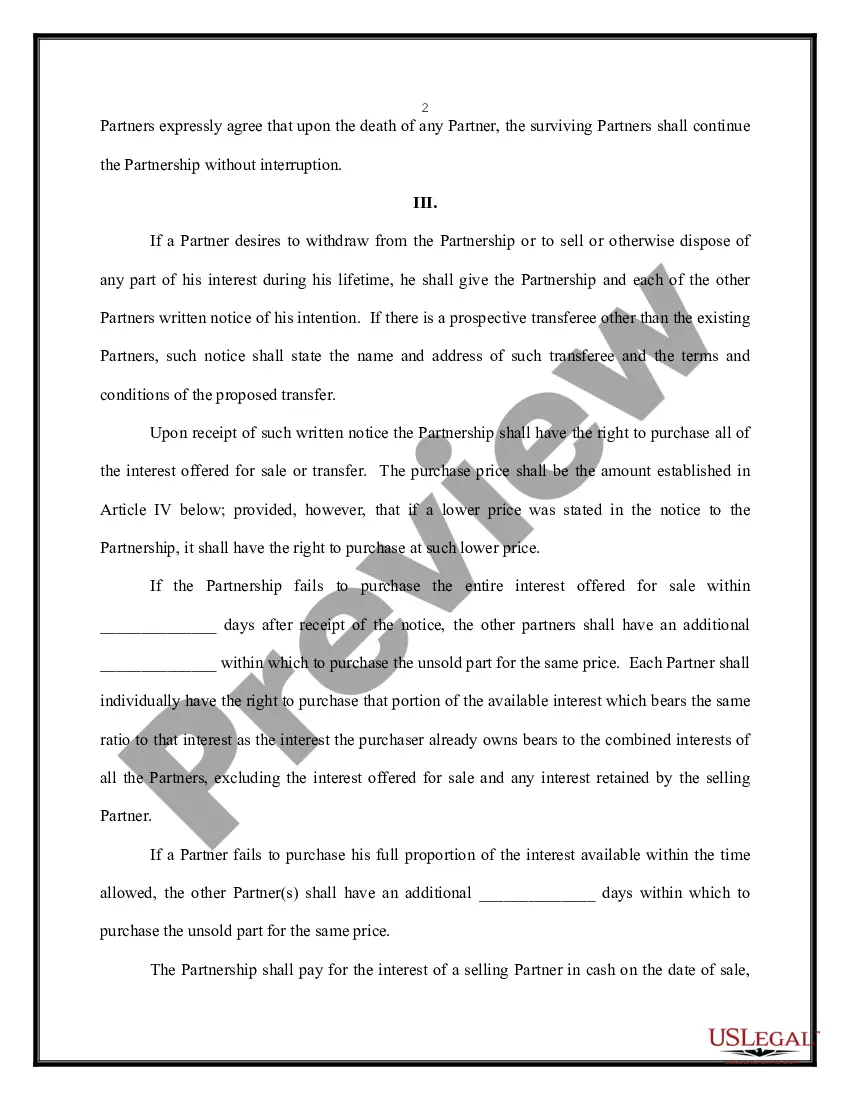
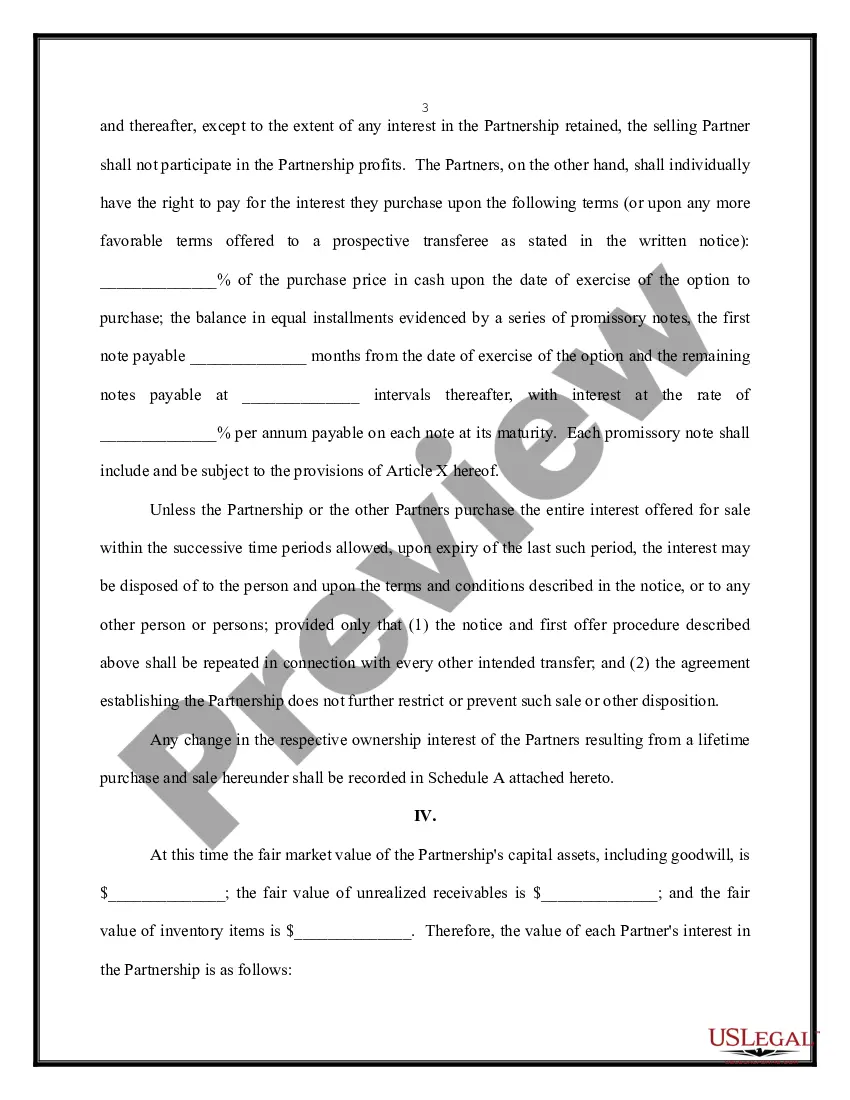
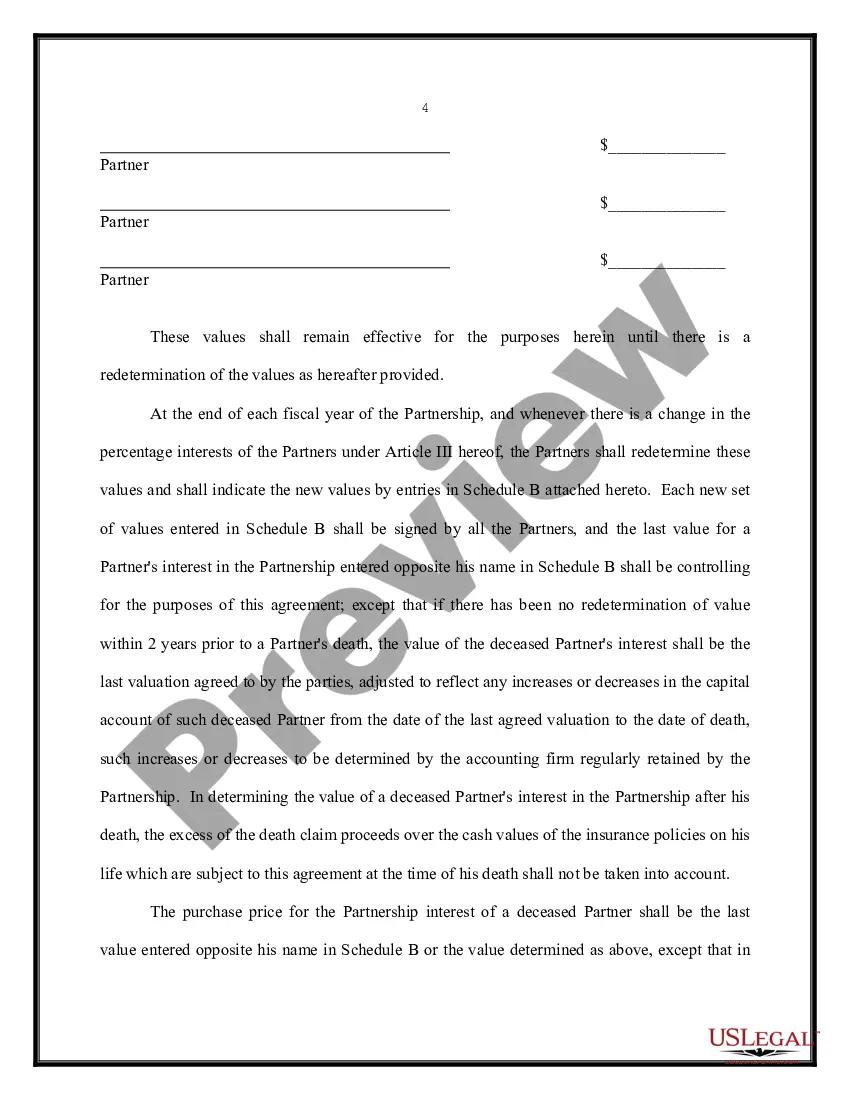
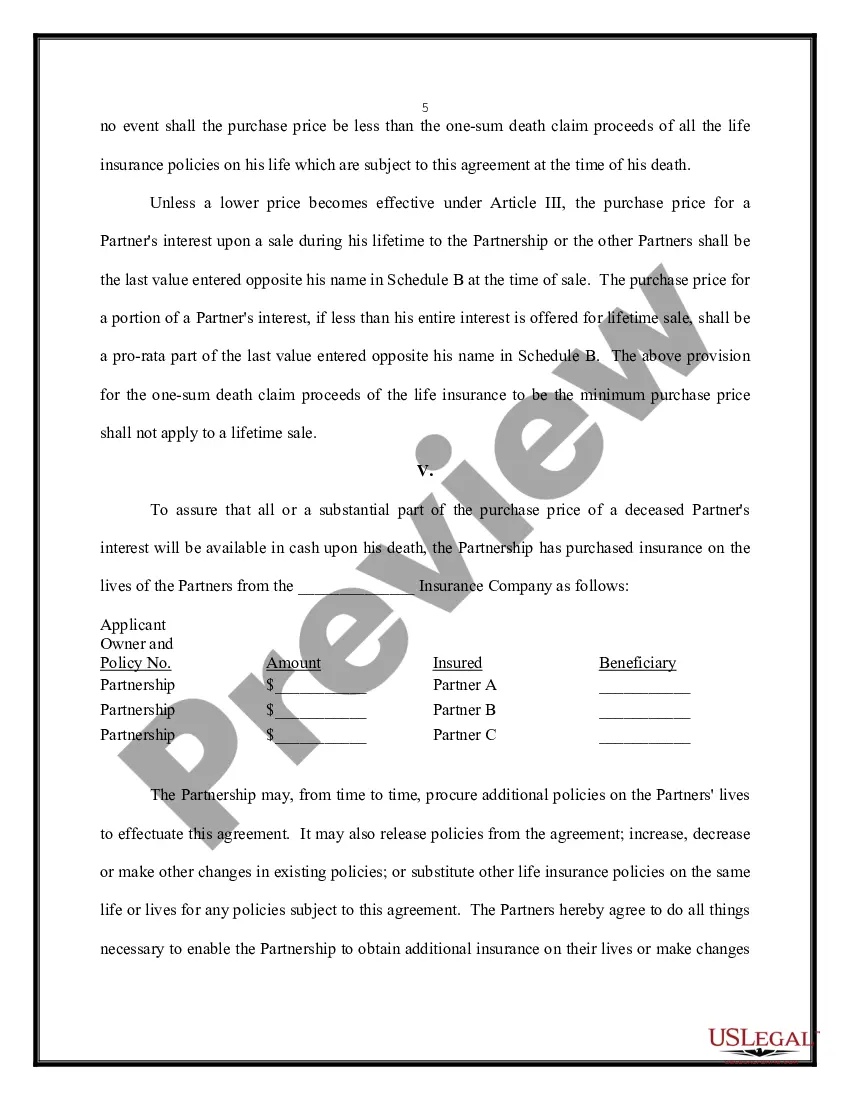
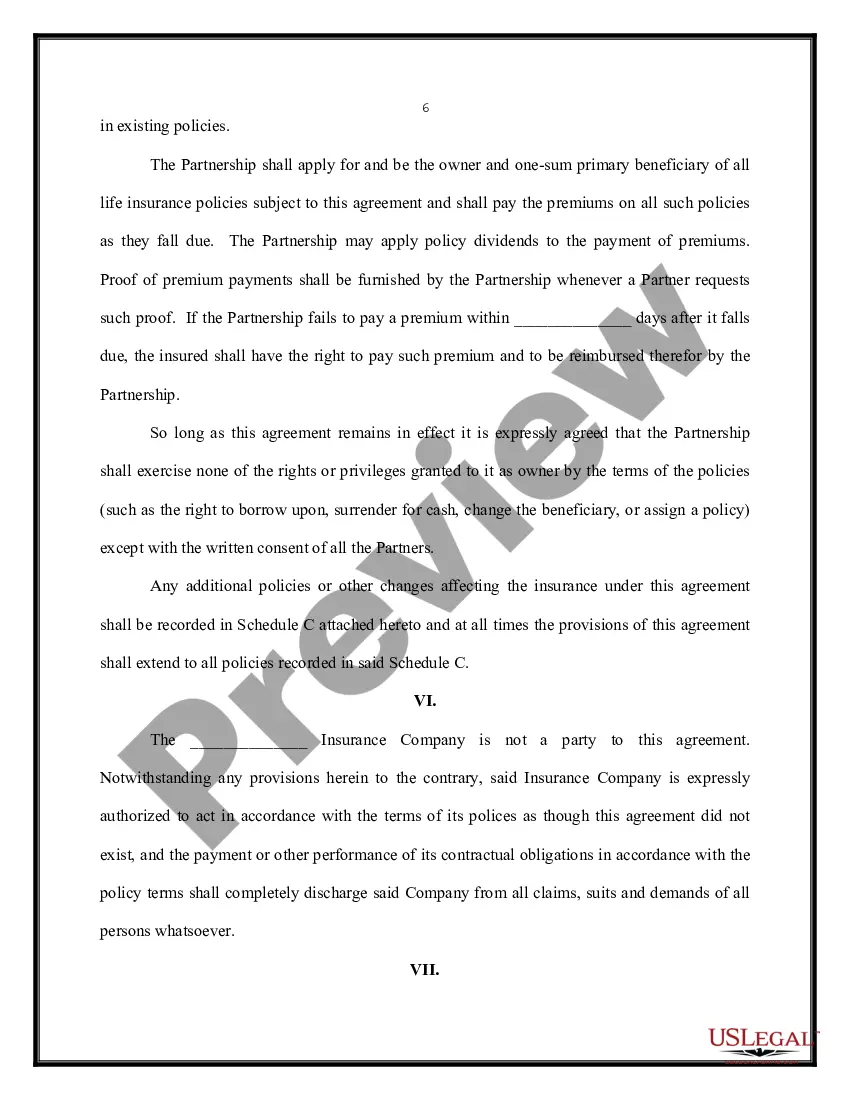
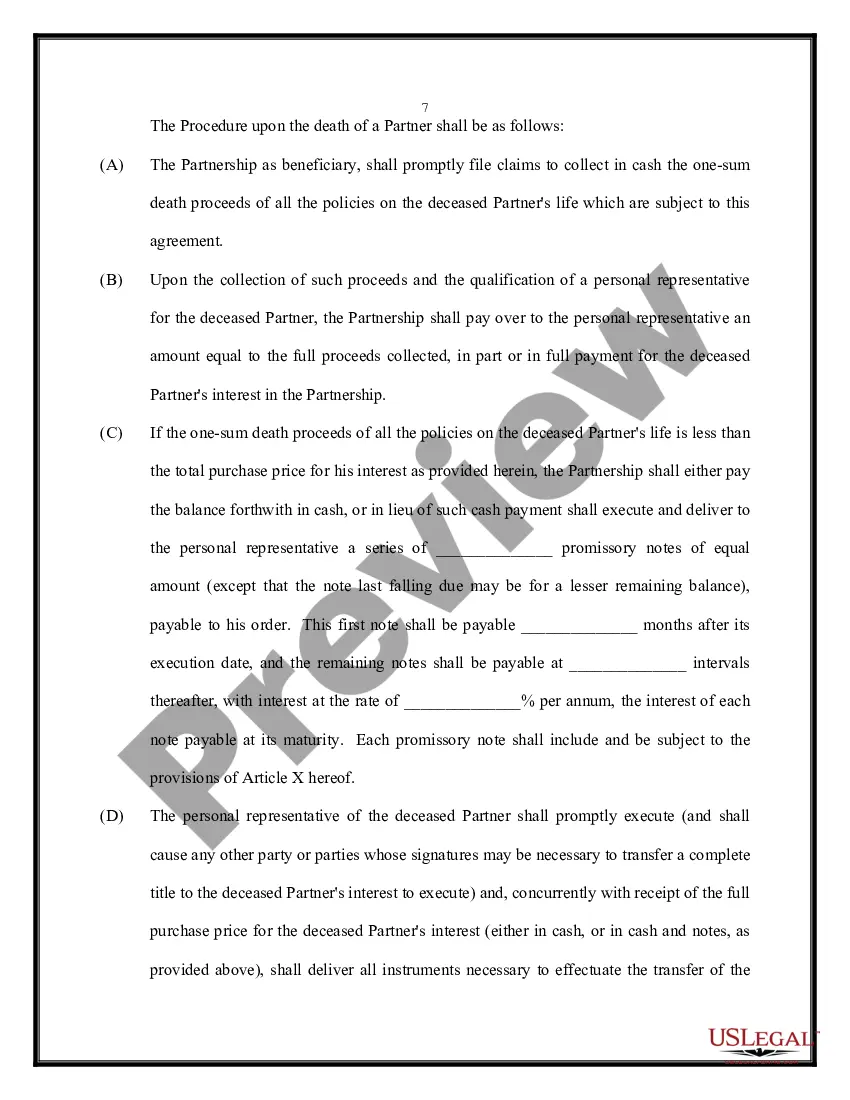
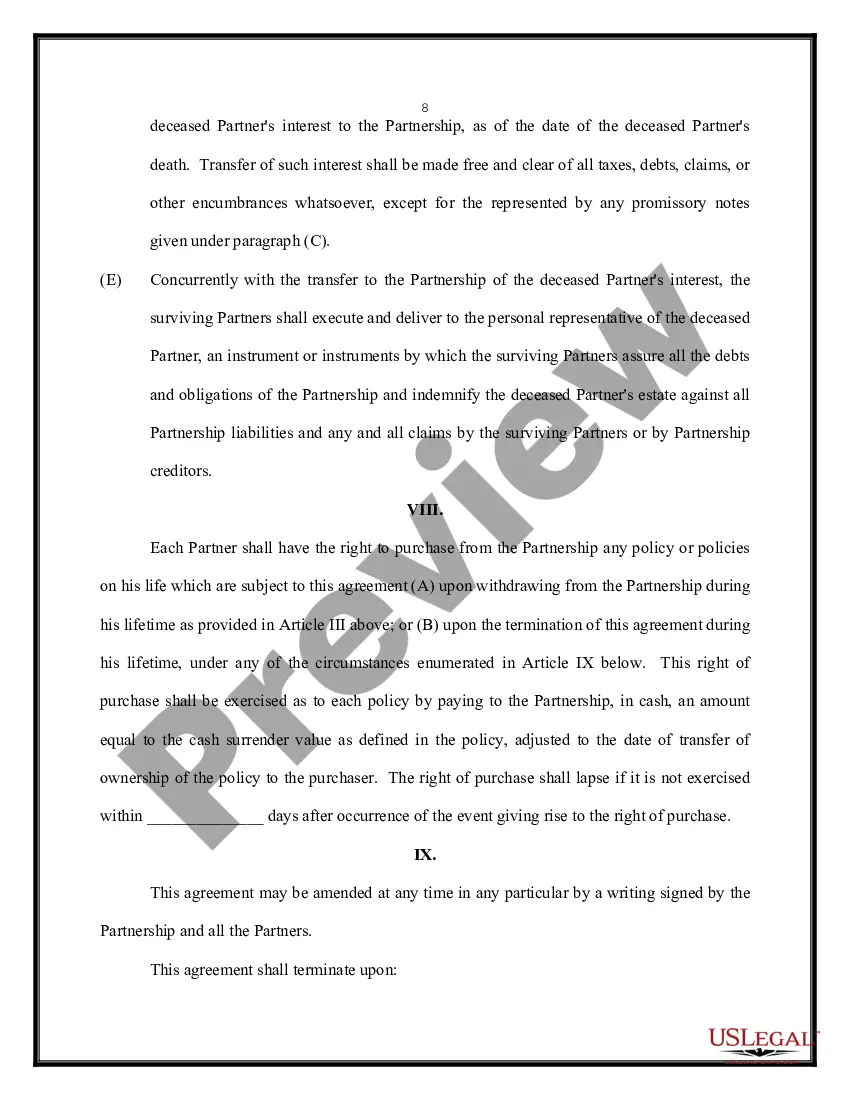
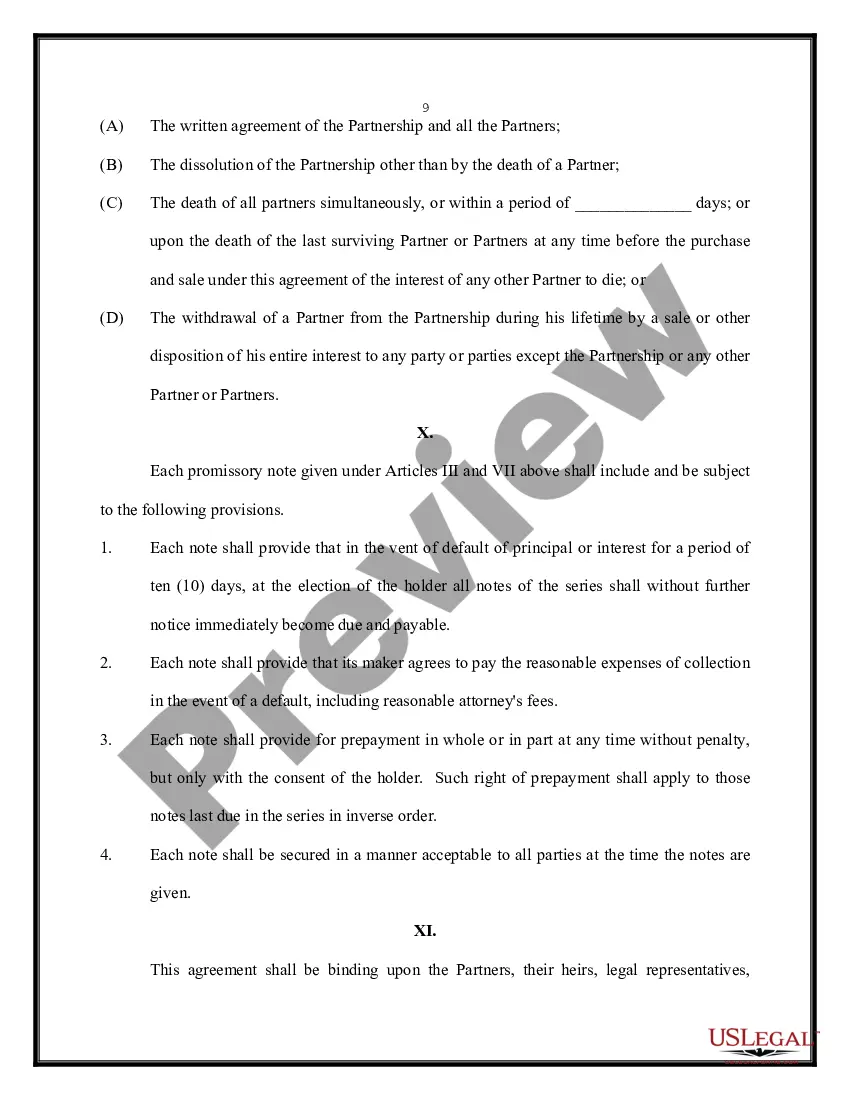


Get your form ready online
Our built-in tools help you complete, sign, share, and store your documents in one place.
Make edits, fill in missing information, and update formatting in US Legal Forms—just like you would in MS Word.
Download a copy, print it, send it by email, or mail it via USPS—whatever works best for your next step.
Sign and collect signatures with our SignNow integration. Send to multiple recipients, set reminders, and more. Go Premium to unlock E-Sign.
If this form requires notarization, complete it online through a secure video call—no need to meet a notary in person or wait for an appointment.
We protect your documents and personal data by following strict security and privacy standards.

Make edits, fill in missing information, and update formatting in US Legal Forms—just like you would in MS Word.

Download a copy, print it, send it by email, or mail it via USPS—whatever works best for your next step.

Sign and collect signatures with our SignNow integration. Send to multiple recipients, set reminders, and more. Go Premium to unlock E-Sign.

If this form requires notarization, complete it online through a secure video call—no need to meet a notary in person or wait for an appointment.

We protect your documents and personal data by following strict security and privacy standards.
Looking for another form?

Form popularity
FAQ
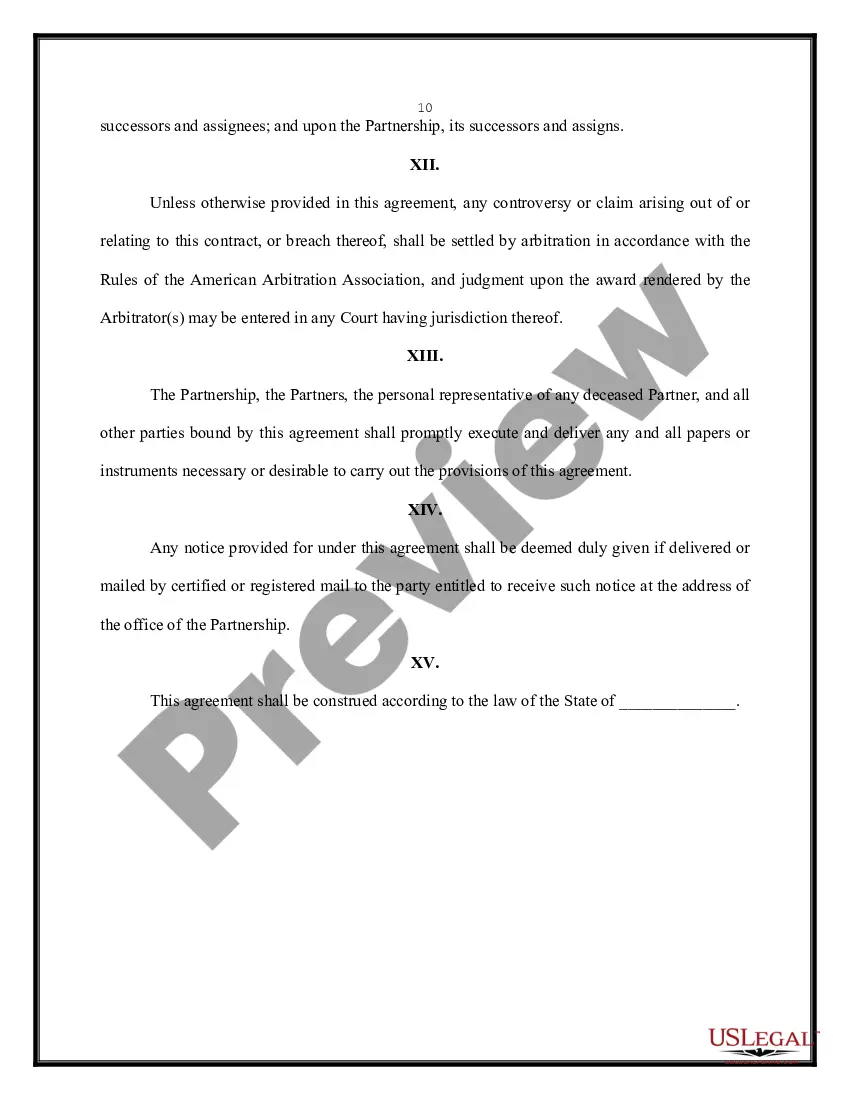
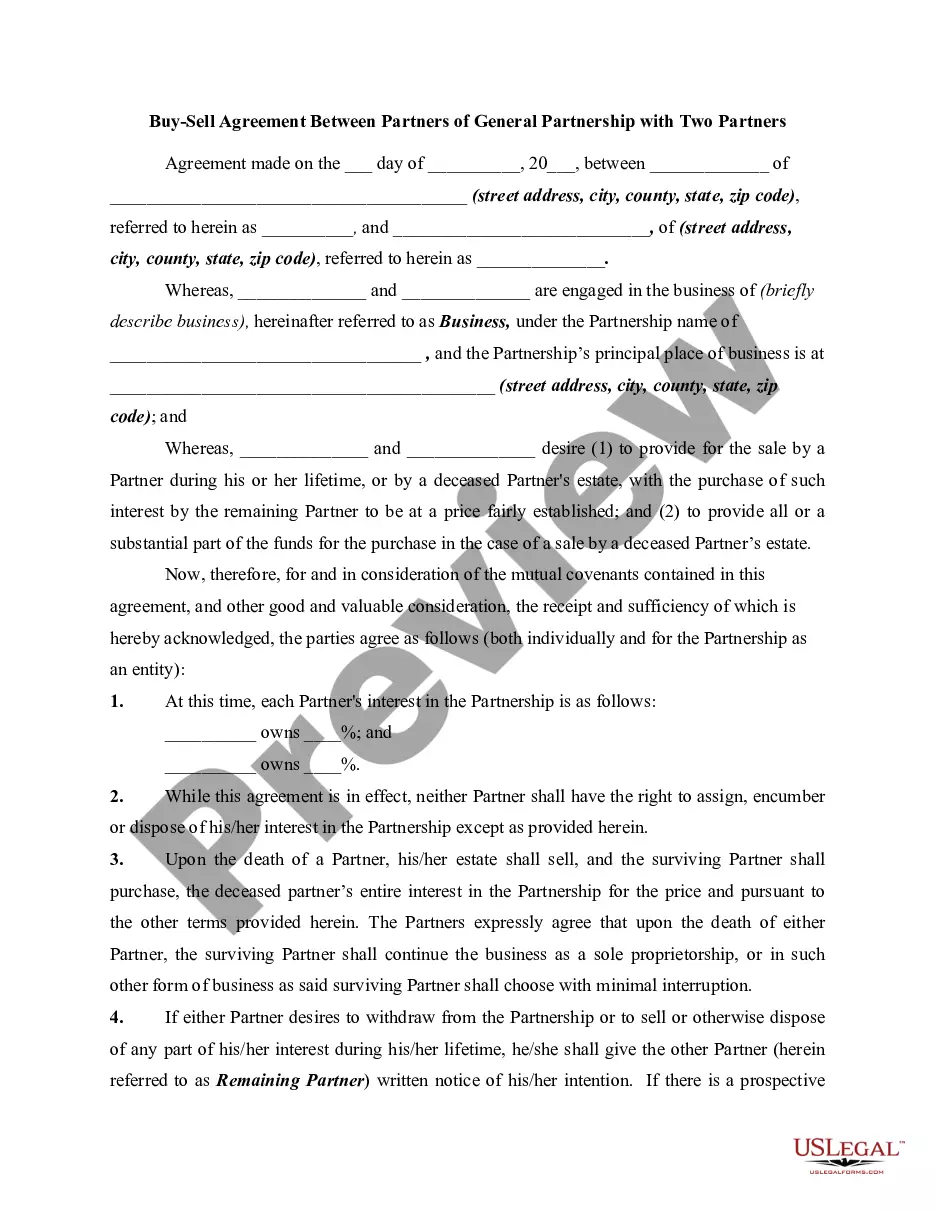
sell agreement is a written contract between two or more owners of a business, or among owners of the business and the entity.
Trigger events will determine when your buy-sell agreement will come into play. Common circumstances include the death, disability, retirement or voluntary departure of a partner, but may extend to additional scenarios, such as divorce or individual bankruptcy.
What should be included in a buy-sell agreement? Any stakeholders, including partners or owners, and their current stake in the business' equity. Events that would trigger a buyout, such as death, disability, divorce, retirement, or bankruptcy. A recent business valuation.
The buy-sell agreement can ensure that the ownership of the company continues on in a manner that is in the best interests of the company and fair to the owners by spelling out what happens under different triggering events.
Generally, they should include the following information: A list of the partners or owners involved and their current equity stakes. A recent business valuation, which is used to place a value on each partner's interest. Events that trigger a buyout, such as death, disability, bankruptcy, or retirement.
While a buy-sell agreement typically addresses the sale of shares among co-owners of a business, a shareholder agreement may address a wider range of issues, including the management and control of the business , the distribution of profits, and the appointment of directors and officers.
These agreements work by first purchasing life insurance policies for each business owner, with the other owner(s) named the beneficiary. If a partner passes away, the surviving owners receive a death benefit to use toward purchasing the deceased owner's stake in the business.
While Shareholder Agreements might touch on provisions related to the transfer of shares or prohibiting transfers, a Buy-Sell Agreement is more specific and effective. It ensures that transitions are handled in a way that aligns with the owners' expectations and the business's financial stability.
