Buy Sell Agreement Purchase With Multiple Partners In Michigan
Description



Get your form ready online
Our built-in tools help you complete, sign, share, and store your documents in one place.
Make edits, fill in missing information, and update formatting in US Legal Forms—just like you would in MS Word.
Download a copy, print it, send it by email, or mail it via USPS—whatever works best for your next step.
Sign and collect signatures with our SignNow integration. Send to multiple recipients, set reminders, and more. Go Premium to unlock E-Sign.
If this form requires notarization, complete it online through a secure video call—no need to meet a notary in person or wait for an appointment.
We protect your documents and personal data by following strict security and privacy standards.

Make edits, fill in missing information, and update formatting in US Legal Forms—just like you would in MS Word.

Download a copy, print it, send it by email, or mail it via USPS—whatever works best for your next step.

Sign and collect signatures with our SignNow integration. Send to multiple recipients, set reminders, and more. Go Premium to unlock E-Sign.

If this form requires notarization, complete it online through a secure video call—no need to meet a notary in person or wait for an appointment.

We protect your documents and personal data by following strict security and privacy standards.
Looking for another form?










Form popularity
FAQ
While life insurance is the most common and efficient method to fund a buy-sell agreement, there are several other options available, each with its pros and cons. The right choice depends on your business size, structure, and available capital.
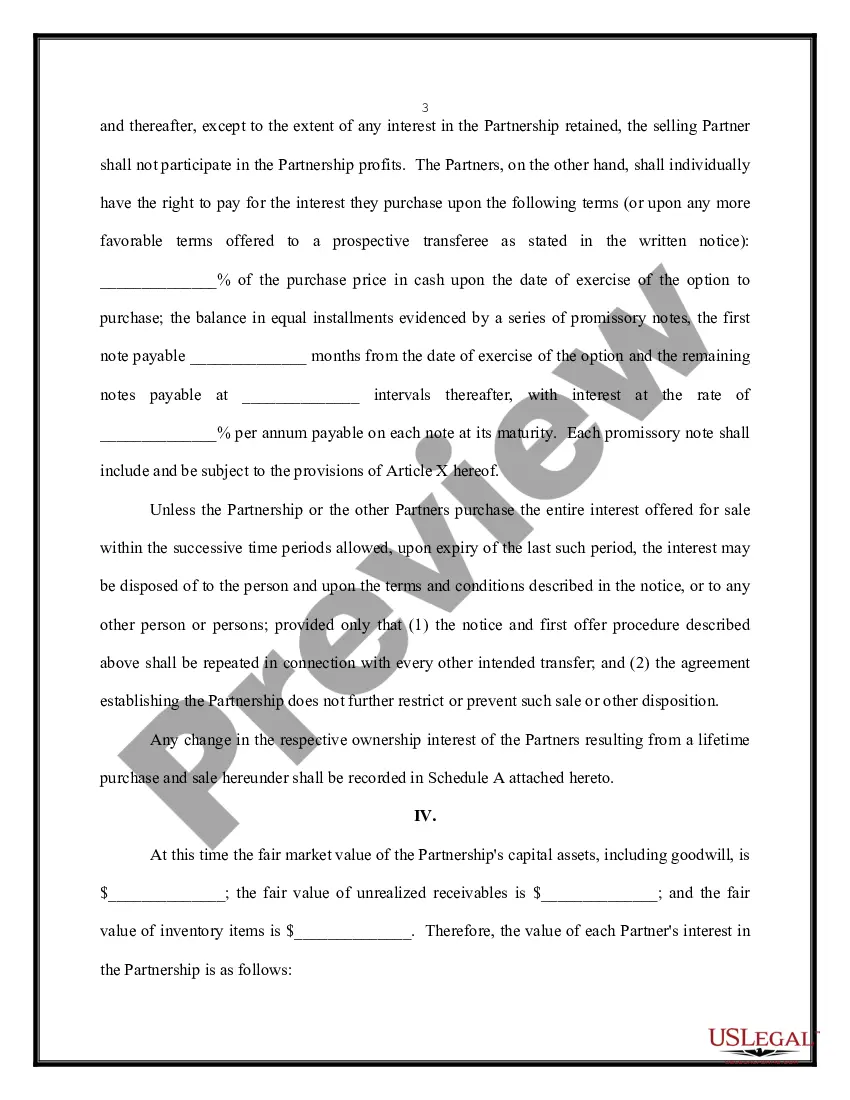
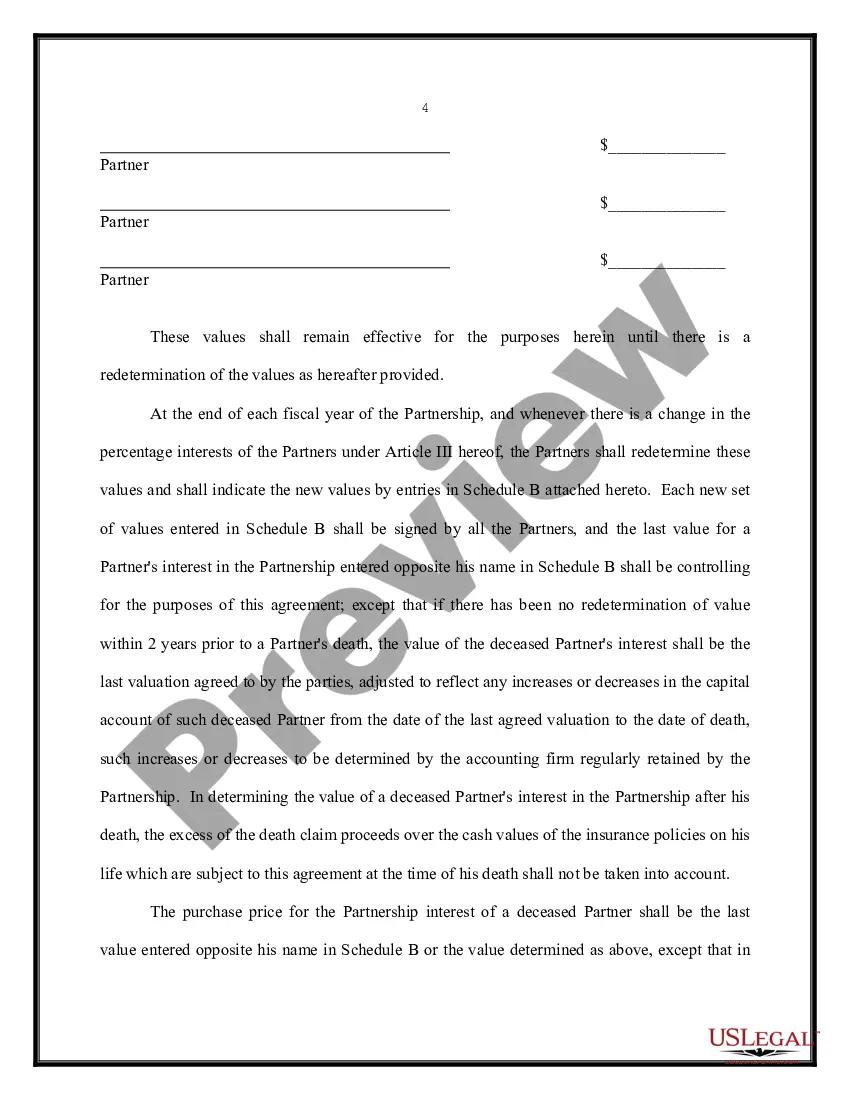
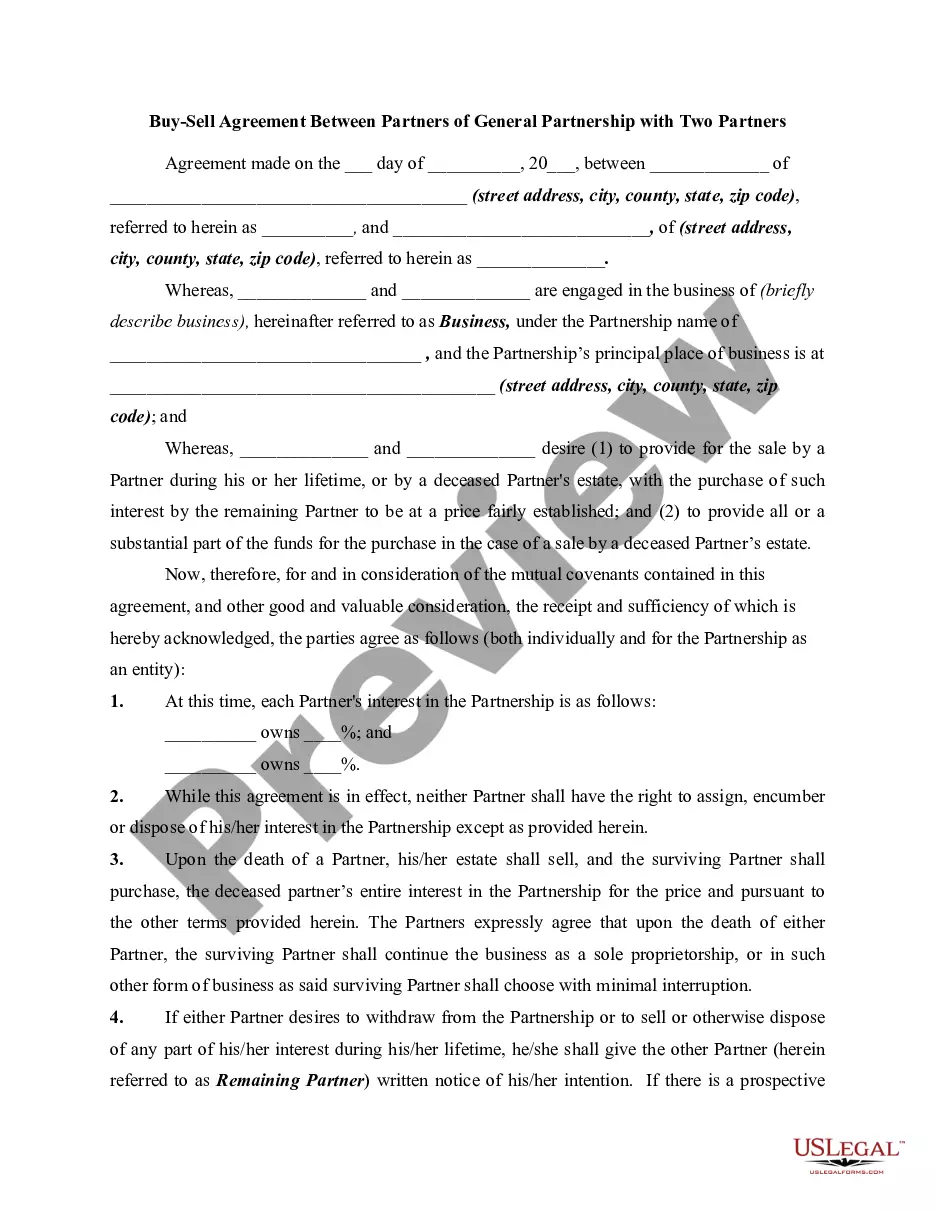
What should be included in a buy-sell agreement? Any stakeholders, including partners or owners, and their current stake in the business' equity. Events that would trigger a buyout, such as death, disability, divorce, retirement, or bankruptcy. A recent business valuation.
Below are four critical topics you and your lawyer should consider when drafting your company's buy-sell agreement. Identify the Parties Involved. Agree on the Trigger Events. Agree on a Valuation Method. Set Realistic Expectations and Frequently Review the Agreement Terms. About the Author.
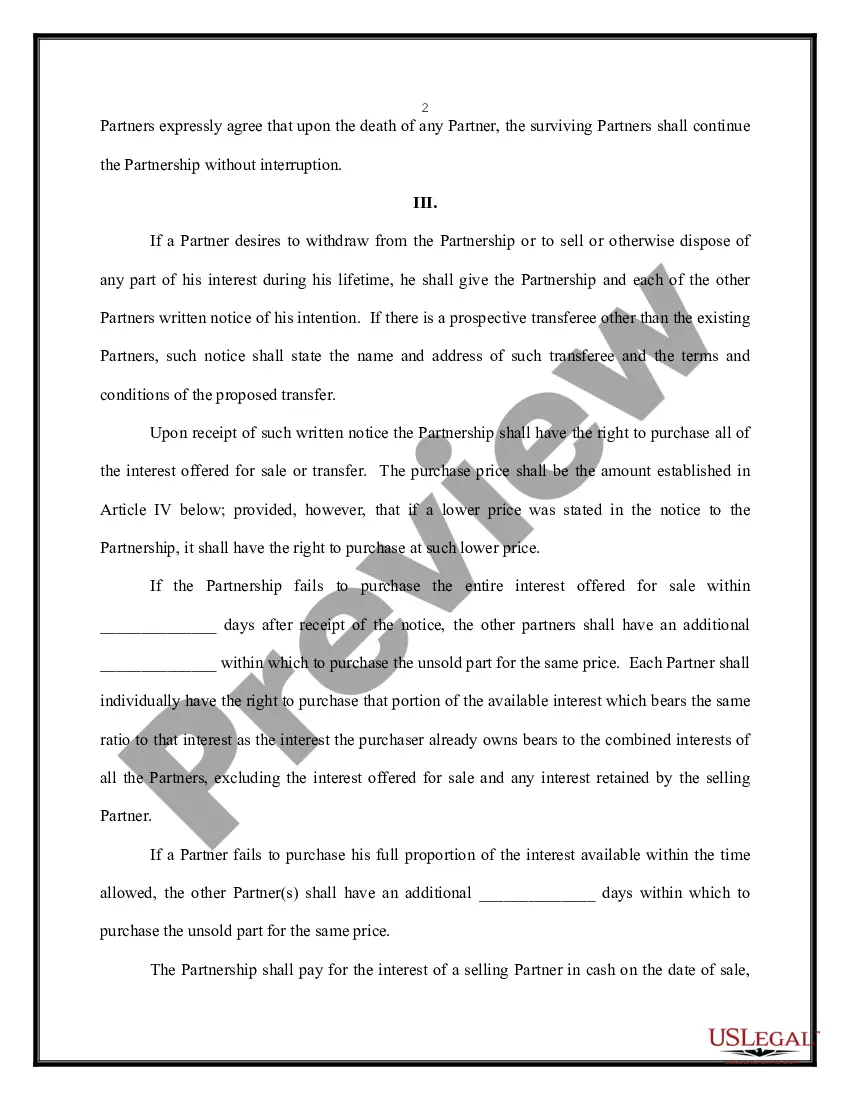
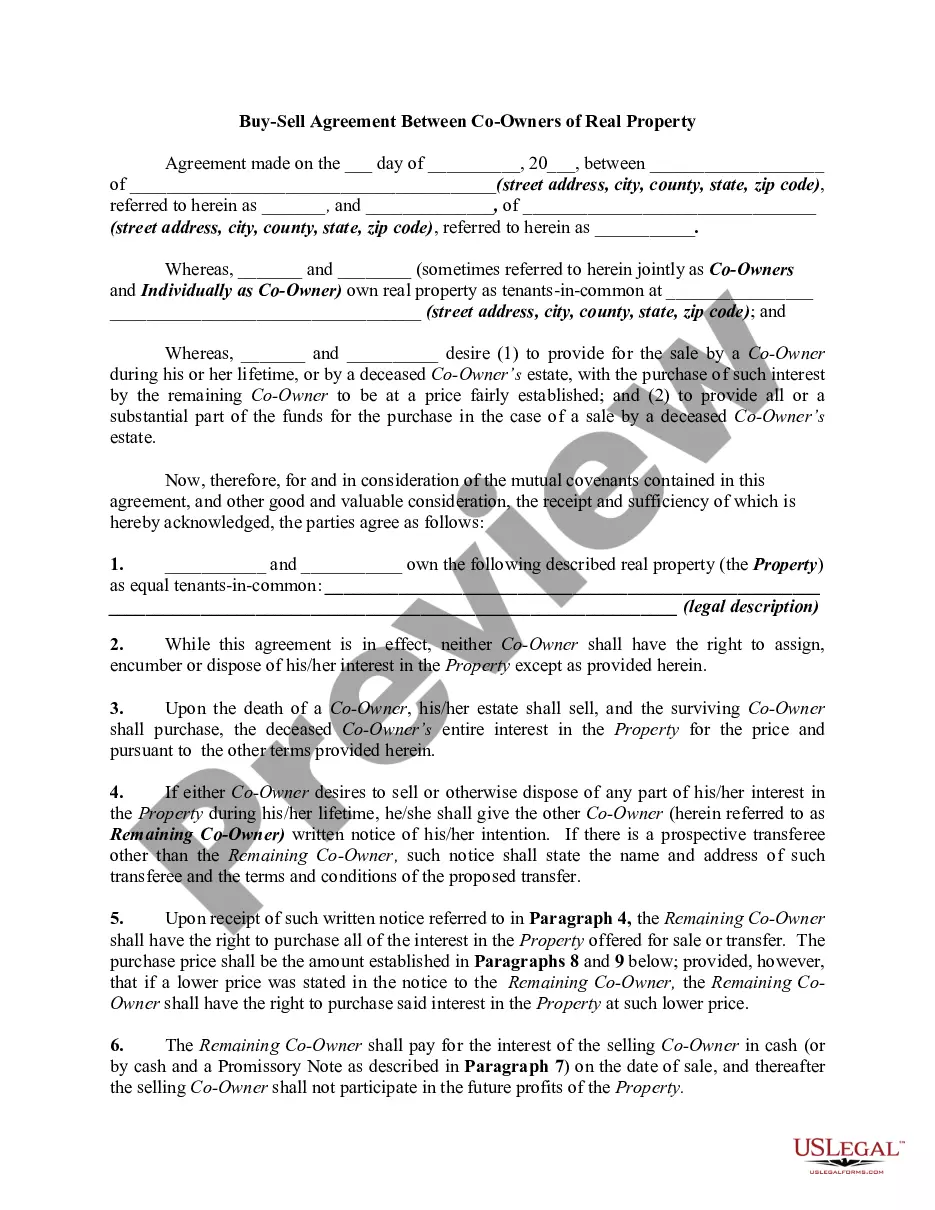
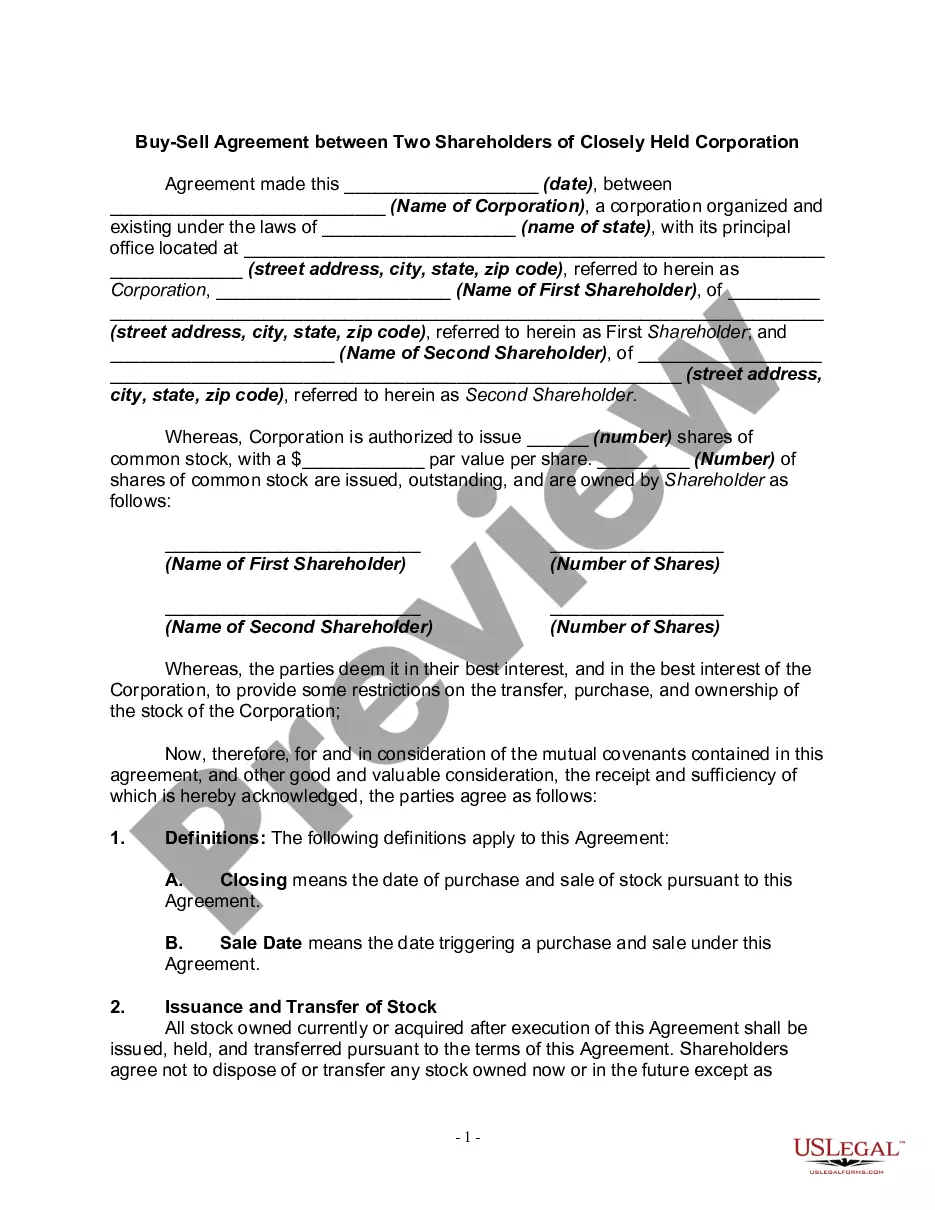
Buy-sell agreements are commonly used by sole proprietors, closed corporations and partnerships. Most buy-sells require that the business shares be sold back to the company or the remaining members of the business. In the case of the death of a partner, the estate must agree to sell.
Trigger events will determine when your buy-sell agreement will come into play. Common circumstances include the death, disability, retirement or voluntary departure of a partner, but may extend to additional scenarios, such as divorce or individual bankruptcy.
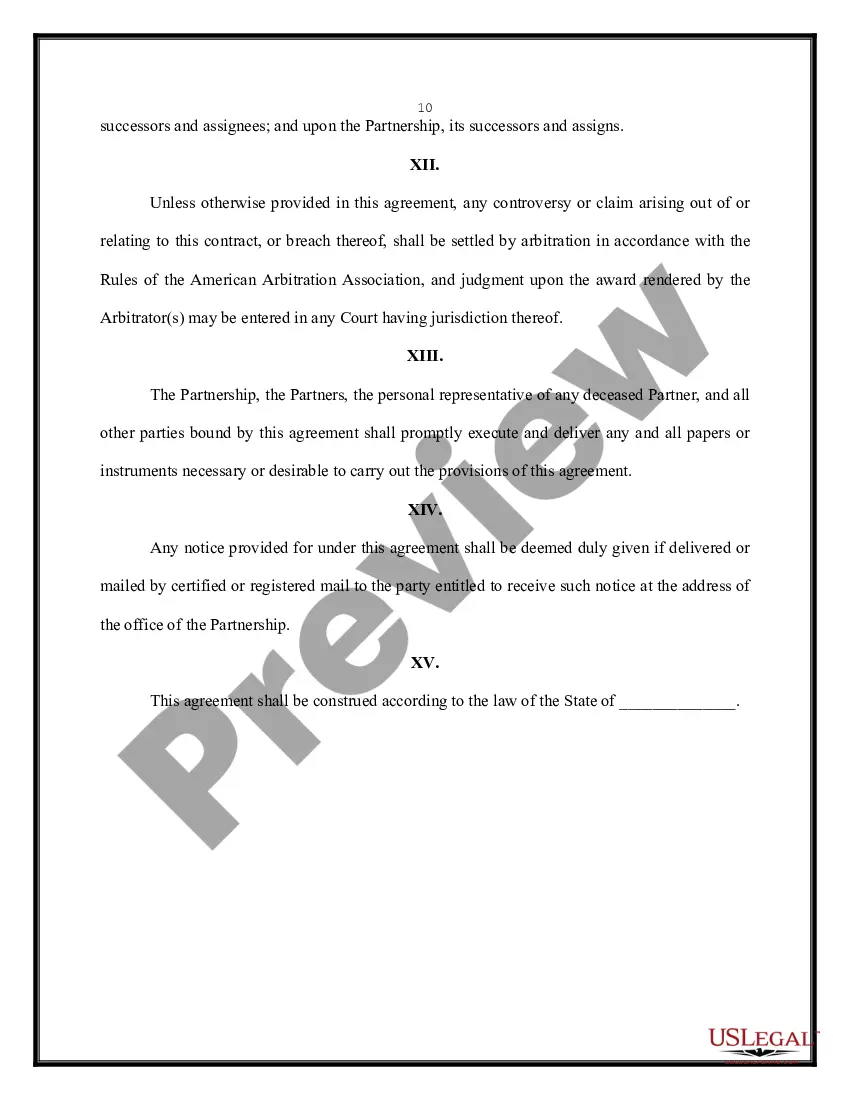
sell agreement provides a plan for the orderly transfer of any owner's business interest. Consider a buysell agreement for your business if: You have two or more owners. You want to provide protection in the event of any owner's termination of employment, retirement, divorce, disability, or death.
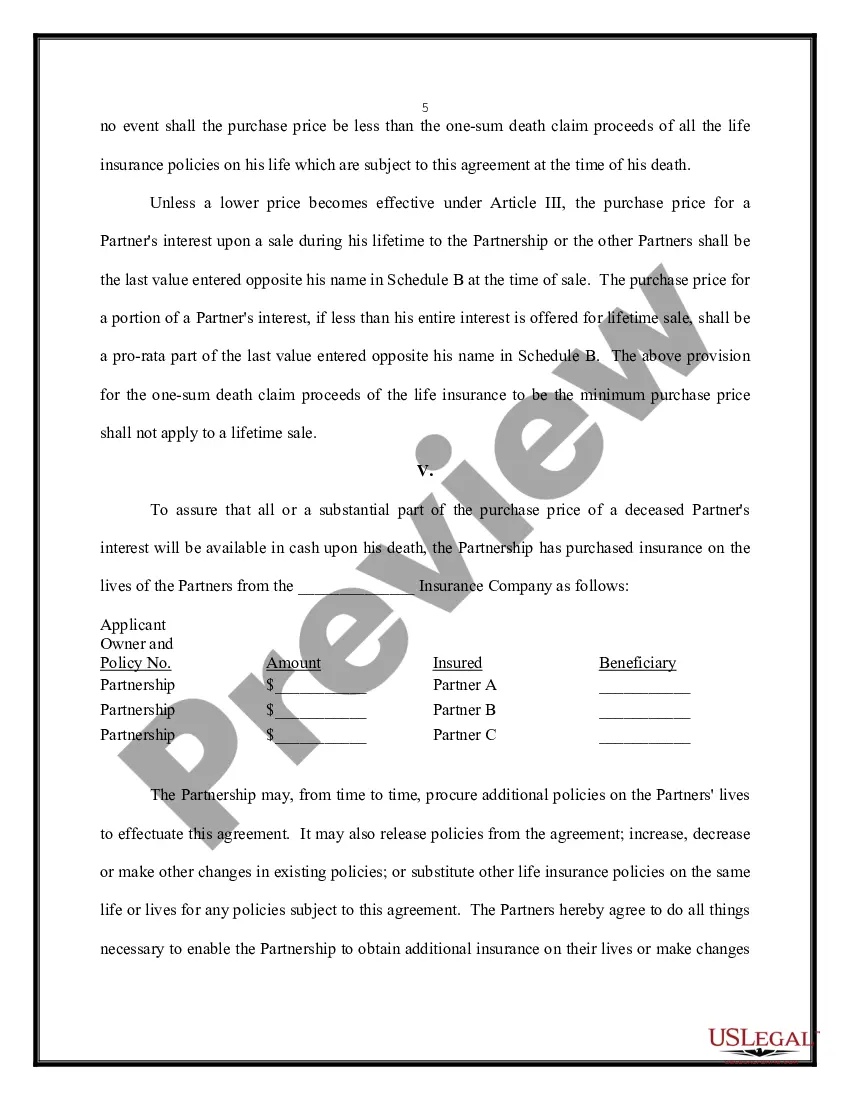
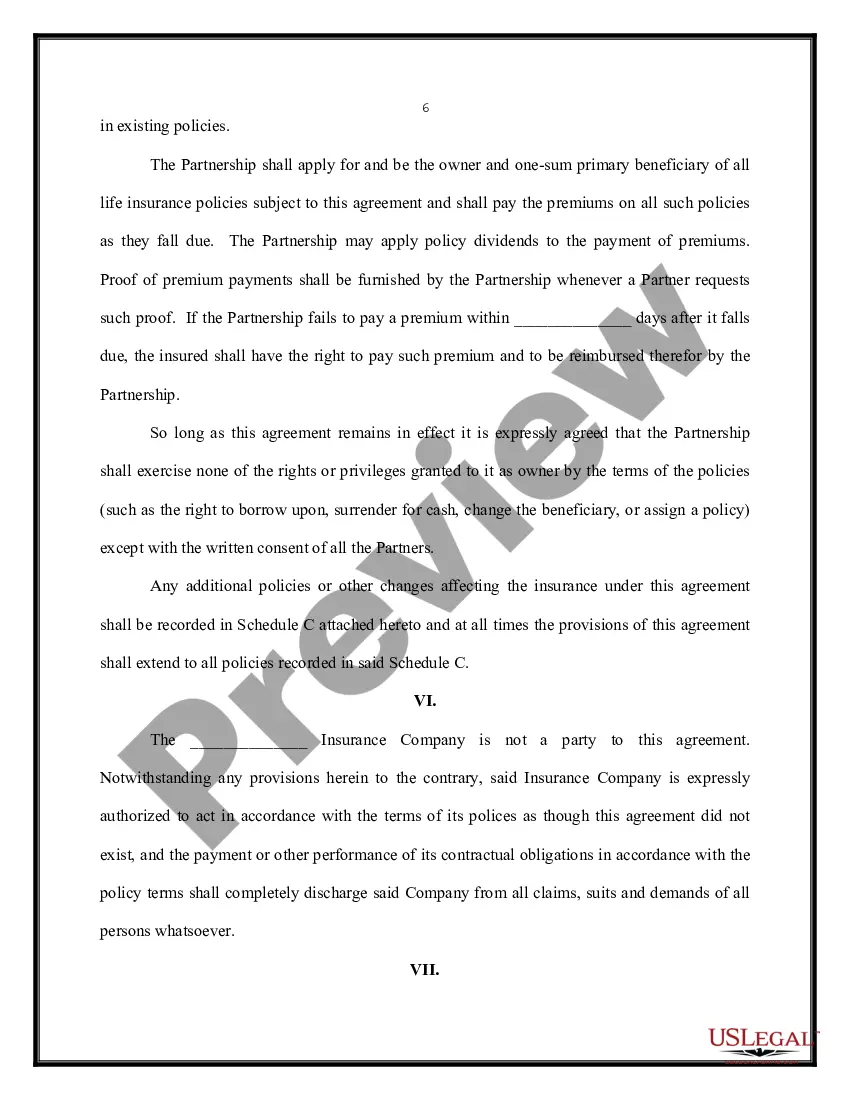
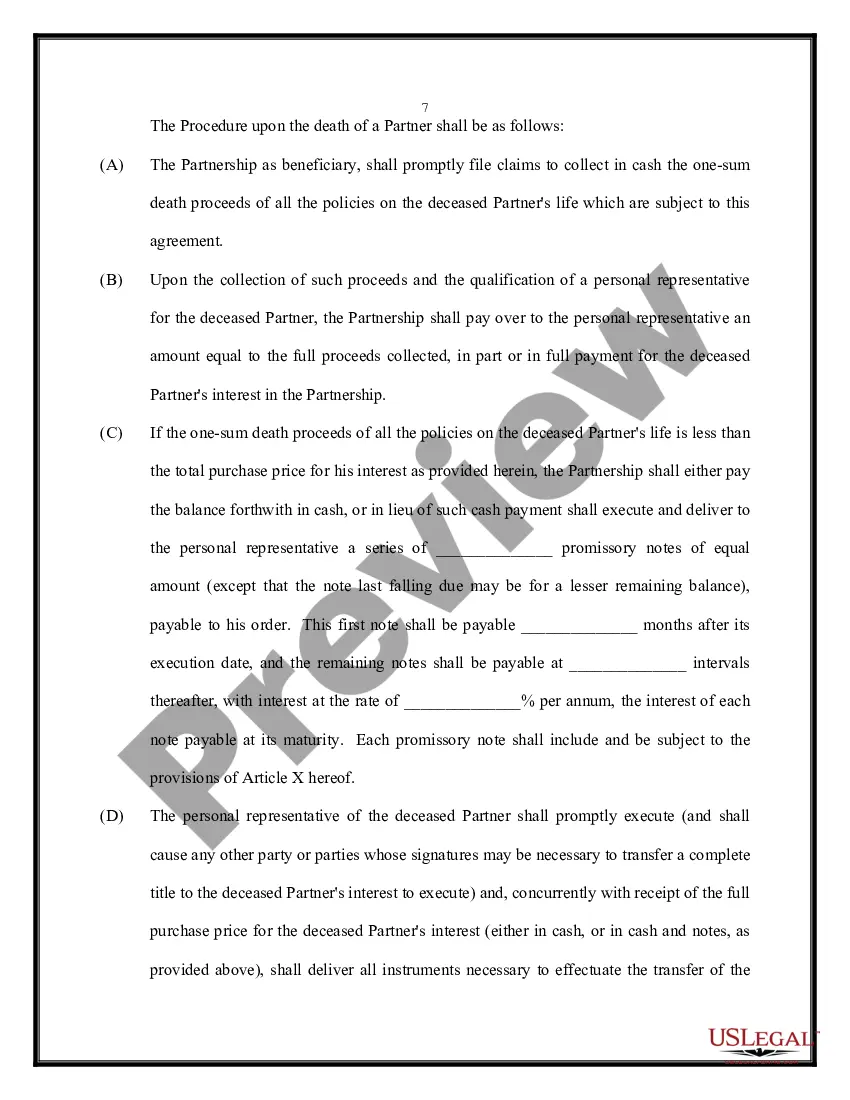
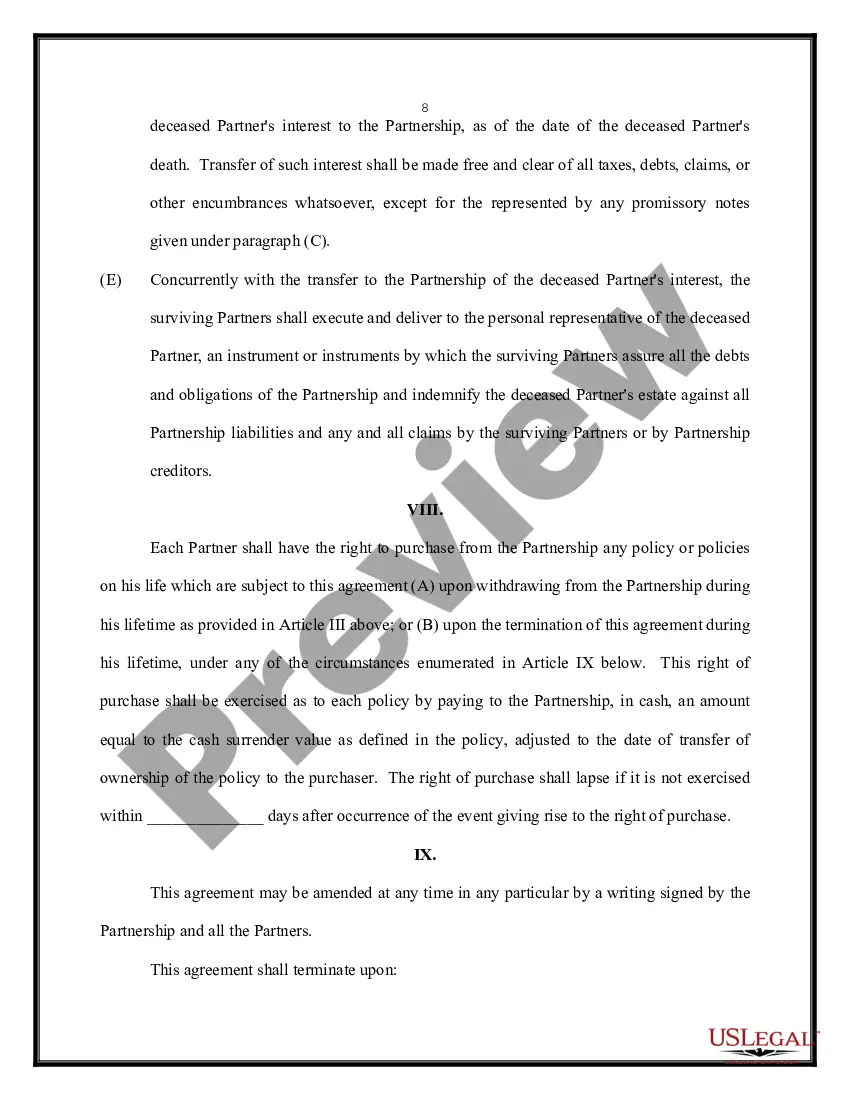
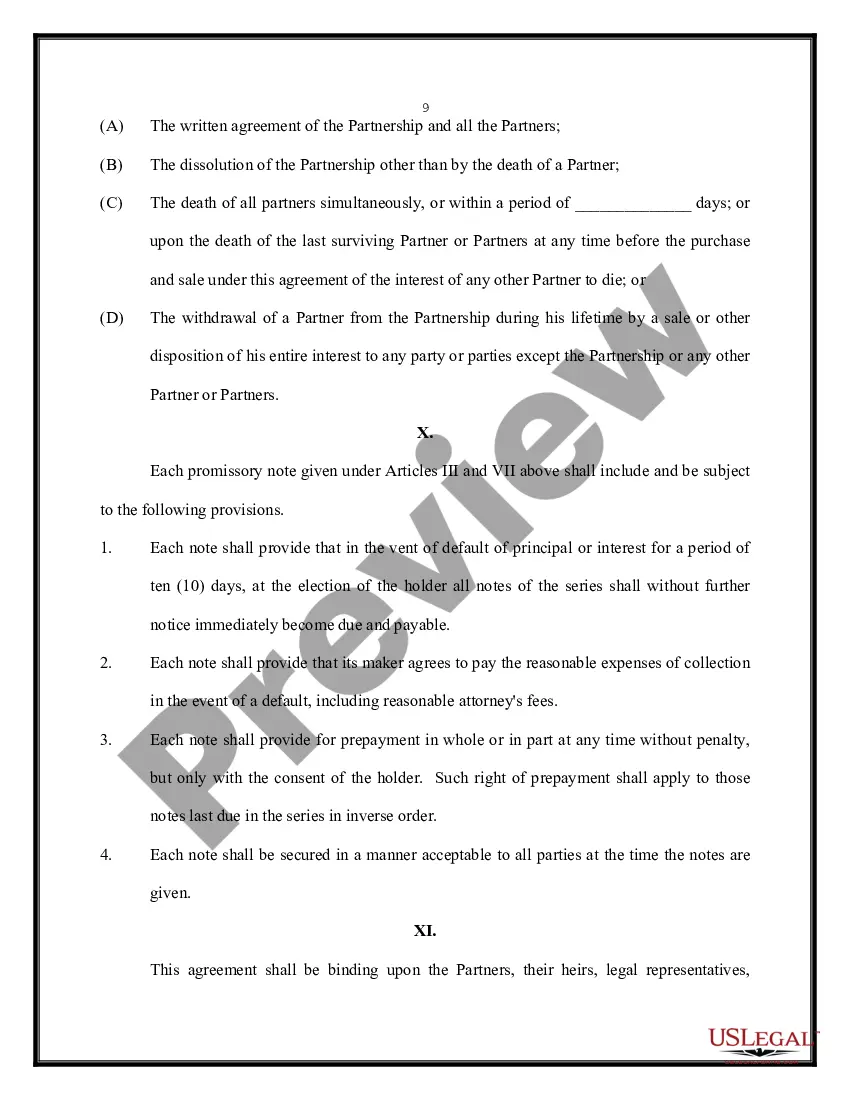
These agreements work by first purchasing life insurance policies for each business owner, with the other owner(s) named the beneficiary. If a partner passes away, the surviving owners receive a death benefit to use toward purchasing the deceased owner's stake in the business.
Buy/sell agreements use life insurance to fund the transfer of business ownership in the event of an owner's death or disability. The life insurance proceeds provide liquidity to remaining owners or the business, ensuring a smooth transition while securing the financial future of the departing owner's family.
