Sell Of Partnership In Cuyahoga
Description

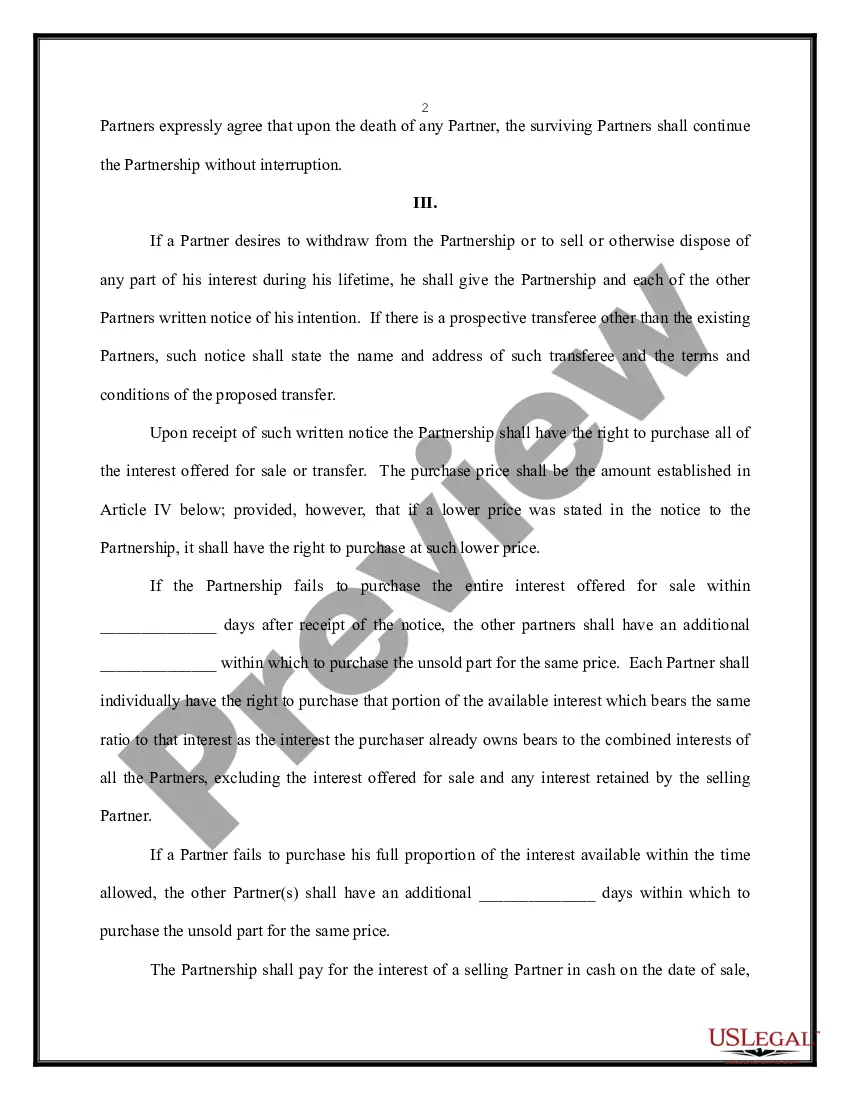
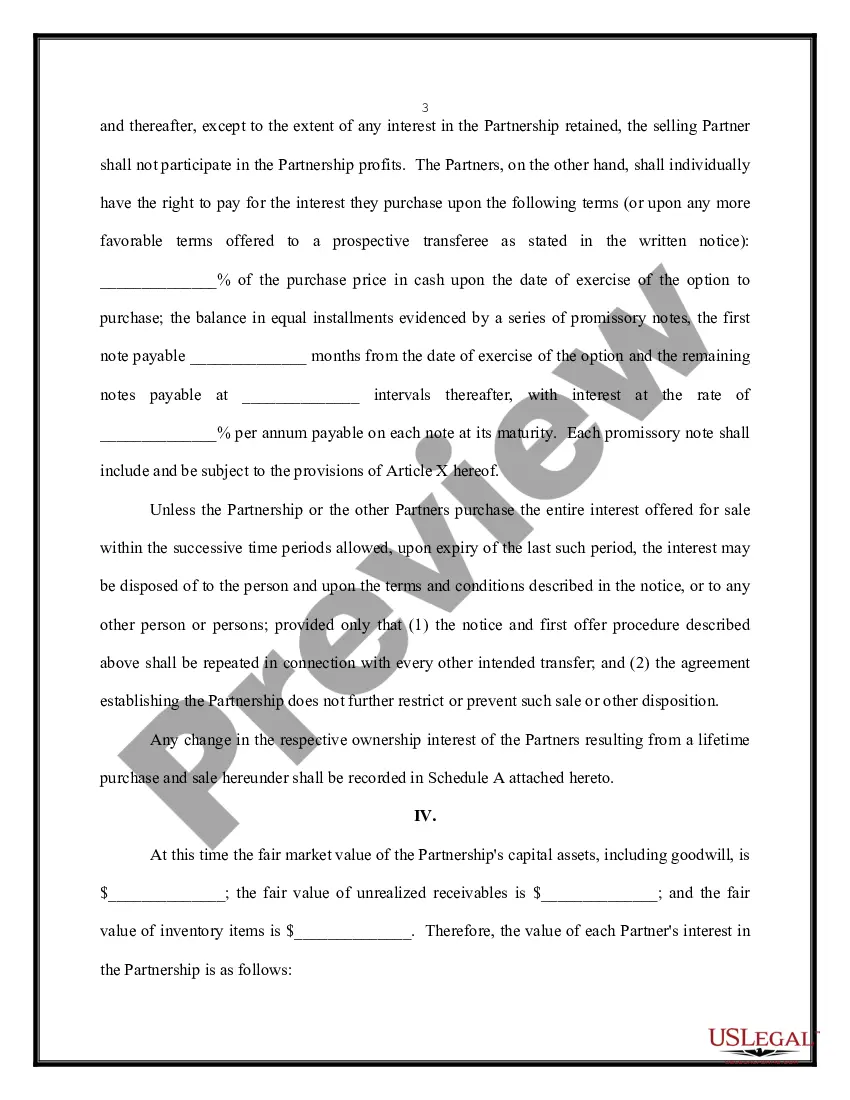
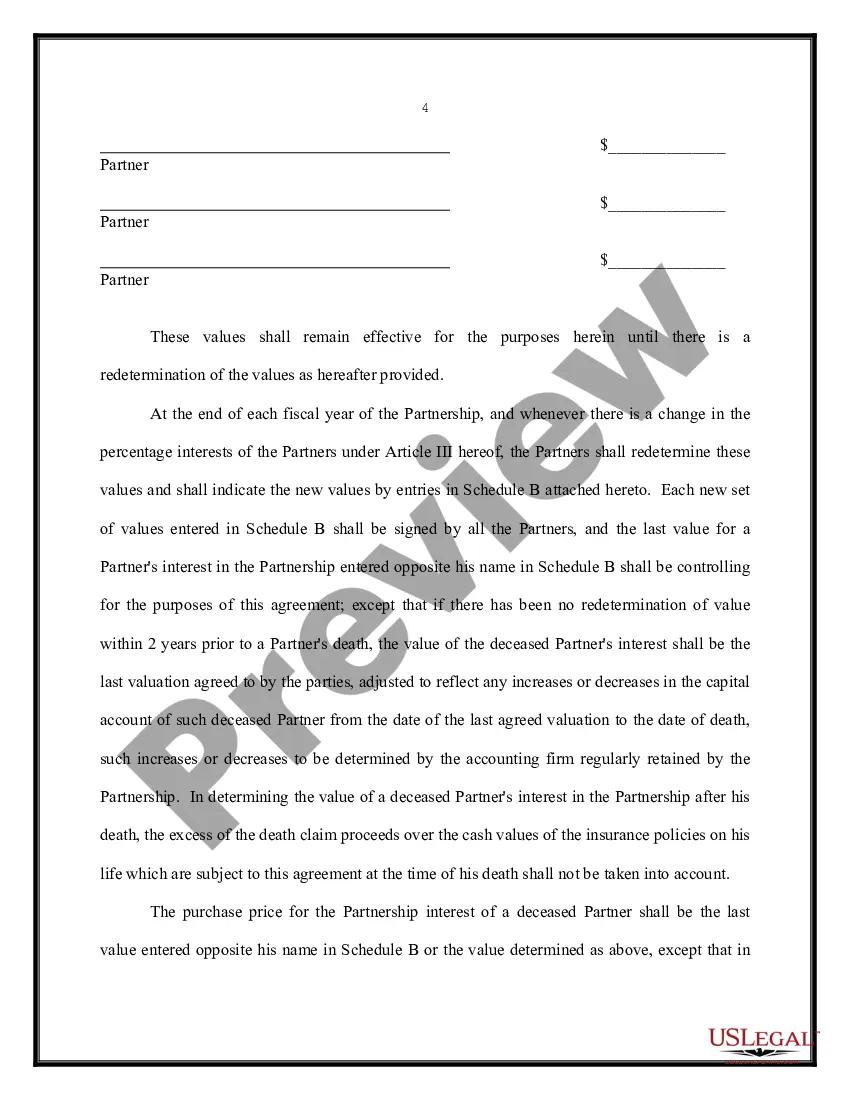
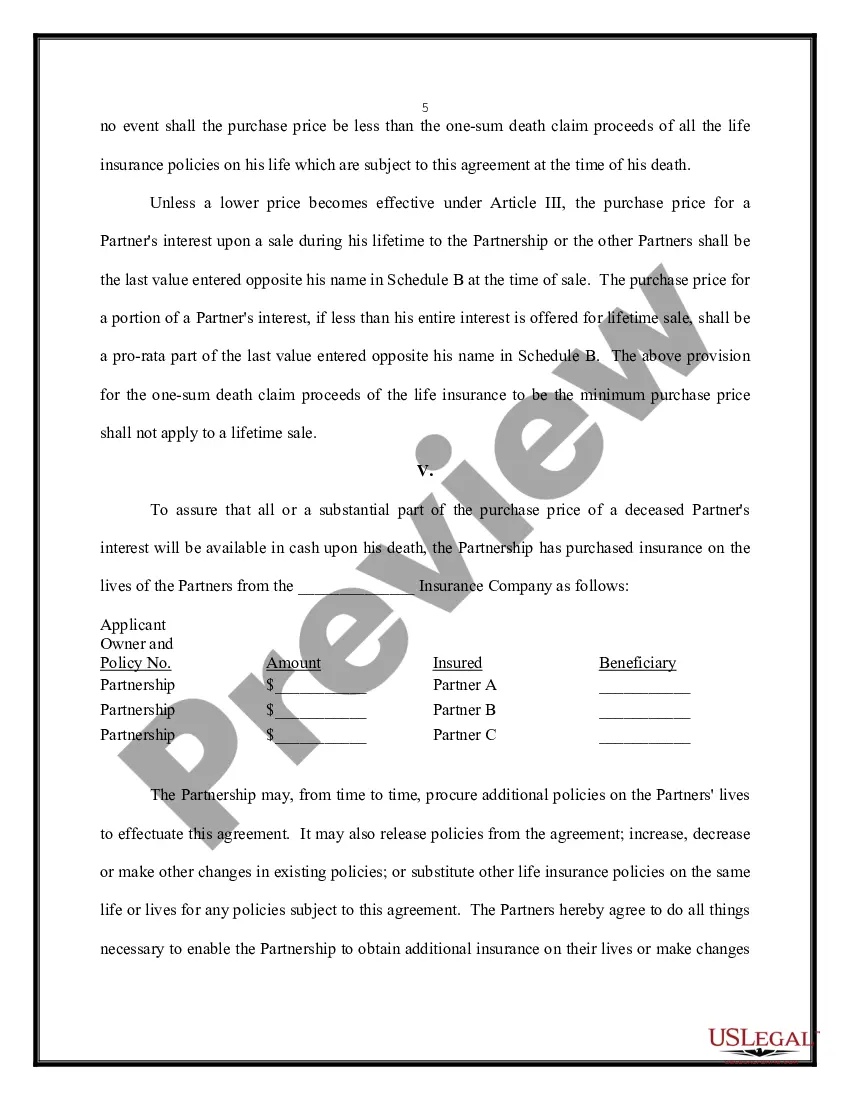
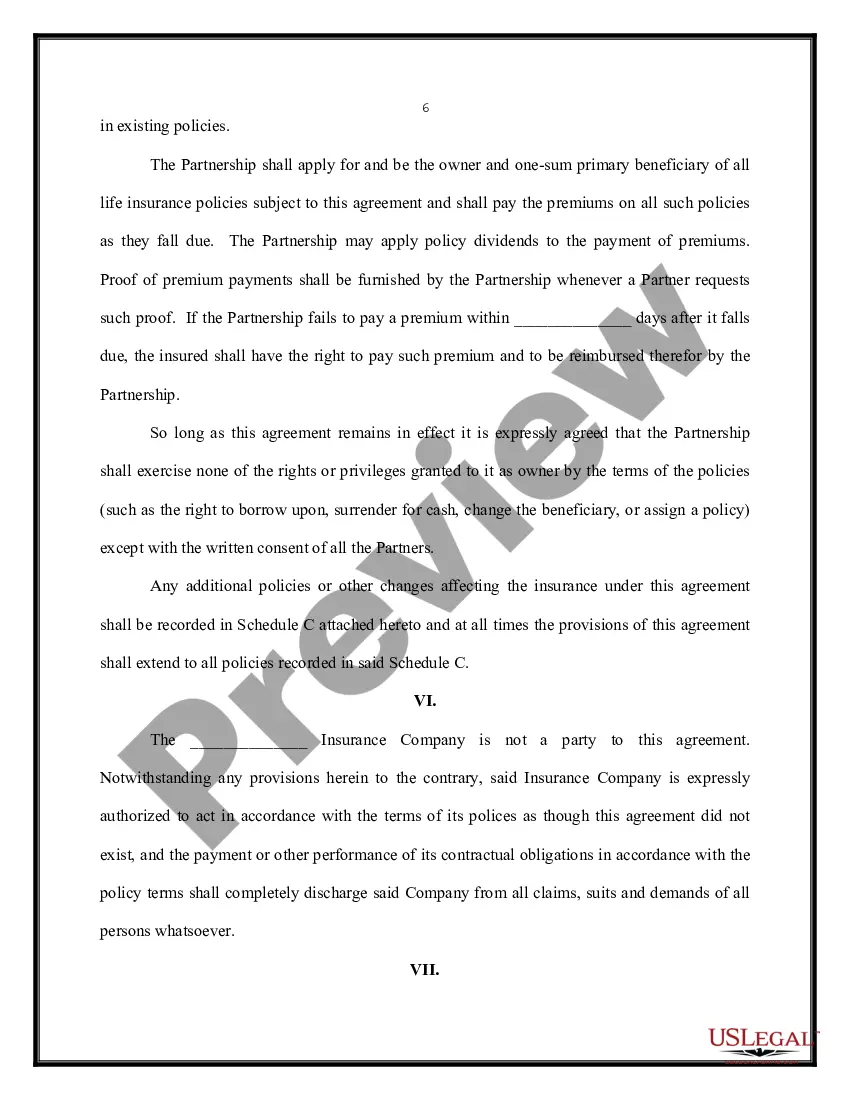
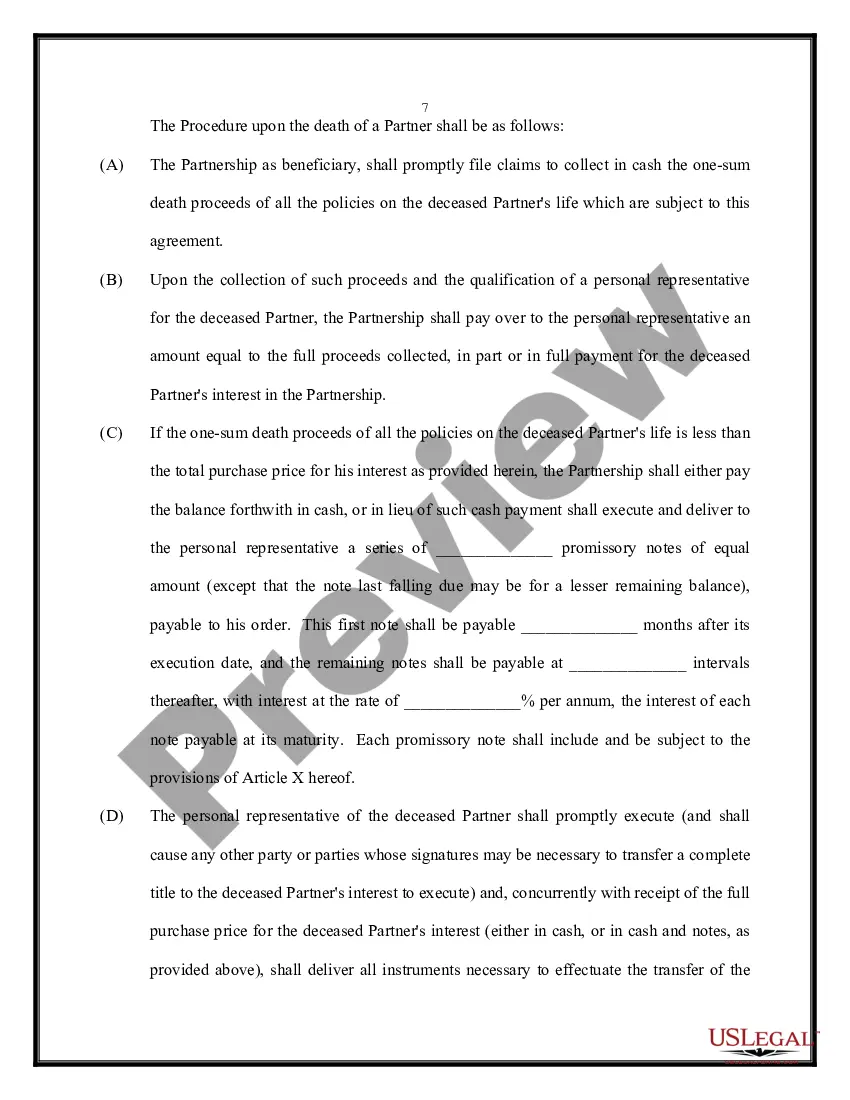
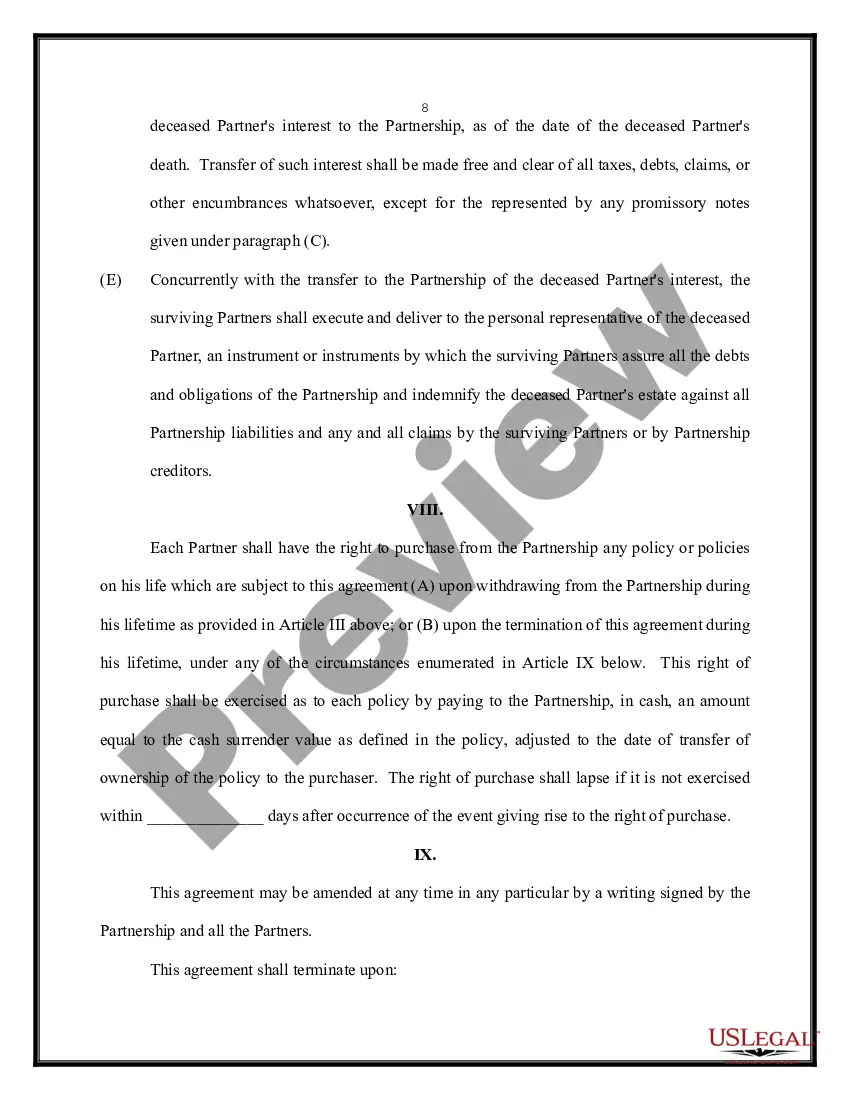
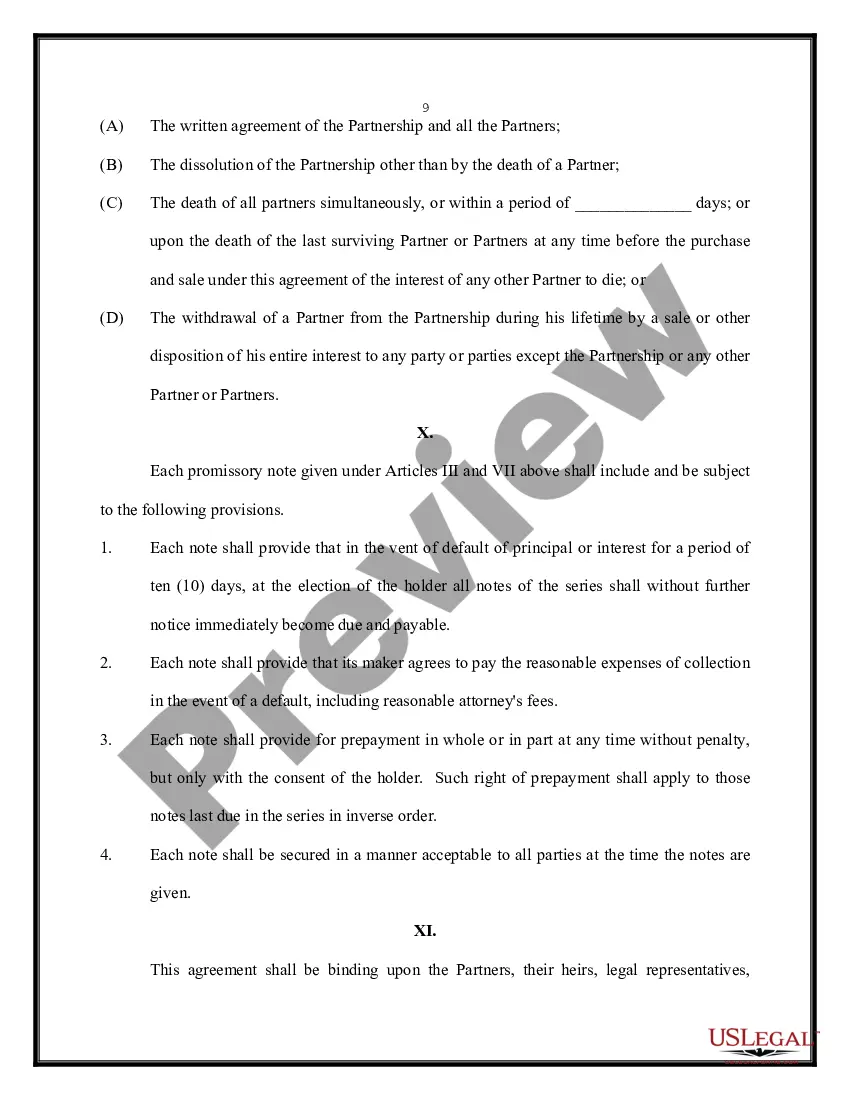


Get your form ready online
Our built-in tools help you complete, sign, share, and store your documents in one place.
Make edits, fill in missing information, and update formatting in US Legal Forms—just like you would in MS Word.
Download a copy, print it, send it by email, or mail it via USPS—whatever works best for your next step.
Sign and collect signatures with our SignNow integration. Send to multiple recipients, set reminders, and more. Go Premium to unlock E-Sign.
If this form requires notarization, complete it online through a secure video call—no need to meet a notary in person or wait for an appointment.
We protect your documents and personal data by following strict security and privacy standards.

Make edits, fill in missing information, and update formatting in US Legal Forms—just like you would in MS Word.

Download a copy, print it, send it by email, or mail it via USPS—whatever works best for your next step.

Sign and collect signatures with our SignNow integration. Send to multiple recipients, set reminders, and more. Go Premium to unlock E-Sign.

If this form requires notarization, complete it online through a secure video call—no need to meet a notary in person or wait for an appointment.

We protect your documents and personal data by following strict security and privacy standards.
Looking for another form?

Form popularity
FAQ
Ohio, like many other states, doesn't require businesses to have a general license at the state level to do business. Instead, Ohio considers you registering your business with the SOS as a type of general business license. You don't need to register your business if you're a sole proprietor or general partnership.
Businesses are required to register with the Ohio Secretary of State to legally conduct business in the state — this is commonly called a business license. See Start a Business for more information.
All Vendor Licenses can be obtained immediately through the Ohio Business Gateway. Businesses must first establish an account with Gateway before using it to request a vendor's license.
As used in this section, "small business" means an independently owned and operated for-profit or nonprofit business entity, including affiliates, that has fewer than five hundred full time employees or gross annual sales of less than six million dollars, and has operations located in the state.
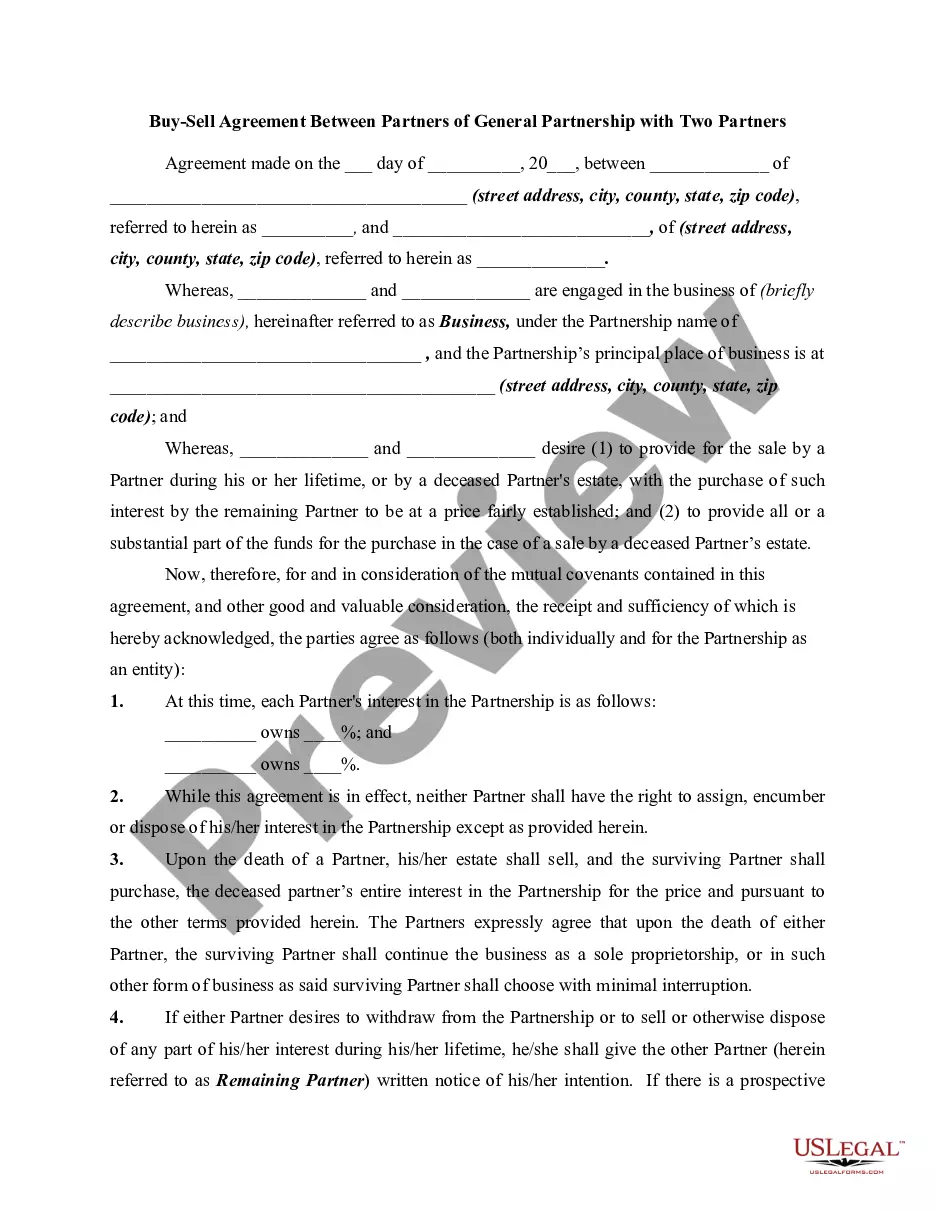
This means the ownership interest a partner has in a partnership is treated as a separate asset that can be purchased and sold.
Gain Realized Generally, a partner selling his partnership interest recognizes capital gain or loss on the sale. The amount of the gain or loss recognized is the difference between the amount realized and the partner's adjusted tax basis in his partnership interest.
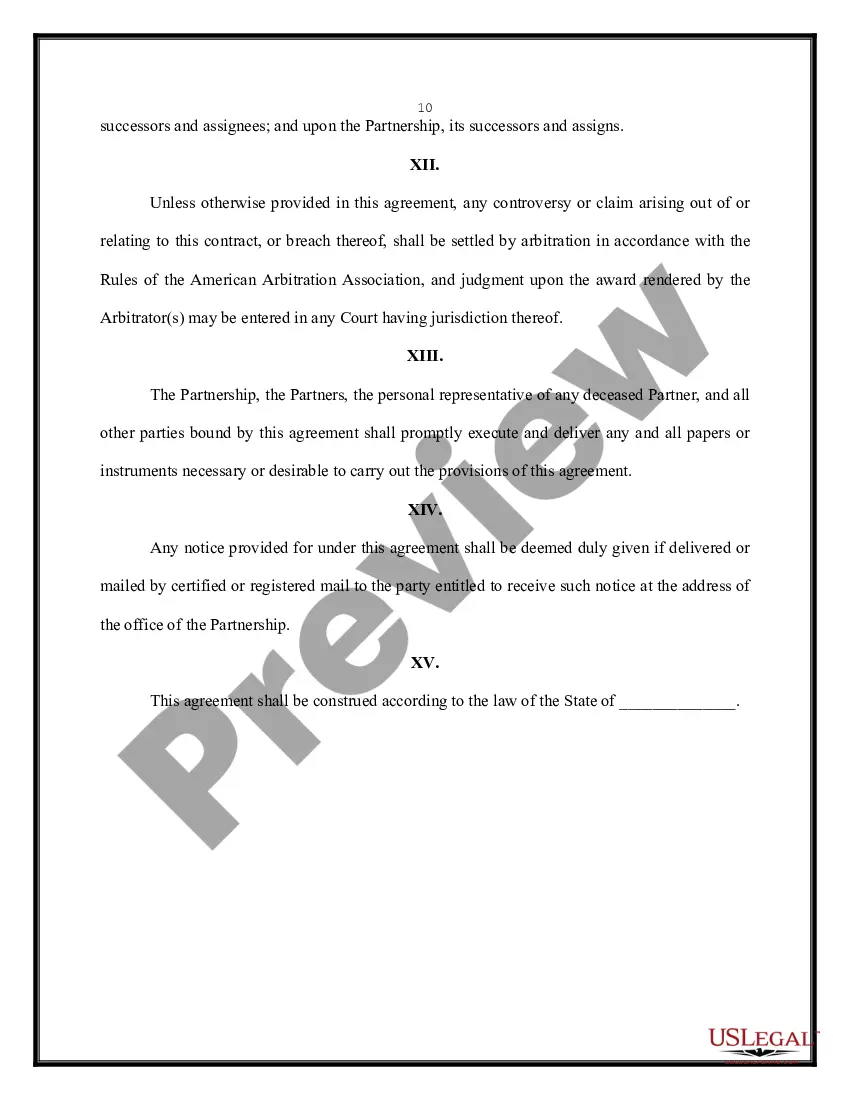
The Partnership Buyout Agreement Your path to an ownership sale will be simpler if you created a clear and thorough partnership buyout agreement when you started your company. The agreement should discuss what might lead to one of the partners wanting to sell her share and state the terms and timing that would apply.
Form 1065, U.S. Return of Partnership Income, is used to report your partnership's income, gains, losses, deductions, credits, and general business information to the IRS. You won't determine how much tax is owed on this form – that happens as items on a Schedule K-1 (Form 1065).
The gain or loss from the sale of a partnership interest is the difference between the sales proceeds received and the partner's tax basis in the interest at the time of the sale.
