Partnership Selling Examples In California
Description




Get your form ready online
Our built-in tools help you complete, sign, share, and store your documents in one place.
Make edits, fill in missing information, and update formatting in US Legal Forms—just like you would in MS Word.
Download a copy, print it, send it by email, or mail it via USPS—whatever works best for your next step.
Sign and collect signatures with our SignNow integration. Send to multiple recipients, set reminders, and more. Go Premium to unlock E-Sign.
If this form requires notarization, complete it online through a secure video call—no need to meet a notary in person or wait for an appointment.
We protect your documents and personal data by following strict security and privacy standards.

Make edits, fill in missing information, and update formatting in US Legal Forms—just like you would in MS Word.

Download a copy, print it, send it by email, or mail it via USPS—whatever works best for your next step.

Sign and collect signatures with our SignNow integration. Send to multiple recipients, set reminders, and more. Go Premium to unlock E-Sign.

If this form requires notarization, complete it online through a secure video call—no need to meet a notary in person or wait for an appointment.

We protect your documents and personal data by following strict security and privacy standards.
Looking for another form?






Form popularity
FAQ
Amazon, the colossus of online retail, has millions of customers and merchants using its digital marketplace. The brand partnered with American Express to develop a one-of-its-kind co-branded credit card to help small companies sell more effectively through its platform.
Co-selling is a collaborative strategy when two or more companies jointly sell their complementary products or services. Together, each partner leverages the others' strengths, resources, and customer relationships to maximize sales opportunities.
Partnership selling is where your company and another company strategically become allies in business. You'll set targets together and expand your horizons through shared resources and databases. The goal is to establish a long-term relationship and create real value and revenue for both companies involved.
Kickstart your new business in minutes There are three relatively common partnership types: general partnership (GP), limited partnership (LP) and limited liability partnership (LLP). A fourth, the limited liability limited partnership (LLLP), is not recognized in all states.
Partner sales involve leveraging external organizations to enhance a company's sales efforts. By utilizing partners' established customer bases, market knowledge, and resources, companies can expand their market reach, reduce costs, improve customer access, scale operations, and ensure accountability.
The three different types of partnership are: General partnership. Limited partnership. Limited liability partnerships.
- Relationship Selling: The primary goal of relationship selling is to create customer loyalty and repeat business. It's more about ensuring that the customer is satisfied with their purchases. - Partnership Selling: Partnership selling goes beyond satisfaction to achieving mutual goals and objectives.
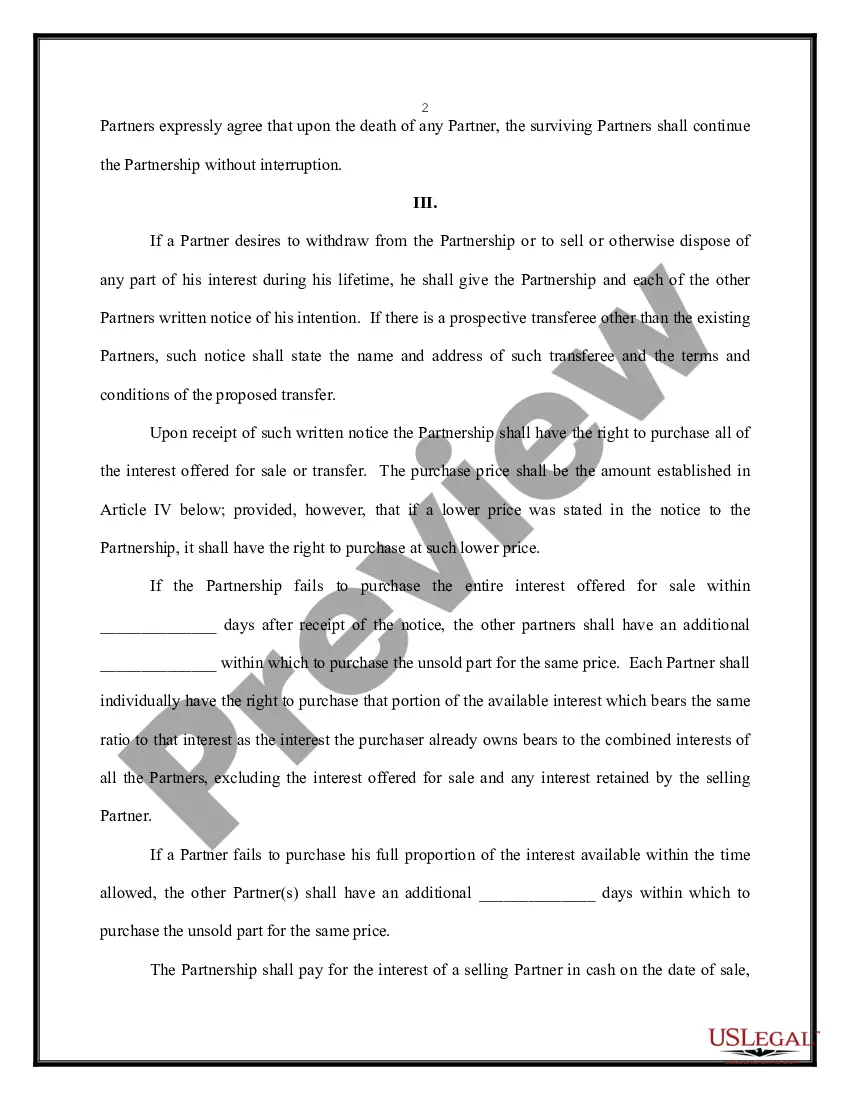
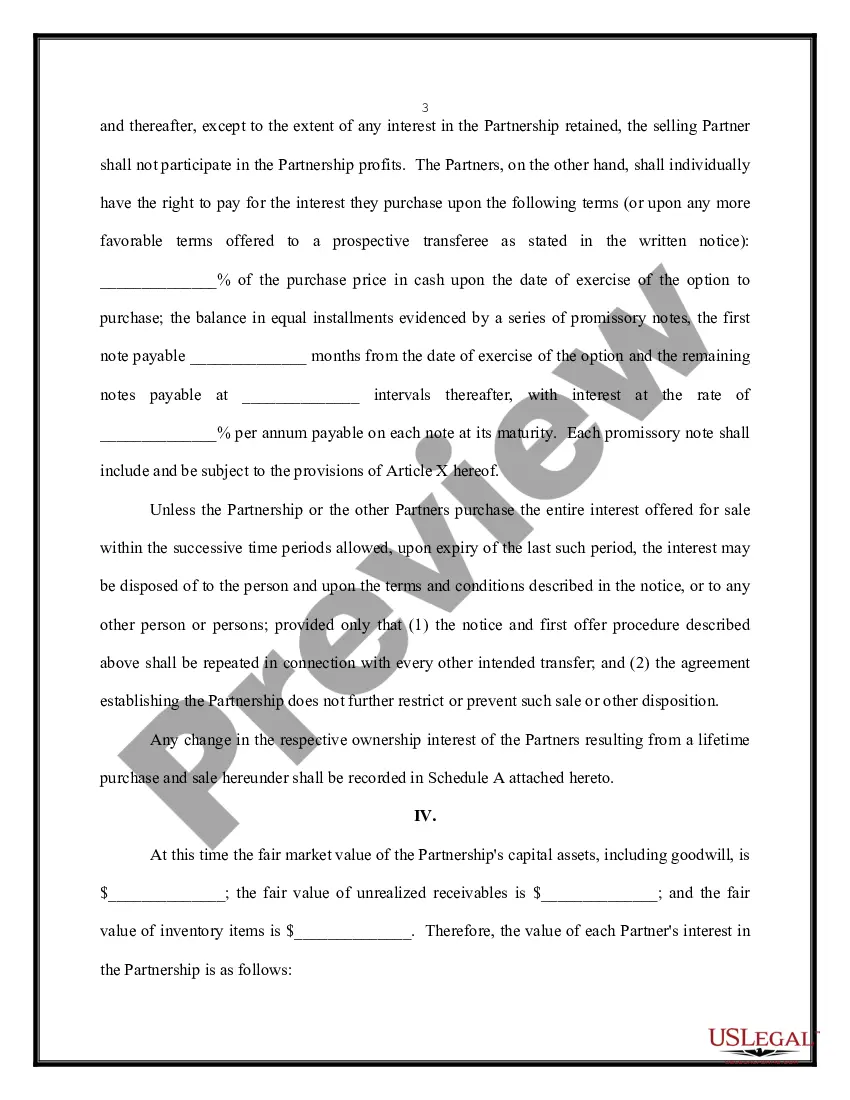
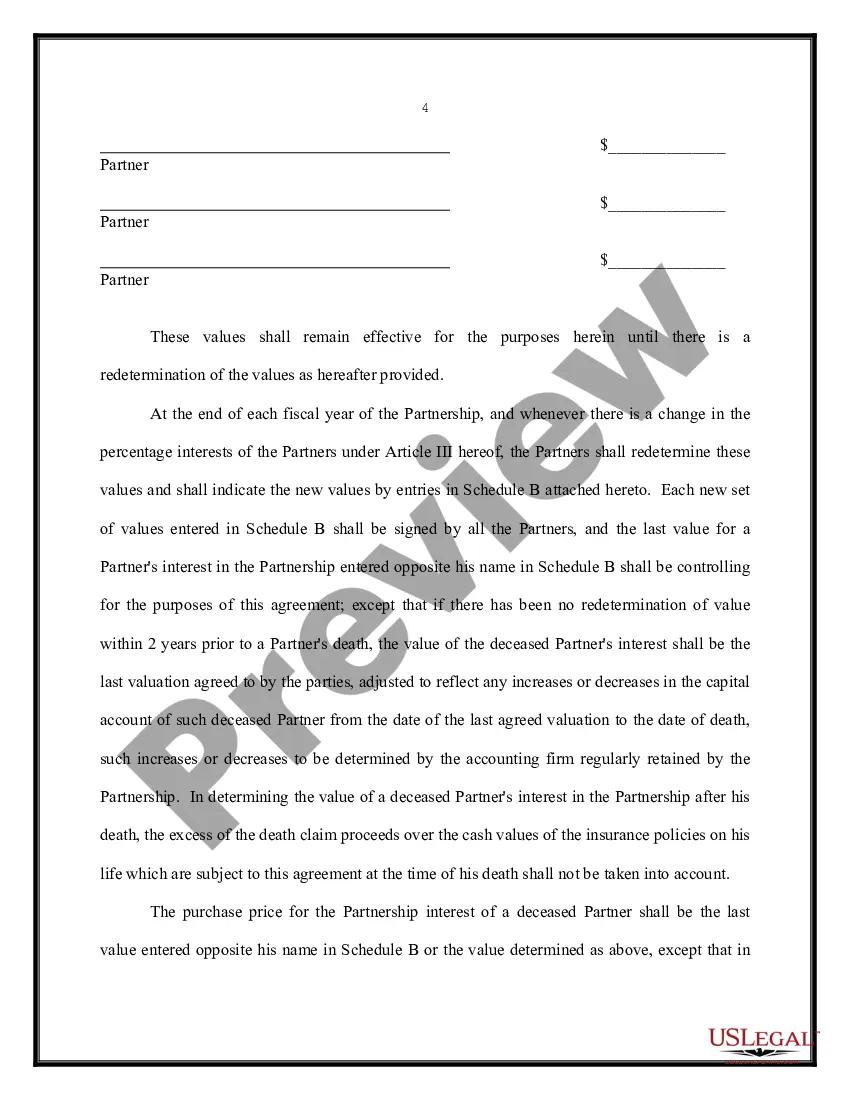
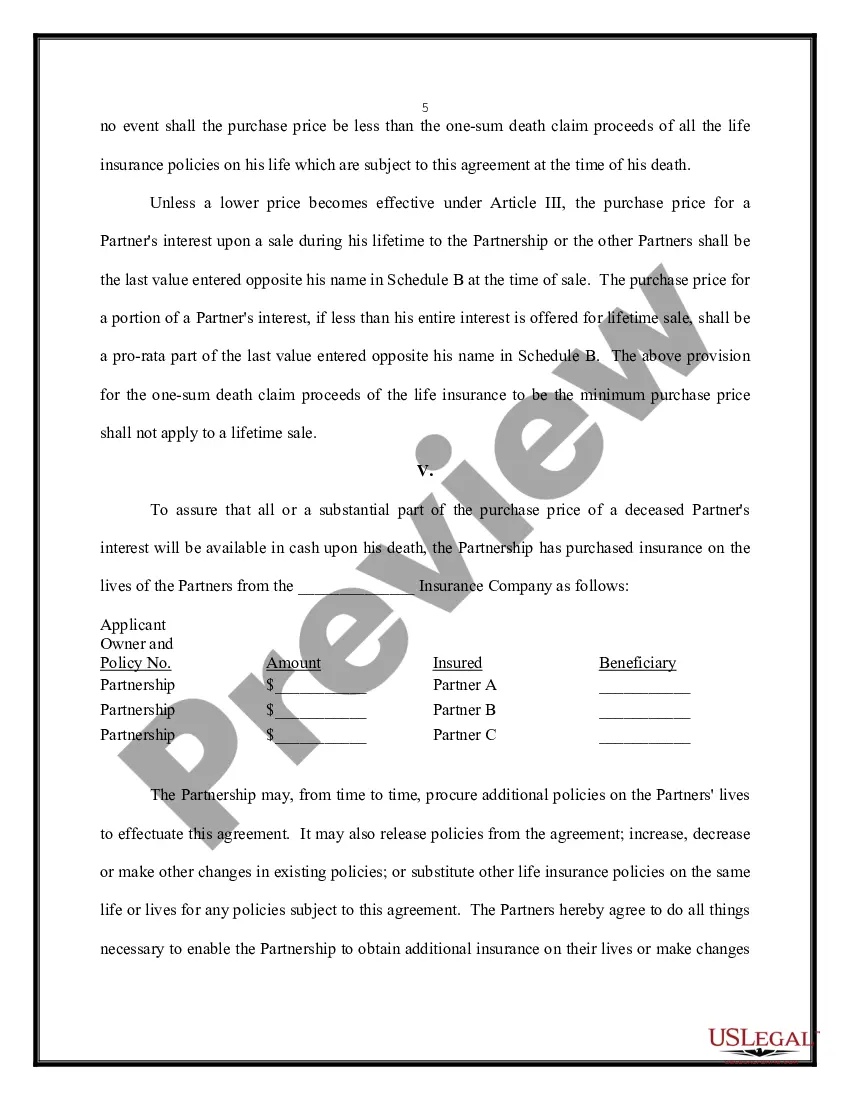
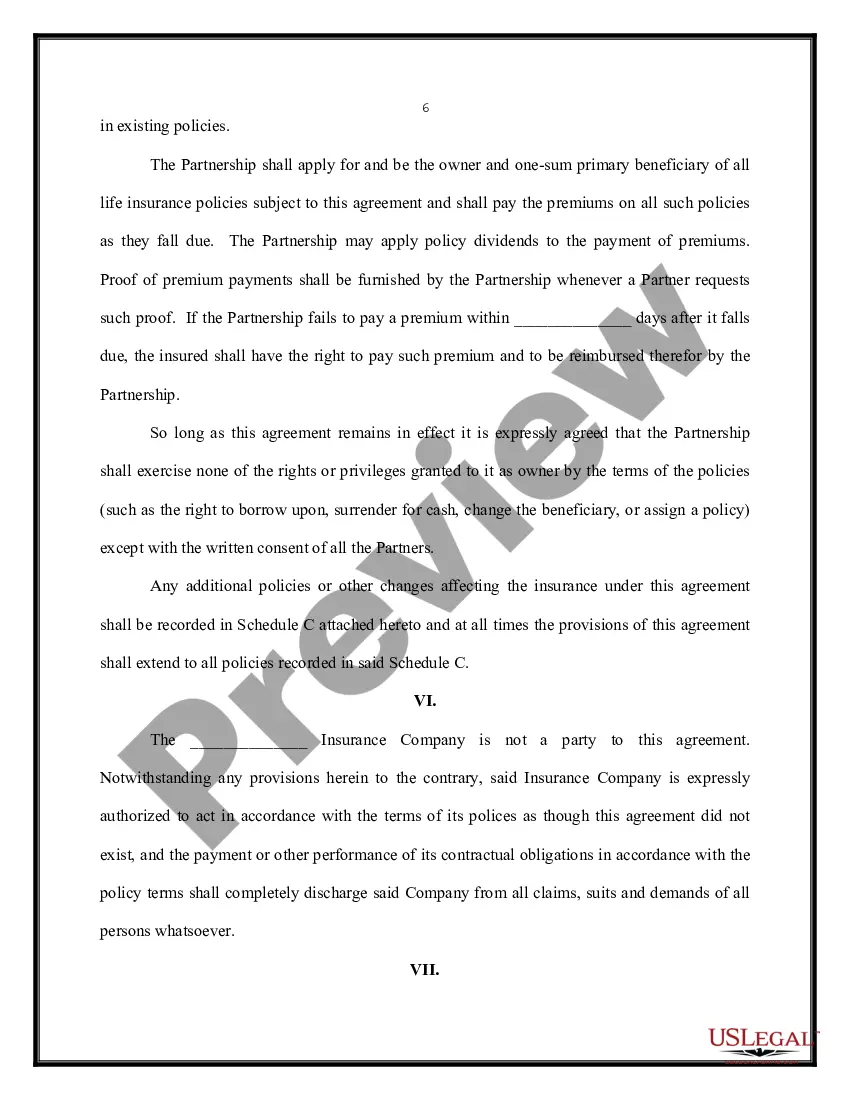
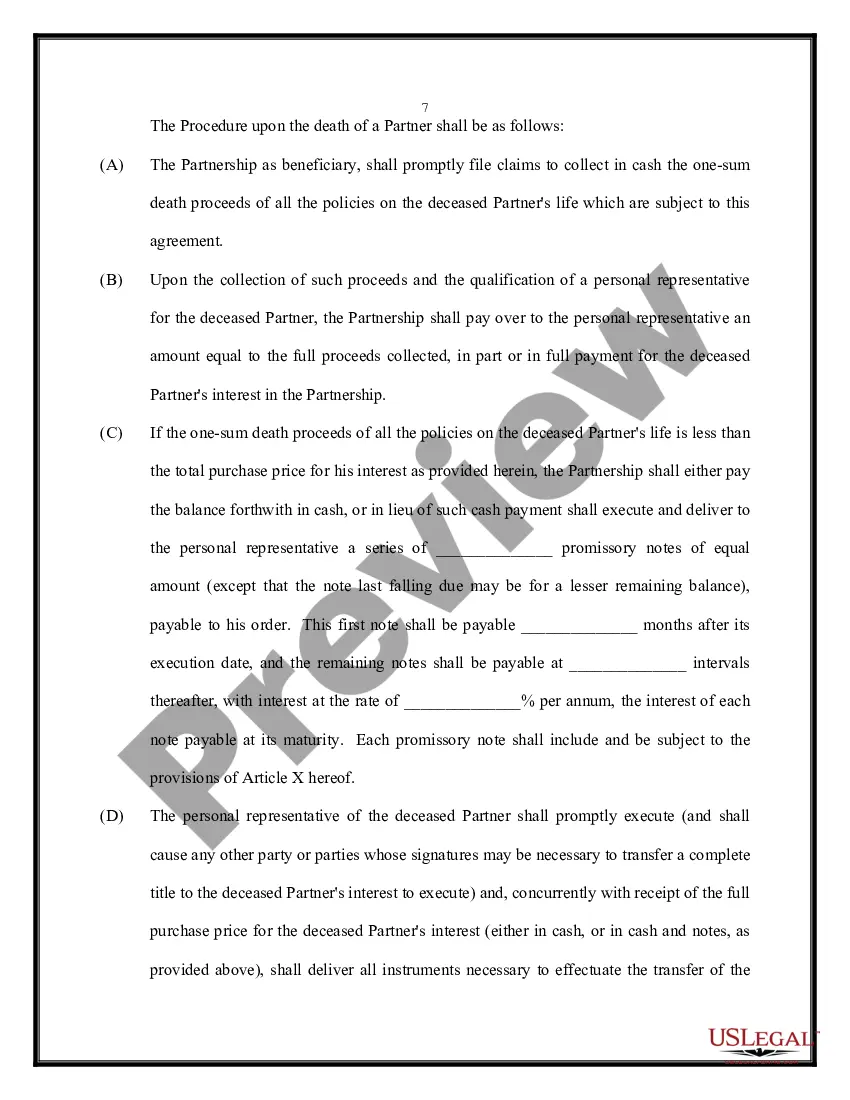
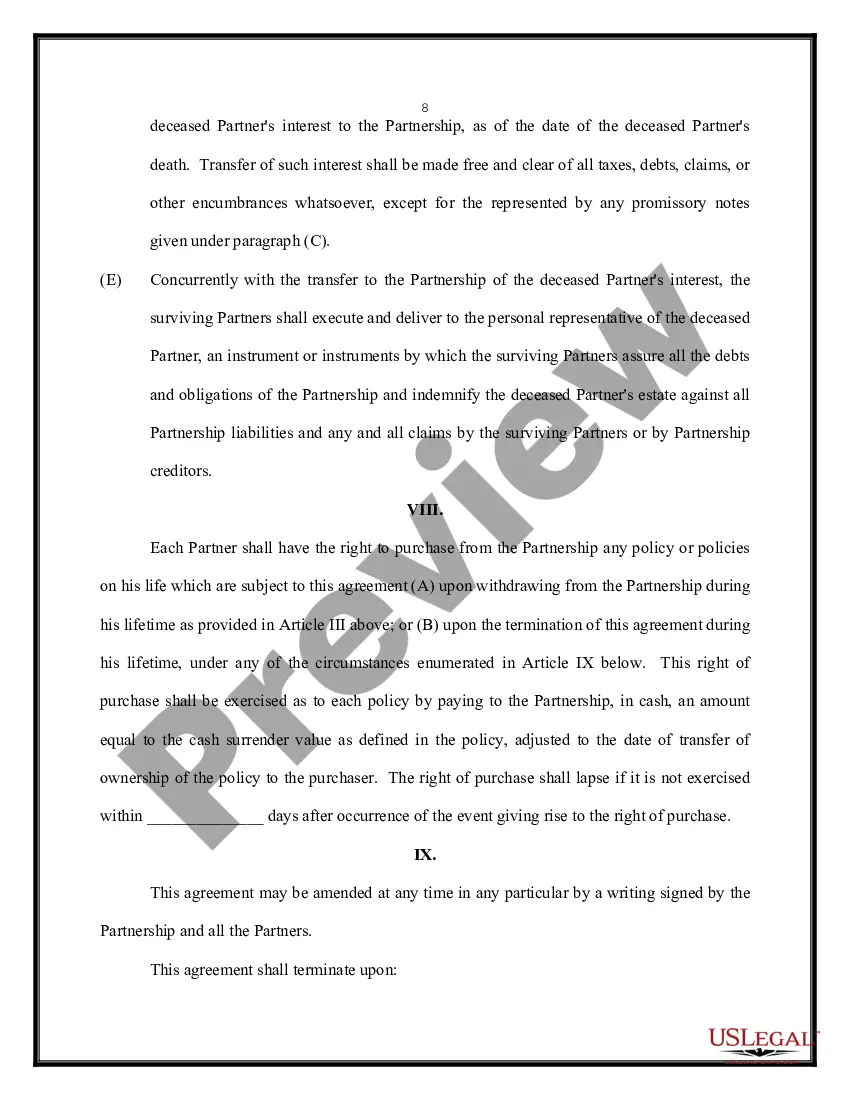
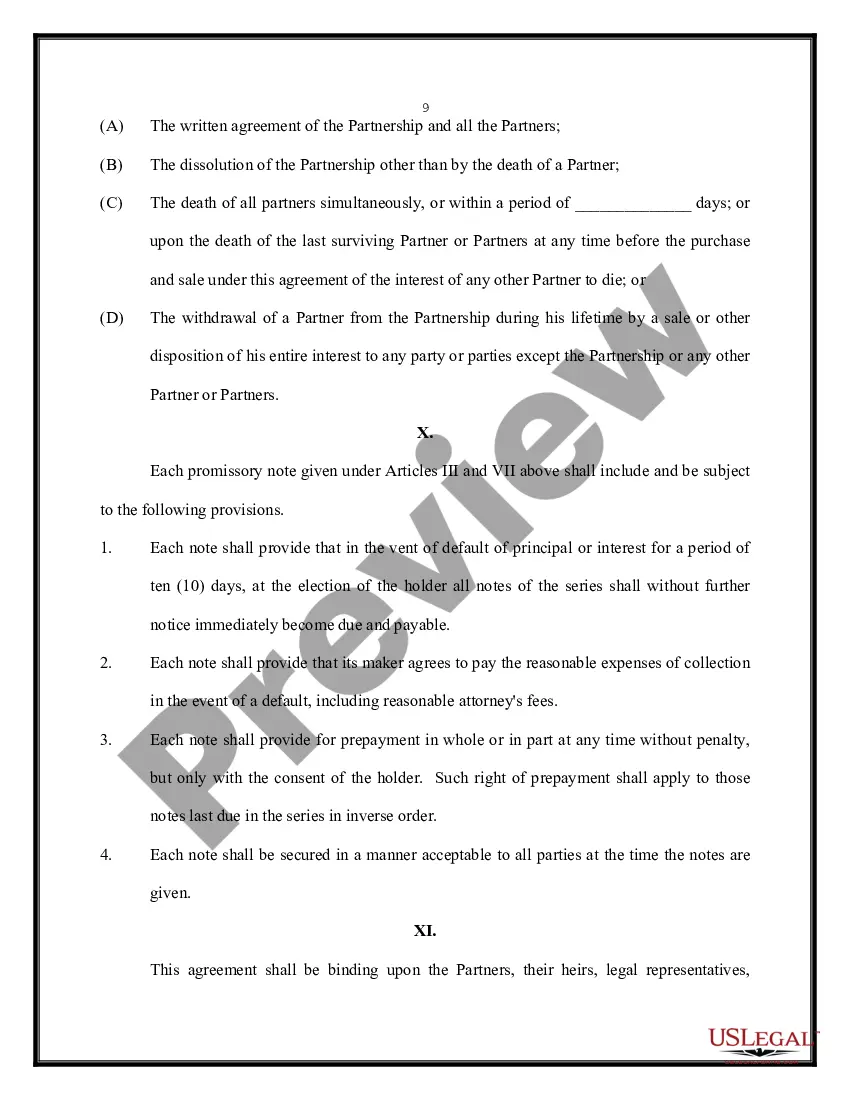
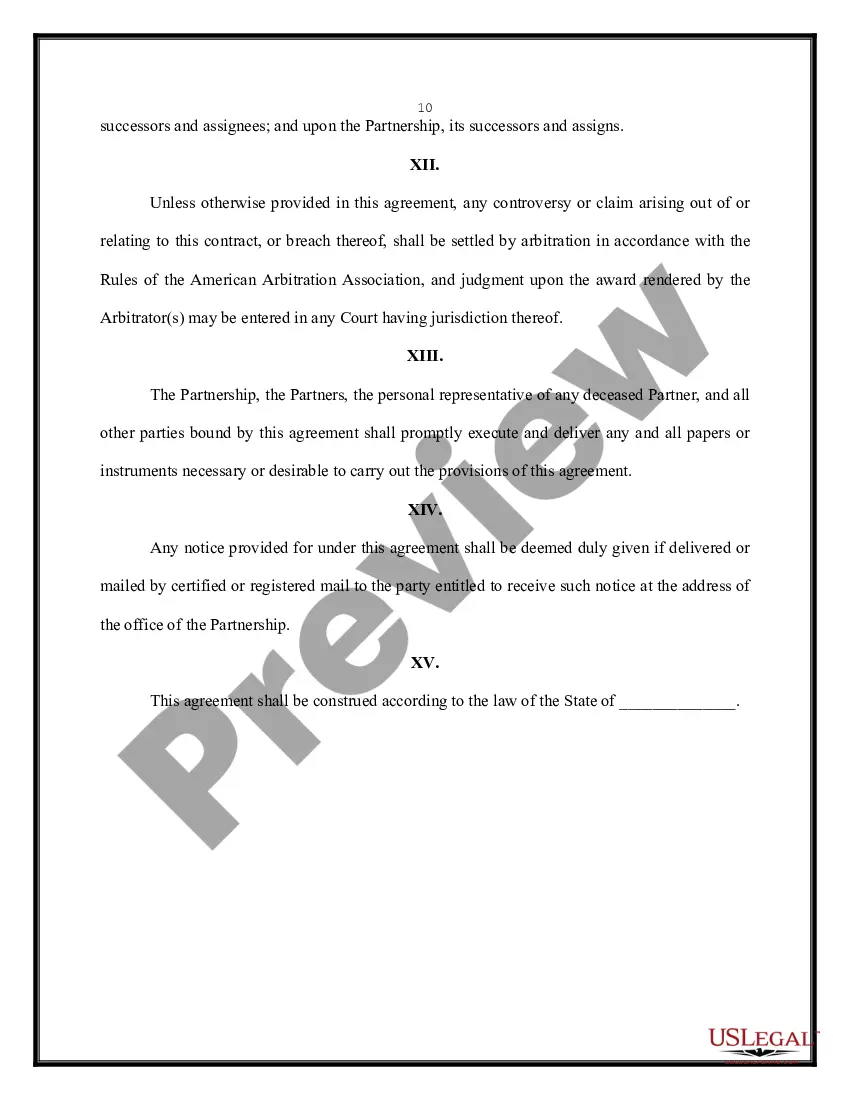
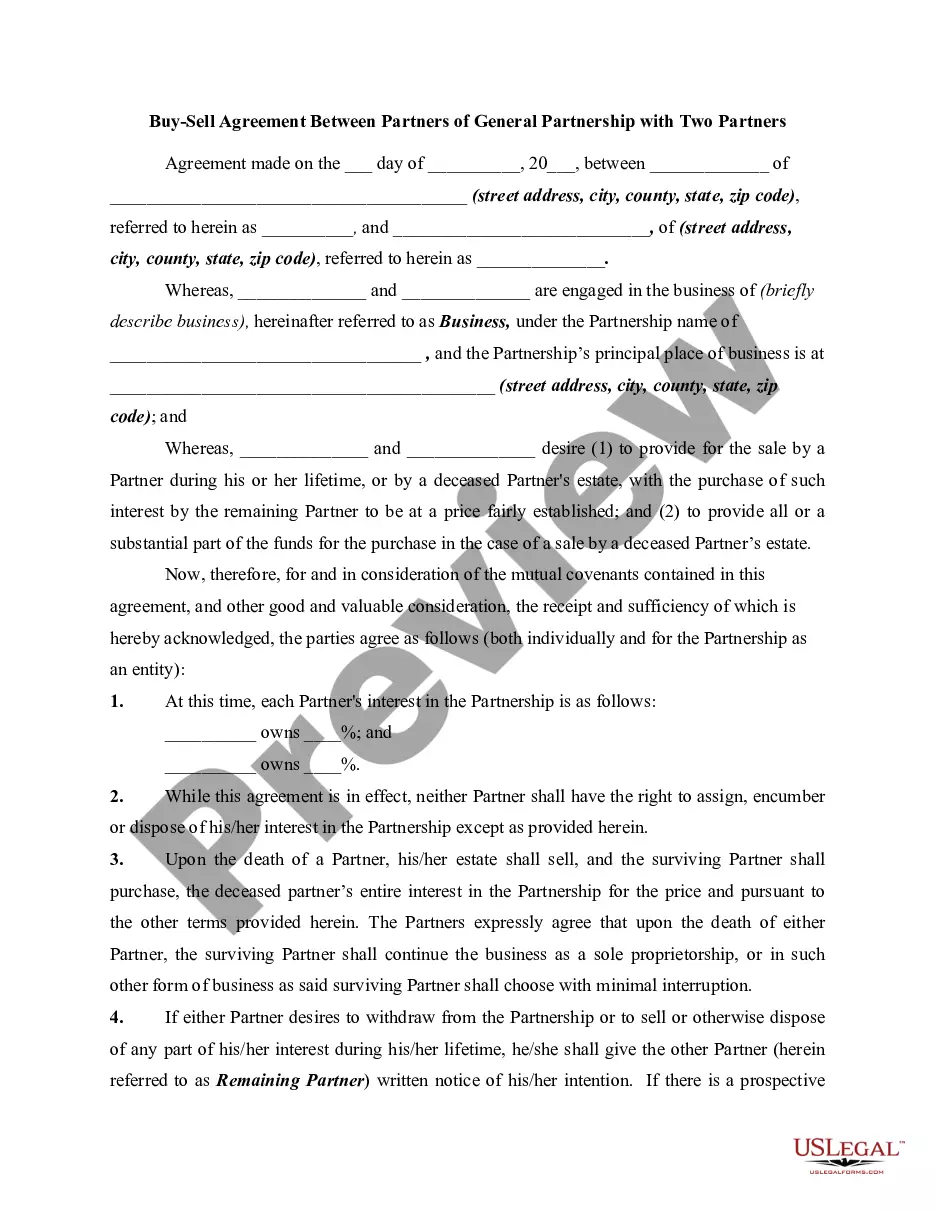
The Partnership Buyout Agreement Your path to an ownership sale will be simpler if you created a clear and thorough partnership buyout agreement when you started your company. The agreement should discuss what might lead to one of the partners wanting to sell her share and state the terms and timing that would apply.
Example of a General Partnership For example, let's say that Fred and Melissa decide to open a baking store. The store is named F&M Bakery. By opening a store together, Fred and Melissa are both general partners in the business, F&M Bakery.
Essentially, partners share in the profits and the debts of the daily workings of the business. Because of that, when one partner wants to sell, they cannot sell the entire business. They can only sell their assets – i.e., their share of the partnership.
