Contingency Removal Form For Roof In Wayne
Description







Get your form ready online
Our built-in tools help you complete, sign, share, and store your documents in one place.
Make edits, fill in missing information, and update formatting in US Legal Forms—just like you would in MS Word.
Download a copy, print it, send it by email, or mail it via USPS—whatever works best for your next step.
Sign and collect signatures with our SignNow integration. Send to multiple recipients, set reminders, and more. Go Premium to unlock E-Sign.
If this form requires notarization, complete it online through a secure video call—no need to meet a notary in person or wait for an appointment.
We protect your documents and personal data by following strict security and privacy standards.

Make edits, fill in missing information, and update formatting in US Legal Forms—just like you would in MS Word.

Download a copy, print it, send it by email, or mail it via USPS—whatever works best for your next step.

Sign and collect signatures with our SignNow integration. Send to multiple recipients, set reminders, and more. Go Premium to unlock E-Sign.

If this form requires notarization, complete it online through a secure video call—no need to meet a notary in person or wait for an appointment.

We protect your documents and personal data by following strict security and privacy standards.
Looking for another form?
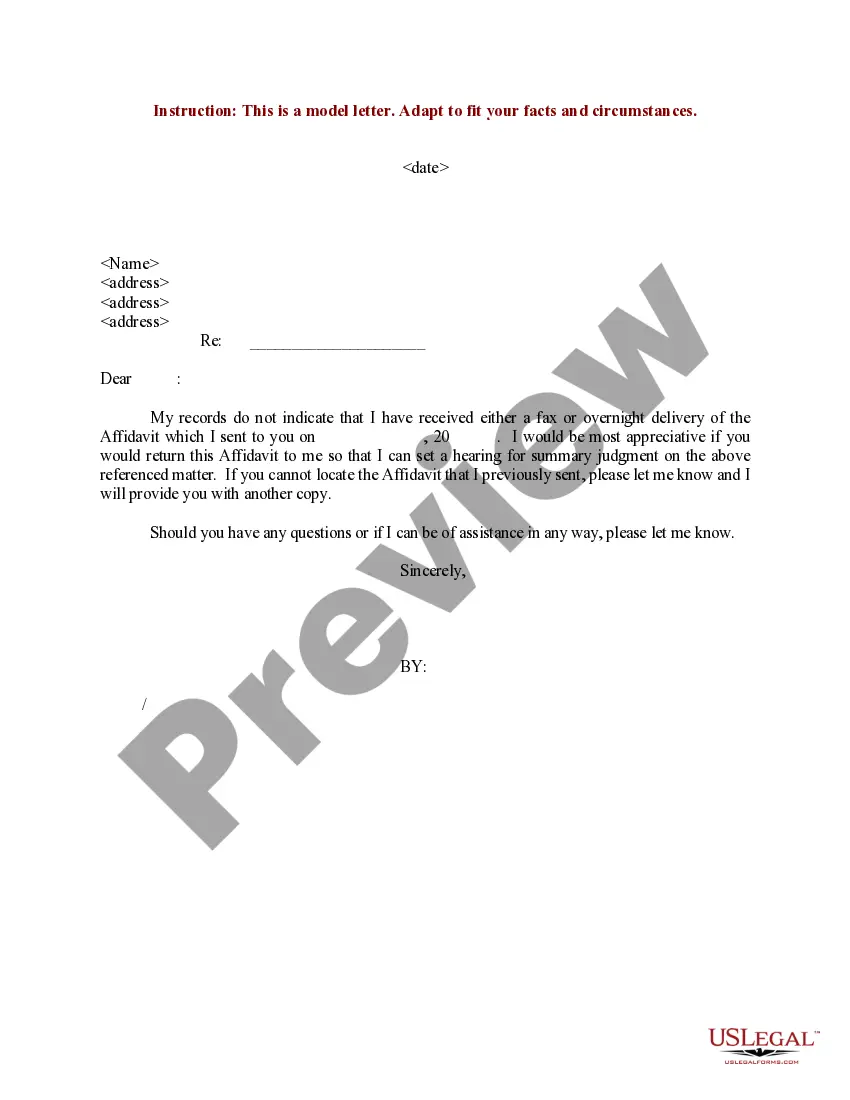







Form popularity
FAQ
The buyer has to provide one, or more, signed Contingency Removal forms. Each one removing, or more, of the contract contingencies. Once the buyer has removed all of them in writing, they may no longer receive a refund of their deposit.
The contingency period typically lasts 30 days, but it varies by state. If you're buying a house, your agent will help you navigate all of this—especially if there are any contingencies on your end that need to be met before moving forward with a transaction.
The contingent period usually lasts anywhere from 30 to 60 days. If you have a mortgage contingency, the buyer's due date is usually about a week before closing. Overall, a home stays in contingent status for the specified period or until the contingencies are met and the buyer closes on their new house.
Contracts for the Rotating Site changes as the operation rotates, and from C.C. Barrenland, must be unlocked by clearing the respective operation with a certain threshold of Risk: Clearing the operation for the first time unlocks all Level 1 Contracts. Clearing the operation with Risk 2 unlocks all Level 2 Contracts.
India Code: Section Details. Contingent contracts to do or not to do anything if an uncertain future event happens cannot be enforced by law unless and until that event has happened. If the event becomes impossible, such contracts become void.
One such contract is the contingency contract, which adds an element of flexibility and risk mitigation. Contingency contract is a legally binding document that specifies a condition that needs to be met before the contract can be executed.
Contingent homes are still waiting on certain pre-conditions to be met before the sale goes through, while pending homes have yet to finish processing the sale. If the home you want is contingent or pending, you may still be able to make an offer or view the property.
