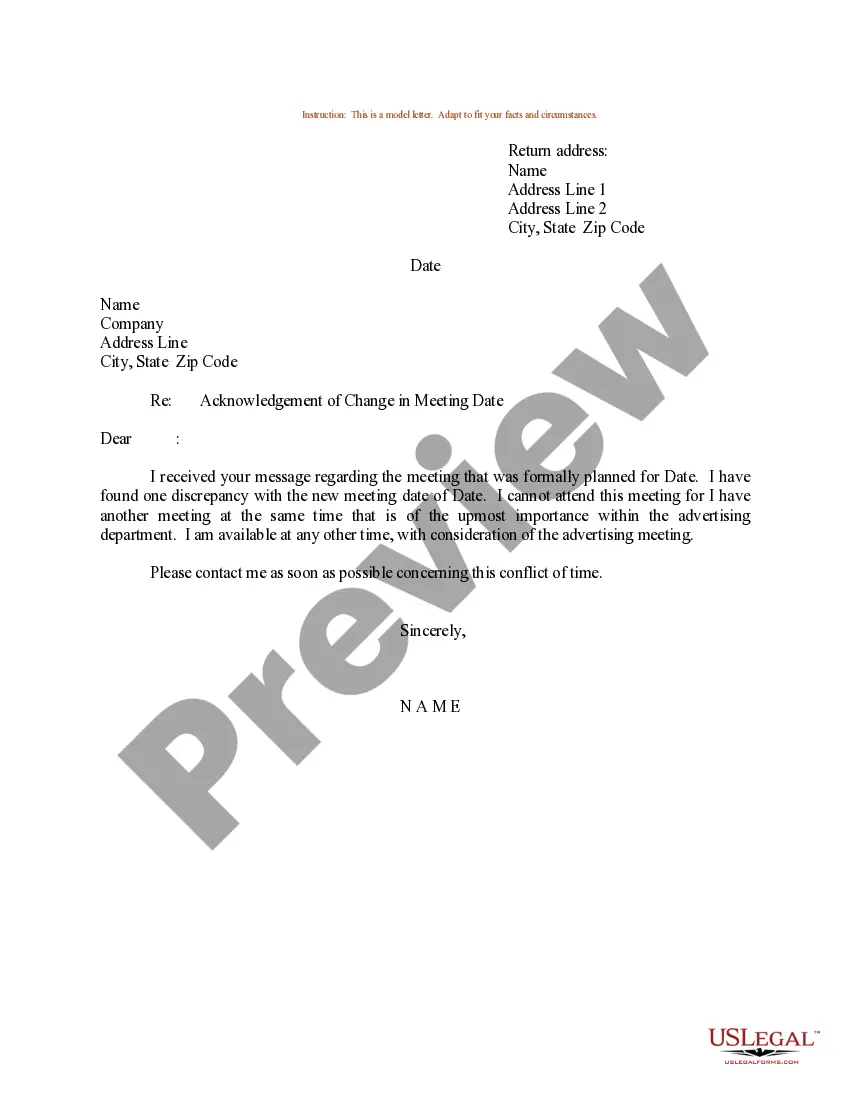
Contingency Contract In Real Estate In Suffolk
Description







Get your form ready online
Our built-in tools help you complete, sign, share, and store your documents in one place.
Make edits, fill in missing information, and update formatting in US Legal Forms—just like you would in MS Word.
Download a copy, print it, send it by email, or mail it via USPS—whatever works best for your next step.
Sign and collect signatures with our SignNow integration. Send to multiple recipients, set reminders, and more. Go Premium to unlock E-Sign.
If this form requires notarization, complete it online through a secure video call—no need to meet a notary in person or wait for an appointment.
We protect your documents and personal data by following strict security and privacy standards.

Make edits, fill in missing information, and update formatting in US Legal Forms—just like you would in MS Word.

Download a copy, print it, send it by email, or mail it via USPS—whatever works best for your next step.

Sign and collect signatures with our SignNow integration. Send to multiple recipients, set reminders, and more. Go Premium to unlock E-Sign.

If this form requires notarization, complete it online through a secure video call—no need to meet a notary in person or wait for an appointment.

We protect your documents and personal data by following strict security and privacy standards.
Looking for another form?
Form popularity
FAQ
A contingency is a potentially negative event that may occur in the future, such as an economic recession, natural disaster, or fraudulent activity. Companies and investors plan for various contingencies through analysis and implementing protective measures.
The three-term contingency (also known as the ABC contingency) is a psychological model describing operant conditioning in three terms consisting of a behavior, its consequence, and the environmental context, as applied in contingency management.
A contingency clause should clearly outline the conditions, how the conditions are to be fulfilled, and which party is responsible for fulfilling them. The clause should also provide a timeframe for what happens if the condition is not met.
The 3 Types of Group Contingencies. Group contingencies can be a powerful tool in ABA, using group dynamics to motivate behavior change. Let's explore the three main types: independent, dependent, and interdependent.
We want to help you prepare for the worst-case scenario, which is why we created this straightforward guide to three types of contingencies: Design contingencies. Bidding contingencies. Construction contingencies.
A home inspection contingency is often the most common real estate contingency. The National Association of Realtors® estimates that about 80% of buyers include a home inspection contingency in their contract.
Example of a Contingency Contract One straightforward example might be a child who agrees with their parent that if they get an A in a particular class, they will get a new bicycle. Of course, the contract may be verbal, and it may be between family members.
Implement a different type of group contingency. There are three different types: dependent, independent and interdependent.
Contingent homes are still waiting on certain pre-conditions to be met before the sale goes through, while pending homes have yet to finish processing the sale. If the home you want is contingent or pending, you may still be able to make an offer or view the property.