Contingency Removal Form For Real Estate In Pennsylvania
Description





Get your form ready online
Our built-in tools help you complete, sign, share, and store your documents in one place.
Make edits, fill in missing information, and update formatting in US Legal Forms—just like you would in MS Word.
Download a copy, print it, send it by email, or mail it via USPS—whatever works best for your next step.
Sign and collect signatures with our SignNow integration. Send to multiple recipients, set reminders, and more. Go Premium to unlock E-Sign.
If this form requires notarization, complete it online through a secure video call—no need to meet a notary in person or wait for an appointment.
We protect your documents and personal data by following strict security and privacy standards.

Make edits, fill in missing information, and update formatting in US Legal Forms—just like you would in MS Word.

Download a copy, print it, send it by email, or mail it via USPS—whatever works best for your next step.

Sign and collect signatures with our SignNow integration. Send to multiple recipients, set reminders, and more. Go Premium to unlock E-Sign.

If this form requires notarization, complete it online through a secure video call—no need to meet a notary in person or wait for an appointment.

We protect your documents and personal data by following strict security and privacy standards.
Looking for another form?
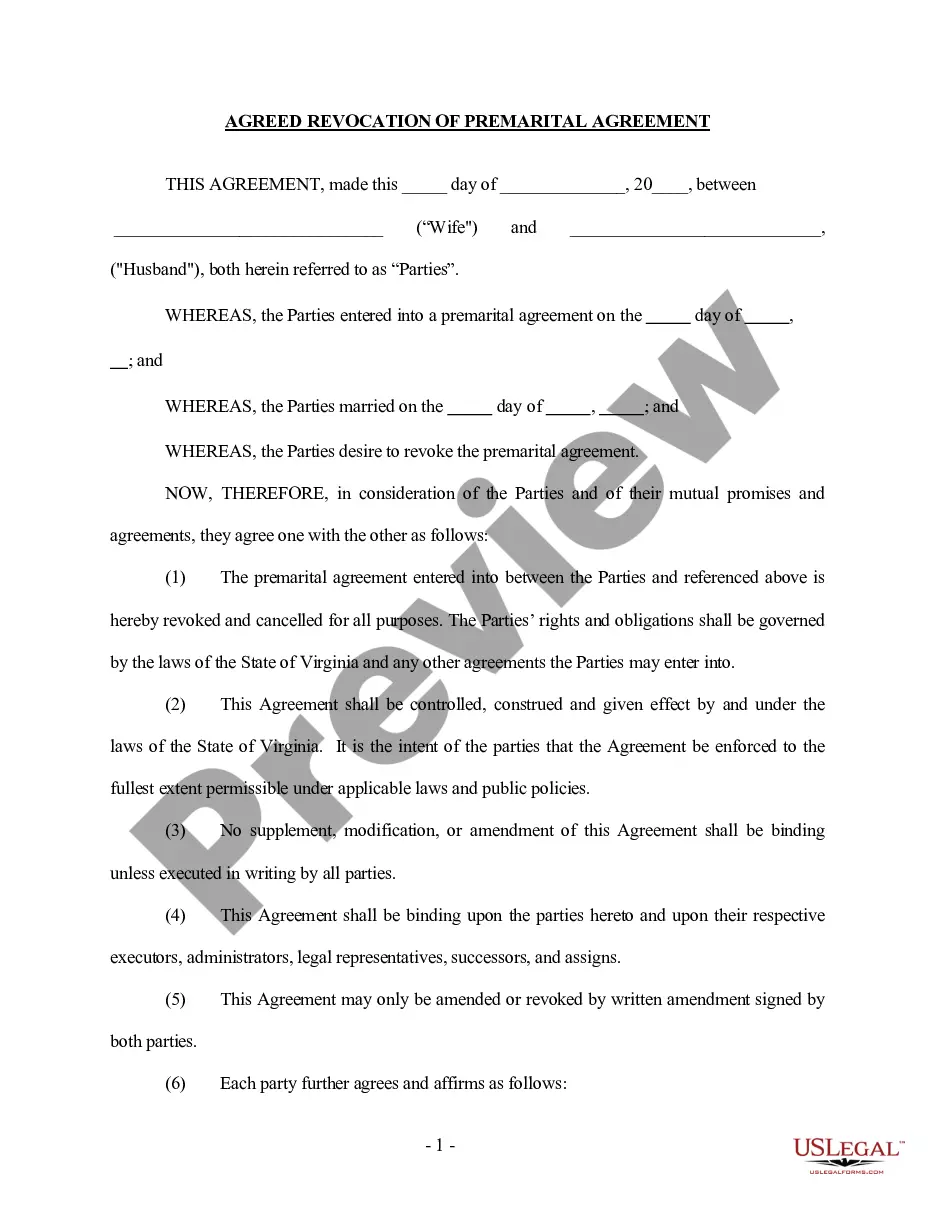
Form popularity
FAQ
Removing Contingencies The buyer has to provide one, or more, signed Contingency Removal forms. Each one removing, or more, of the contract contingencies. Once the buyer has removed all of them in writing, they may no longer receive a refund of their deposit.
Rather, the buyer signs a contingency removal form, the parties move forward because they believe that all issues regarding repairs and the contingency removal have been resolved, and there is typically no other written acceptance of the Release by the buyer.
The contingency removal form is actually designed to cover the removal of both buyer and seller contingencies. The first section of the form focuses on contingencies that allow the buyer to back out. The second section deals with the seller's removal of a seller contingency.
You're essentially agreeing to take your property off the market temporarily, banking on the buyer's ability to sell their home. The silver lining? The kickout clause. This part of the agreement gives you the right to "kick out" the buyer if you receive another offer that you're willing to accept.
The Kick-Out Clause A kick-out clause is a specific contingency that allows a home seller to accept a backup offer if the initial buyer has not fulfilled the listed contingencies. With a kick-out clause, the buyer agrees to void the contract if the seller receives a better offer from another buyer or real estate agent.
What is a “kick out” clause and how does it work? A kick out clause is called that because it allows a seller to continue showing the house for sale and to “kick out” the buyer if the seller receives an offer from another buyer without a home sale contingency. Generally, this is how a kick out clause works.
Inspection Contingency It covers the buyers' physical inspection and the title report or homeowner's association documents. Generally, buyers have 17 days to remove the inspection contingency.