Contingency Lawyer For Defamation In Oakland
Description







Get your form ready online
Our built-in tools help you complete, sign, share, and store your documents in one place.
Make edits, fill in missing information, and update formatting in US Legal Forms—just like you would in MS Word.
Download a copy, print it, send it by email, or mail it via USPS—whatever works best for your next step.
Sign and collect signatures with our SignNow integration. Send to multiple recipients, set reminders, and more. Go Premium to unlock E-Sign.
If this form requires notarization, complete it online through a secure video call—no need to meet a notary in person or wait for an appointment.
We protect your documents and personal data by following strict security and privacy standards.

Make edits, fill in missing information, and update formatting in US Legal Forms—just like you would in MS Word.

Download a copy, print it, send it by email, or mail it via USPS—whatever works best for your next step.

Sign and collect signatures with our SignNow integration. Send to multiple recipients, set reminders, and more. Go Premium to unlock E-Sign.

If this form requires notarization, complete it online through a secure video call—no need to meet a notary in person or wait for an appointment.

We protect your documents and personal data by following strict security and privacy standards.
Looking for another form?






Form popularity
FAQ
Truth is the best defense to defamation. For example if sued for calling a person a criminal, then the defendant could produce a valid record of a criminal conviction, properly certified and exemplified and the defendant would probably be granted summary judgement.
The statute of limitations for defamation lawsuits in California is one year, per California Code of Civil Procedure section 340(c). This means that you must file a lawsuit within one year of the date the alleged defamatory statement was made.
Can my opinion be defamatory? No—but merely labeling a statement as your "opinion" does not make it so. Courts look at whether a reasonable reader or listener could understand the statement as asserting a statement of verifiable fact. (A verifiable fact is one capable of being proven true or false.)
Defamation Statute of Limitations The statute of limitations for defamation lawsuits in California is one year, per California Code of Civil Procedure section 340(c). This means that you must file a lawsuit within one year of the date the alleged defamatory statement was made.
Under the “substantial truth” doctrine, a statement is considered true (and thus protected from liability for defamation) if the “gist” or “sting” of the statement is true even if the statement is not completely accurate. If the “gist” of the statement is true, the court will disregard small errors in detail.
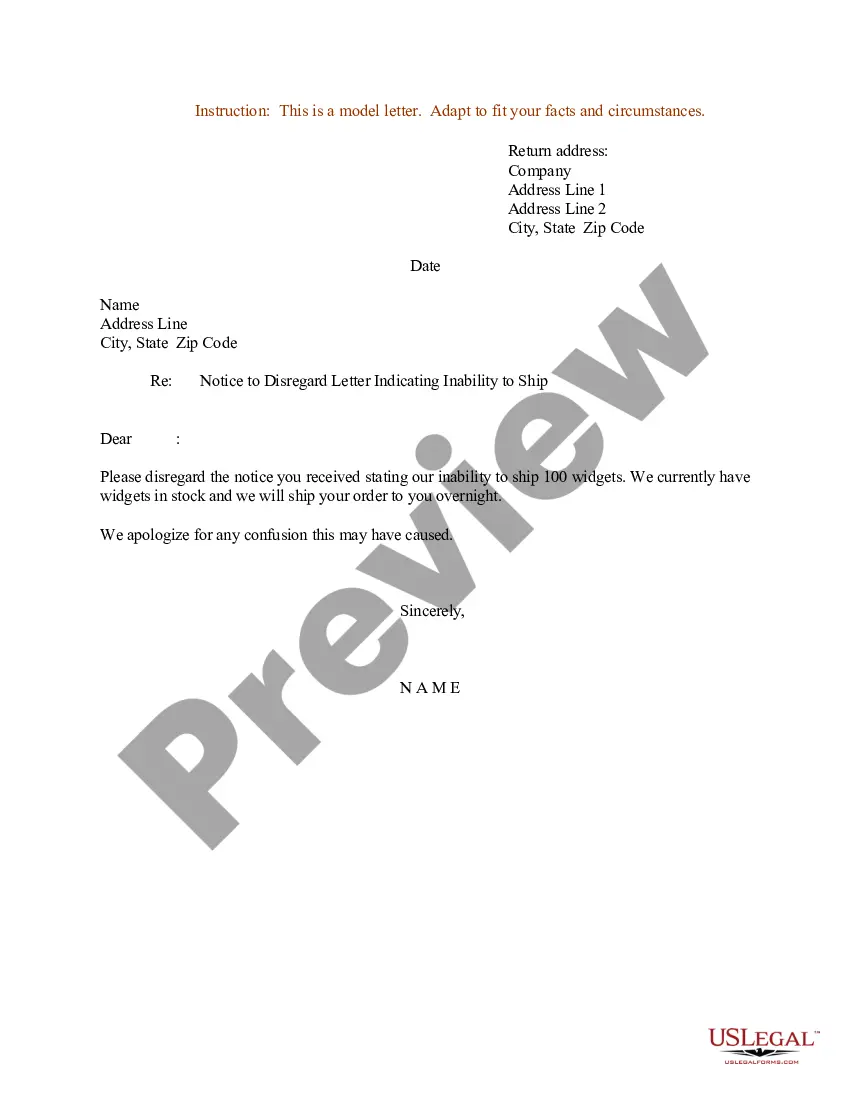
I am writing because you recently made defamatory statements about me my company my company and me. I ask that you immediately retract these statements. On date, you summarize what recipient did that is defamatory.
The most common defenses to defamation are: 1) truth; 2) consent; 3) privilege; and 4) the statute of limitations. Perhaps the most distinct aspect of the defamation cause of action is that falsity is required. In other words, the statement publicized about the plaintiff must be false in order to prove defamation.
If you decide to do it alone, your letter should state the specific defamatory statements made, confirm that they are defamatory, indicate the reputational harm caused, demand an apology and retraction of those statements, and demand that they cease making further statements failing which you will sue them.
Generally, to win a defamation lawsuit, you must prove that: Someone made a statement; The statement was published; The statement caused your injury; The statement was false; and. The statement did not fall into a privileged category.
In cases involving public figures or matters of public concern, the burden is on you to prove falsity. In cases involving matters of purely private concern, the burden of proving the truth is on the defendant. A defendant does not have to show the literal truth of every word in an alleged defamatory statement.
