Contingency In Law Meaning In Minnesota
Description







Get your form ready online
Our built-in tools help you complete, sign, share, and store your documents in one place.
Make edits, fill in missing information, and update formatting in US Legal Forms—just like you would in MS Word.
Download a copy, print it, send it by email, or mail it via USPS—whatever works best for your next step.
Sign and collect signatures with our SignNow integration. Send to multiple recipients, set reminders, and more. Go Premium to unlock E-Sign.
If this form requires notarization, complete it online through a secure video call—no need to meet a notary in person or wait for an appointment.
We protect your documents and personal data by following strict security and privacy standards.

Make edits, fill in missing information, and update formatting in US Legal Forms—just like you would in MS Word.

Download a copy, print it, send it by email, or mail it via USPS—whatever works best for your next step.

Sign and collect signatures with our SignNow integration. Send to multiple recipients, set reminders, and more. Go Premium to unlock E-Sign.

If this form requires notarization, complete it online through a secure video call—no need to meet a notary in person or wait for an appointment.

We protect your documents and personal data by following strict security and privacy standards.
Looking for another form?




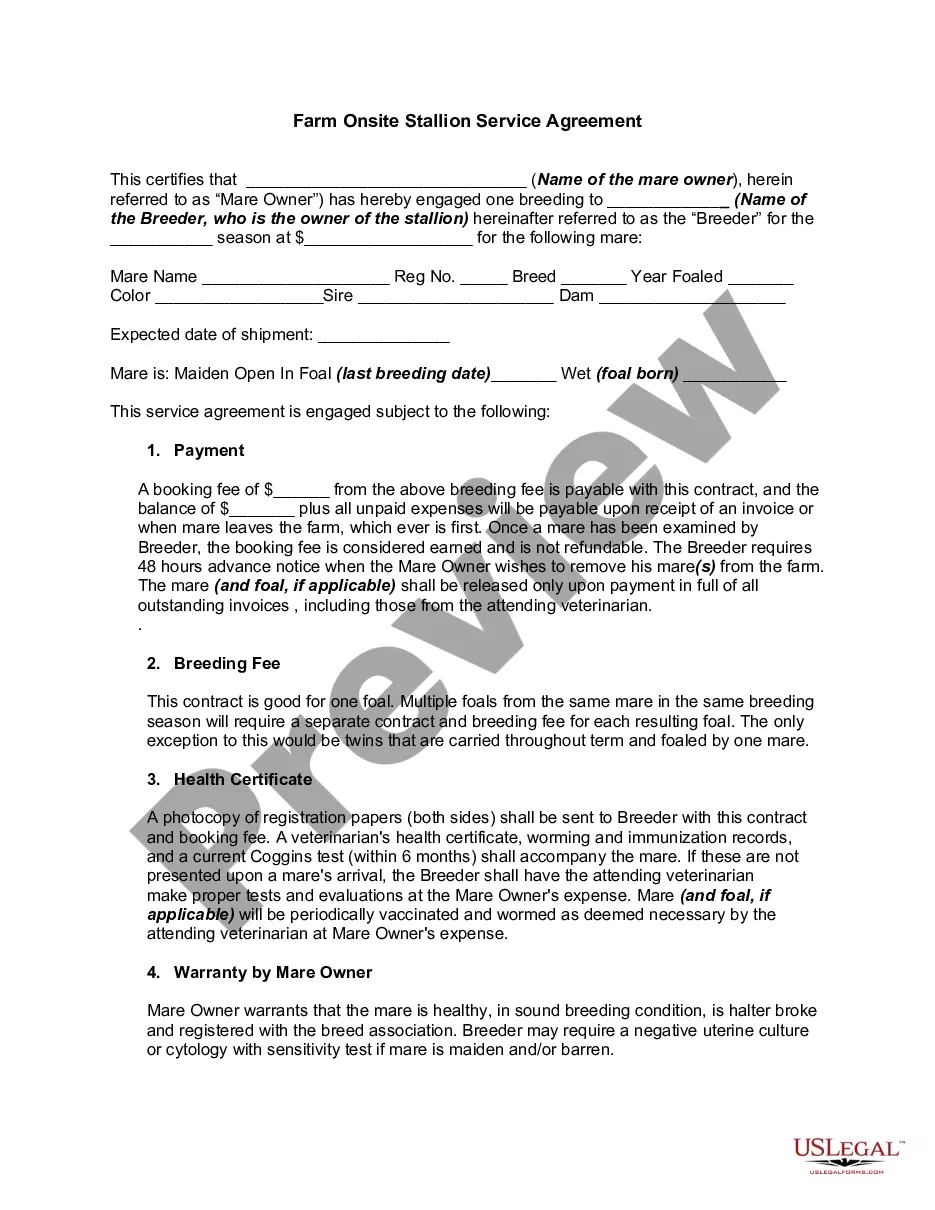



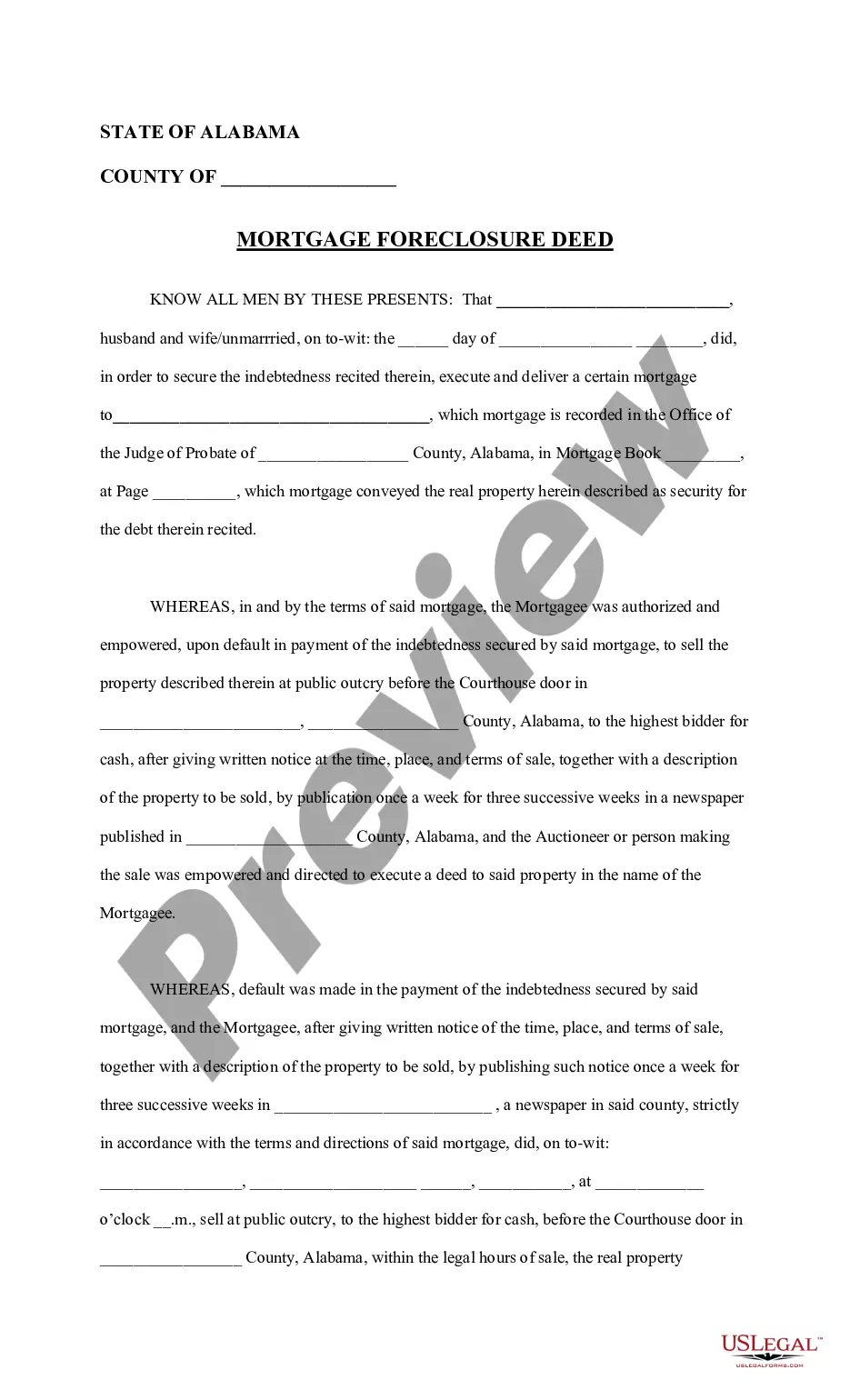

Form popularity
FAQ
Contingent means that an event may or may not occur in the future, depending on the fulfillment of some condition that is uncertain. This term is often used in contracts where the event will not take effect until the specified condition occurs.
Contingency refers to an event that may or may not occur in the future. In other words, it depends on fulfillment of a condition, which is uncertain or incidental.
Contingent adj 1 : likely but not certain to happen compare executory. 2 : intended for use in circumstances not completely foreseen a fund 3 : dependent on or conditioned by something else a claim a legacy on the marriage compare vested.
The contingency rules theory assumes that: (I) compliance-gaining and com- pliance-resisting activities are governed antecedently by jive varieties of sev- evaluative and adaptive contingency rules; (2) the actual contexts where social influence agents interact determine the configuration of rules governing their ...
Contingent means that an event may or may not occur in the future, depending on the fulfillment of some condition that is uncertain. This term is often used in contracts where the event will not take effect until the specified condition occurs.
In logic, contingency is the feature of a statement making it neither necessary nor impossible. Contingency is a fundamental concept of modal logic. Modal logic concerns the manner, or mode, in which statements are true. Contingency is one of three basic modes alongside necessity and possibility.
Misjoinder and Nonjoinder of Parties. Misjoinder of parties is not ground for dismissal of an action. Parties may be dropped or added by order of the court on motion of any party or upon the court's own initiative at any stage of the action and on such terms as are just.
The Most Common Cases that Do Not Operate on Contingency Fees Criminal defense cases. Divorce attorneys. Family law attorneys. Domestic relations cases. Business-related cases. Contracts and closings.
The term "contingency" refers to the fact that the payment is dependent on the successful completion of the agreed-upon task, such as a court case or a business deal.
Contingent means that an event may or may not occur in the future, depending on the fulfillment of some condition that is uncertain. This term is often used in contracts where the event will not take effect until the specified condition occurs.
