Contingency In Law Meaning In Collin
Description







Get your form ready online
Our built-in tools help you complete, sign, share, and store your documents in one place.
Make edits, fill in missing information, and update formatting in US Legal Forms—just like you would in MS Word.
Download a copy, print it, send it by email, or mail it via USPS—whatever works best for your next step.
Sign and collect signatures with our SignNow integration. Send to multiple recipients, set reminders, and more. Go Premium to unlock E-Sign.
If this form requires notarization, complete it online through a secure video call—no need to meet a notary in person or wait for an appointment.
We protect your documents and personal data by following strict security and privacy standards.

Make edits, fill in missing information, and update formatting in US Legal Forms—just like you would in MS Word.

Download a copy, print it, send it by email, or mail it via USPS—whatever works best for your next step.

Sign and collect signatures with our SignNow integration. Send to multiple recipients, set reminders, and more. Go Premium to unlock E-Sign.

If this form requires notarization, complete it online through a secure video call—no need to meet a notary in person or wait for an appointment.

We protect your documents and personal data by following strict security and privacy standards.
Looking for another form?
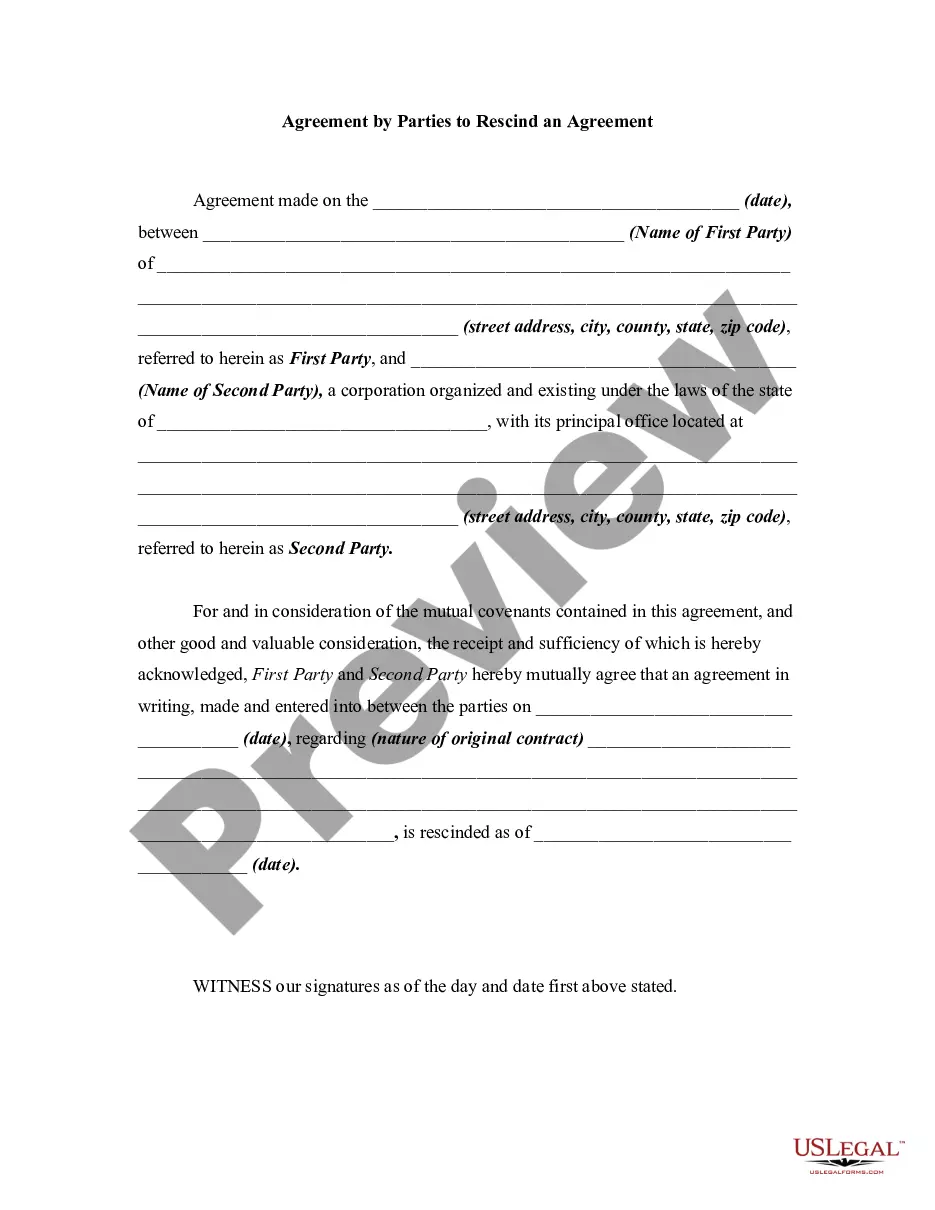
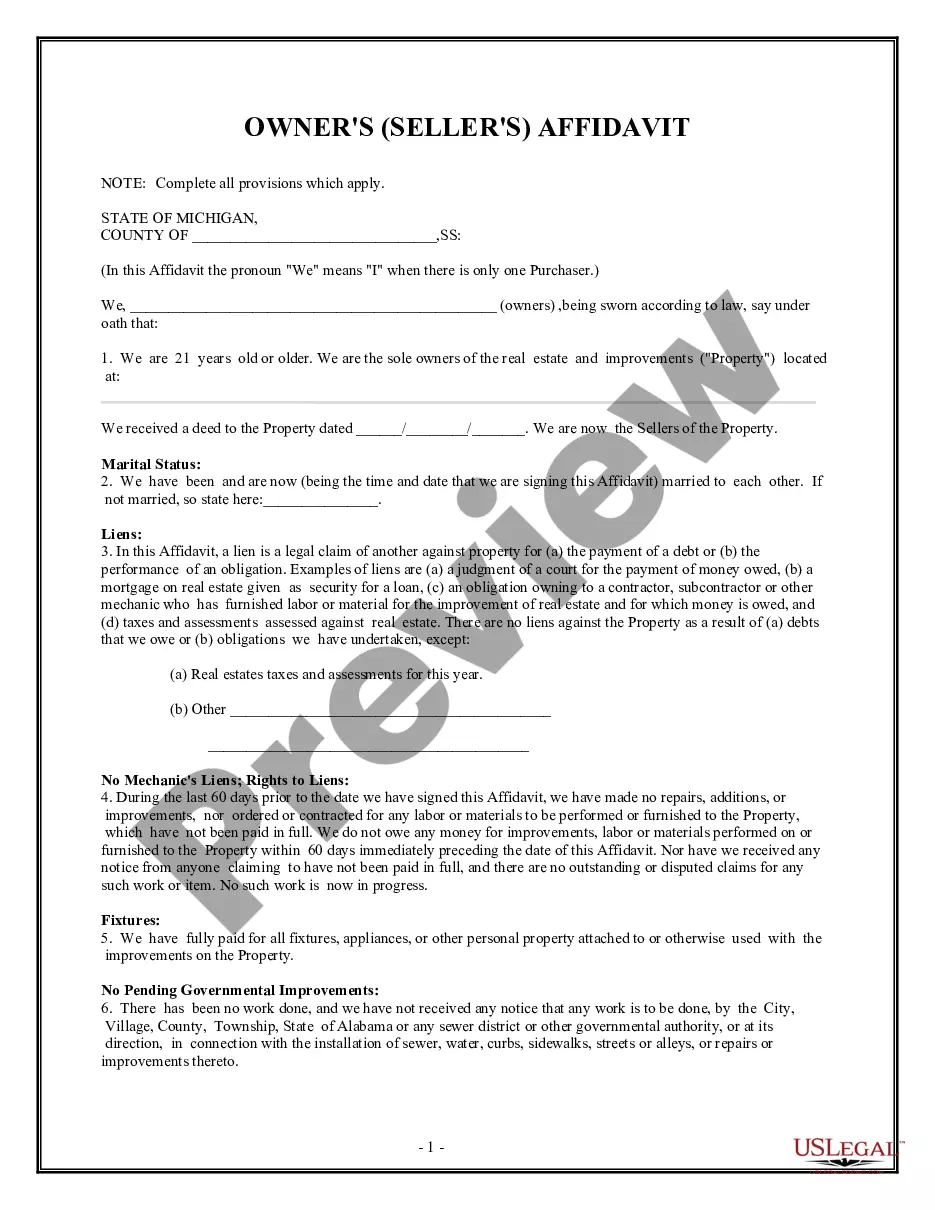
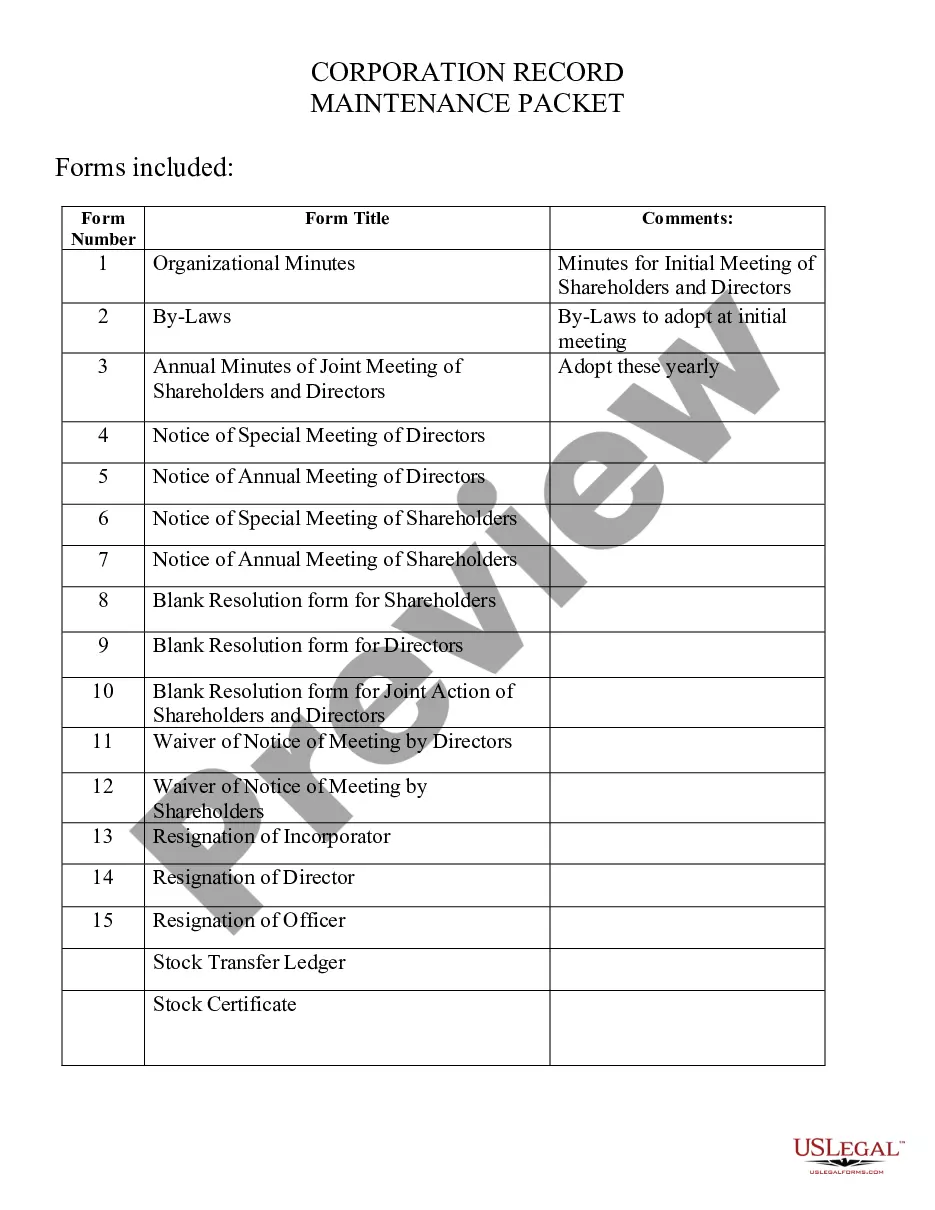






Form popularity
FAQ
Contingency theory is a management approach that recognizes the influence of situational variables on effective management. It emphasizes that good management practices can vary depending on factors such as leadership style, job design, decision-making participation, and organizational structure.
Contingent means that an event may or may not occur in the future, depending on the fulfillment of some condition that is uncertain. This term is often used in contracts where the event will not take effect until the specified condition occurs.
Examples of Contingent Reinforcement Praise: A teacher praises a student immediately after they raise their hand to answer a question, reinforcing the behavior of raising their hand instead of calling out.
A contingency is an event you can't be sure will happen or not. The noun contingency describes something that might or might not happen. We use it to describe an event or situation that is a possible outcome but one that's impossible to predict with certainty.
Contingency refers to the specified dependencies or relations between behavior and its antecedents and consequences. The word “contingent' implies a dependent relation between the behavior and its consequences and/or antecedent (Mayer et al., 213, p.
The term contingency means that the reward or punishment is dependent on the individual`s behavior. It is a positive reinforcement technique that has been widely used in schools, businesses, and healthcare facilities to help individuals change their behaviors.
A contingency clause is a contract provision that requires a specific event or action to take place in order for the contract to be considered valid.
Contingent means that an event may or may not occur in the future, depending on the fulfillment of some condition that is uncertain. This term is often used in contracts where the event will not take effect until the specified condition occurs.
What Is a Contingency? A contingency is a potential occurrence of a negative event in the future, such as an economic recession, natural disaster, fraudulent activity, terrorist attack, or a pandemic.
