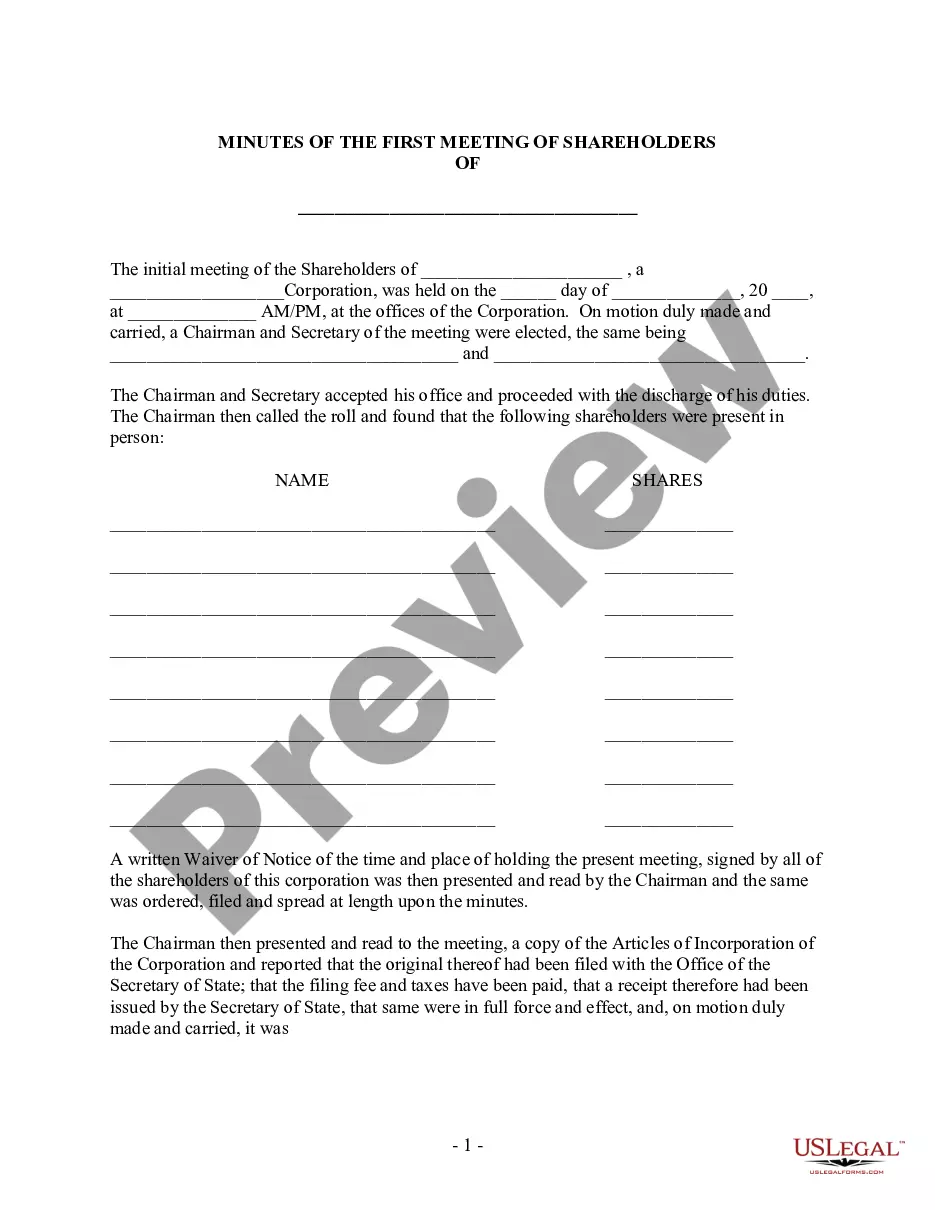
Compra Venta Contrato With English In Chicago
Description


Get your form ready online
Our built-in tools help you complete, sign, share, and store your documents in one place.
Make edits, fill in missing information, and update formatting in US Legal Forms—just like you would in MS Word.
Download a copy, print it, send it by email, or mail it via USPS—whatever works best for your next step.
Sign and collect signatures with our SignNow integration. Send to multiple recipients, set reminders, and more. Go Premium to unlock E-Sign.
If this form requires notarization, complete it online through a secure video call—no need to meet a notary in person or wait for an appointment.
We protect your documents and personal data by following strict security and privacy standards.

Make edits, fill in missing information, and update formatting in US Legal Forms—just like you would in MS Word.

Download a copy, print it, send it by email, or mail it via USPS—whatever works best for your next step.

Sign and collect signatures with our SignNow integration. Send to multiple recipients, set reminders, and more. Go Premium to unlock E-Sign.

If this form requires notarization, complete it online through a secure video call—no need to meet a notary in person or wait for an appointment.

We protect your documents and personal data by following strict security and privacy standards.
Looking for another form?








Form popularity
FAQ
“Chi-CAH-go” There's some disagreement among locals as to which of these common pronunciations is the correct way to pronounce Chicago. As a visitor, saying either “Chi-CAW-go” or “Chi-CAH-go” will sound just fine.
The most-accepted Chicago meaning is a word that comes from the Algonquin language: “shikaakwa,” meaning “striped skunk” or “onion.” ing to early explorers, the lakes and streams around Chicago were full of wild onions, leeks, and ramps.
But this time, netizens are using “Chicago” to describe the place or person to whom they felt that they belonged, a person or a place they can call home or their comfort zone. Users now are sharing clips of their own Chicago with the song by Djo “End of Beginning.”
The Chicago Manual of Style is an American English style and usage guide published continuously by the University of Chicago Press since 1906. Today, it is used widely in many academic disciplines and is considered the standard for US style in book publishing.
Nearly 80% of the population speak English natively, and most others speak it fluently as a second language. The forms of American English spoken in Illinois range from Inland Northern near Chicago and the northern part of the state, to Midland and Southern dialects further downstate.
Chicago. The name “Chicago” derives from a word in the language spoken by the Miami and Illinois peoples meaning “striped skunk, ” a word they also applied to the wild leek (known to later botanists as Allium tricoccum ).