Agreement Commercial Property With Living Space In Santa Clara
Description

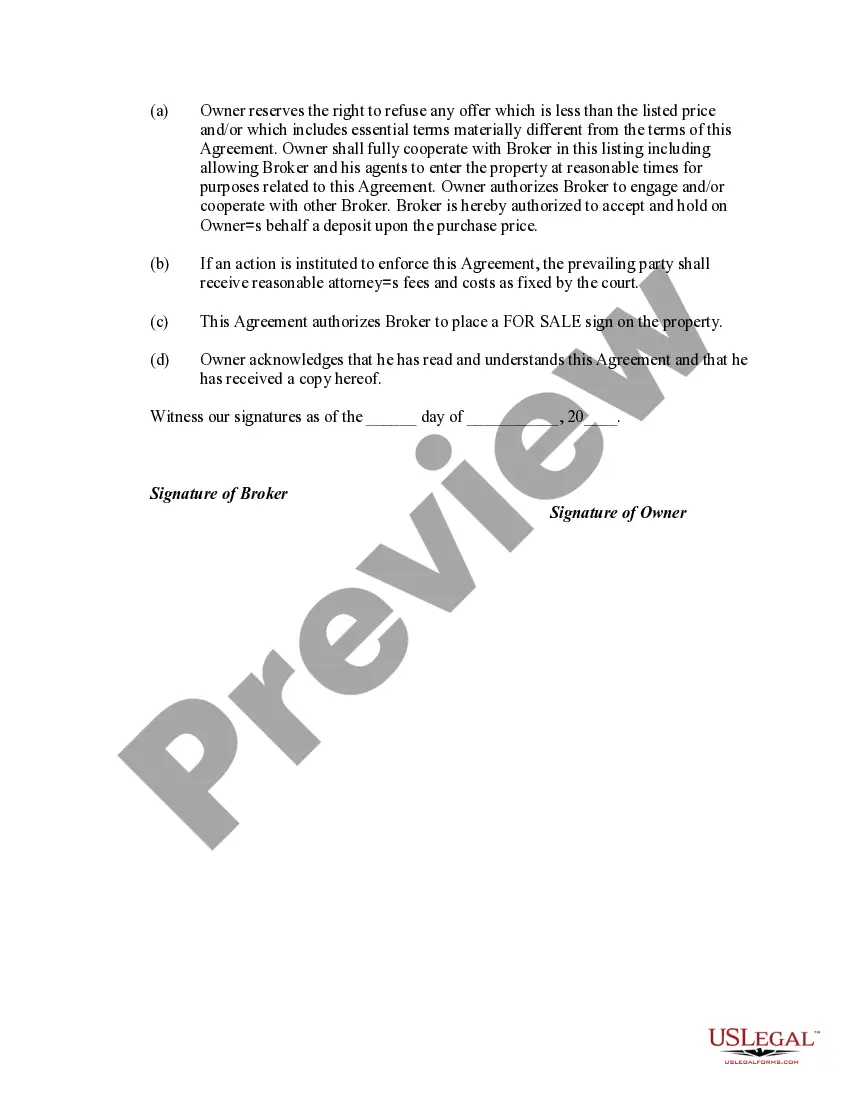

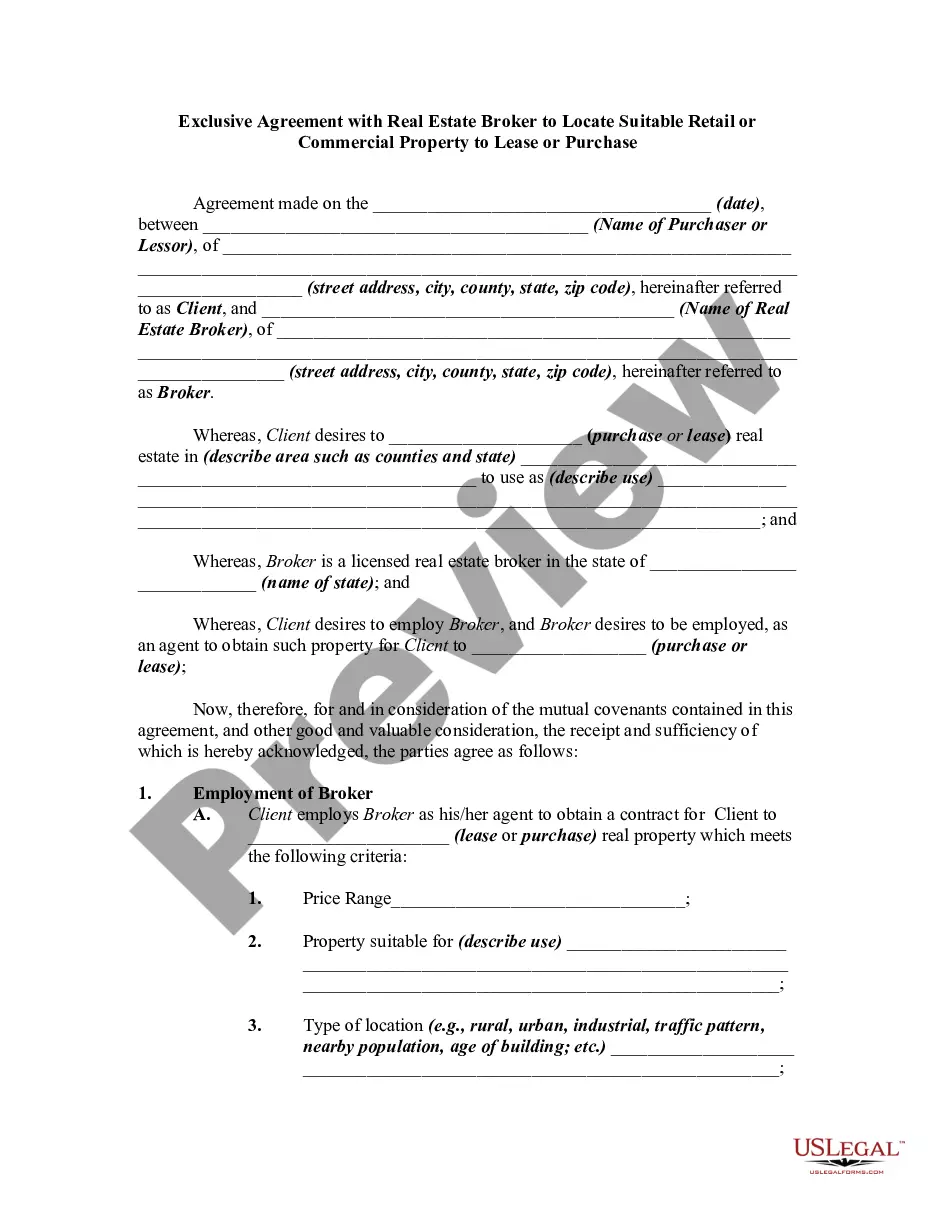
Get your form ready online
Our built-in tools help you complete, sign, share, and store your documents in one place.
Make edits, fill in missing information, and update formatting in US Legal Forms—just like you would in MS Word.
Download a copy, print it, send it by email, or mail it via USPS—whatever works best for your next step.
Sign and collect signatures with our SignNow integration. Send to multiple recipients, set reminders, and more. Go Premium to unlock E-Sign.
If this form requires notarization, complete it online through a secure video call—no need to meet a notary in person or wait for an appointment.
We protect your documents and personal data by following strict security and privacy standards.

Make edits, fill in missing information, and update formatting in US Legal Forms—just like you would in MS Word.

Download a copy, print it, send it by email, or mail it via USPS—whatever works best for your next step.

Sign and collect signatures with our SignNow integration. Send to multiple recipients, set reminders, and more. Go Premium to unlock E-Sign.

If this form requires notarization, complete it online through a secure video call—no need to meet a notary in person or wait for an appointment.

We protect your documents and personal data by following strict security and privacy standards.
Looking for another form?

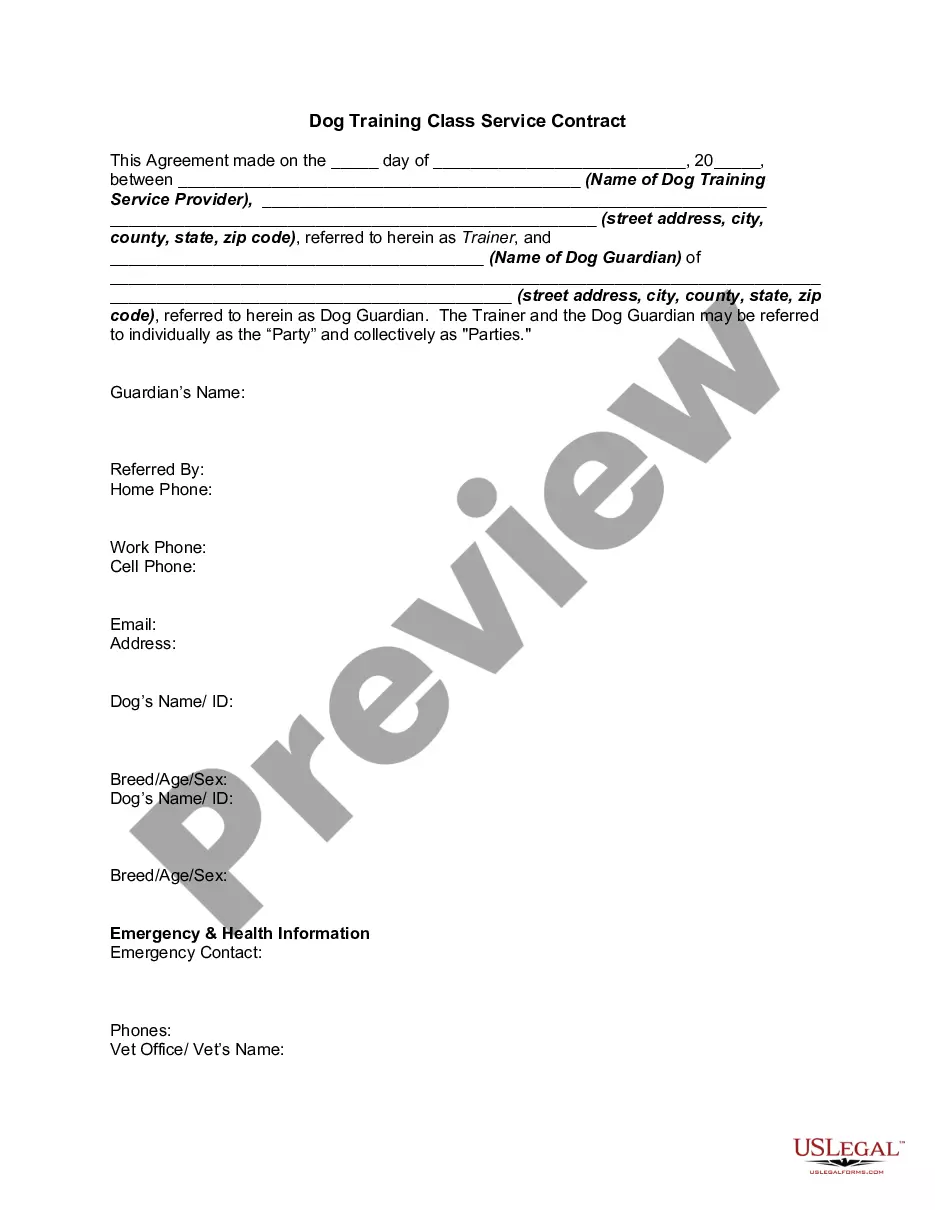
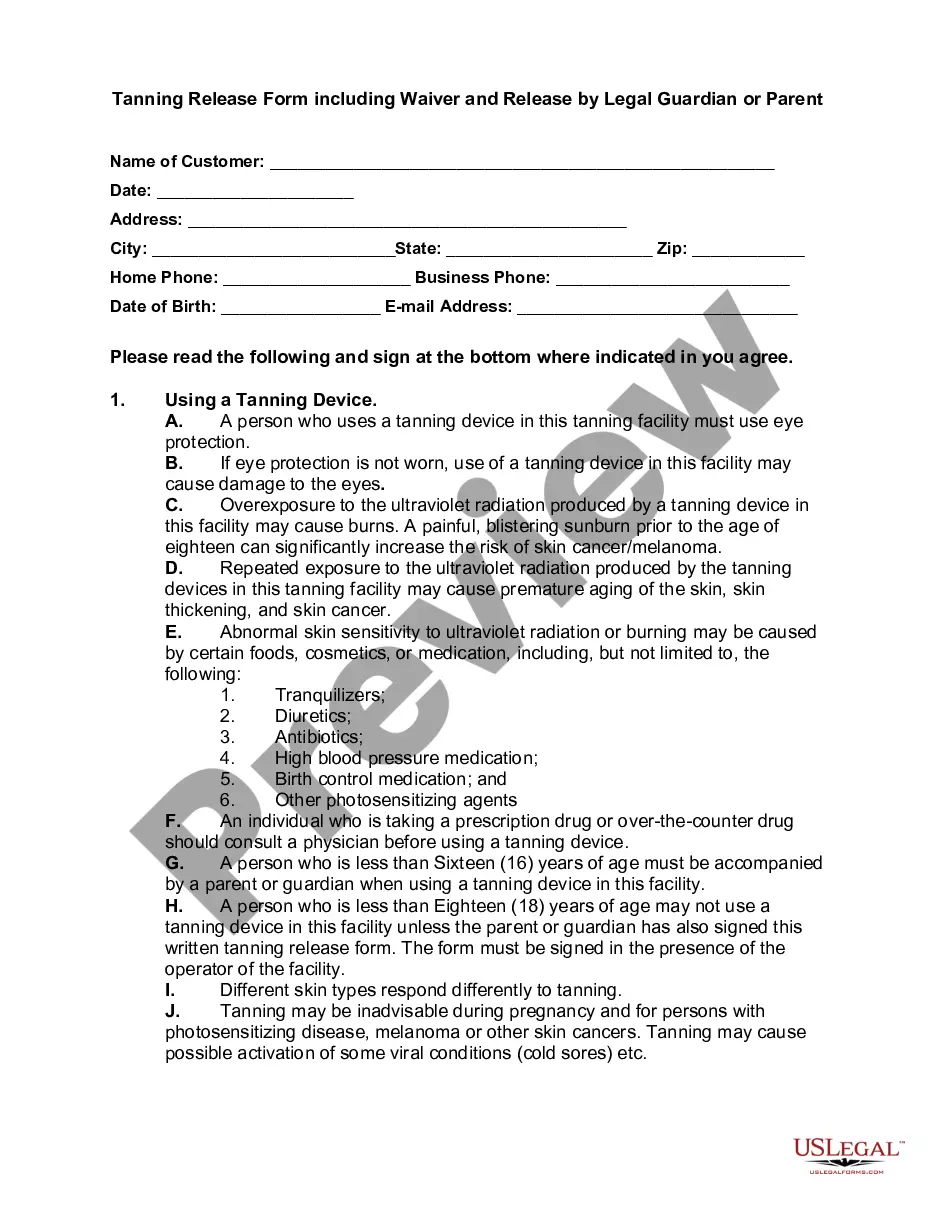




Form popularity
FAQ
California's Statute of Frauds requires a lease to be in writing if it either: 1. has a term longer than one year; or 2. has a term less than one year which expires more than one year after the agreement is reached. actually be maintained for thirteen months.
For single-family residential properties, fences are generally limited to three (3) feet in height in the required front yard or street. Behind the required front yards and corner street side yards, fences are generally limited to six (6) feet in height with one (1) foot of open/non-solid lattice material on top.
How to write a California lease agreement Identify the parties involved. Clearly state the names and contact information of both the landlord and the prospective tenant. Define the rental property. Specify the lease term. Outline rent and payment terms. Include important provisions. Comply with legal requirements.
Waiver of Landlord's Liability A landlord can't waive or modify this duty. This means that any lease that contains a provision that exempts the landlord's liability for negligence is legally void and unenforceable because it is "contrary to public policy."
The standard lease agreement in California, whether for residential or commercial property, is a legal contract between the property owner and the prospective tenant. It outlines the terms under which the tenant can occupy and use the rental property.
Effective January 1, 2025, California Senate Bill 1103 sets new rules for commercial leases with “qualified commercial tenants.” While the new law affects only a fraction of California commercial leases, it imposes significant obligations on landlords who have commercial leases with “qualified commercial tenants.”
How to write a California lease agreement Identify the parties involved. Clearly state the names and contact information of both the landlord and the prospective tenant. Define the rental property. Specify the lease term. Outline rent and payment terms. Include important provisions. Comply with legal requirements.
While the maximum height for fences in Santa Clara is 6 feet, there are several exceptions to this rule. These exceptions include: – Fences can be up to 8 feet if the fence is located in the rear yard of a residential property and is used to screen a recreational facility, pool, or hot tub.
The master plan, also known as a comprehensive plan, typically guides most local zoning decisions. It outlines a municipality's long-term goals for land use, development, transportation, infrastructure, and other aspects of community planning.
SB 6, the Middle Class Housing Act of 2022, allows for residential development on property zoned for retail, parking and office space without the requirement for a rezoning of the property.
