Retail Rights For Customers In Michigan
Description

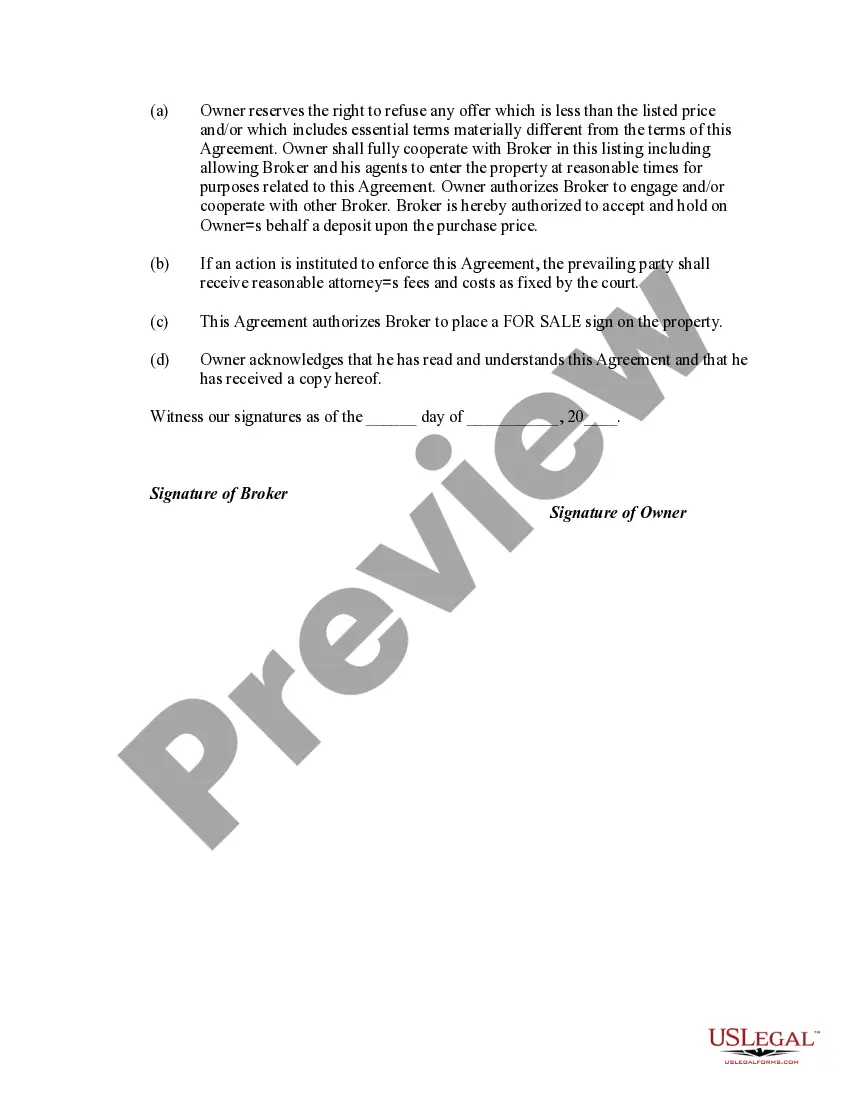

Get your form ready online
Our built-in tools help you complete, sign, share, and store your documents in one place.
Make edits, fill in missing information, and update formatting in US Legal Forms—just like you would in MS Word.
Download a copy, print it, send it by email, or mail it via USPS—whatever works best for your next step.
Sign and collect signatures with our SignNow integration. Send to multiple recipients, set reminders, and more. Go Premium to unlock E-Sign.
If this form requires notarization, complete it online through a secure video call—no need to meet a notary in person or wait for an appointment.
We protect your documents and personal data by following strict security and privacy standards.

Make edits, fill in missing information, and update formatting in US Legal Forms—just like you would in MS Word.

Download a copy, print it, send it by email, or mail it via USPS—whatever works best for your next step.

Sign and collect signatures with our SignNow integration. Send to multiple recipients, set reminders, and more. Go Premium to unlock E-Sign.

If this form requires notarization, complete it online through a secure video call—no need to meet a notary in person or wait for an appointment.

We protect your documents and personal data by following strict security and privacy standards.
Looking for another form?








Form popularity
FAQ
The Michigan Consumer Protection Act (1976 PA 331) gives consumers, prosecutors, and the Attorney General a way to fight deceptive practices. This act prohibits many unfair and deceptive trade practices and gives prosecutors more power to enforce the law.
What Are the Five Major Consumer Rights? Safety. Information. Choice. Voice. Redress.
The other main restriction on who is a consumer is that a consumer must be acting wholly or mainly outside their trade, business, craft or profession.
Every consumer has four fundamental rights: the right to safety, the right to choose, the right to be heard, and the right to be informed. Four additional rights were later added: the right to redress, the right to consumer education, the right to service, and the right to a healthy and sustainable environment.
Consumer rights can be defined as the right to safety, the right to be informed, the right to choose, and the right to be heard. These rights were meant to ensure consumers' fair treatment and that they had the information they needed to make informed decisions about the products and services they bought.
It started in 1962 when President John F. Kennedy gave a speech to Congress promoting four basic rights of consumers – to be safe, to be informed, to choose, and to be heard. These rights became what is known as the Consumer Bill of Rights and formed the foundation of federal consumer protection laws in the U.S.
Before you make a complaint, gather any documentation about the sale of the product or service first. These documents can include: Sales receipts. Warranties.
Businesses, who sell tangible personal property in addition to providing labor or a service, are required to obtain a sales tax license.
A seller's permit (also known as a sales tax license, retail license, sales and use tax permit, vendor's license, or sales tax permit) is a business license that allows you to collect sales tax on taxable goods and services you sell or lease, including properties if selling regularly.
You can register for a Michigan seller's permit online through the Michigan Department of Treasury.
