Right To Sell Is Known As In King
Description

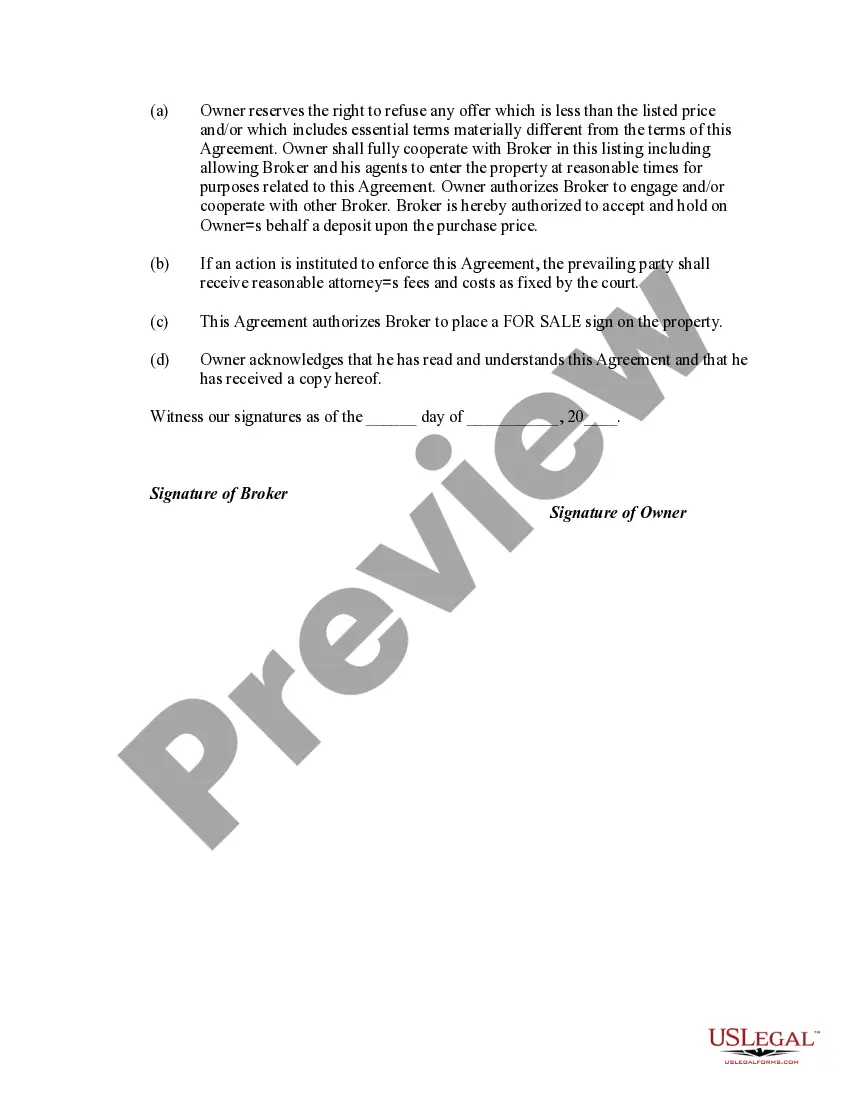

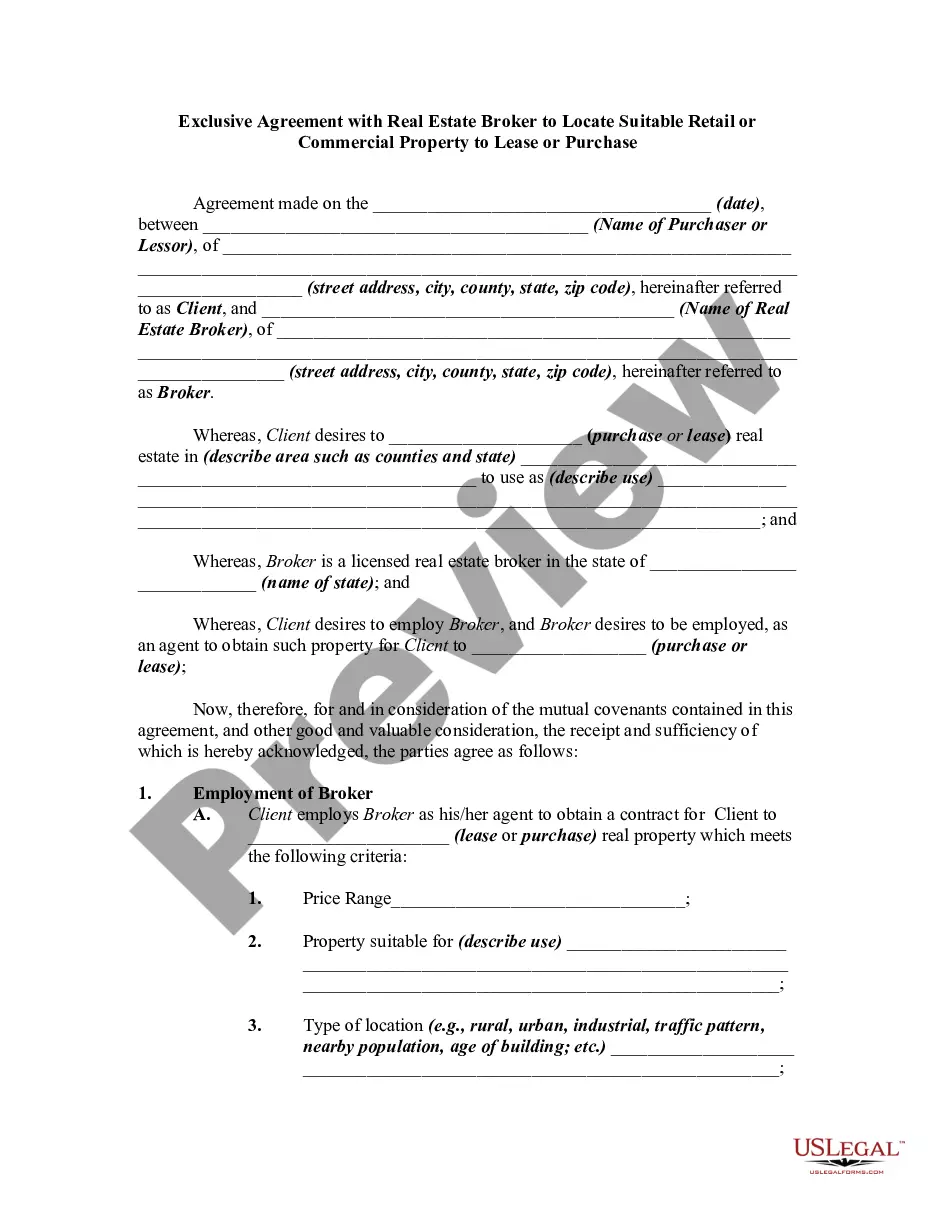
Get your form ready online
Our built-in tools help you complete, sign, share, and store your documents in one place.
Make edits, fill in missing information, and update formatting in US Legal Forms—just like you would in MS Word.
Download a copy, print it, send it by email, or mail it via USPS—whatever works best for your next step.
Sign and collect signatures with our SignNow integration. Send to multiple recipients, set reminders, and more. Go Premium to unlock E-Sign.
If this form requires notarization, complete it online through a secure video call—no need to meet a notary in person or wait for an appointment.
We protect your documents and personal data by following strict security and privacy standards.

Make edits, fill in missing information, and update formatting in US Legal Forms—just like you would in MS Word.

Download a copy, print it, send it by email, or mail it via USPS—whatever works best for your next step.

Sign and collect signatures with our SignNow integration. Send to multiple recipients, set reminders, and more. Go Premium to unlock E-Sign.

If this form requires notarization, complete it online through a secure video call—no need to meet a notary in person or wait for an appointment.

We protect your documents and personal data by following strict security and privacy standards.
Looking for another form?







Form popularity
FAQ
A few months after he had issued the charter, John persuaded the Pope to declare Magna Carta illegal because it interfered with the rights of the king. The barons would not accept this and a civil war broke out, in which most of the barons fought for Magna Carta against John.
Today only three articles (or clauses) of the 1297 Magna Carta remain in force in every part of the UK except Scotland: the freedom of the Church of England (clause 1) the “ancient liberties” of the City of London (clause 13 in the 1215 charter, clause 9 in the 1297 statute)
Magna Carta was issued in June 1215 and was the first document to put into writing the principle that the king and his government was not above the law. It sought to prevent the king from exploiting his power, and placed limits of royal authority by establishing law as a power in itself.
On June 15, 1215, in a field at Runnymede, King John affixed his seal to Magna Carta. Confronted by 40 rebellious barons, he consented to their demands in order to avert civil war.
Magna Carta, it was argued, recognised and protected the liberty of individual Englishmen, made the King subject to the common law of the land, formed the origin of the trial by jury system, and acknowledged the ancient origins of Parliament: because of Magna Carta and this ancient constitution, an English monarch was ...
Today only three articles (or clauses) of the 1297 Magna Carta remain in force in every part of the UK except Scotland: the freedom of the Church of England (clause 1) the “ancient liberties” of the City of London (clause 13 in the 1215 charter, clause 9 in the 1297 statute)
It was the first document to state that the King was not above the law. It also included rules for how justice would be dealt out across England, fishing rights, church rights and rules against false imprisonment.
Magna Carta is Latin for 'great charter' and the term was first used in 1217 to distinguish it from the Charter of the Forest, a document that also set out limits on the king's administration, this time of the royal forest, areas of the country set aside for royal hunting and subject to much harsher laws and ...
An exclusive right to sell grants a single real estate agency exclusive authority to market and sell a property, ensuring the listing agent earns a commission regardless of who finds the buyer. While this agreement is active, the property owner cannot use another agent.
Best Definition of an Exclusive Right-to-Sell Listing The best definition is: an agreement in which the seller guarantees the named broker receives a commission if the property is sold, regardless of who brings the buyer.