Agreement Commercial Property With Living Space In Fulton
Description

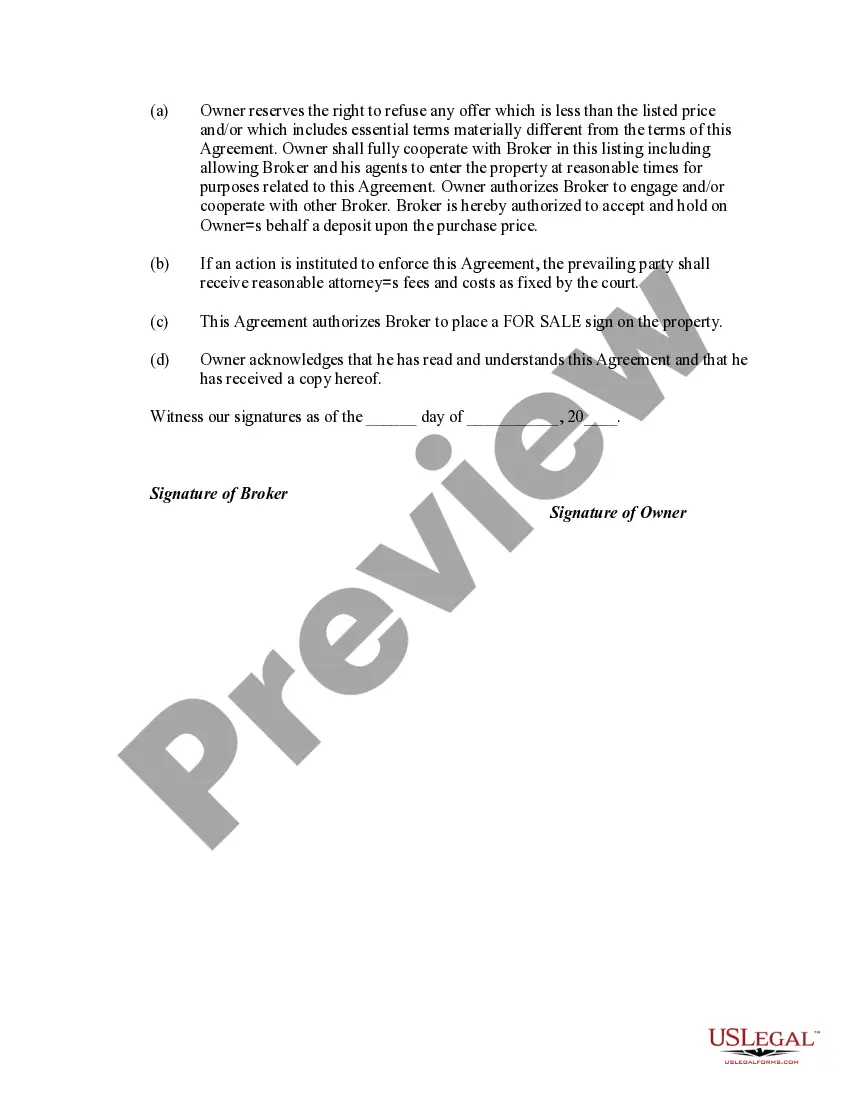

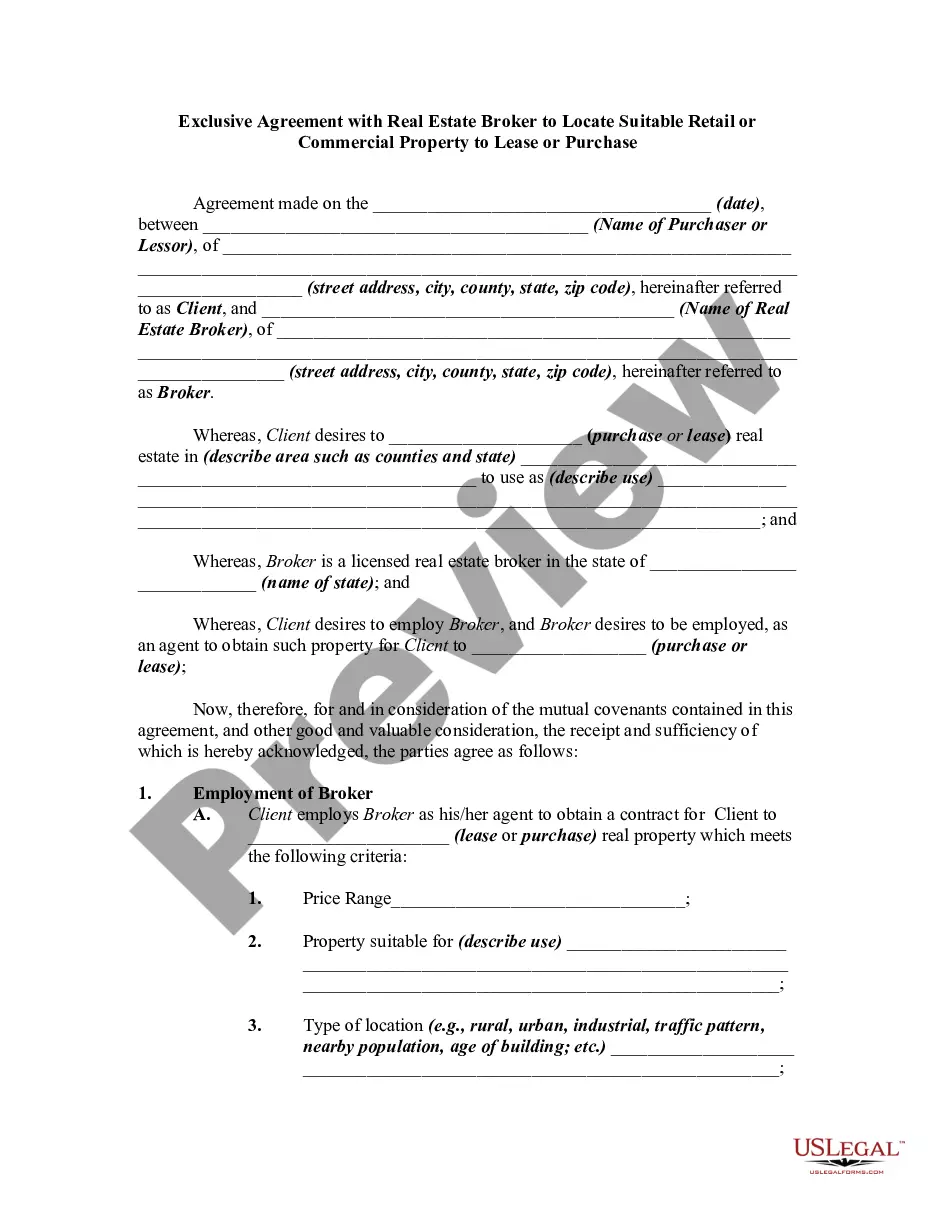
Get your form ready online
Our built-in tools help you complete, sign, share, and store your documents in one place.
Make edits, fill in missing information, and update formatting in US Legal Forms—just like you would in MS Word.
Download a copy, print it, send it by email, or mail it via USPS—whatever works best for your next step.
Sign and collect signatures with our SignNow integration. Send to multiple recipients, set reminders, and more. Go Premium to unlock E-Sign.
If this form requires notarization, complete it online through a secure video call—no need to meet a notary in person or wait for an appointment.
We protect your documents and personal data by following strict security and privacy standards.

Make edits, fill in missing information, and update formatting in US Legal Forms—just like you would in MS Word.

Download a copy, print it, send it by email, or mail it via USPS—whatever works best for your next step.

Sign and collect signatures with our SignNow integration. Send to multiple recipients, set reminders, and more. Go Premium to unlock E-Sign.

If this form requires notarization, complete it online through a secure video call—no need to meet a notary in person or wait for an appointment.

We protect your documents and personal data by following strict security and privacy standards.
Looking for another form?


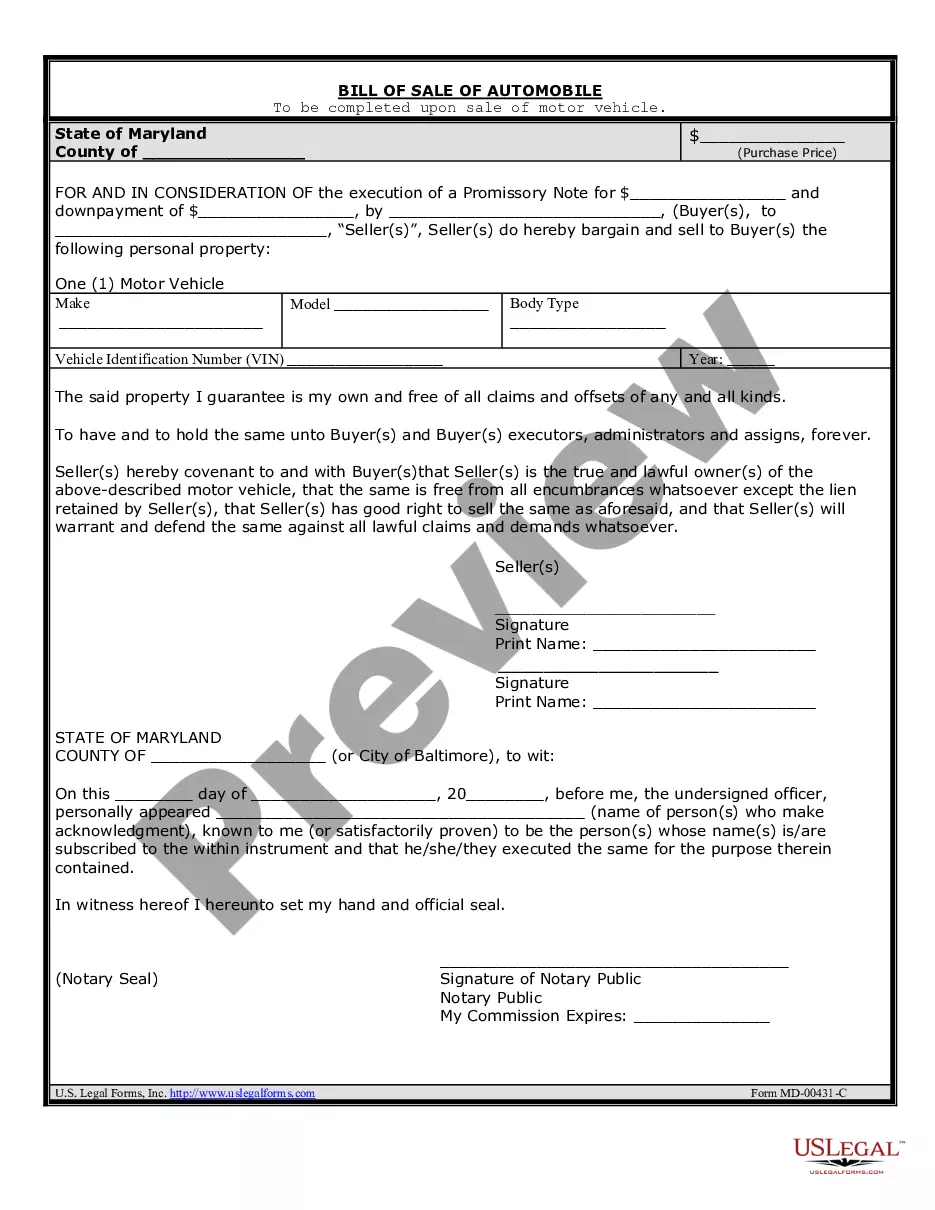







Form popularity
FAQ
And safety standards for residential. Living attempting to live on commercial property can lead toMoreAnd safety standards for residential. Living attempting to live on commercial property can lead to legal. Issues fines and eviction as it violates zoning laws.
You cannot live on a commercial property in Illinois. You cannot live there if your commercial property is zoned for commercial purposes only. Illinois statutory law defines “commercial real estate” to exclude any single-family dwellings, even if it's a part of a larger inium complex.
Using a commercial property as a residential space This means you need to apply to change the building use from commercial to residential. While this is perfectly achievable, the first thing to consider is the type of building you're interested in.
While it may be tempting to sneakily live in your rented commercial space, it is generally not a good idea to do so. This is because you could potentially face legal consequences for violating your lease terms or local zoning laws.
You may need to apply for a change of use, ensure the space meets residential building codes (which can differ significantly from commercial codes), and possibly make substantial modifications to make the space habitable ing to residential standards (e.g., installing a full kitchen, bathroom, proper ventilation, ...
Unless a commercial real estate property is defined as mixed use—for example, tenants living above storefronts—it is intended to be for business operations only, not for residential use.
If you're a new business owner, you won't have certain documents, like previous business tax returns and financial statements. Instead, the landlord may require documents like a copy of your business plan and personal tax returns. You may need additional records depending on your business structure.
Living in a commercial property is not typically allowed unless it's formally converted for residential use. Local zoning laws and building codes must be met before any such arrangement is permitted. Violating these regulations can lead to legal consequences.
