Boundary In Lines In Washington
Description


Get your form ready online
Our built-in tools help you complete, sign, share, and store your documents in one place.
Make edits, fill in missing information, and update formatting in US Legal Forms—just like you would in MS Word.
Download a copy, print it, send it by email, or mail it via USPS—whatever works best for your next step.
Sign and collect signatures with our SignNow integration. Send to multiple recipients, set reminders, and more. Go Premium to unlock E-Sign.
If this form requires notarization, complete it online through a secure video call—no need to meet a notary in person or wait for an appointment.
We protect your documents and personal data by following strict security and privacy standards.

Make edits, fill in missing information, and update formatting in US Legal Forms—just like you would in MS Word.

Download a copy, print it, send it by email, or mail it via USPS—whatever works best for your next step.

Sign and collect signatures with our SignNow integration. Send to multiple recipients, set reminders, and more. Go Premium to unlock E-Sign.

If this form requires notarization, complete it online through a secure video call—no need to meet a notary in person or wait for an appointment.

We protect your documents and personal data by following strict security and privacy standards.
Looking for another form?









Form popularity
FAQ
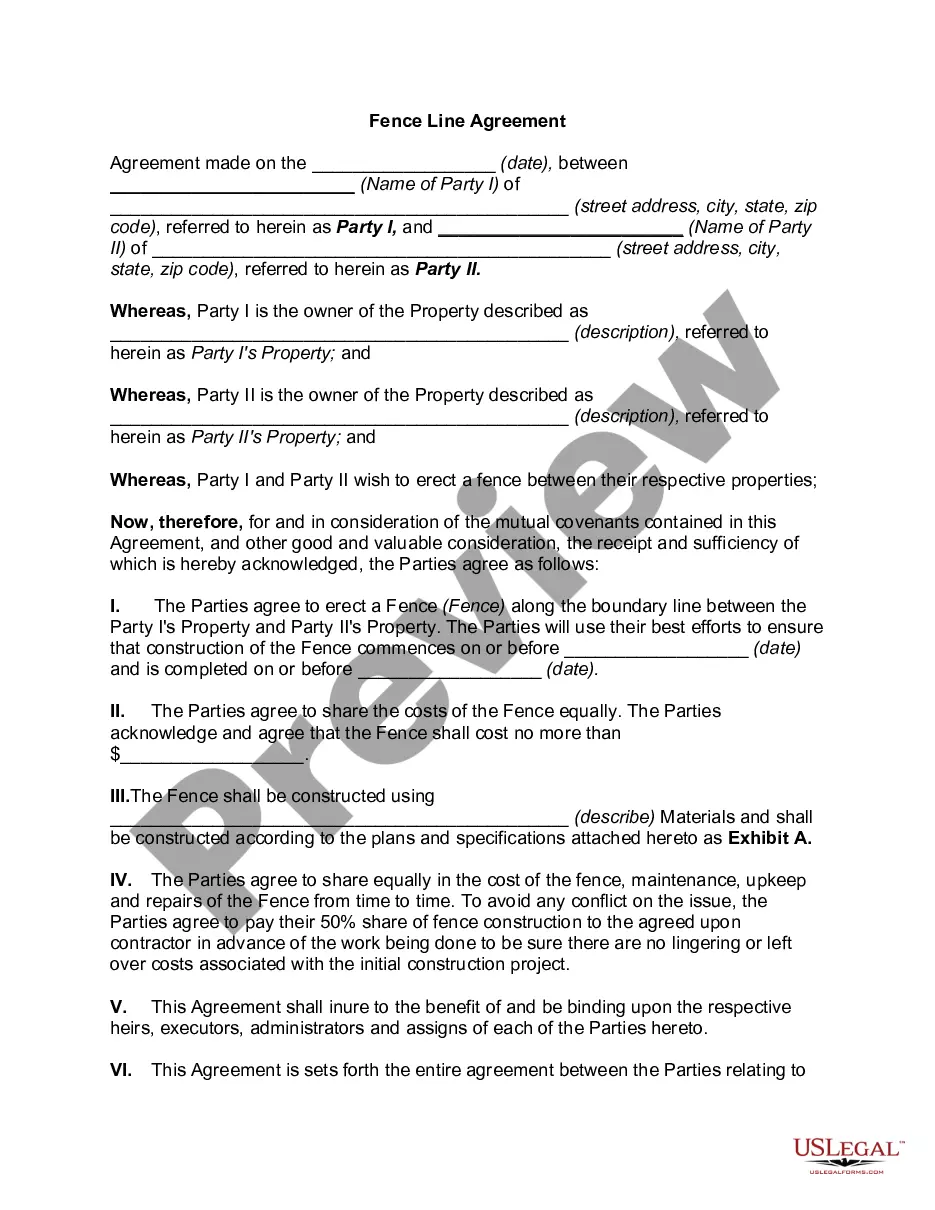
Washington has laws governing so-called "partition fences," or shared fences between neighbors. If you and your neighbor share a boundary fence, in general, both parties are responsible for its maintenance. Washington law encourages neighbors to talk and divide the costs and responsibilities for repairs or replacement.
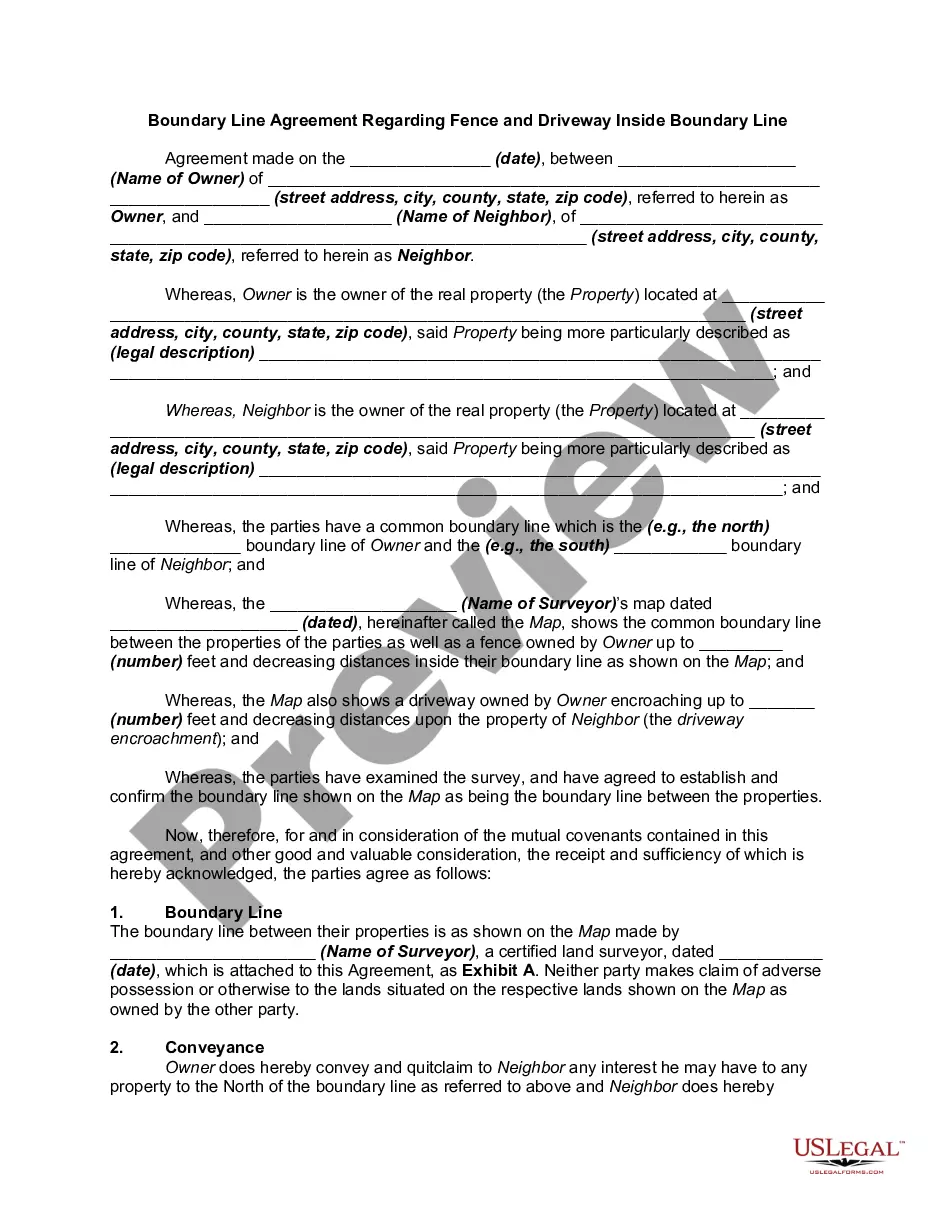
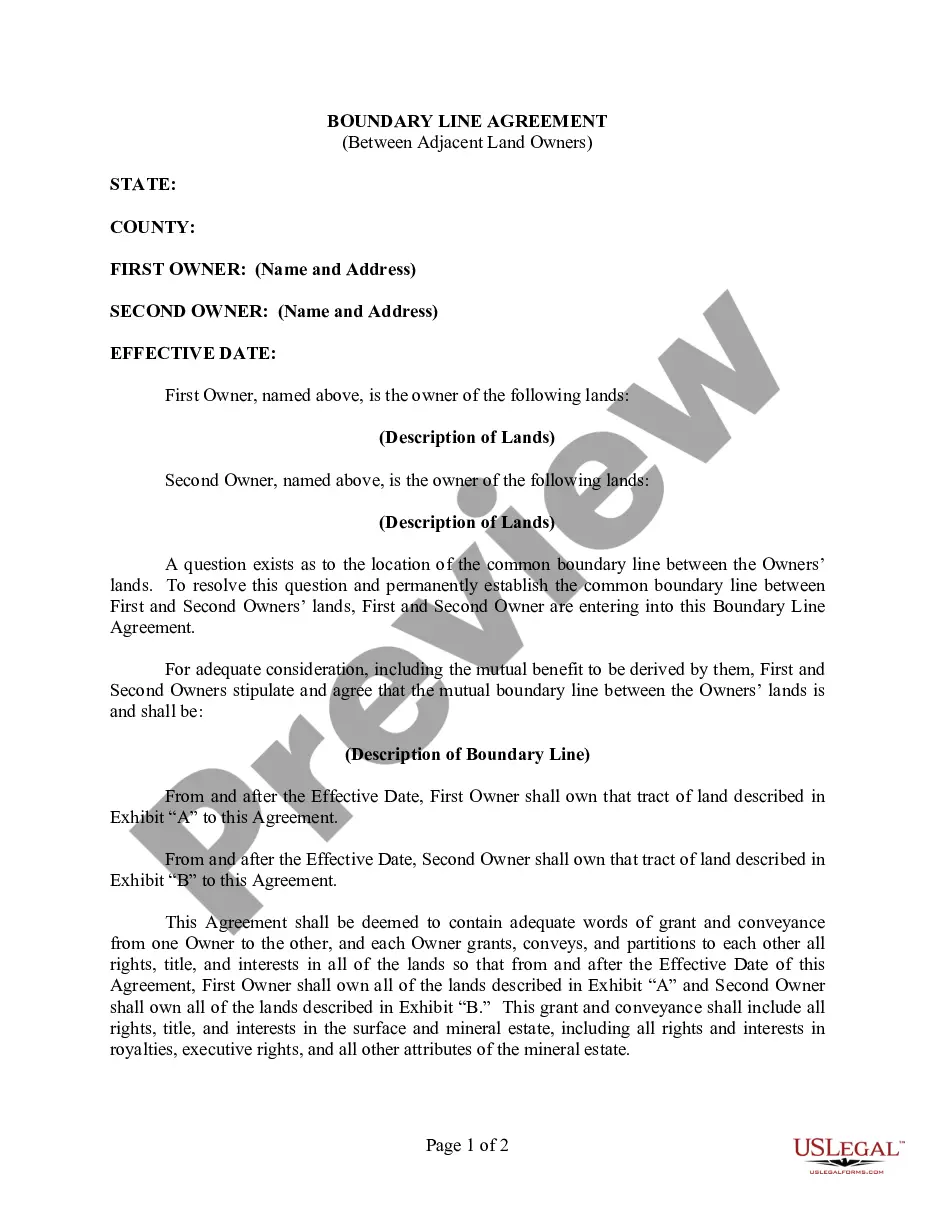
The Boundary Line Agreement (BL AGR) provides a procedure for County review whenever a point or line determining the boundary between two or more parcels of real property cannot be identified from the existing public record, monuments, and landmarks or is in dispute. RCW 58.04.
If a fence cannot be built on the boundary line because of the nature of the land, it will usually be built as close as possible to the boundary. You should come to an agreement with your neighbour about where the fence will go and then put this agreement in writing.
For single-family residential structures and their accessory buildings, historically to avoid unique construction requirements is to set back the building at least 5 feet from any property lines.
When any fence has been, or shall hereafter be, ed by any person on the boundary line of his or her land and the person owning land adjoining thereto shall make, or cause to be made, an inclosure enclosure, so that such fence may also answer the purpose of inclosing enclosing his or her ground, he or she shall ...
Washington is the northwestern-most state in the contiguous United States. It borders the Canadian province of British Columbia along the 49th parallel north, Idaho in the east, and the Pacific Ocean in the west. The Columbia River defines a long section of the state's border with Oregon in the south.
The largest active fault that will affect Washington (and the whole Pacific Northwest) is the Cascadia subduction zone. This fault produces some of the largest and most damaging earthquakes in the world (M9). A damaging earthquake is inevitable on this fault, but we do not know exactly when it will happen.
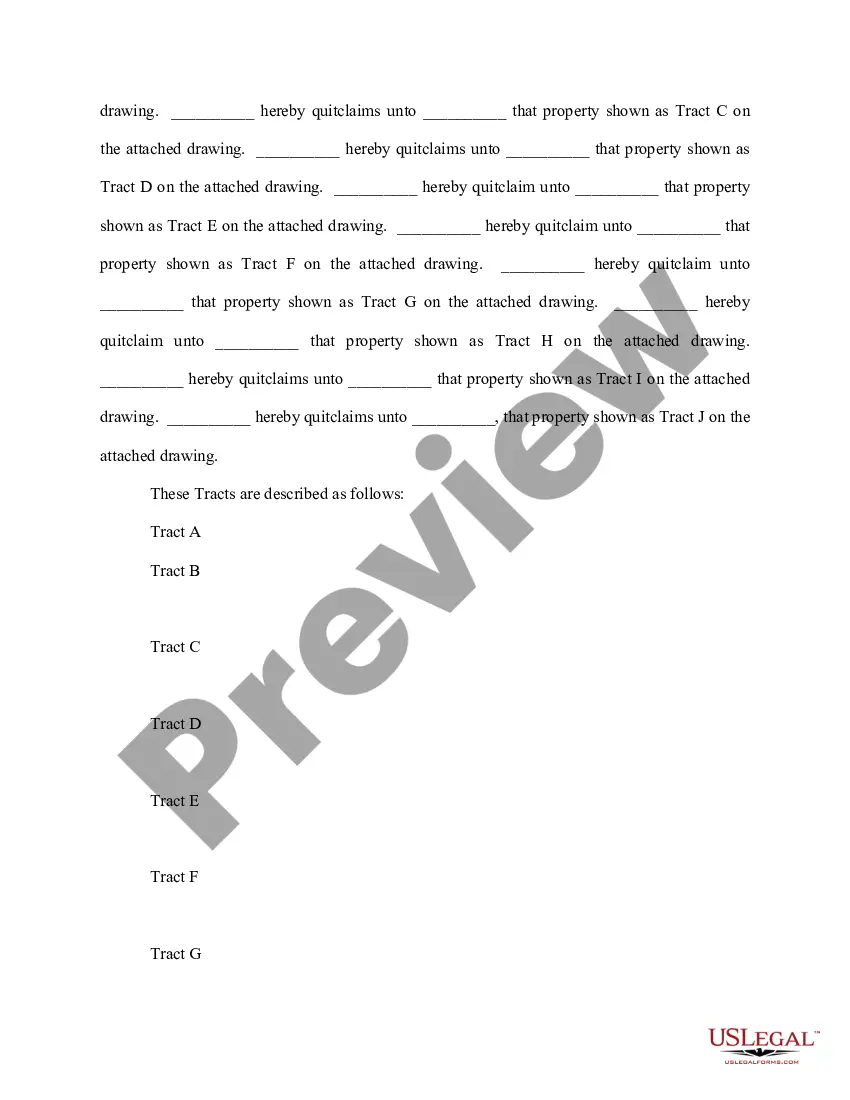
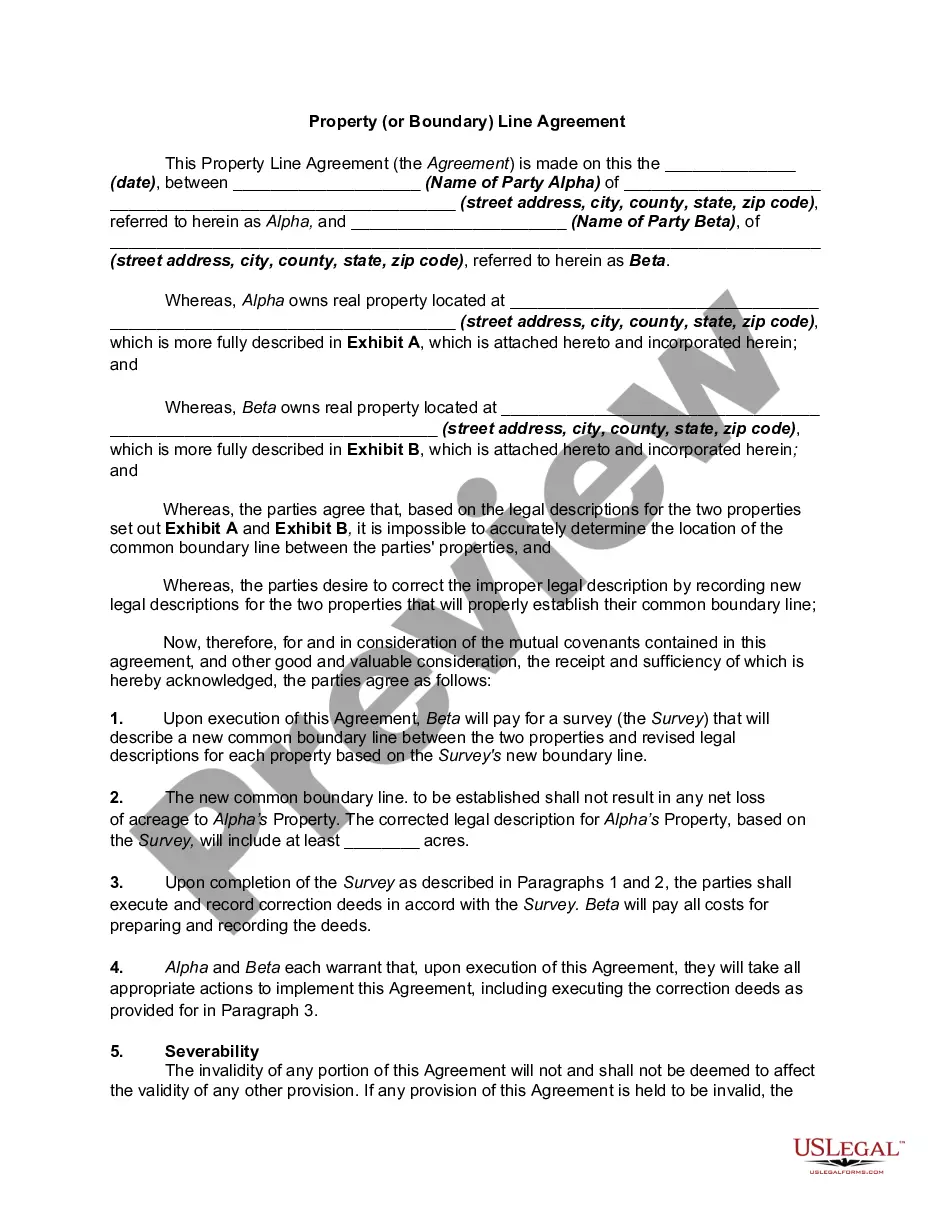
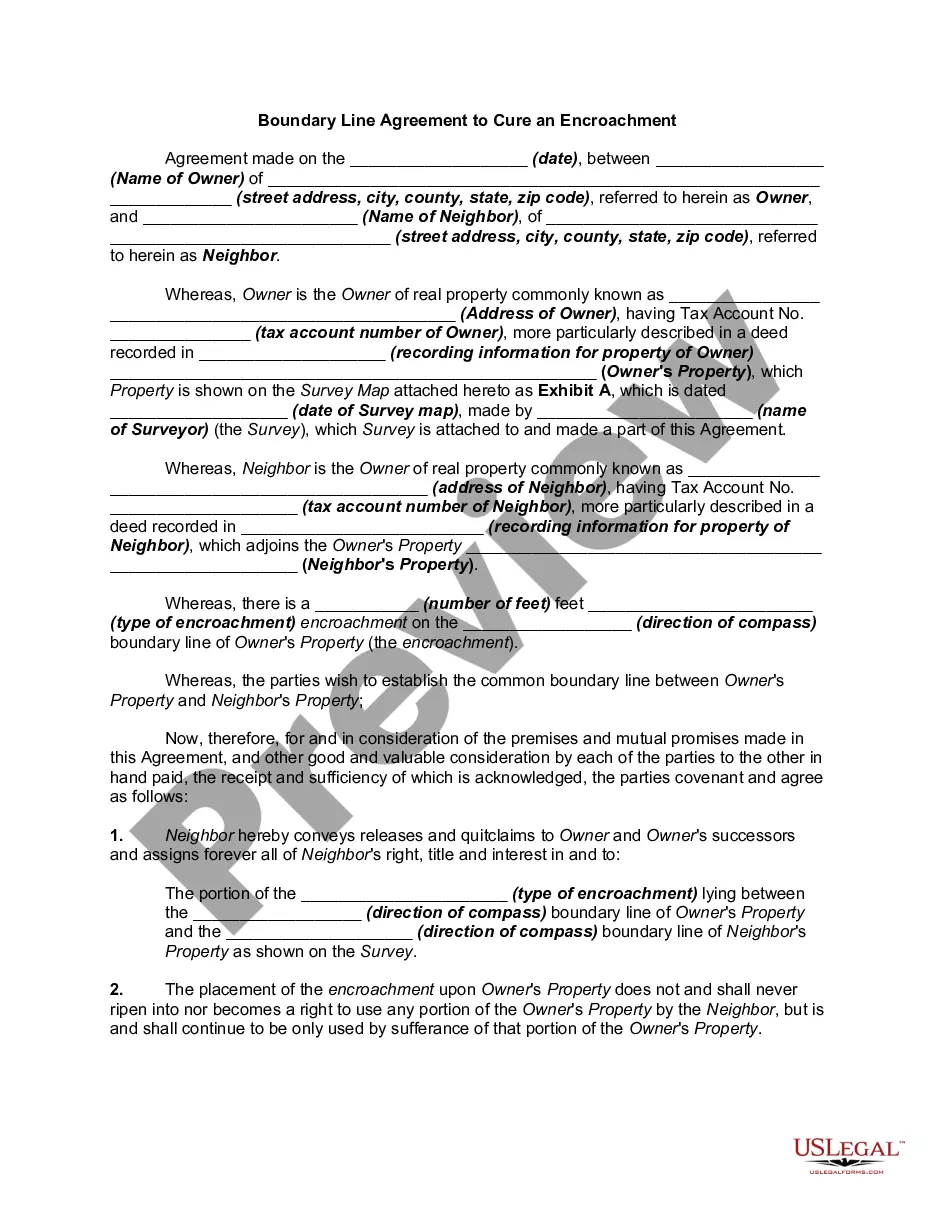
A boundary line agreement is a legally binding document that sets clear boundaries between neighboring properties, providing certainty and preventing conflicts.
If the property line goes through the middle of the tree trunk, the tree is jointly owned by you and your neighbor. Since you jointly own such boundary trees, you are allowed to trim them. But if your trimming kills the tree or you cut down the tree entirely, you could be liable for timber trespass.
