Boundary In Lines In Utah
Description


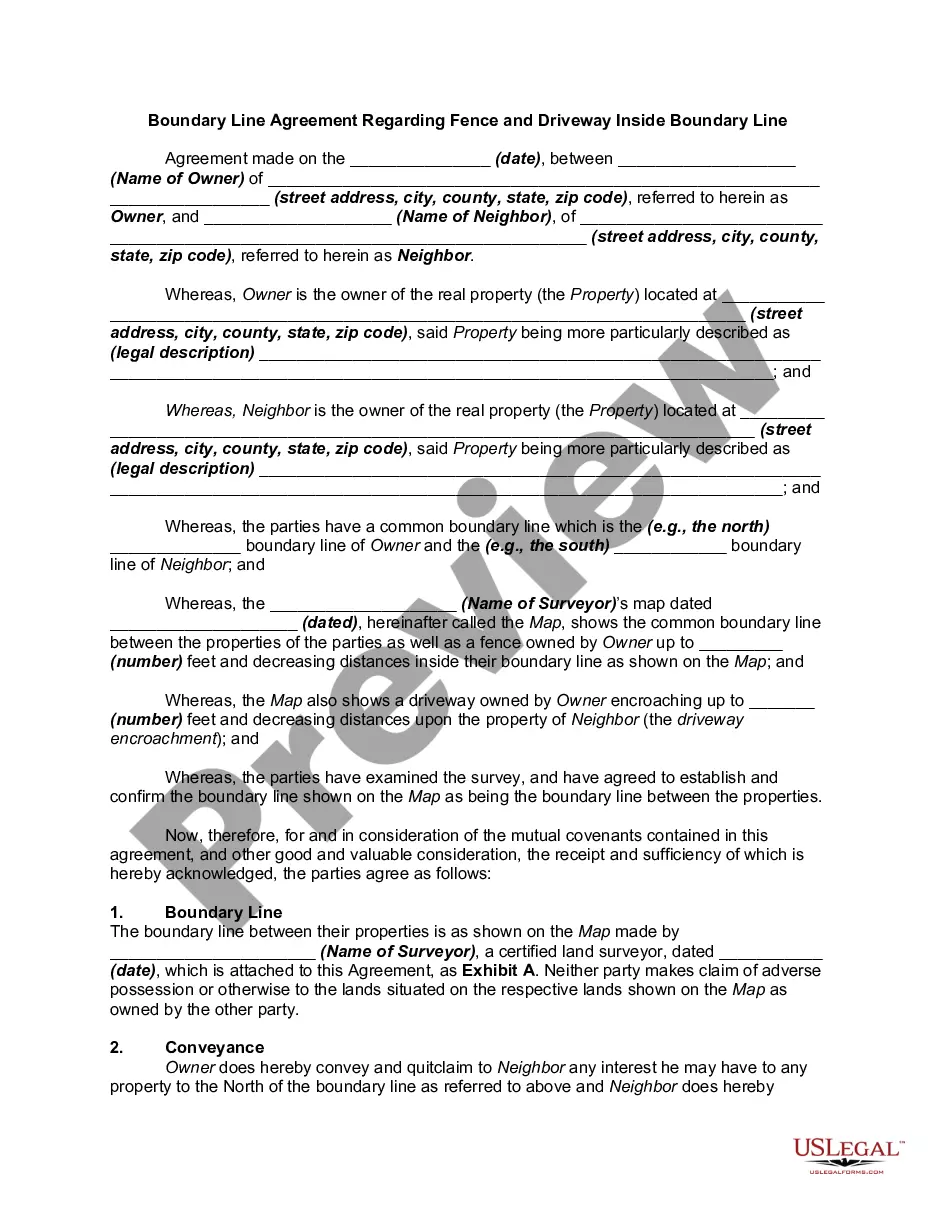
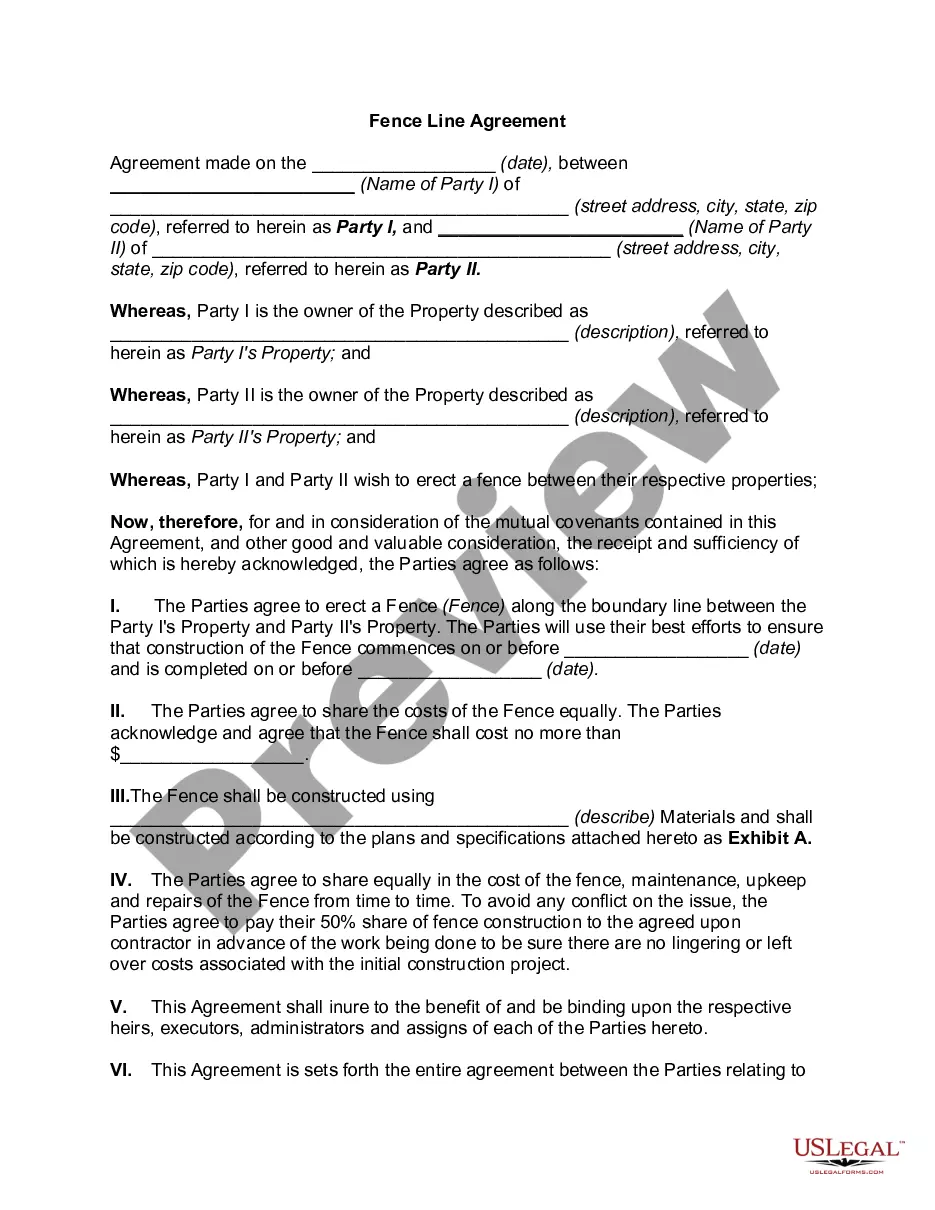
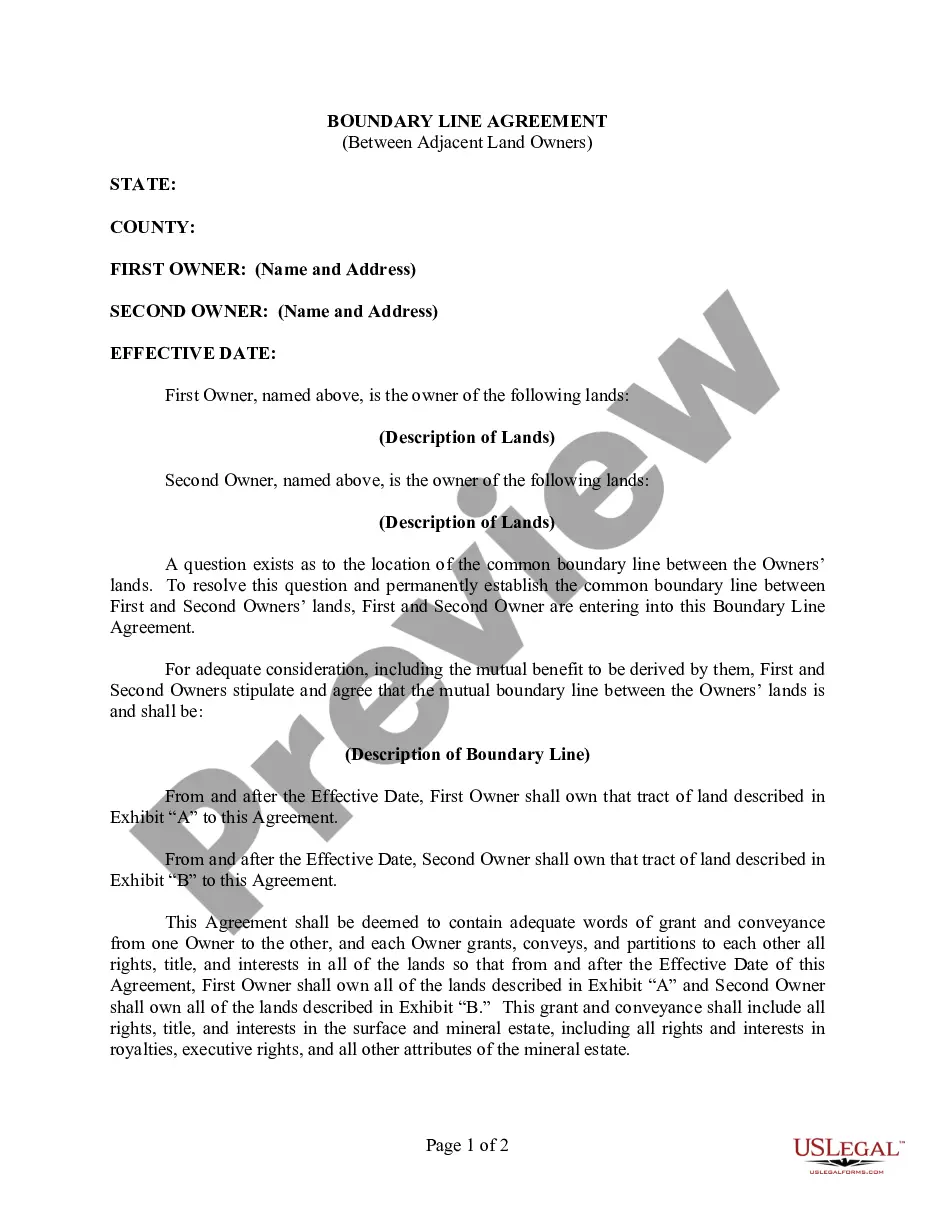
Get your form ready online
Our built-in tools help you complete, sign, share, and store your documents in one place.
Make edits, fill in missing information, and update formatting in US Legal Forms—just like you would in MS Word.
Download a copy, print it, send it by email, or mail it via USPS—whatever works best for your next step.
Sign and collect signatures with our SignNow integration. Send to multiple recipients, set reminders, and more. Go Premium to unlock E-Sign.
If this form requires notarization, complete it online through a secure video call—no need to meet a notary in person or wait for an appointment.
We protect your documents and personal data by following strict security and privacy standards.

Make edits, fill in missing information, and update formatting in US Legal Forms—just like you would in MS Word.

Download a copy, print it, send it by email, or mail it via USPS—whatever works best for your next step.

Sign and collect signatures with our SignNow integration. Send to multiple recipients, set reminders, and more. Go Premium to unlock E-Sign.

If this form requires notarization, complete it online through a secure video call—no need to meet a notary in person or wait for an appointment.

We protect your documents and personal data by following strict security and privacy standards.
Looking for another form?


Form popularity
FAQ
A boundary line is a line along which two areas meet. A boundary line between privately owned parcels of land is usually termed a property line. A boundary line between political entities (such as counties, states, or countries) is usually termed a political boundary.
Some of the most active faults in Utah include the Wasatch fault along the Wasatch Front, the Hurricane fault in Southern Utah, and the Needles fault zone in Canyonlands National Park.
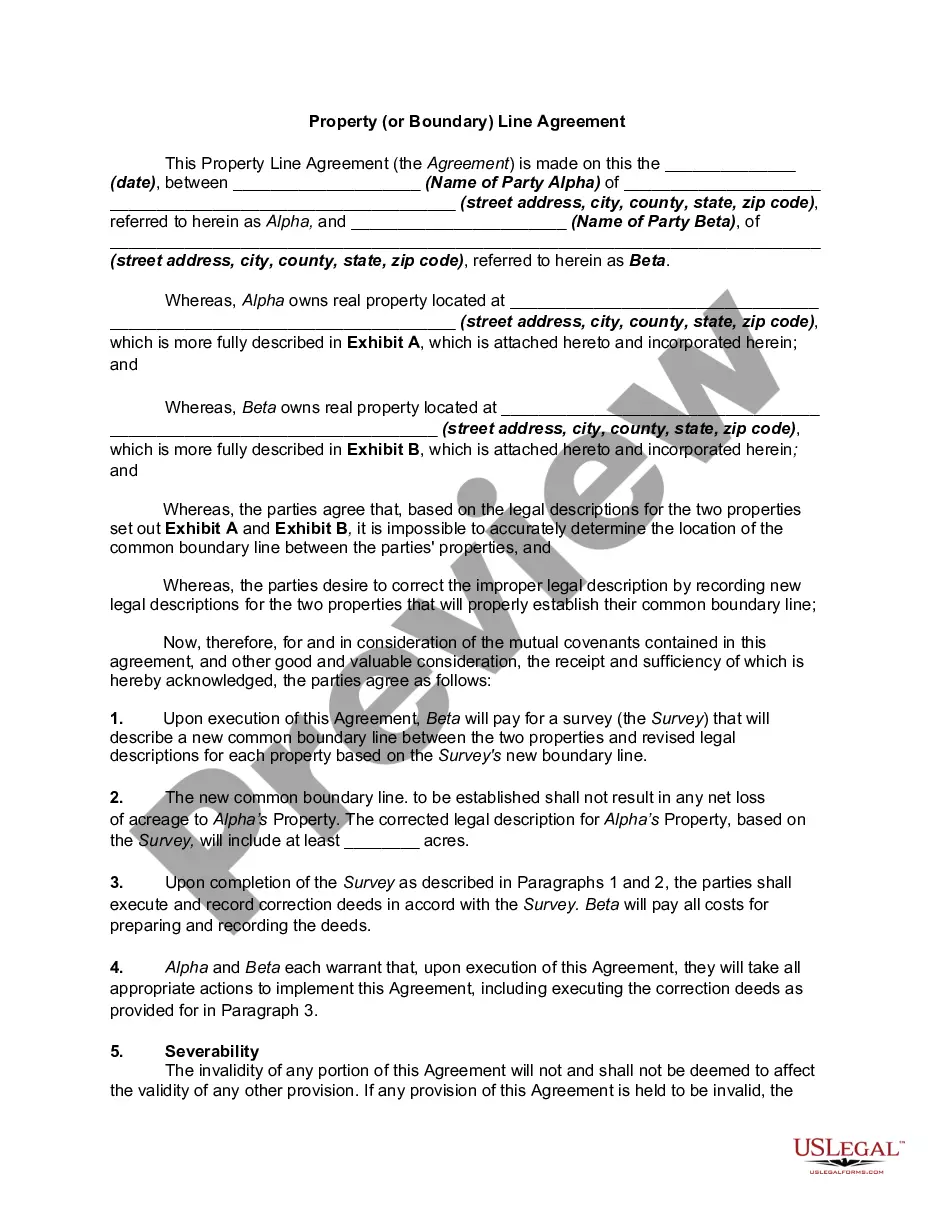
Property boundaries are the crucial lines that mark where one property ends and the neighboring property begins.
By definition, the idea of boundaries is at the core of architecture and design: the limits between inside and outside, between up and down, between the public and the private, between inside and outside, between up and down, between the public and the private, between construction and nature.
A physical boundary is a naturally occurring barrier between two areas. Rivers, mountain ranges, oceans, and deserts can all serve as physical boundaries. Many times, political boundaries between countries or states form along physical boundaries.
Utah covers an area of 84,899 sq mi (219,890 km2). It is one of the Four Corners states and is bordered by Idaho in the north, Wyoming in the north and east, Colorado in the east, at a single point by New Mexico to the southeast, by Arizona in the south, and by Nevada in the west.
Land boundary refers to the line or border that separates one piece of land from another. It is the point where one property ends and another begins. Think of it like a fence that separates your yard from your neighbor's yard.
Fencing in interior side or rear yards may not exceed eight (8) feet in height, subject to the visual obstruction requirements established below. C. Allowed Materials. Fences shall be made of high-quality, durable materials that require minimal maintenance.
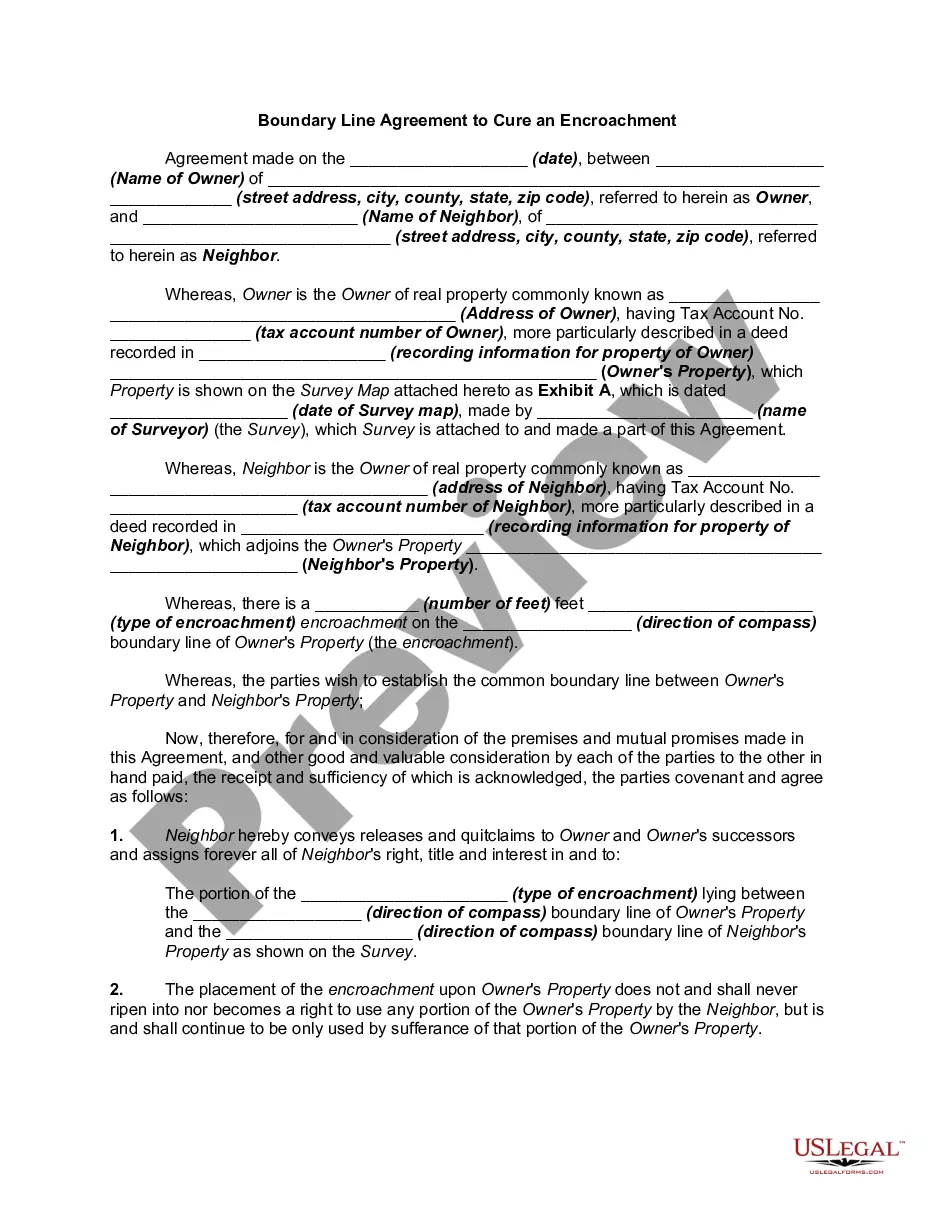
If one person's property extends beyond his boundaries and encroaches on the adjoining land of another, this is an encroachment of land. It doesn't matter whether the encroachment is above or below the surface of the land. A Utah encroachment attorney can help you determine whether something is an encroachment.
