Property Lines For My House In San Jose
Description


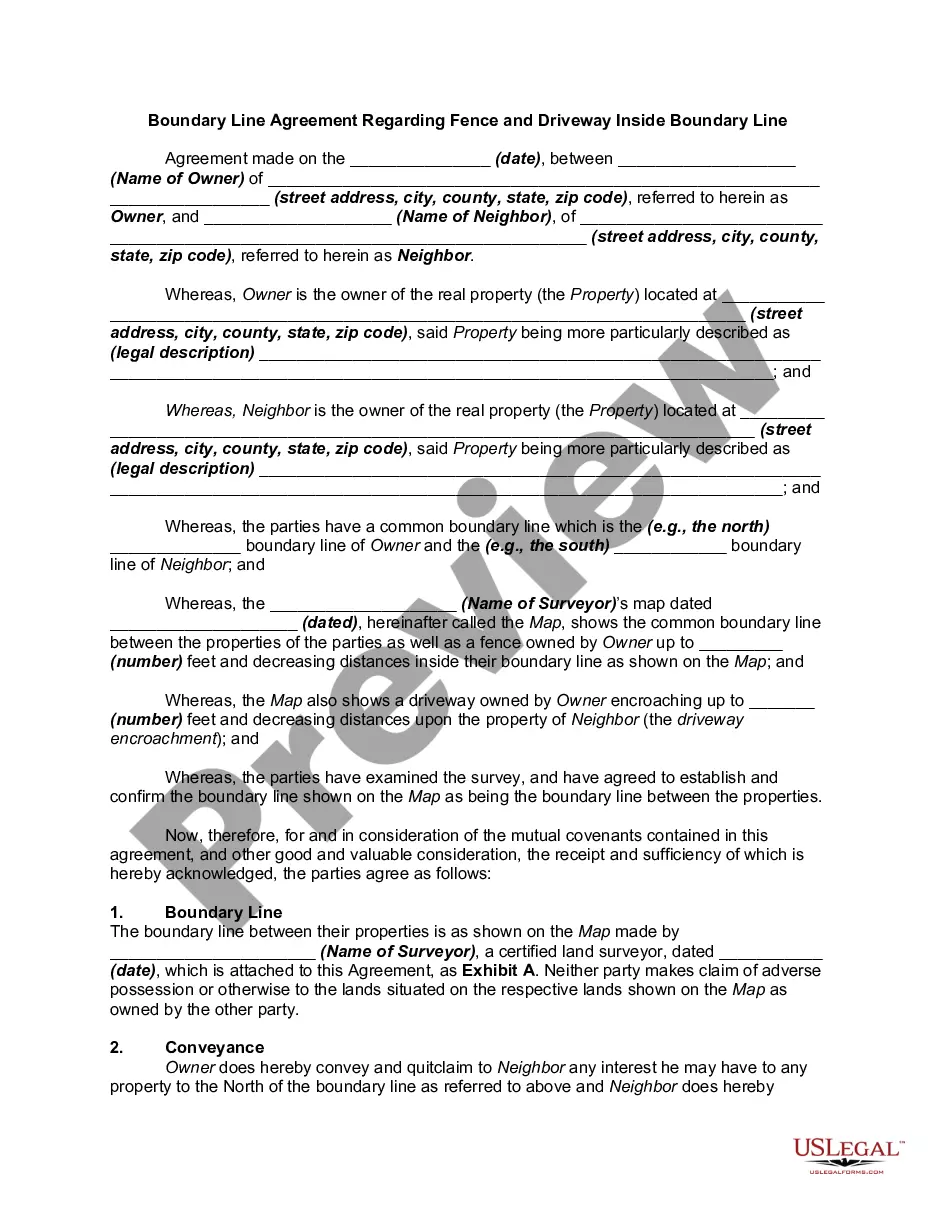
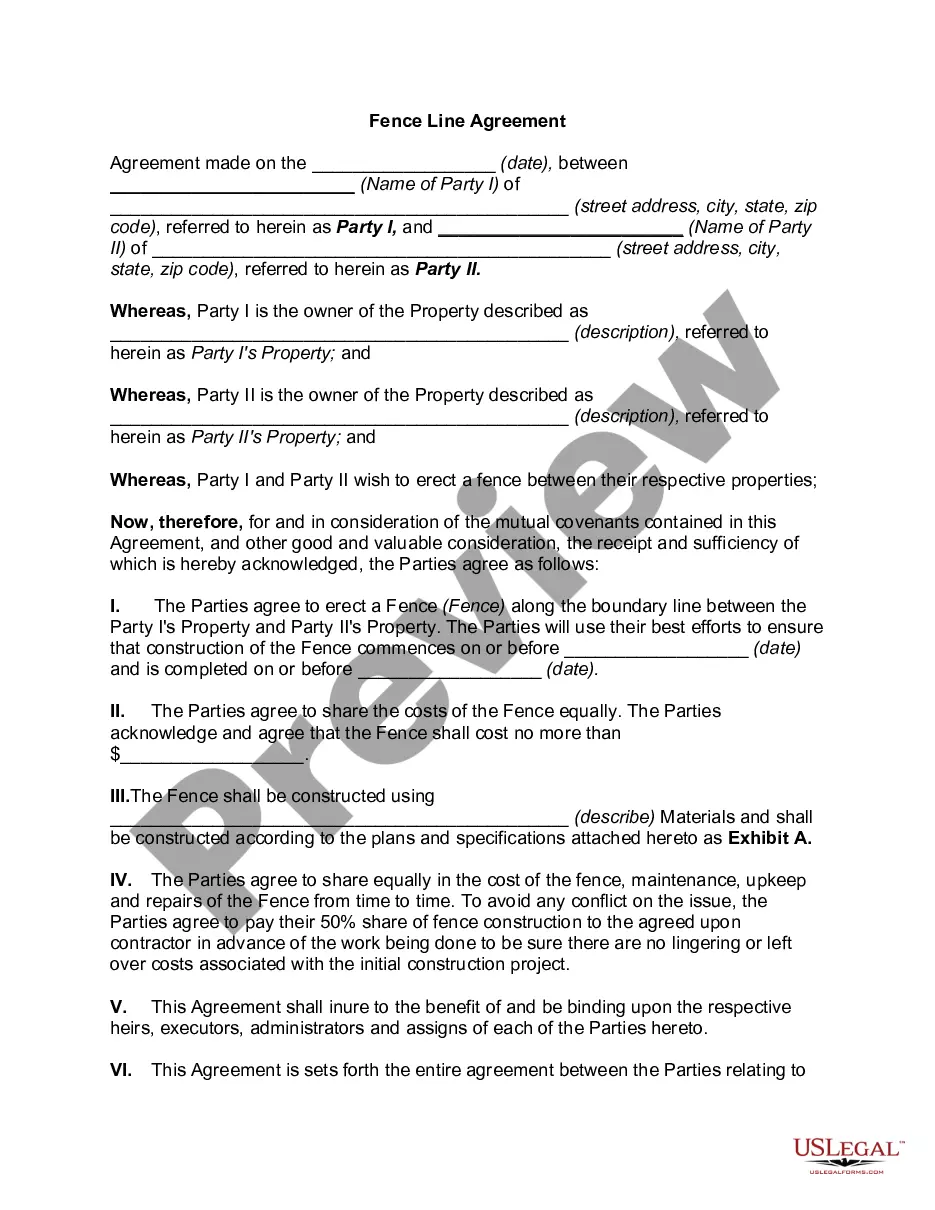
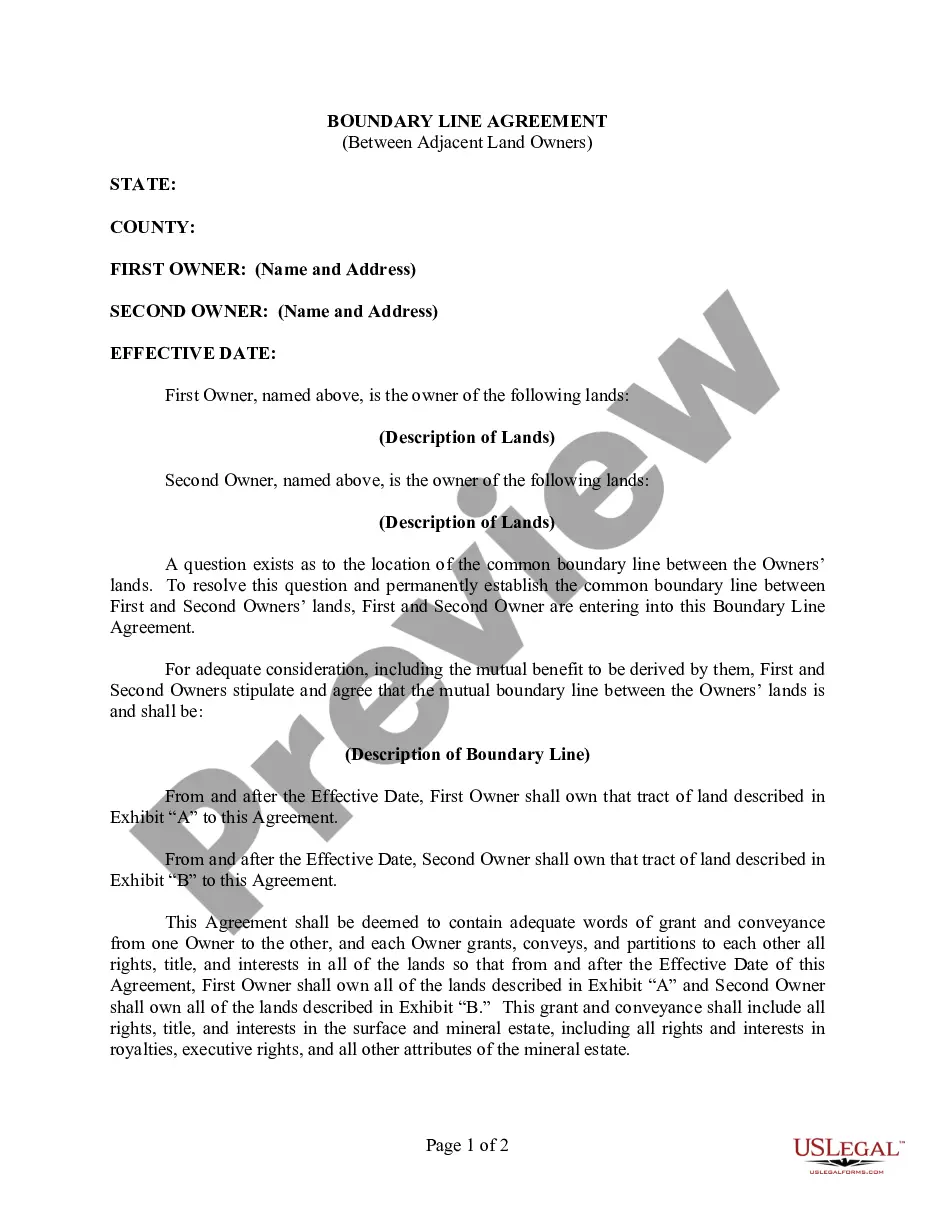
Get your form ready online
Our built-in tools help you complete, sign, share, and store your documents in one place.
Make edits, fill in missing information, and update formatting in US Legal Forms—just like you would in MS Word.
Download a copy, print it, send it by email, or mail it via USPS—whatever works best for your next step.
Sign and collect signatures with our SignNow integration. Send to multiple recipients, set reminders, and more. Go Premium to unlock E-Sign.
If this form requires notarization, complete it online through a secure video call—no need to meet a notary in person or wait for an appointment.
We protect your documents and personal data by following strict security and privacy standards.

Make edits, fill in missing information, and update formatting in US Legal Forms—just like you would in MS Word.

Download a copy, print it, send it by email, or mail it via USPS—whatever works best for your next step.

Sign and collect signatures with our SignNow integration. Send to multiple recipients, set reminders, and more. Go Premium to unlock E-Sign.

If this form requires notarization, complete it online through a secure video call—no need to meet a notary in person or wait for an appointment.

We protect your documents and personal data by following strict security and privacy standards.
Looking for another form?








Form popularity
FAQ
Public records California law is very clear. It states that property records, once recorded with the county recorder, become public record. This means anyone can view these records, but the depth of information available to the public varies.
Contact the county tax assessor's office That means they should have the name and contact information you need. You can find every county tax assessor's website through the California State Board of Equalization website.
Name. This tool is userfriendly. And provides quick access to essential property. Details if youMoreName. This tool is userfriendly. And provides quick access to essential property. Details if you prefer in-person assistance.
Phone: (408) 299-5688. Records are not available at the Vital Records and Registration Office. We are responsible for registering all of the births and deaths that take place within Santa Clara County only.
17 Ways To Find The Owner Of A Property Check Your Local Assessor's Office. Check With The County Clerk. Use Your Local Library. Search Online Databases. Leverage Your State's Parcel Maps. Search For The Owner Online. Look At Google Maps. Consult A Real Estate Agent.
Public Land Records: Visit your local courthouse or land records office to access public land records, which can include maps and surveys of the area. Using these resources, you should be able to gather enough information to understand your property lines without incurring costs.
Here are the most common ways to find them: Check Google Maps. This one is the quickest and easiest way to establish where your property lines are. Hire a surveyor. Check online property records. Look for physical markers on your property. Check your property deed. Check a plat map. Review your property survey.
While Google Maps can be a valuable tool for displaying property lines, it is essential to recognize its limitations to manage expectations and accurately interpret the displayed information. One primary limitation is the accuracy of the data.
Property lines can only be accurately located by having your property surveyed. For more information, and to verify the license of a surveyor, please refer to the California Board for Professional Engineers and Land Surveyors website.
The front setback is commonly 10 feet, the sides four feet, and the back setback is 10 feet. The distance may also differ ing to the building type. It is imperative to determine the property line of your property before you put up any structures on it.
