Boundary Lines For Soccer In Philadelphia
Description


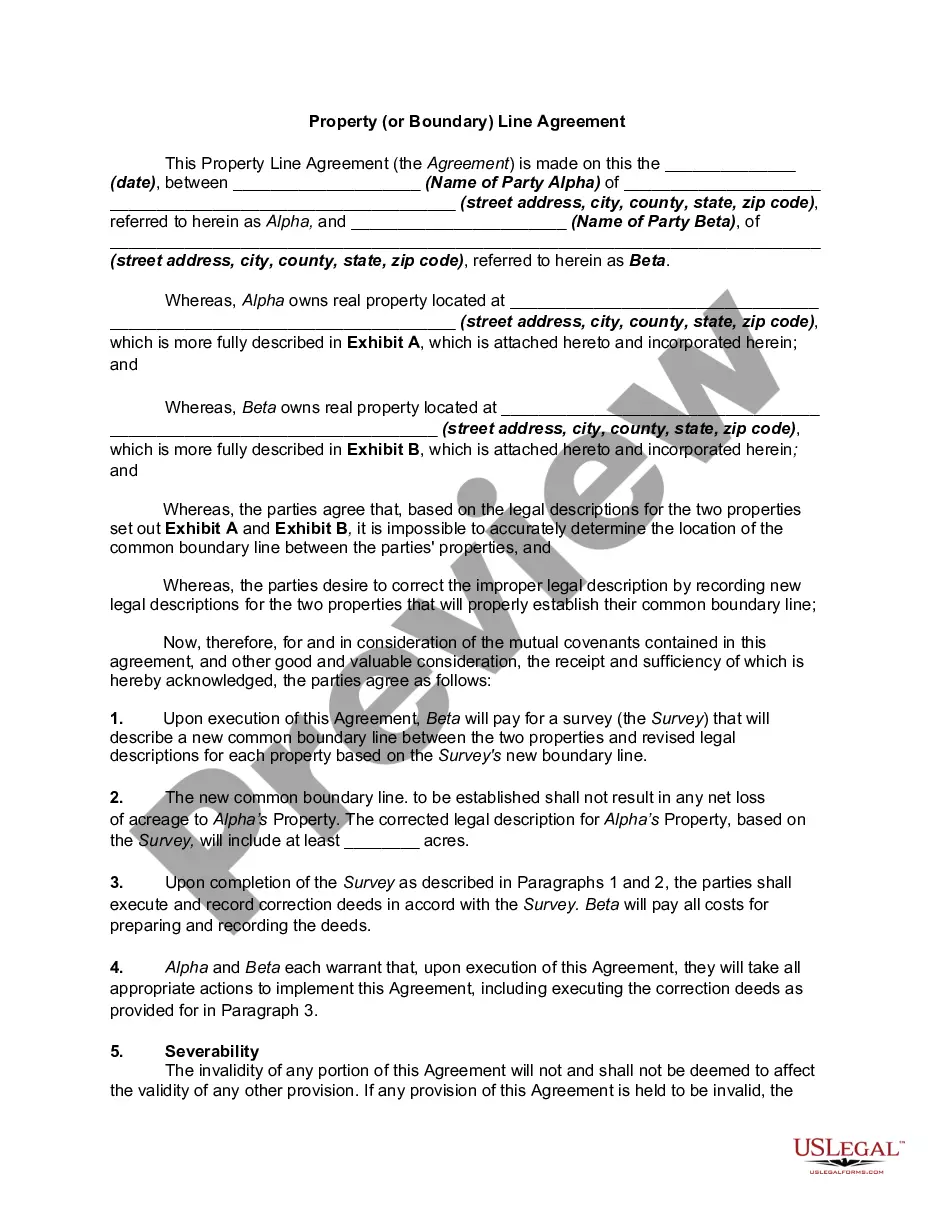
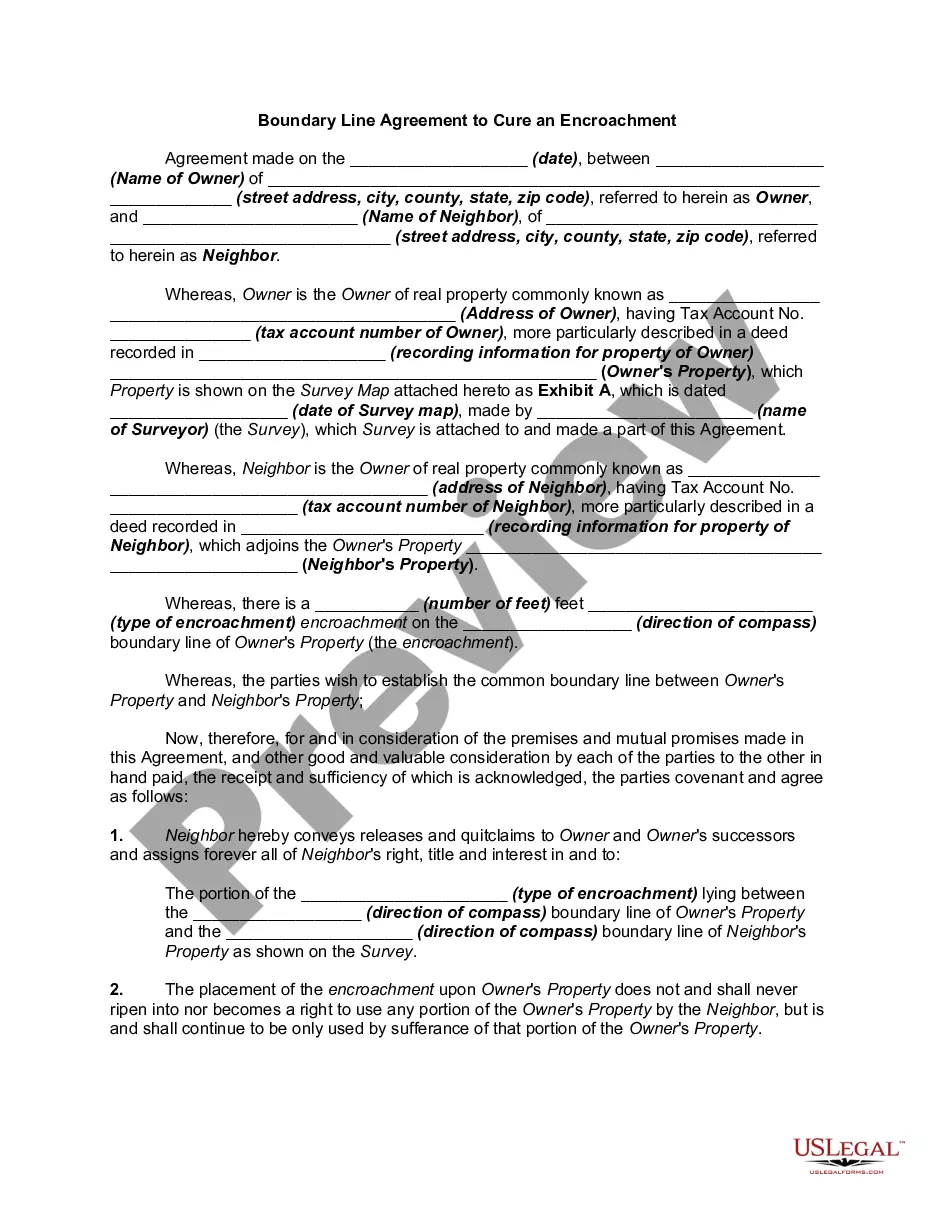
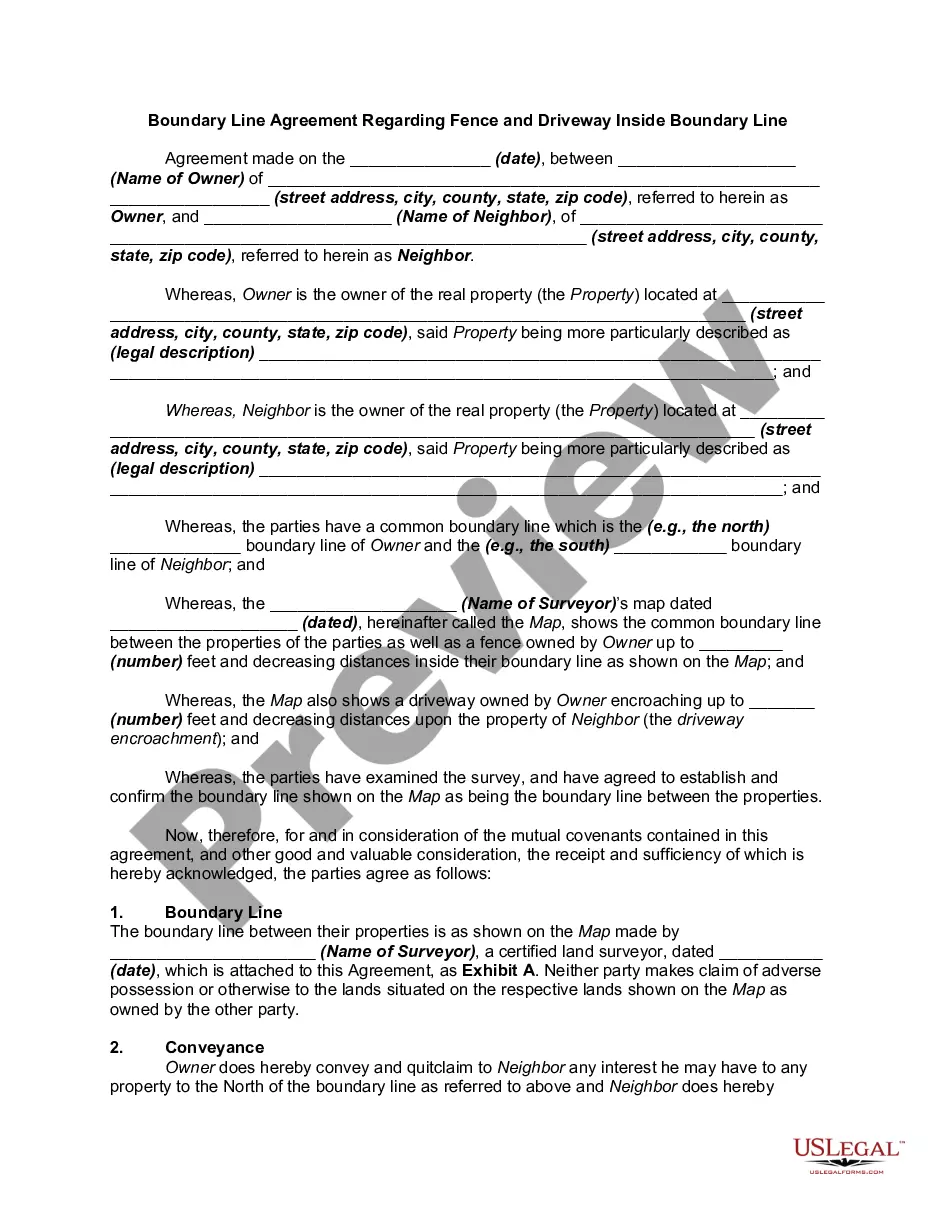
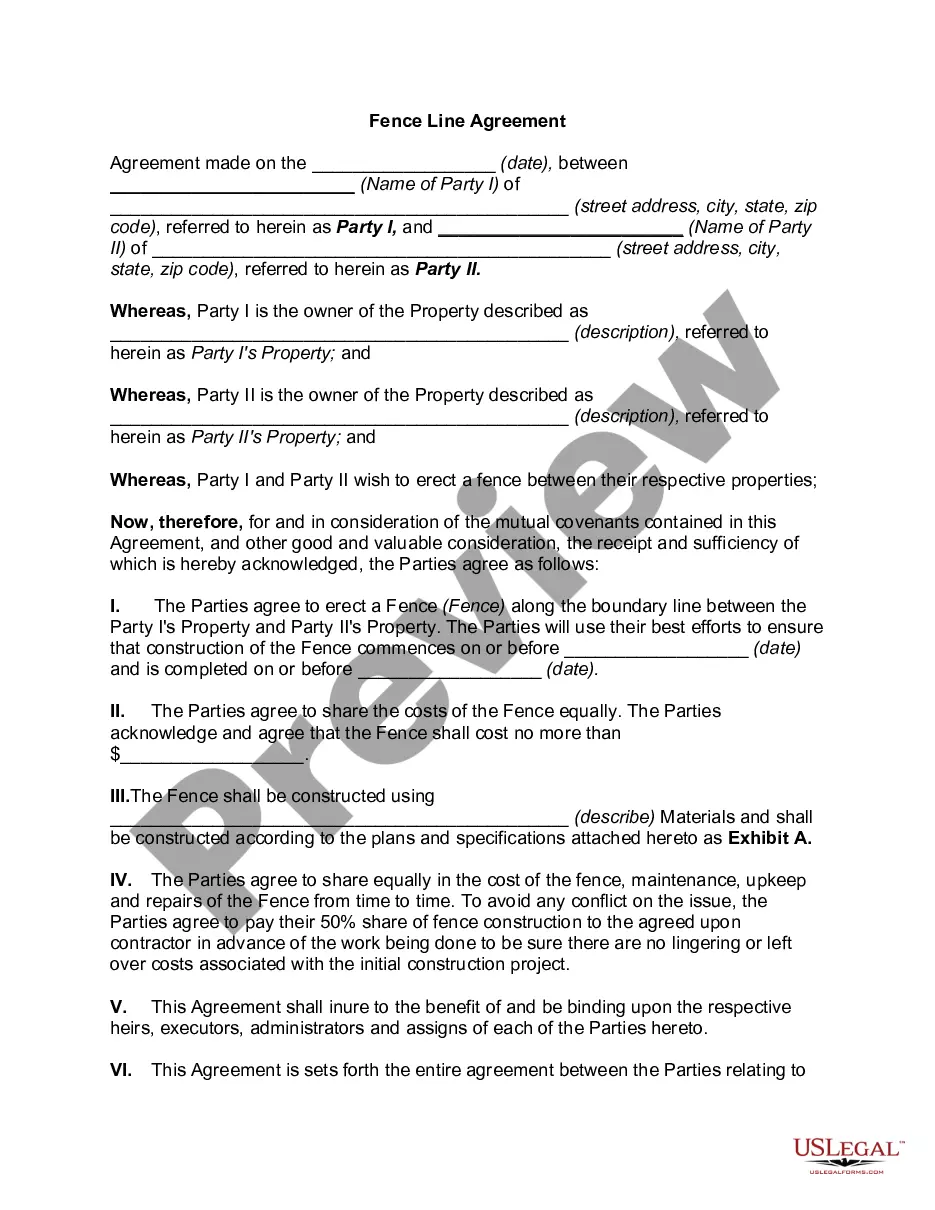
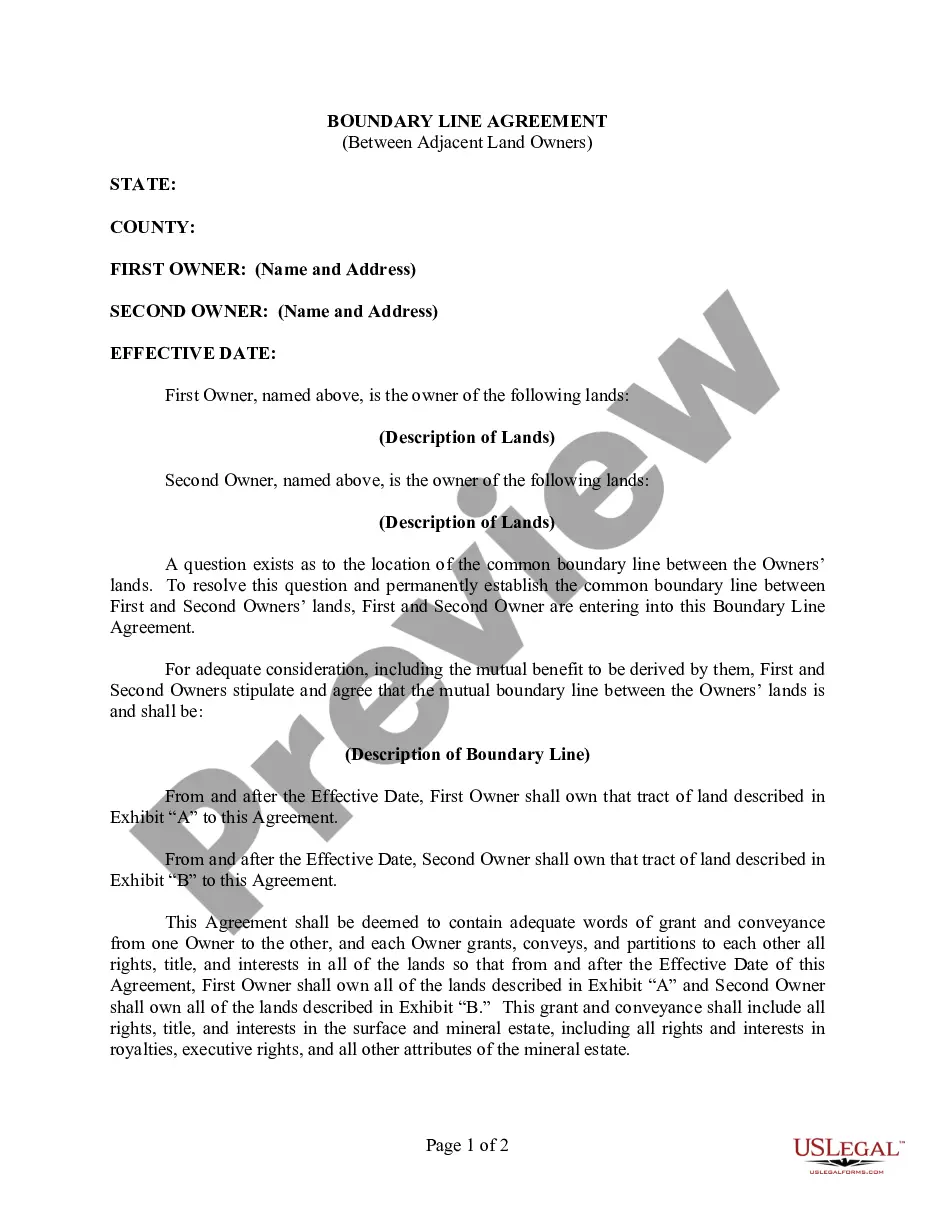
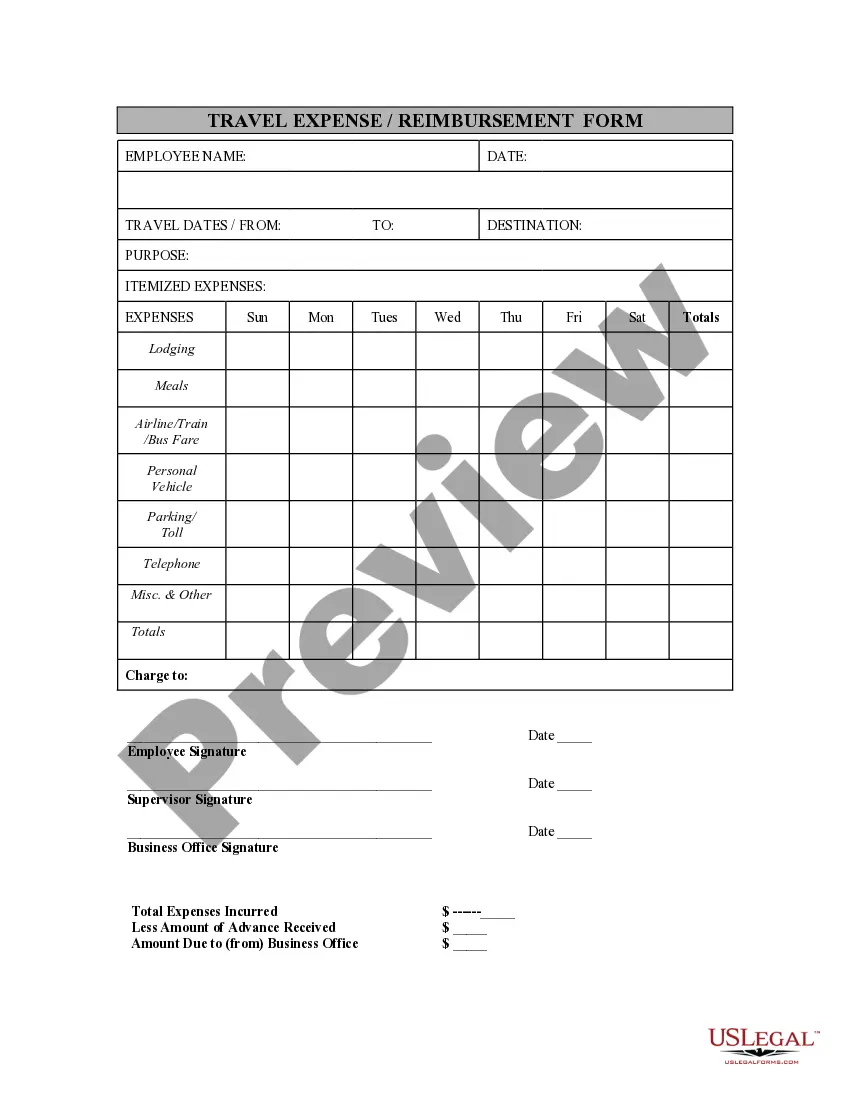
Get your form ready online
Our built-in tools help you complete, sign, share, and store your documents in one place.
Make edits, fill in missing information, and update formatting in US Legal Forms—just like you would in MS Word.
Download a copy, print it, send it by email, or mail it via USPS—whatever works best for your next step.
Sign and collect signatures with our SignNow integration. Send to multiple recipients, set reminders, and more. Go Premium to unlock E-Sign.
If this form requires notarization, complete it online through a secure video call—no need to meet a notary in person or wait for an appointment.
We protect your documents and personal data by following strict security and privacy standards.

Make edits, fill in missing information, and update formatting in US Legal Forms—just like you would in MS Word.

Download a copy, print it, send it by email, or mail it via USPS—whatever works best for your next step.

Sign and collect signatures with our SignNow integration. Send to multiple recipients, set reminders, and more. Go Premium to unlock E-Sign.

If this form requires notarization, complete it online through a secure video call—no need to meet a notary in person or wait for an appointment.

We protect your documents and personal data by following strict security and privacy standards.
Looking for another form?








Form popularity
FAQ
The field of play is rectangular and marked with lines called boundary lines. The two longer boundary lines are touch lines and the two shorter lines are goal lines. It is divided into two halves by a halfway line, which joins the midpoints of the two touch lines.
A penalty kick comes from just 12 yards, or 36 feet, away from the goal. If you stand in a goal and see how close that is in person, it's almost scary to think of a trained athlete kicking a ball at you from that close at those high speeds.
In soccer, there is no set offside line, instead, the line is determined by the location of the second-to-last defender— in most cases the last defender is the goalkeeper and the second-to-last defender is the deepest field player.
Subaru Park Philadelphia Union / Arena/Stadium
What Does Boundary Mean? The boundary is the short side of the field. For example, if the ball is on the left hash, the short side of the field would be to the left side. Identifying the boundary is important because there is less room to pass or run the football for the offense.
Stadium capacity of 18,500 for soccer and 26,000 for concerts, with seating as close to the field as FIFA regulations allow. Natural grass pitch, 120 yd x 75 yd.
In many soccer leagues and tournaments: Teams earn 3 points for a win, 1 point for a draw, and 0 points for a loss. Goal difference (goals scored minus goals conceded) serves as a tiebreaker. In tournaments like the World Cup, teams with the most points advance from group stages to knockout rounds.
For the 7v7 and 9v9 game, the field will include build out lines to promote individual skills and facilitate game flow. On 7v7 fields the build out lines are located 15 yards from each end line. For the 9v9 fields the build out lines are located 20 yards from each end line.
Build-Out Line Rules The build-out line shall be placed across the field equal distance between the top of the penalty area box and the halfway line for 8U-10U age groups. At any time, the player taking the goal kick, may pass to a teammate who is behind the build-out line.
The build-out line promotes playing the ball out of the back in a less pressured setting. The build-out line shall be at midfield for the 5U-7U age groups. The build-out line shall be placed across the field equal distance between the top of the penalty area box and the halfway line for 8U-10U age groups.
