Boundary Line For In Ohio
Description

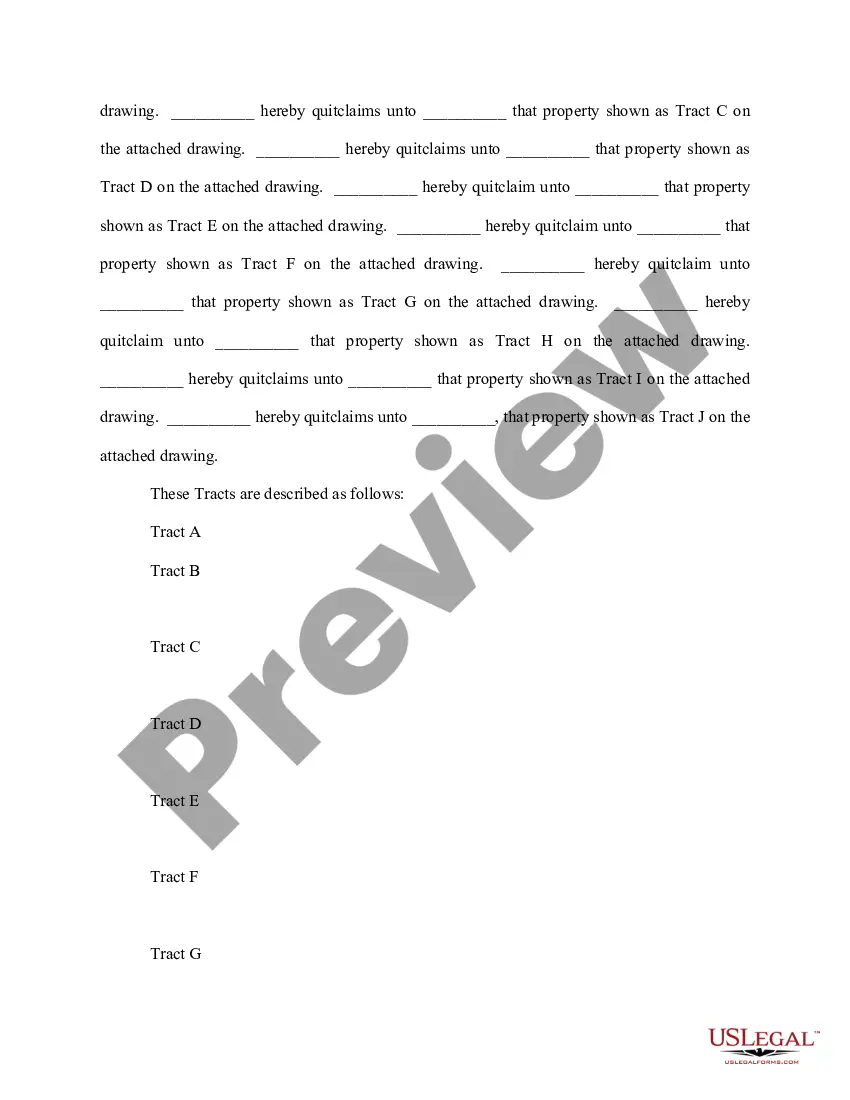
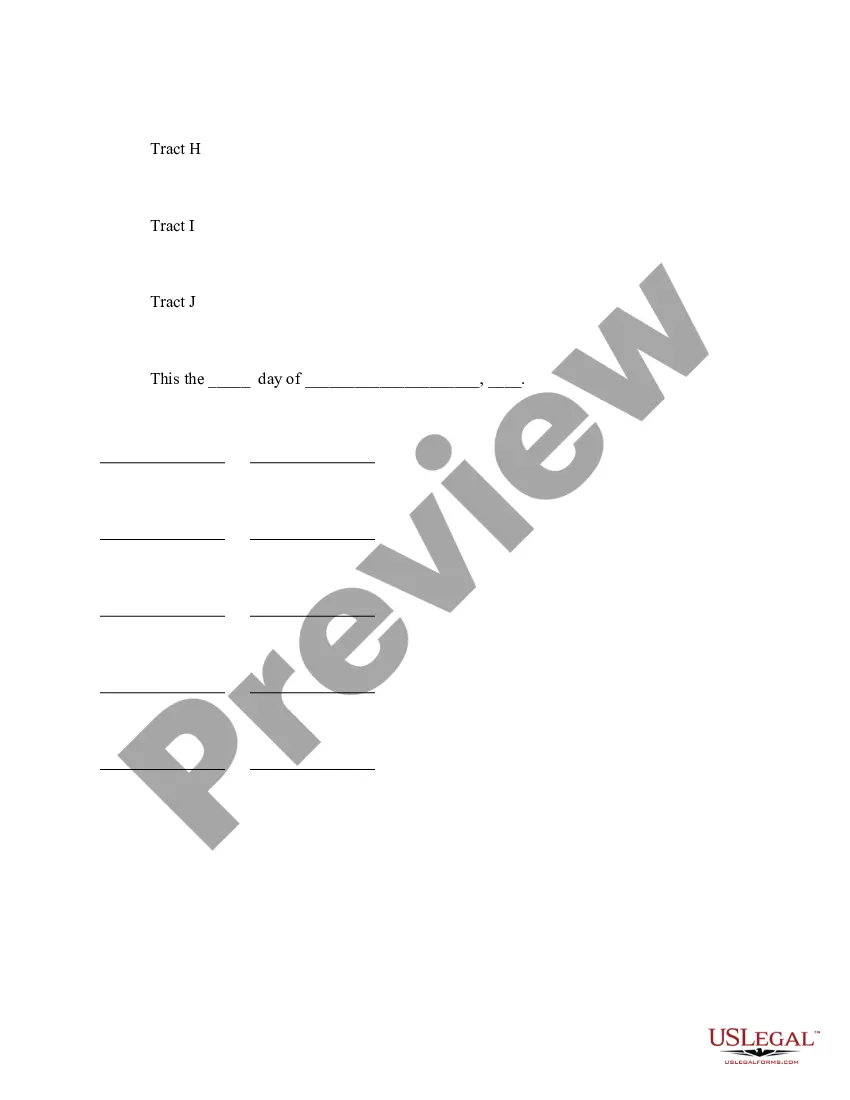

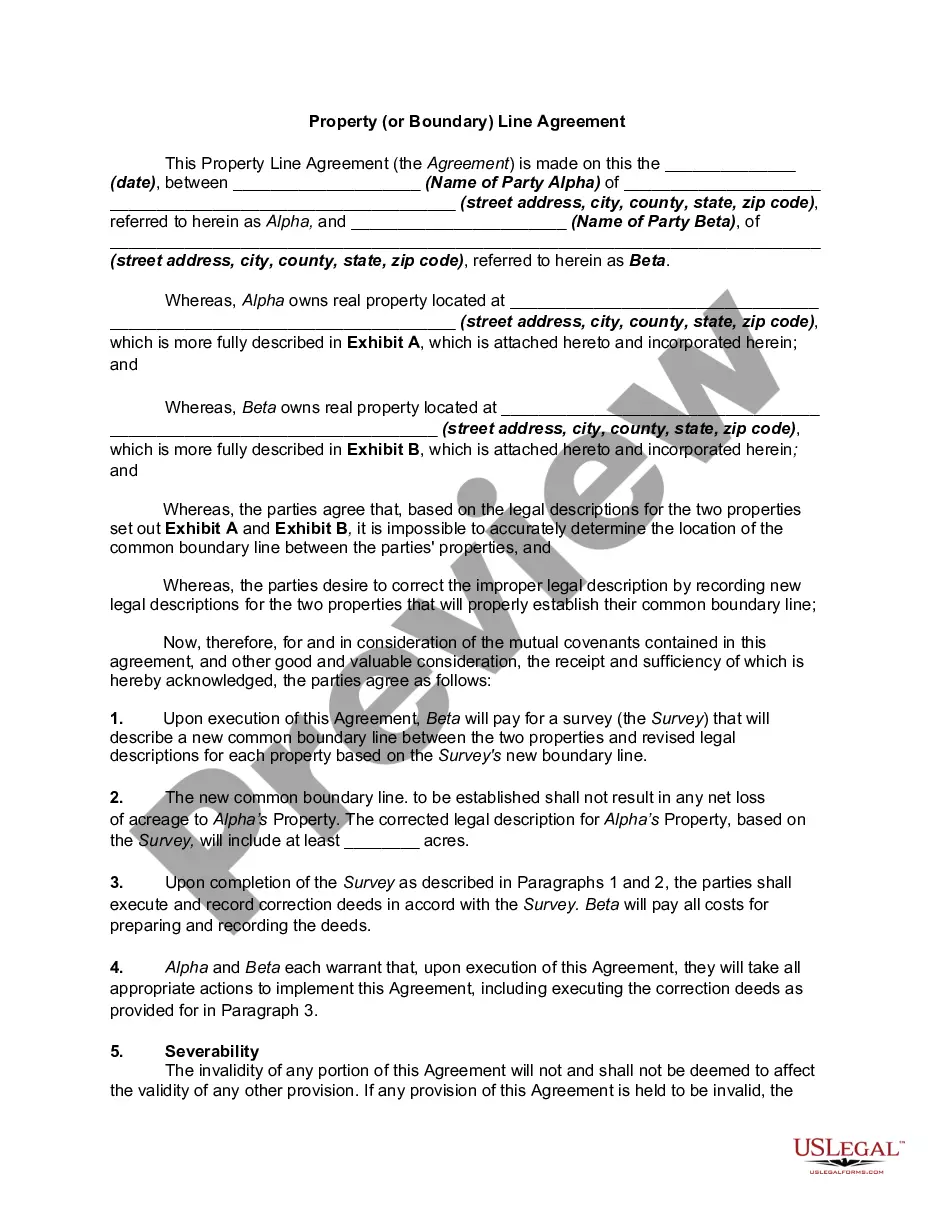
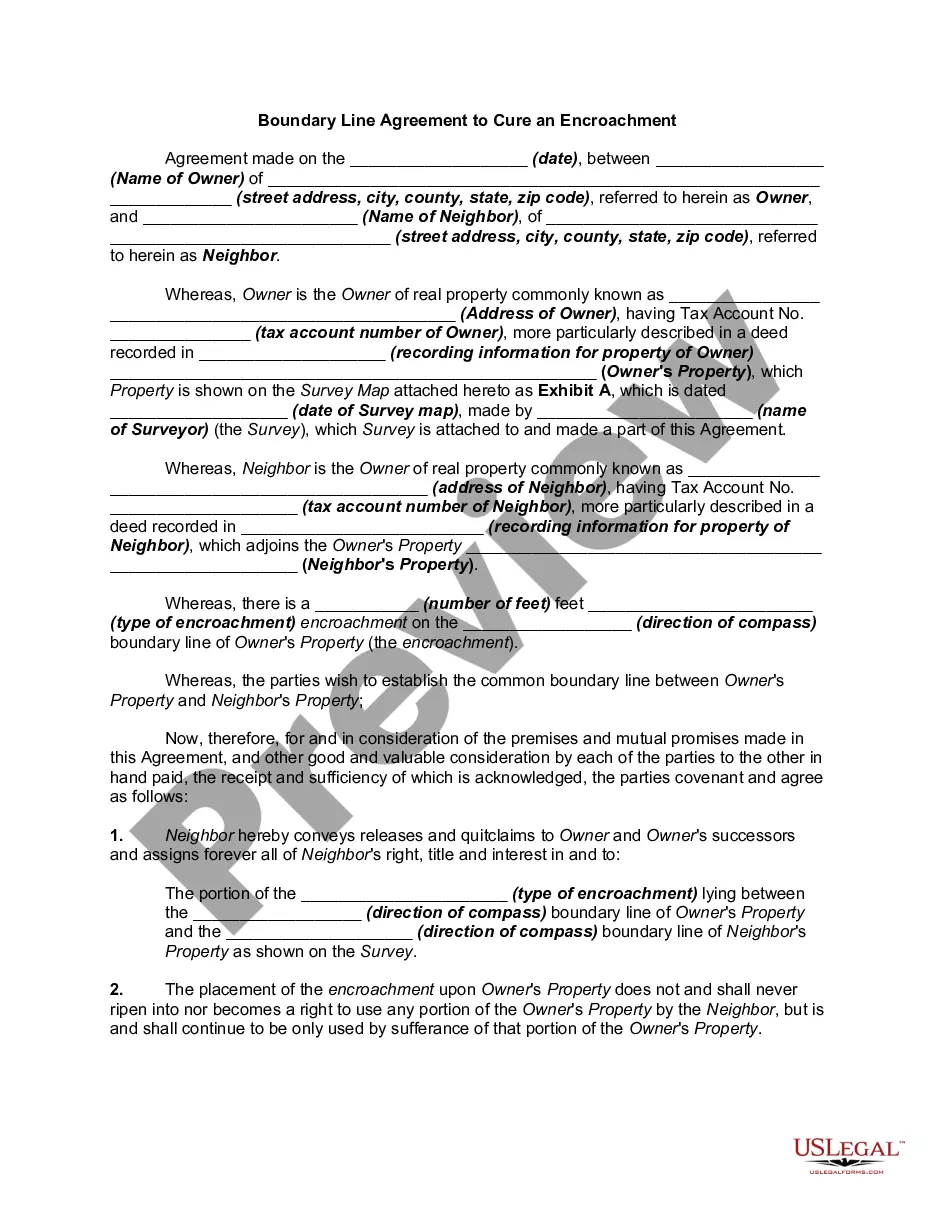
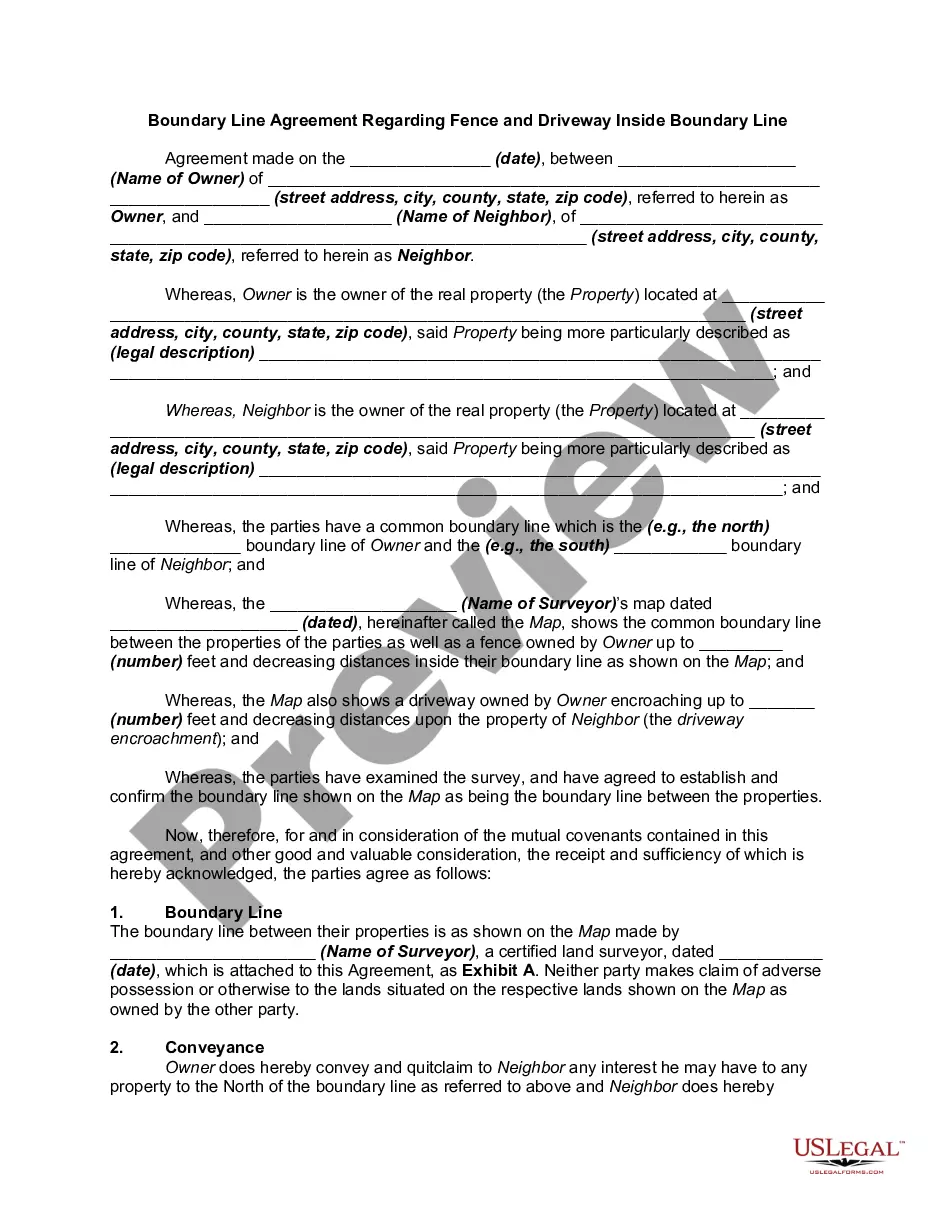
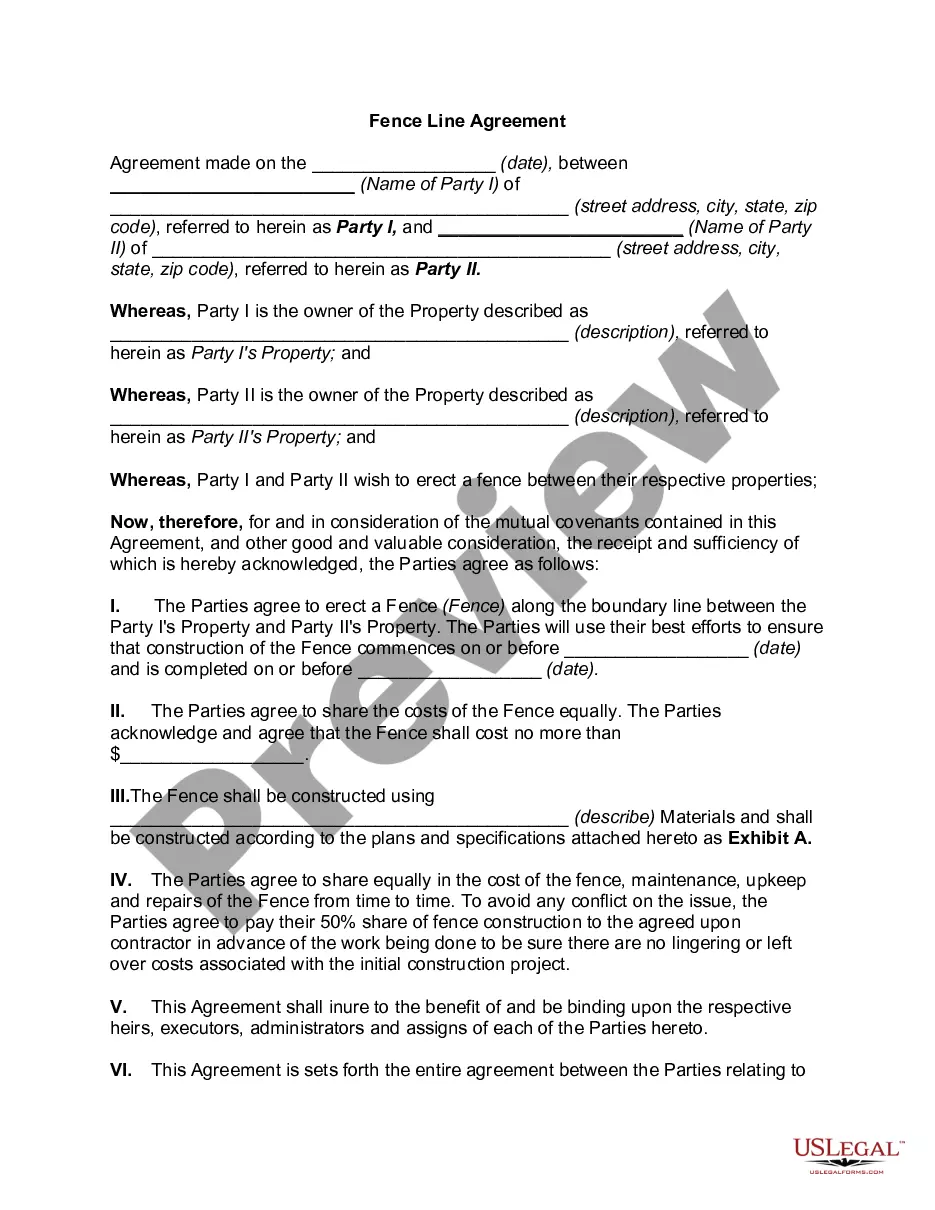
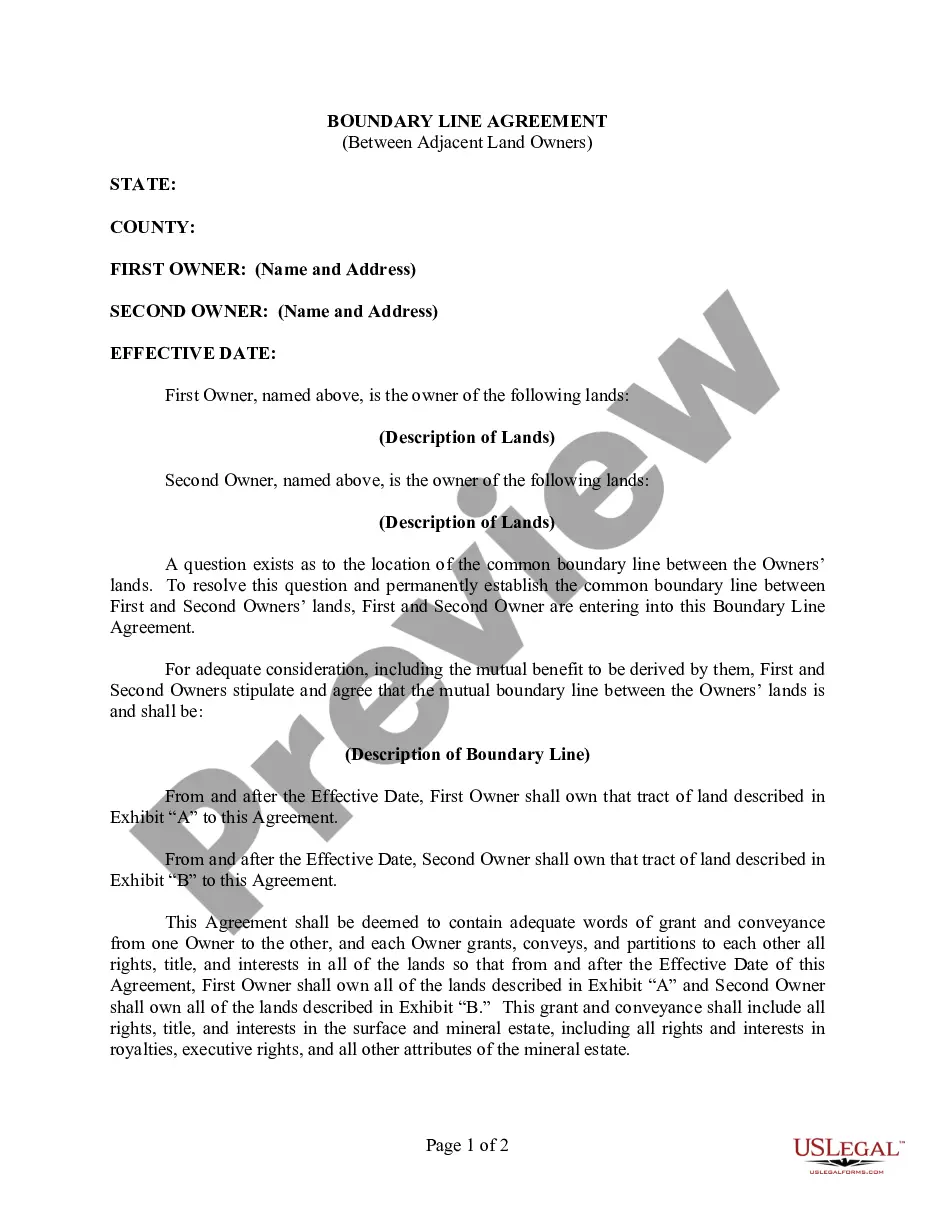
Get your form ready online
Our built-in tools help you complete, sign, share, and store your documents in one place.
Make edits, fill in missing information, and update formatting in US Legal Forms—just like you would in MS Word.
Download a copy, print it, send it by email, or mail it via USPS—whatever works best for your next step.
Sign and collect signatures with our SignNow integration. Send to multiple recipients, set reminders, and more. Go Premium to unlock E-Sign.
If this form requires notarization, complete it online through a secure video call—no need to meet a notary in person or wait for an appointment.
We protect your documents and personal data by following strict security and privacy standards.

Make edits, fill in missing information, and update formatting in US Legal Forms—just like you would in MS Word.

Download a copy, print it, send it by email, or mail it via USPS—whatever works best for your next step.

Sign and collect signatures with our SignNow integration. Send to multiple recipients, set reminders, and more. Go Premium to unlock E-Sign.

If this form requires notarization, complete it online through a secure video call—no need to meet a notary in person or wait for an appointment.

We protect your documents and personal data by following strict security and privacy standards.
Looking for another form?








Form popularity
FAQ
If you want to obtain a copy of the deed to your home, contact your local county recorder. In Ohio, county recorders are responsible for maintaining land records and making them accessible to the public.
A legal description should identify by volume-and-page number the deed or other recorded instrument through which the current owner claims title. Ohio deeds customarily include a property's street address and tax parcel ID number immediately beneath the legal description.
Any overstepping structure can be legally classified as an encroachment. In Ohio's jurisdiction, parties guilty of encroachment may be liable for reparations or may face directives to dismantle the structure.
In Ohio, there are several requirements to validly transfer ownership of real property. Deeds must be properly signed by the grantor and acknowledged by a notary. Then, deeds are recorded in the county recorder's office where the real property is located.
The signing shall be acknowledged by the grantor, mortgagor, vendor, or lessor, or by the trustee, before a judge or clerk of a court of record in this state, or a county auditor, county engineer, notary public, or mayor, who shall certify the acknowledgement and subscribe the official's name to the certificate of the ...
In Ohio, only an attorney can draft a deed for others. All title companies must use an attorney to draft deeds.
Any overstepping structure can be legally classified as an encroachment. In Ohio's jurisdiction, parties guilty of encroachment may be liable for reparations or may face directives to dismantle the structure.
They can be established through visible features, such as roads, ditches or fences, but they also may be imperceptible. Ask Your Mortgage Or Title Company. Look For Property Markers. Look For Hidden Survey Pins. Refer To Physical Markers. Visit Your Local Zoning Office. Measure Your Property Yourself.
A boundary survey typically costs from £300 to £1000 per day, plus extra for drawings.
The Planning & Development Department can give you a copy of your lot dimensions. To determine the exact location of property lines a property survey would need to be conducted at the property owner's expense.
