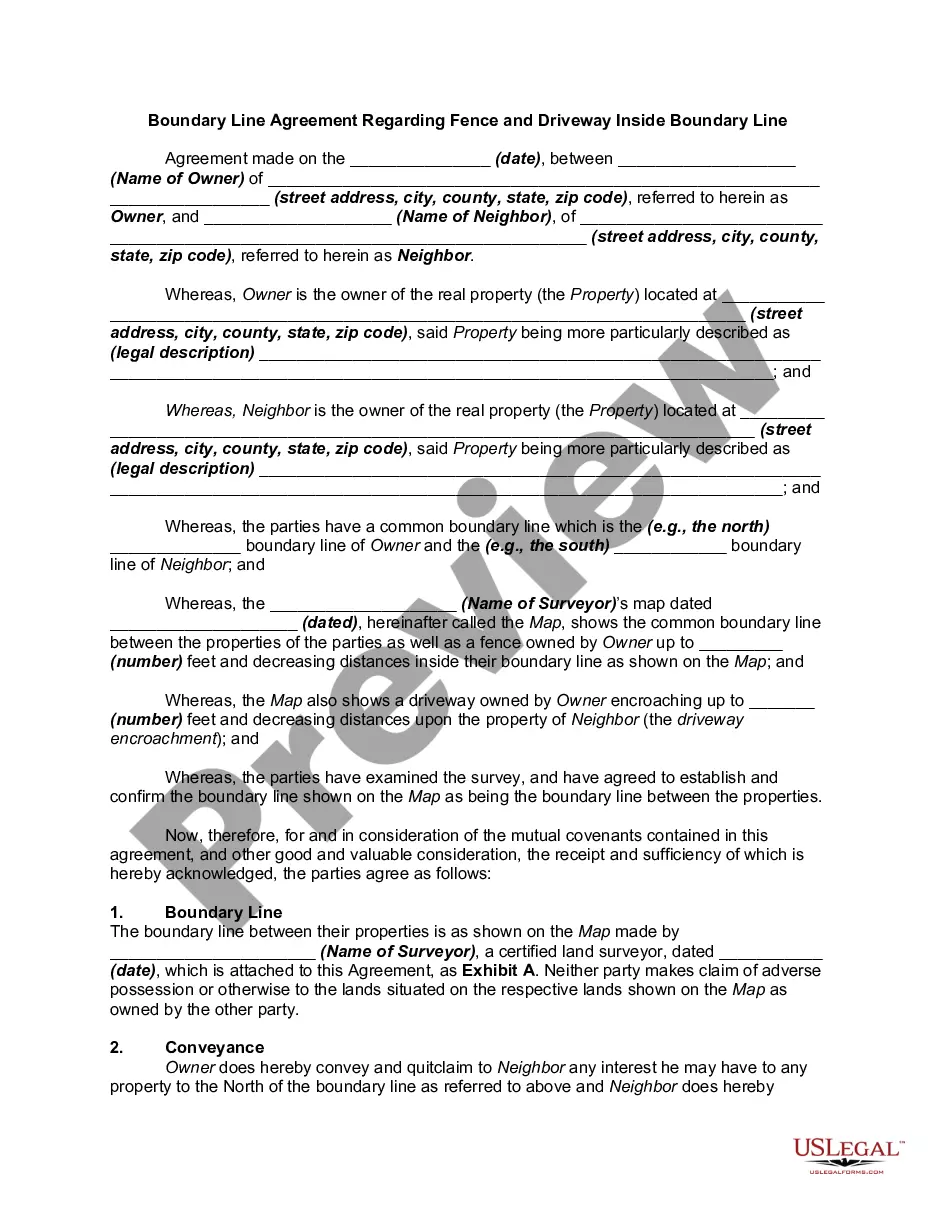
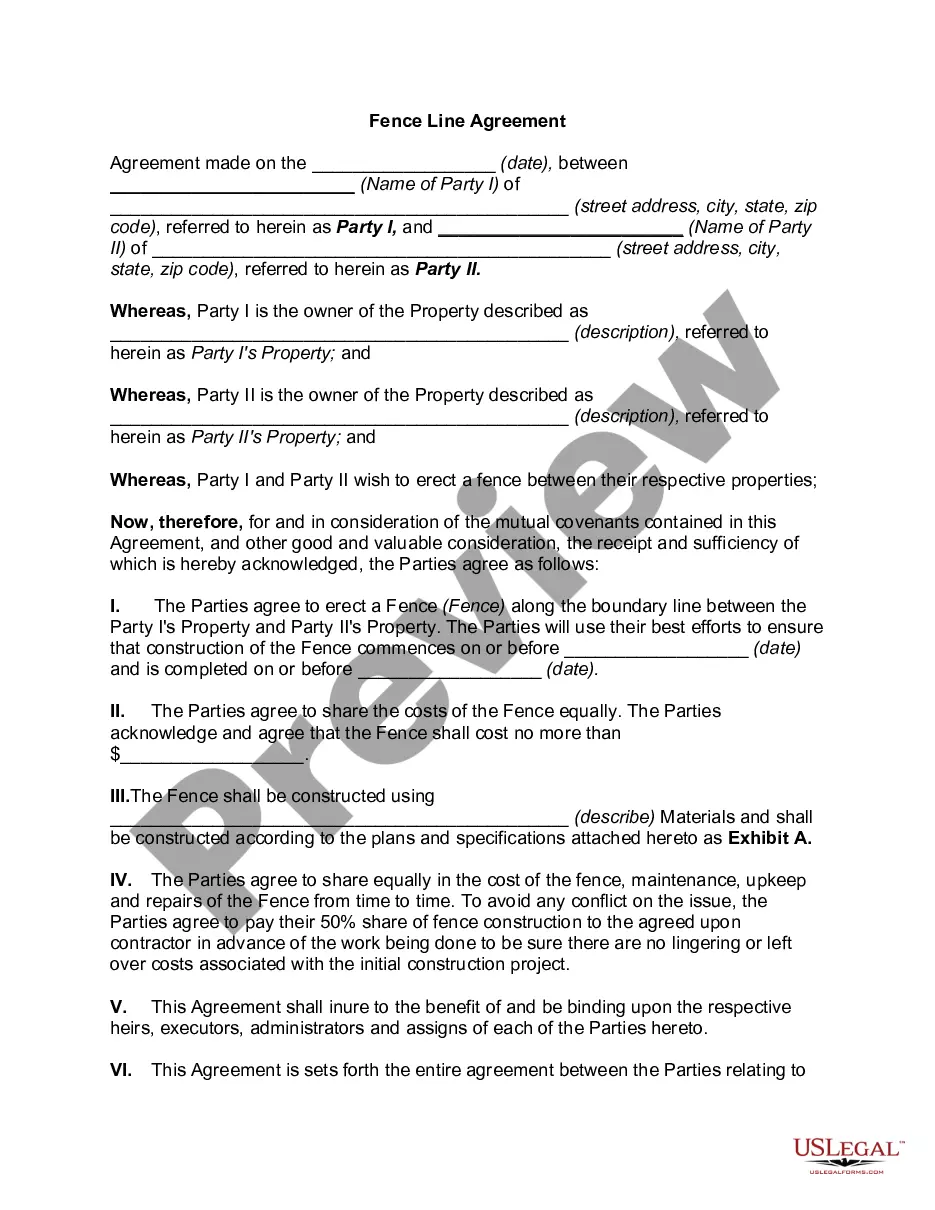
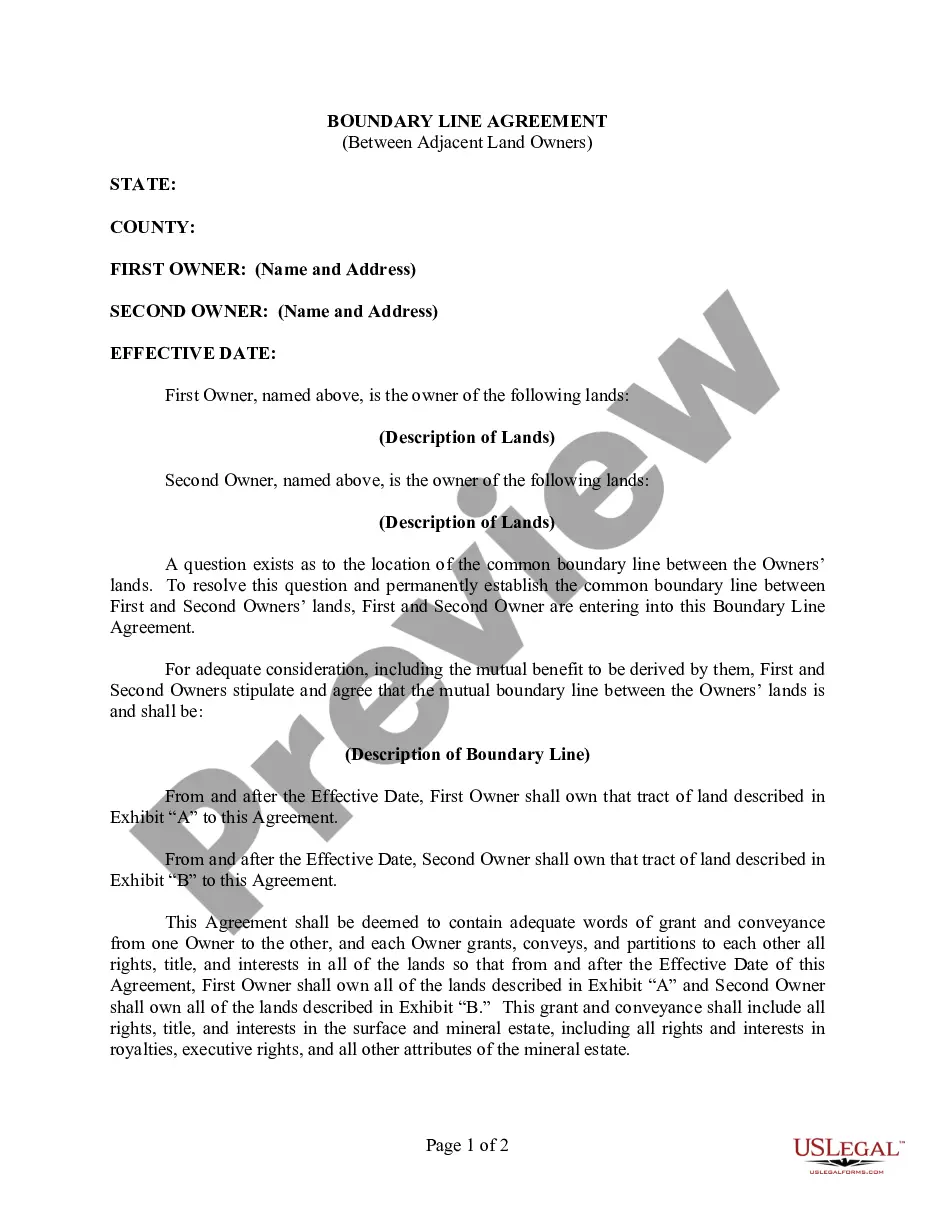
Boundary Line Agreement Sample Form California In Ohio
Description

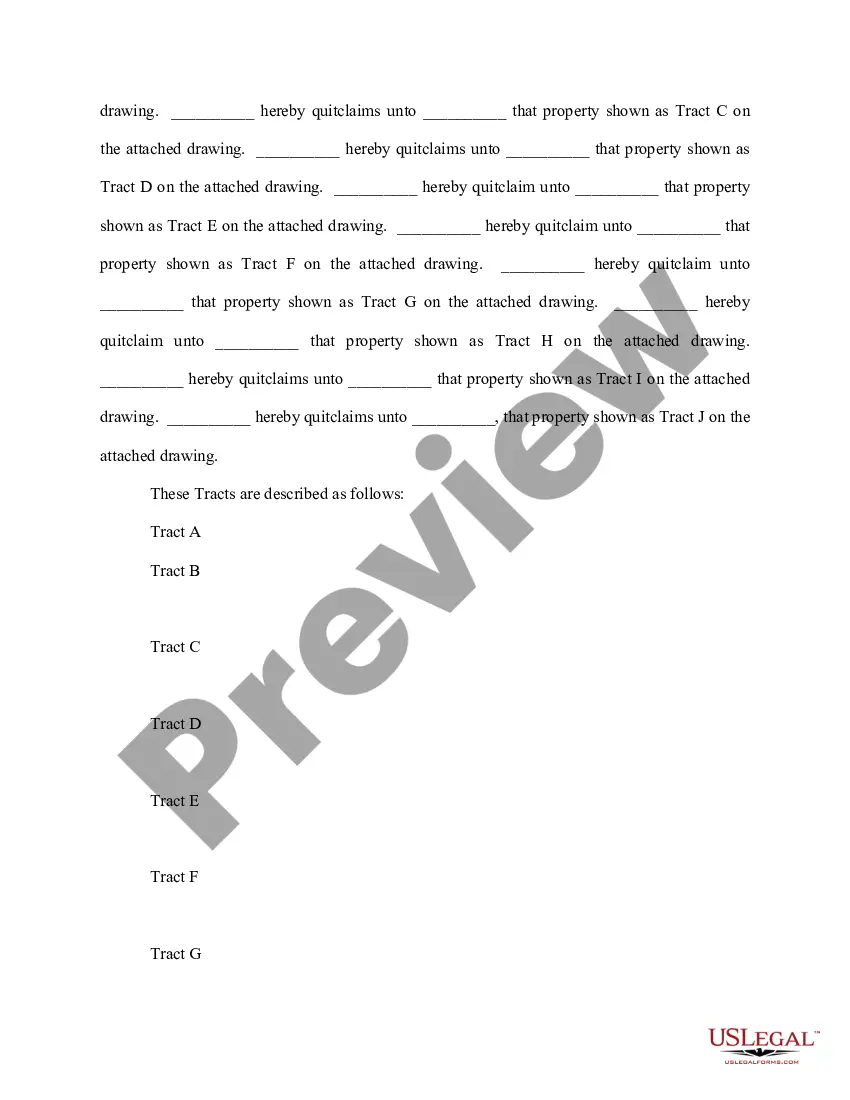
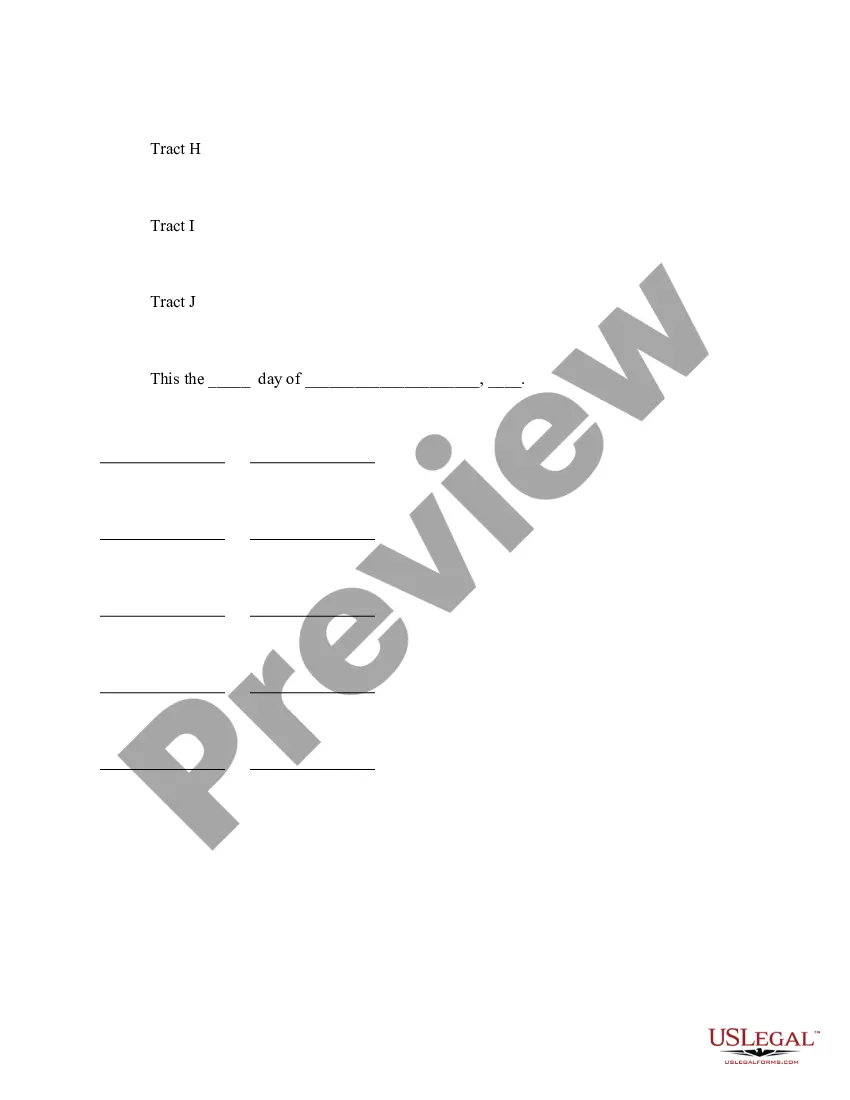

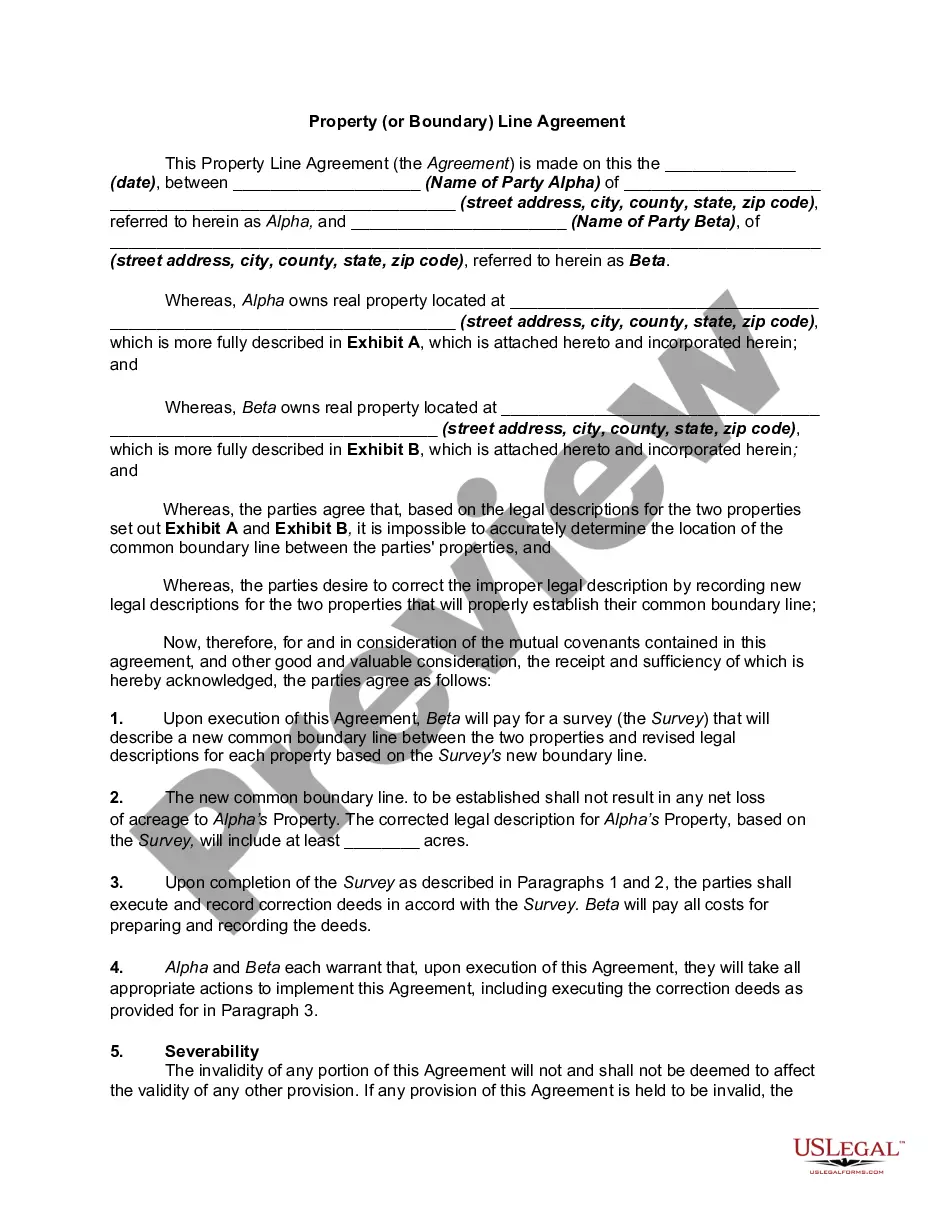
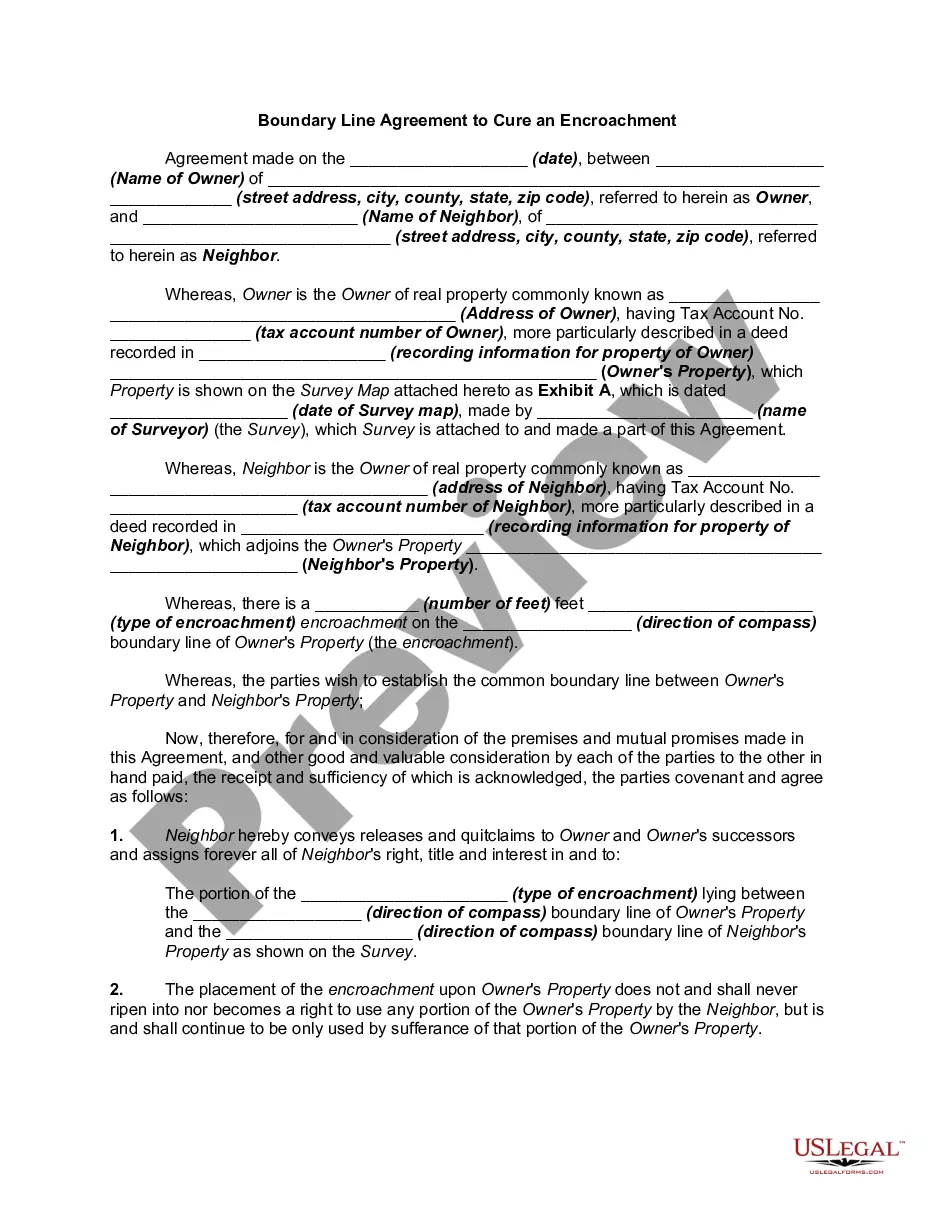
Get your form ready online
Our built-in tools help you complete, sign, share, and store your documents in one place.
Make edits, fill in missing information, and update formatting in US Legal Forms—just like you would in MS Word.
Download a copy, print it, send it by email, or mail it via USPS—whatever works best for your next step.
Sign and collect signatures with our SignNow integration. Send to multiple recipients, set reminders, and more. Go Premium to unlock E-Sign.
If this form requires notarization, complete it online through a secure video call—no need to meet a notary in person or wait for an appointment.
We protect your documents and personal data by following strict security and privacy standards.

Make edits, fill in missing information, and update formatting in US Legal Forms—just like you would in MS Word.

Download a copy, print it, send it by email, or mail it via USPS—whatever works best for your next step.

Sign and collect signatures with our SignNow integration. Send to multiple recipients, set reminders, and more. Go Premium to unlock E-Sign.

If this form requires notarization, complete it online through a secure video call—no need to meet a notary in person or wait for an appointment.

We protect your documents and personal data by following strict security and privacy standards.
Looking for another form?









Form popularity
FAQ
It's important to know that a property line in the front of a house determines the measured distance of the land, known as the frontage. In contrast, the property boundaries on the sides of your house are known as sidelines.
Property boundaries in California are defined as the legally recognized lines where one property ends and another begins. These boundaries are crucial in real estate as they determine the extent of the land or structure that an owner has rights to.
A common boundary property right refers to an agreement between two or more property owners who share a boundary line. This agreement outlines the rights and responsibilities of each property owner regarding the boundary line. In this section, we will explore whether a common boundary property right is right for you.
The agreed-boundary doctrine is a rule that helps neighbors who are unsure about where their property lines are. It allows them to agree on a boundary line between their properties, as long as they both agree, have been using that boundary for a long time, and it can be seen on the ground.
The Doctrine of Merger in California real property law provides that when a greater and lesser estate are vested in the same person, the lesser estate may merge into the greater estate and the lesser estate be terminated.
Property boundaries are the crucial lines that mark where one property ends and the neighboring property begins.
Hire a licensed land surveyor The most accurate way to know where your land begins and ends is to hire a surveyor to determine your property lines. The property surveyor will first check county records to understand the history of the lot.
These lines, more often called borders, are created by people to separate areas governed by different groups. Sometimes, political boundaries follow physical boundaries, but most of the time you can't see them. Most maps show political boundaries. Political boundaries change over time through wars, treaties, and trade.
The Boundary Line Agreement (BL AGR) provides a procedure for County review whenever a point or line determining the boundary between two or more parcels of real property cannot be identified from the existing public record, monuments, and landmarks or is in dispute. RCW 58.04.