Border Lines With In Minnesota
Description


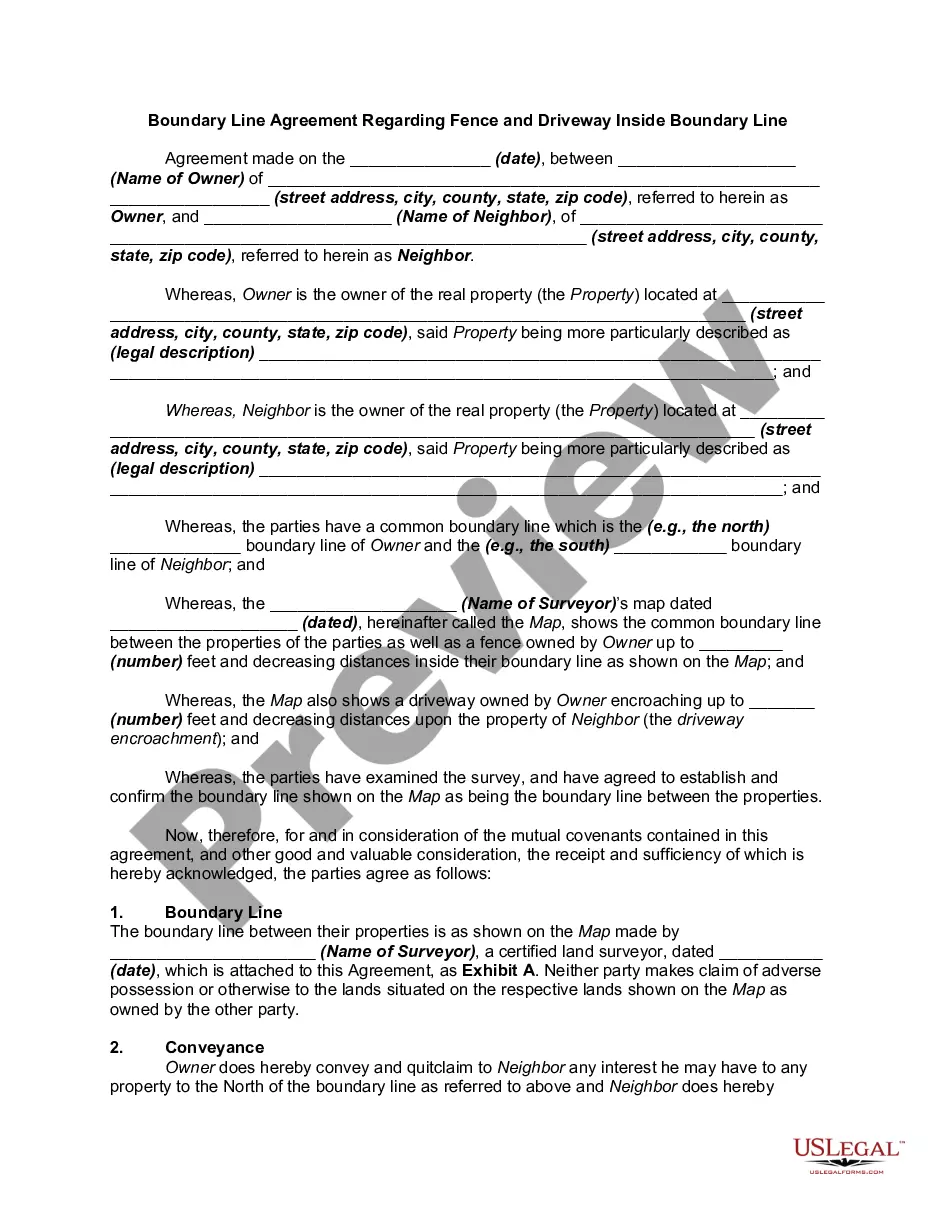
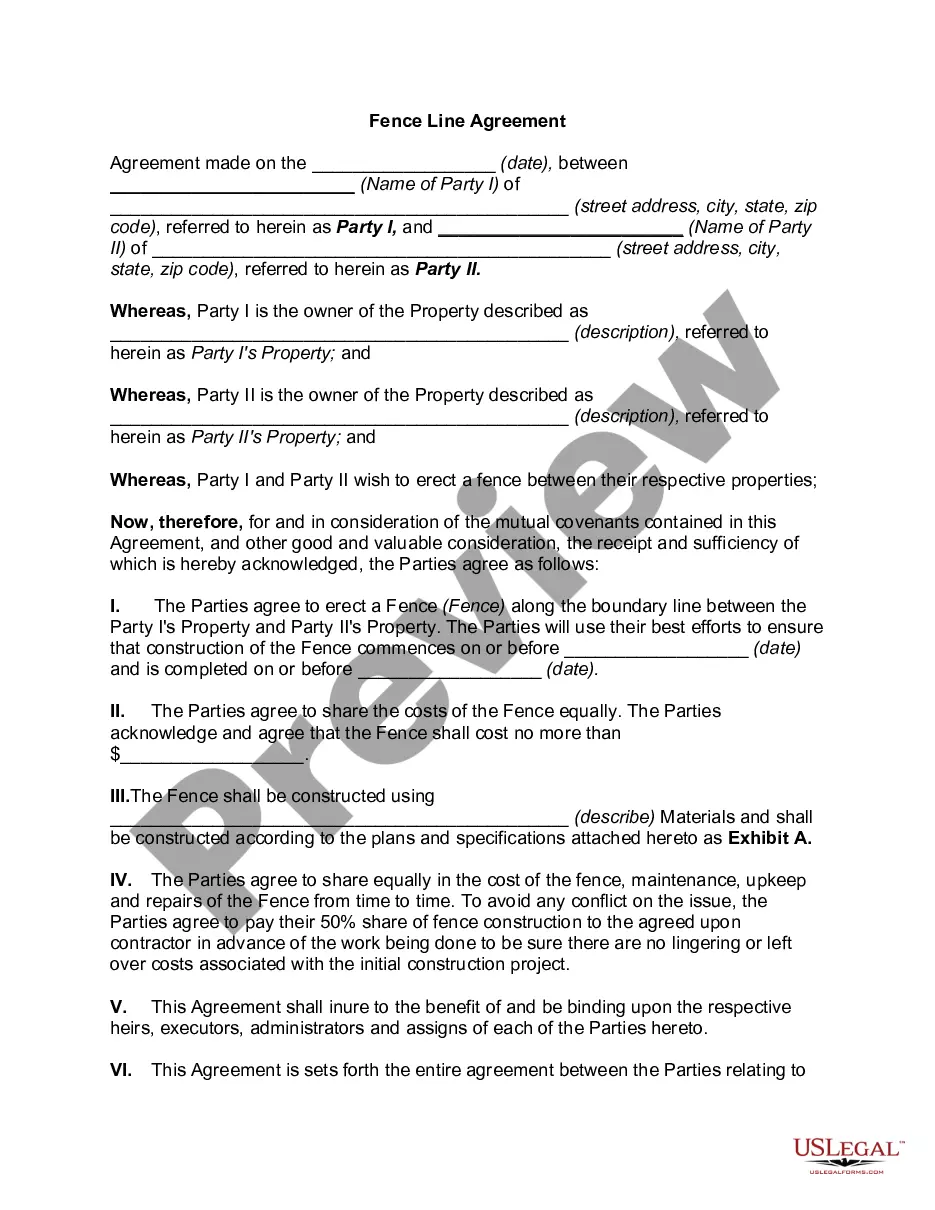
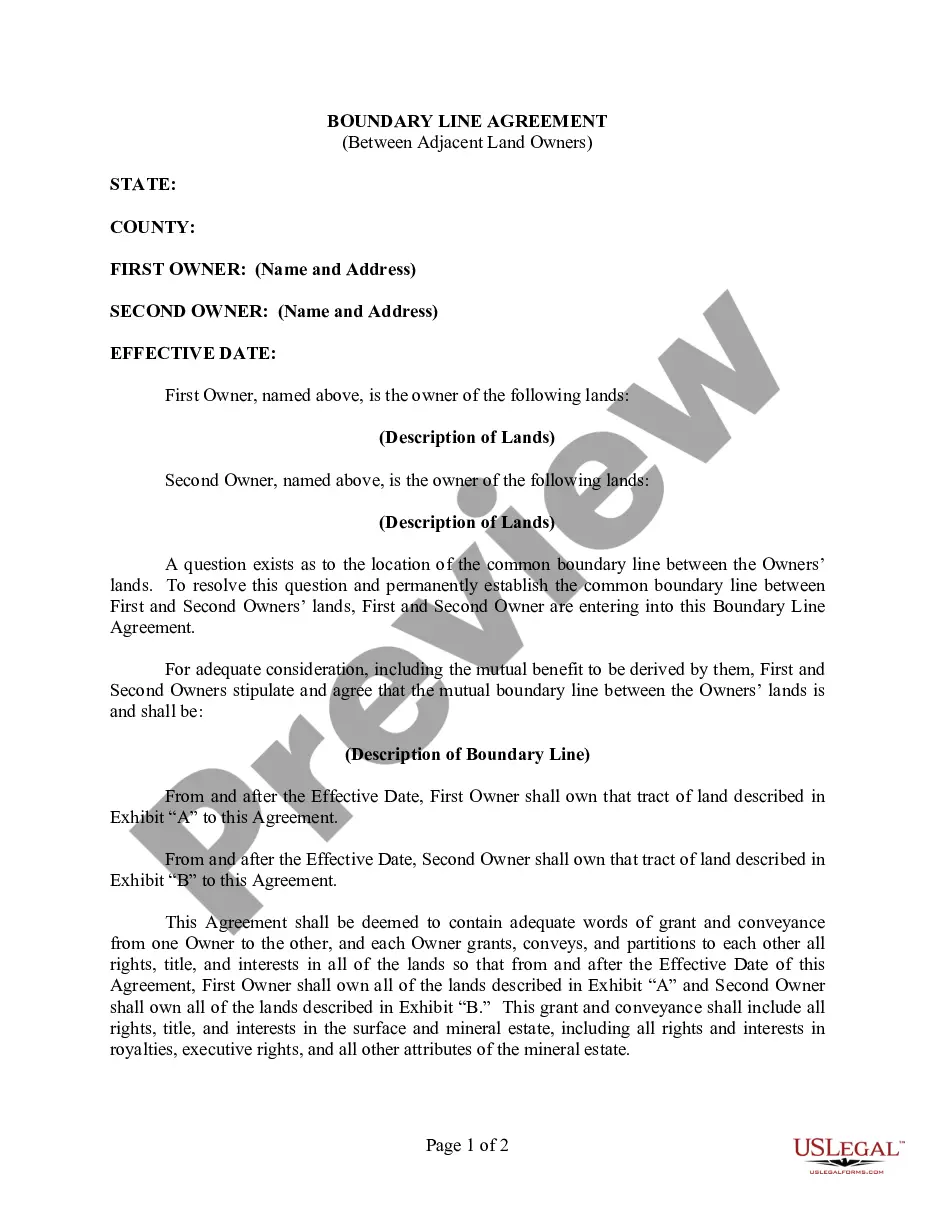
Get your form ready online
Our built-in tools help you complete, sign, share, and store your documents in one place.
Make edits, fill in missing information, and update formatting in US Legal Forms—just like you would in MS Word.
Download a copy, print it, send it by email, or mail it via USPS—whatever works best for your next step.
Sign and collect signatures with our SignNow integration. Send to multiple recipients, set reminders, and more. Go Premium to unlock E-Sign.
If this form requires notarization, complete it online through a secure video call—no need to meet a notary in person or wait for an appointment.
We protect your documents and personal data by following strict security and privacy standards.

Make edits, fill in missing information, and update formatting in US Legal Forms—just like you would in MS Word.

Download a copy, print it, send it by email, or mail it via USPS—whatever works best for your next step.

Sign and collect signatures with our SignNow integration. Send to multiple recipients, set reminders, and more. Go Premium to unlock E-Sign.

If this form requires notarization, complete it online through a secure video call—no need to meet a notary in person or wait for an appointment.

We protect your documents and personal data by following strict security and privacy standards.
Looking for another form?
Form popularity
FAQ
Maintaining Distance from the Property Line This helps prevent disputes and allows for maintenance on both sides of the fence without encroaching on the neighbor's land. A common practice is to build the fence 2-8 inches away from the property line, depending on local regulations and personal preferences.
What is a Public Road Right-of-Way? In Minnesota, it is a strip of land of a specific width, which has been legally established by a property owner, a court of law, and/or a county, for public road purposes.
The height of a fence is essential in determining whether you need planning permission. Generally, you can build a fence up to two metres high without permission. However, if your fence exceeds this limit, you must obtain permission from your local authority.
Generally, most residential fences require a permit, especially if they exceed a certain height or are installed in specific locations, such as near a property line or street. The City of Minneapolis typically mandates permits for fences over seven feet in height.
561.02 MALICIOUSLY MAINTAINED STRUCTURE. Any fence, or any other structure, maliciously ed or maintained for the purpose of annoying the owners or occupants of adjoining property shall be deemed a private nuisance.
Iowa is to the south, North Dakota and South Dakota are to the west, and the Canadian provinces of Ontario and Manitoba are to the north. With 86,943 square miles (225,180 km2), or approximately 2.25% of the United States, Minnesota is the 12th-largest state.
When a fence is on the property line between you and adjoining landowners (a “partition fence”), Minnesota statutes say that expenses should be shared for installation and repair costs. If a dispute arises, the party who pays for the fence is entitled to recover half of their costs from the non-paying homeowner.
Minnesota, is in the north central United States. Near the geographic center of North America, it is bordered on the north by the Canadian provinces of Manitoba and Ontario, on the west by North Dakota and South Dakota, on the south by Iowa, and on the east by Wisconsin and Lake Superior.
Iowa is to the south, South Dakota and North Dakota are to the west, and the Canadian provinces of Manitoba and Ontario are to the north. With 87,014 square miles (225,370 km2), or approximately 2.26% of the United States, Minnesota is the 12th largest state.
About Minnesota Near the geographic center of North America, it is bordered on the north by the Canadian provinces of Manitoba and Ontario, on the west by North Dakota and South Dakota, on the south by Iowa, and on the east by Wisconsin and Lake Superior. Minnesota entered the Union on , as the 32nd state.
