Boundary Lines In India In Harris
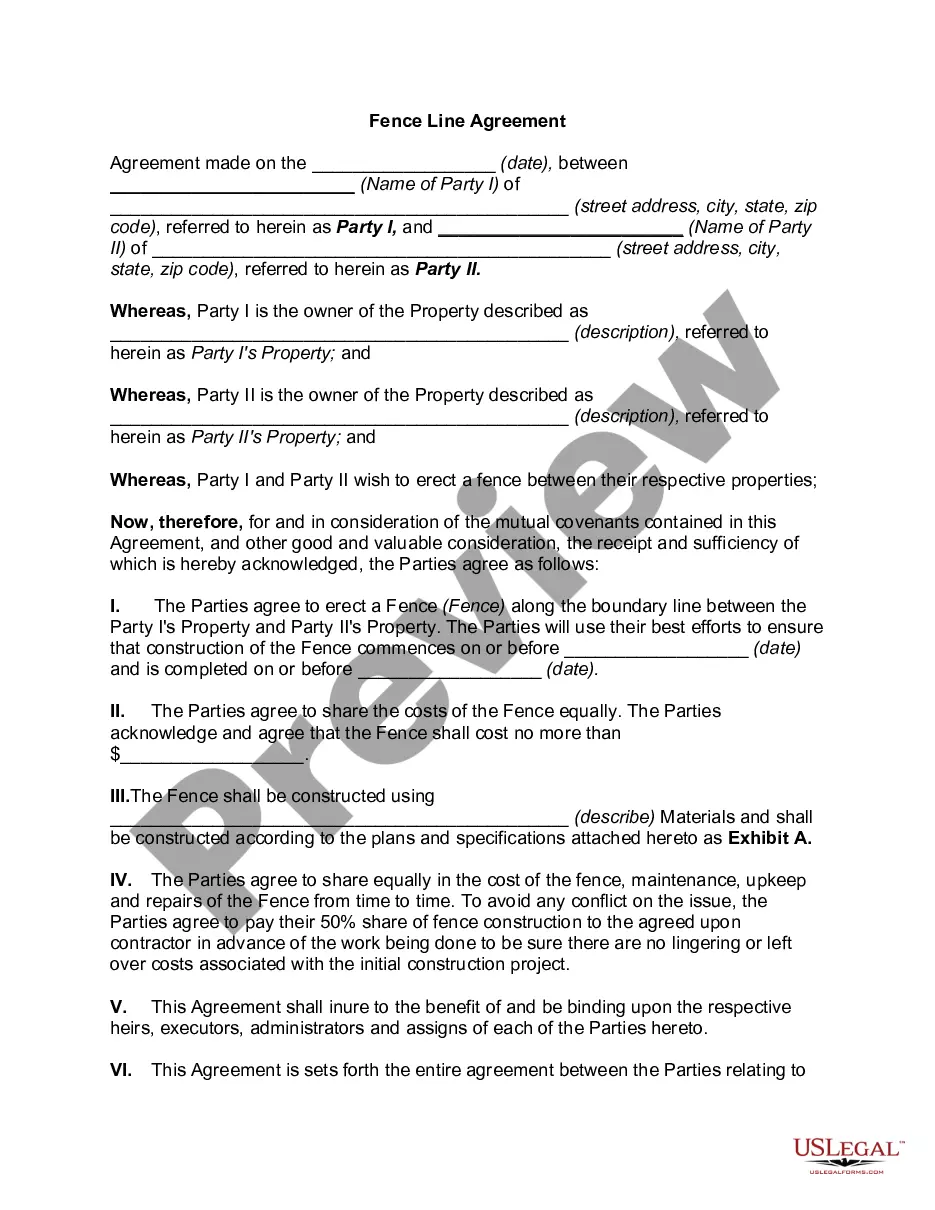
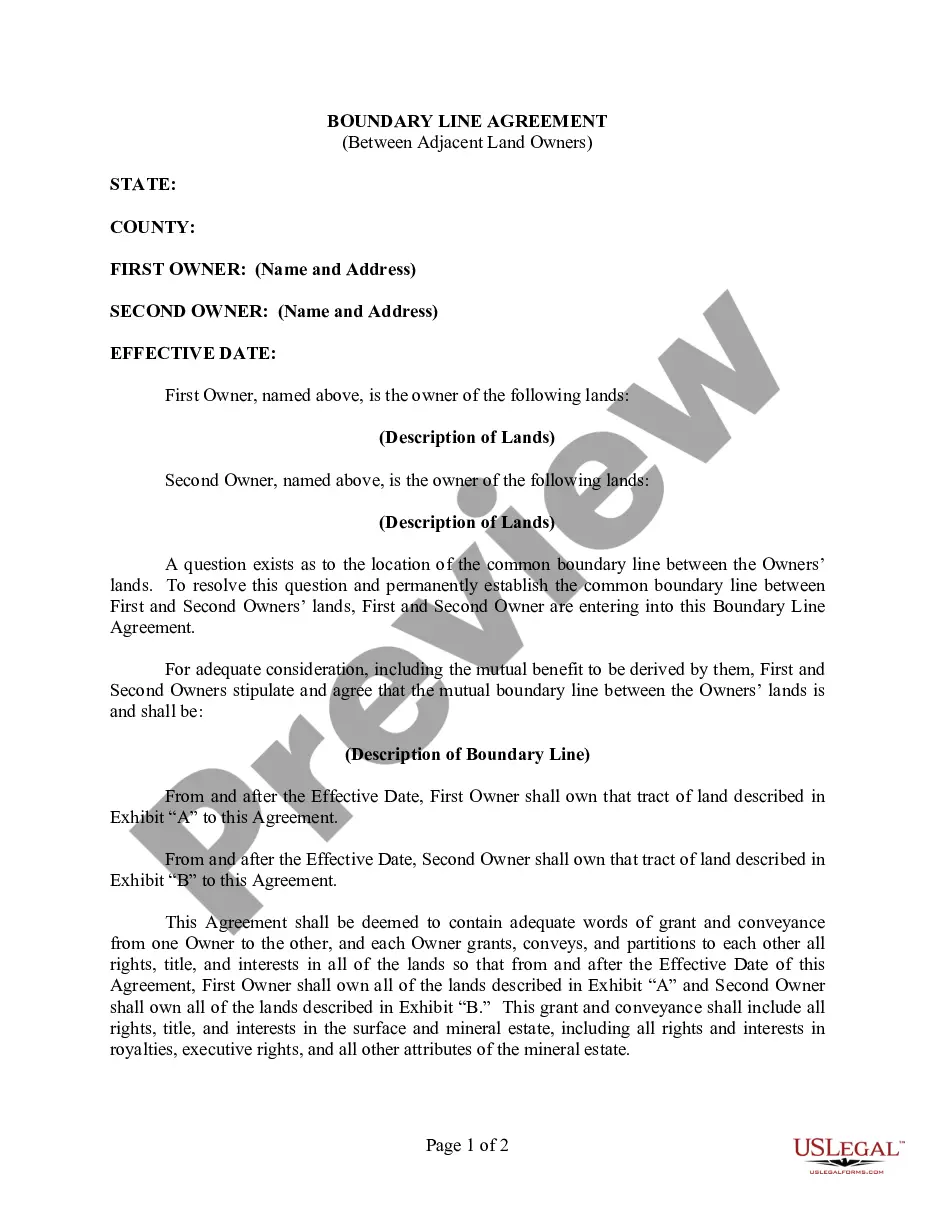
Description



Get your form ready online
Our built-in tools help you complete, sign, share, and store your documents in one place.
Make edits, fill in missing information, and update formatting in US Legal Forms—just like you would in MS Word.
Download a copy, print it, send it by email, or mail it via USPS—whatever works best for your next step.
Sign and collect signatures with our SignNow integration. Send to multiple recipients, set reminders, and more. Go Premium to unlock E-Sign.
If this form requires notarization, complete it online through a secure video call—no need to meet a notary in person or wait for an appointment.
We protect your documents and personal data by following strict security and privacy standards.

Make edits, fill in missing information, and update formatting in US Legal Forms—just like you would in MS Word.

Download a copy, print it, send it by email, or mail it via USPS—whatever works best for your next step.

Sign and collect signatures with our SignNow integration. Send to multiple recipients, set reminders, and more. Go Premium to unlock E-Sign.

If this form requires notarization, complete it online through a secure video call—no need to meet a notary in person or wait for an appointment.

We protect your documents and personal data by following strict security and privacy standards.
Looking for another form?










Form popularity
FAQ
India has a land boundary of about 15,200 km and the total length of the coast line of the mainland including Andaman and Nicobar and Lakshadweep is 7,516.6 km.
Cyril John Radcliffe, 1st Viscount Radcliffe, GBE, PC, FBA (30 March 1899 – 1 April 1977) was a British lawyer and Law Lord best known for his role in the Partition of India. He served as the first chancellor of the University of Warwick from its foundation in 1965 to 1977.
On 17 August 1947 the boundaries were published, two days after Pakistan and India had declared their independence. Radcliffe divided the subcontinent into three parts: India, West Pakistan, and East Pakistan. Thus, the culturally close areas of Punjab and Bengal were also split.
Answer: In the middle of the nineteenth century British historians divided the history of India into three periods: “Hindu”, “Muslim” and “British”. This division ignored the rich diversity of the subcontinent and other significant developments in the economy, society and culture.
On 17 August 1947 the boundaries were published, two days after Pakistan and India had declared their independence. Radcliffe divided the subcontinent into three parts: India, West Pakistan, and East Pakistan. Thus, the culturally close areas of Punjab and Bengal were also split.
Seventy-five years ago, Sir Cyril Radcliffe, a British lawyer, was commissioned to draw the borders that would divide British-ruled India into two new, independent nations: Hindu-majority India and mainly Muslim Pakistan.
Answer: India shares borders with nine nations; two are sea borders, and the other seven are land borders. Answer: Afghanistan, desh, Bhutan, China, Maldives, Myanmar, Nepal, Pakistan, and Sri Lanka are India's neighbours.
Mountbatten soon became convinced that the differences between the Muslim League and the Congress Party were irreconcilable in the near term, that speed was of the essence because of the real risks of mutiny among Indian troops or the outbreak of civil war, and that a partition was the only expedient option for ...
Boundaries of India: The neighbouring countries of India are Afghanistan, desh, Bhutan, China, Maldives, Myanmar, Nepal, Pakistan, and Sri Lanka. India is located latitudinally in the Northern Hemisphere and longitudinally in the Eastern Hemisphere.
Land borders of India Land Border CountryDisputeLength (Km) and (mi) desh N 4,096 kilometres (2,545 mi) Bhutan N 578 kilometres (359 mi) China Y 3,488 kilometres (2,167 mi) Myanmar N 1,643 kilometres (1,021 mi)3 more rows