Property Lines For My House In Georgia
Description


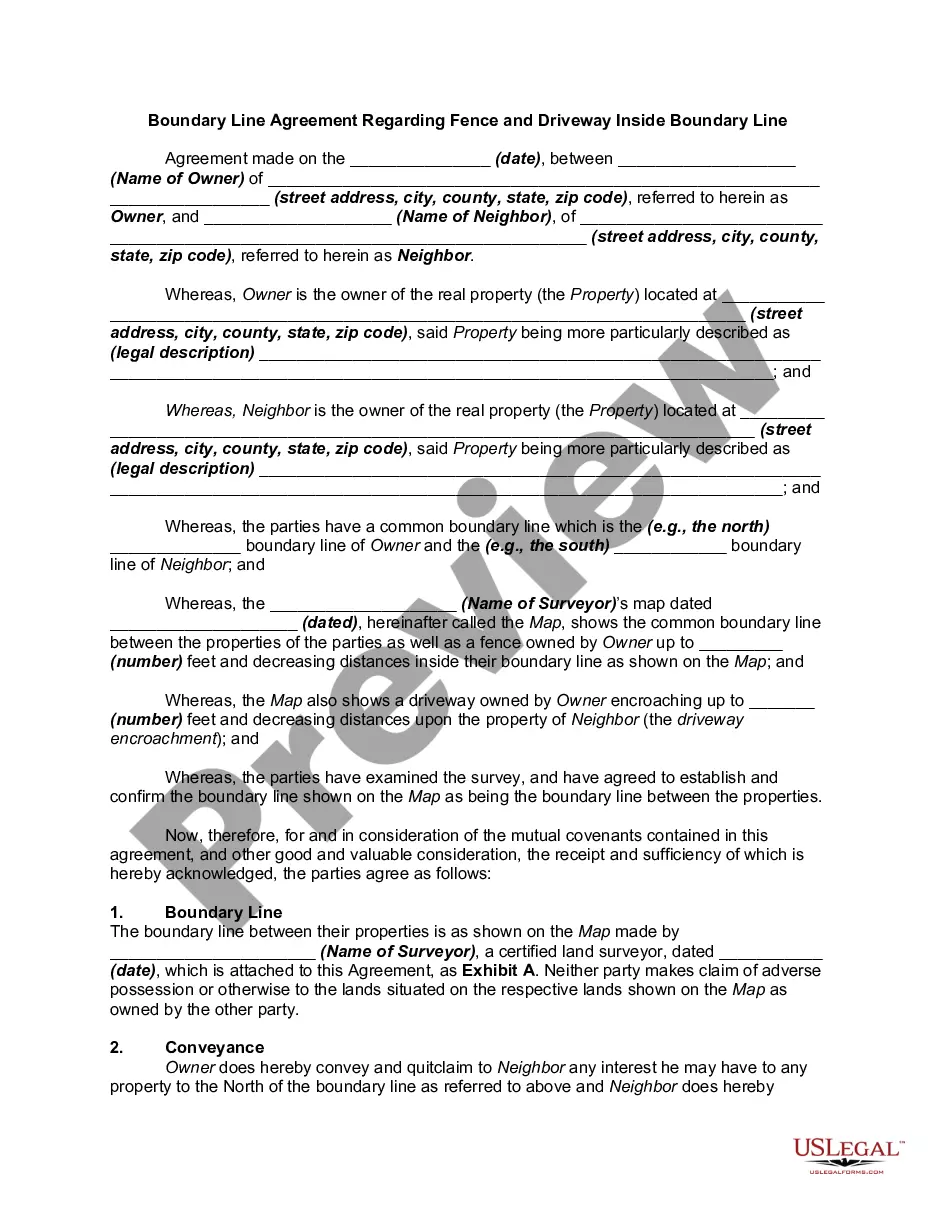
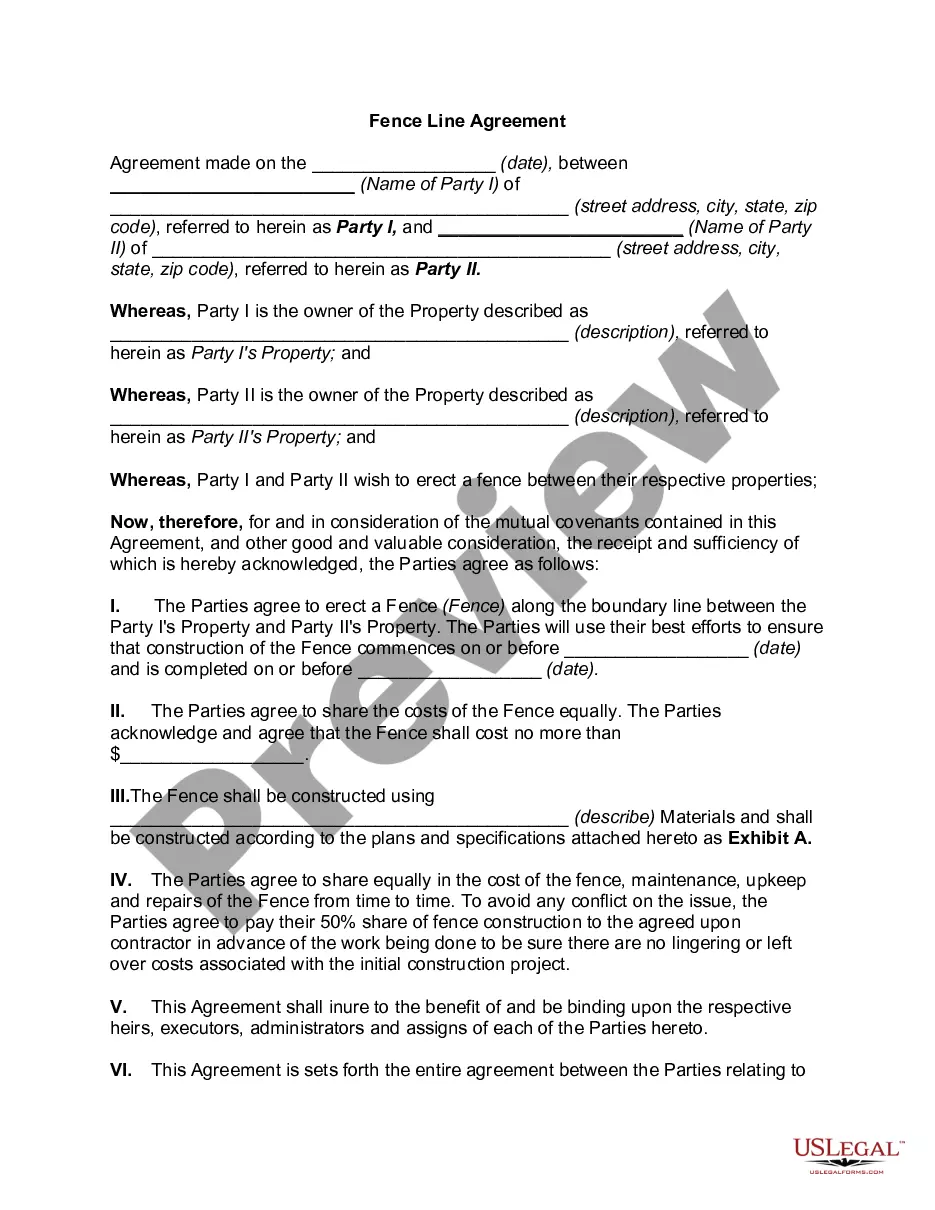
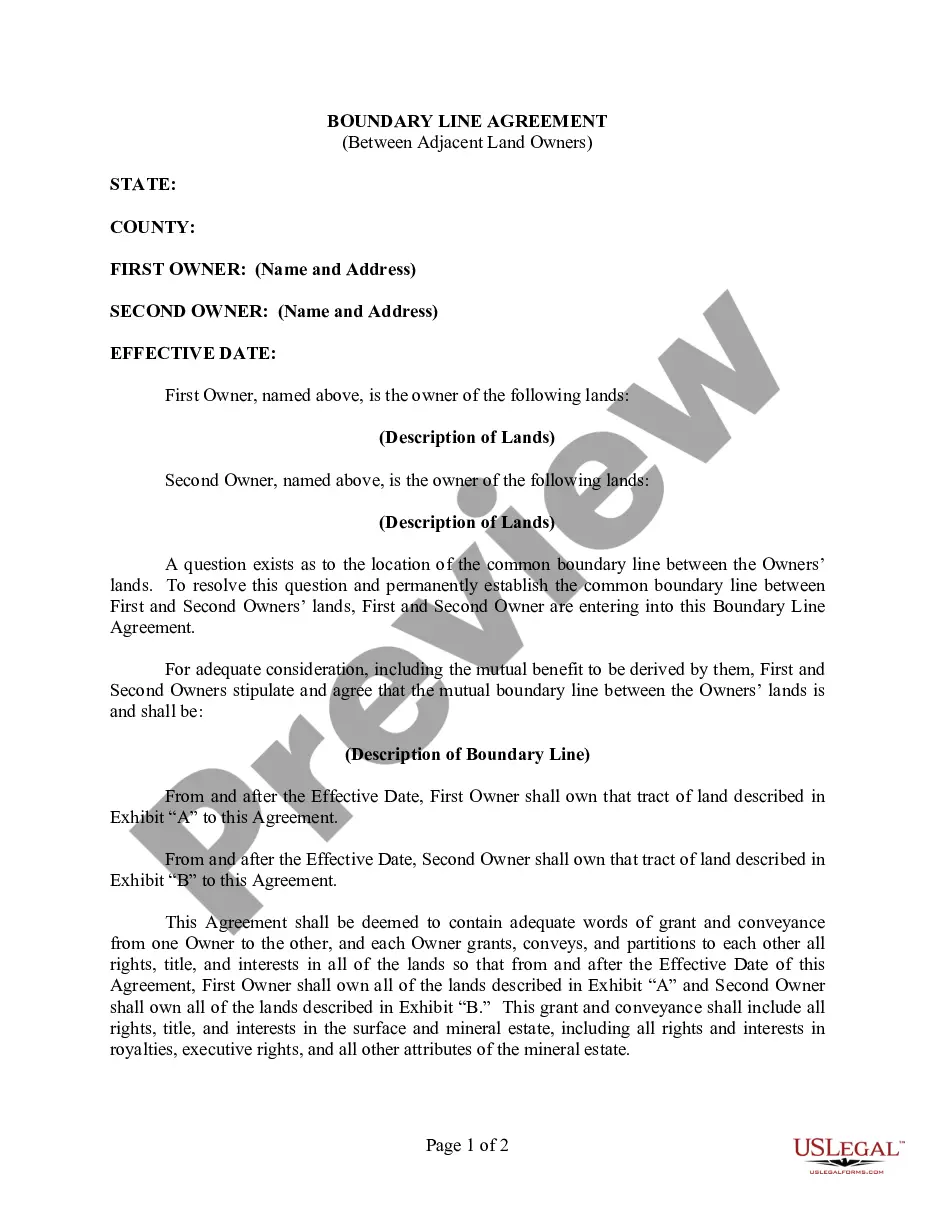
Get your form ready online
Our built-in tools help you complete, sign, share, and store your documents in one place.
Make edits, fill in missing information, and update formatting in US Legal Forms—just like you would in MS Word.
Download a copy, print it, send it by email, or mail it via USPS—whatever works best for your next step.
Sign and collect signatures with our SignNow integration. Send to multiple recipients, set reminders, and more. Go Premium to unlock E-Sign.
If this form requires notarization, complete it online through a secure video call—no need to meet a notary in person or wait for an appointment.
We protect your documents and personal data by following strict security and privacy standards.

Make edits, fill in missing information, and update formatting in US Legal Forms—just like you would in MS Word.

Download a copy, print it, send it by email, or mail it via USPS—whatever works best for your next step.

Sign and collect signatures with our SignNow integration. Send to multiple recipients, set reminders, and more. Go Premium to unlock E-Sign.

If this form requires notarization, complete it online through a secure video call—no need to meet a notary in person or wait for an appointment.

We protect your documents and personal data by following strict security and privacy standards.
Looking for another form?
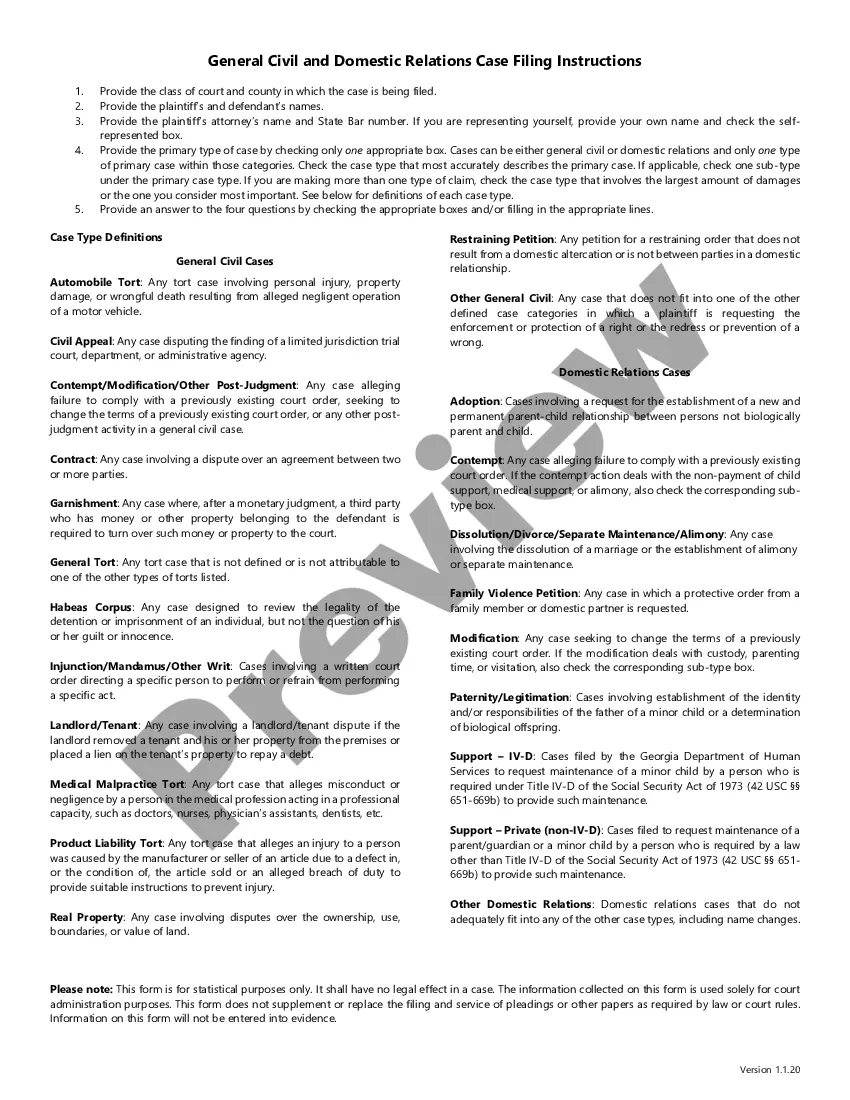




Form popularity
FAQ
You can build your extension up to 50mm from your neighbours' boundary as long as you have either Permitted Development Rights or have Planning Permission. This could be a suitable option if you aren't able to secure a Party Wall Agreement.
The front setback is commonly 10 feet, the sides four feet, and the back setback is 10 feet. The distance may also differ ing to the building type. It is imperative to determine the property line of your property before you put up any structures on it.
Buildings should be set back from the line of property. In light of the fact that setbacks are determined by state and county, there is not a single standard for them. The front setback is commonly 10 feet, the sides four feet, and the back setback is 10 feet.
There should be a gap of up to two feet between the property line and the fence. This leaves ample room for fence maintenance and repairs. Keeping the fence within your boundaries also ensures you have sole ownership. You'll have the freedom to choose the fence style and size without consulting your neighbor.
STATE ENVIRONMENTAL PLANNING POLICY (EXEMPT AND COMPLYING DEVELOPMENT CODES) 2008 - REG 3.10 Lot areaBuilding heightMinimum setback from rear boundary >300m 2 -900m 2 0m-4.5m 3m >300m 2 -900m 2 >4.5m-8.5m 8m >900m 2 -1,500m 2 0m-4.5m 5m >900m 2 -1,500m 2 >4.5m-8.5m 12m4 more rows
This means that, so long as your ADU complies with those size requirements and relevant height limits, you can build at just 4' from the side and property line.
If the person using or caring for the land has been there for so long or done so much work that forcing that person to leave would be unjust, adverse possession allows that person to claim the land legally. In the state of Georgia, adverse possession is regulated by statute and by the state courts.
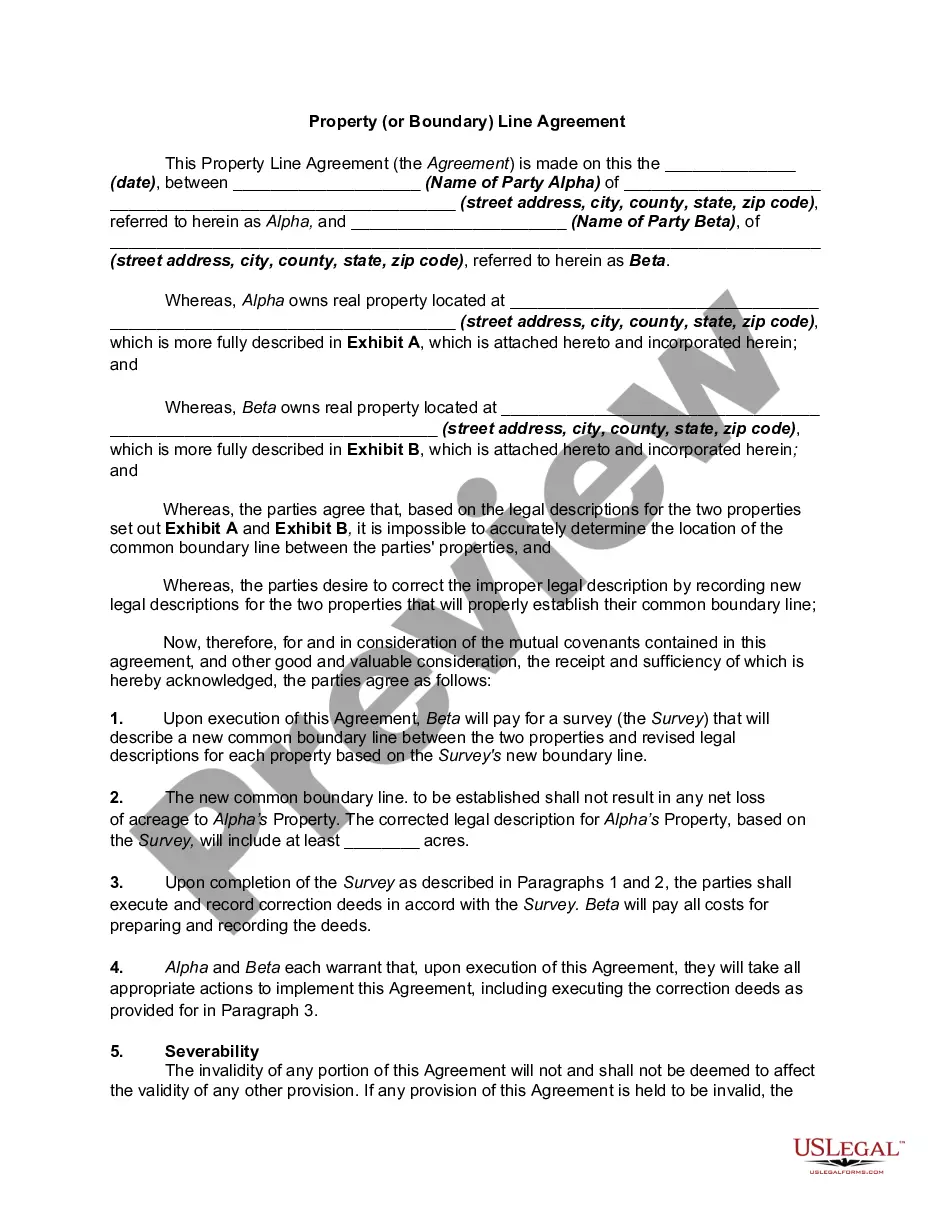
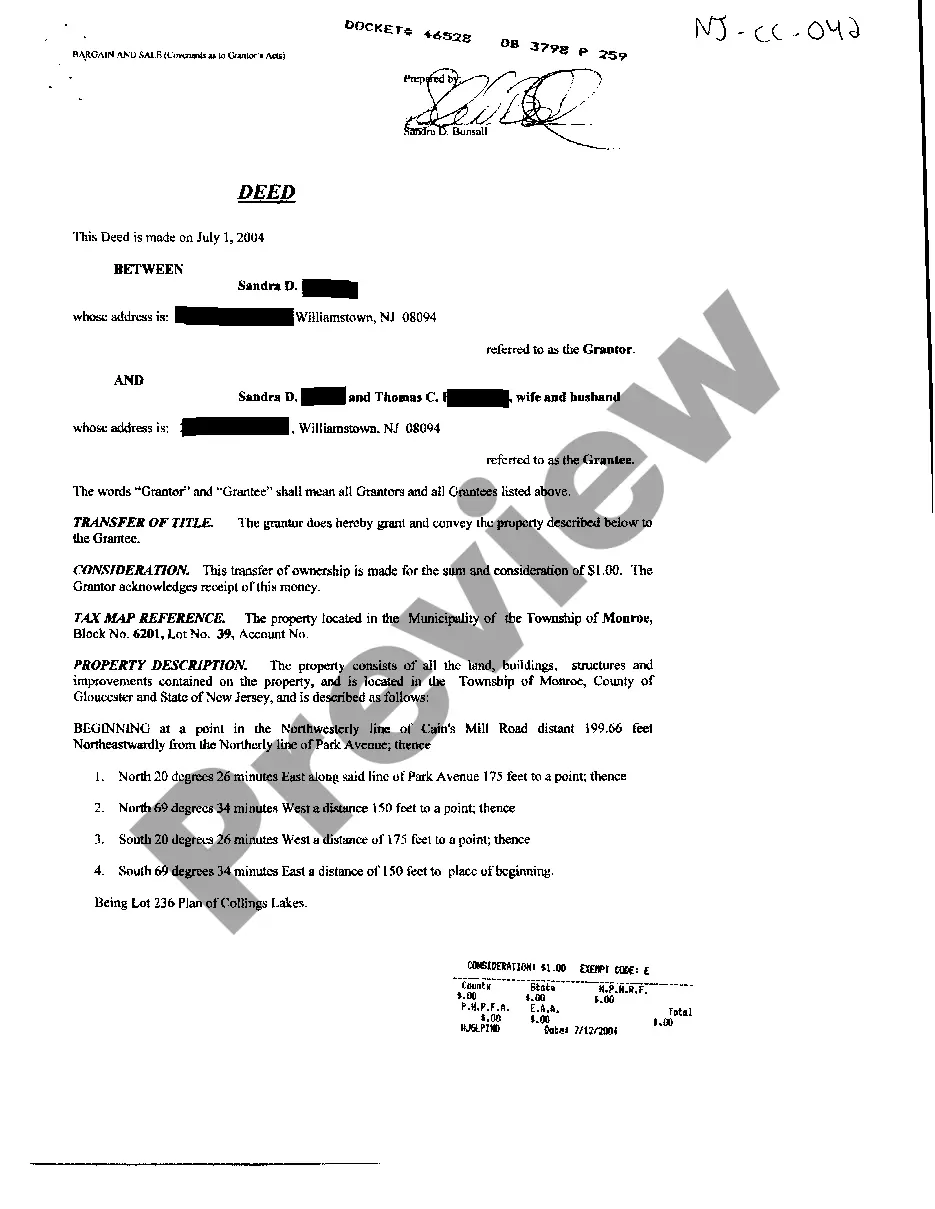
How can I determine my property line? Your deed will have a legal description of the boundary of your property, but you need a surveyor to use this information to locate the property lines and place markers on the land.
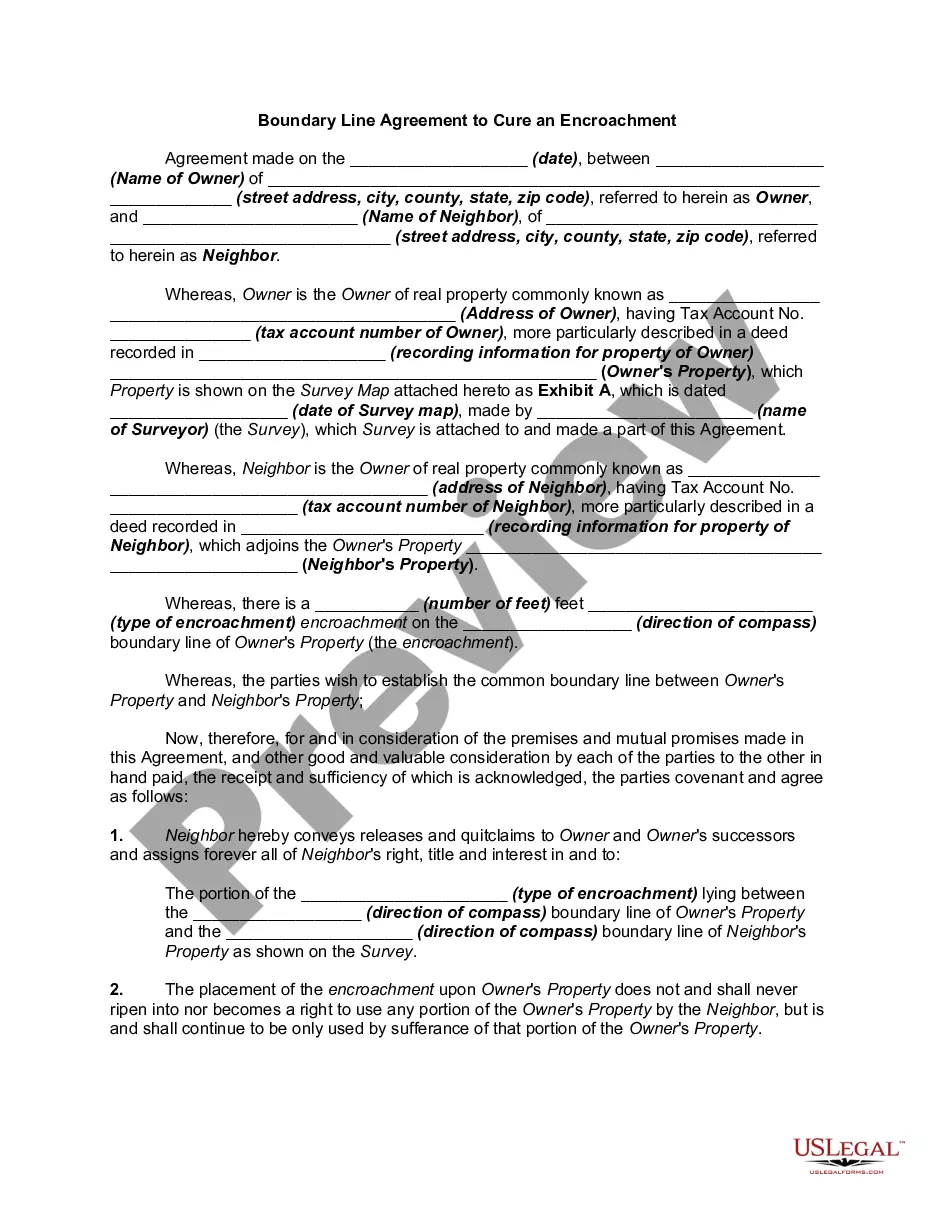
How Do I Find My Property Line? Review Your Property Deed. Review Your Property's Survey Plan. Search for Boundary Markers. Hire a Professional Surveyor. Talk to Your Neighbours. Prioritize Open and Respectful Communication. Consider a Boundary Line Agreement. Confirm Your Legal Obligations and Property Line.
Here are the most common ways to find them: Check Google Maps. This one is the quickest and easiest way to establish where your property lines are. Hire a surveyor. Check online property records. Look for physical markers on your property. Check your property deed. Check a plat map. Review your property survey.
