Boundary Line Agreement Sample For Unmarried Couples In Georgia
Description

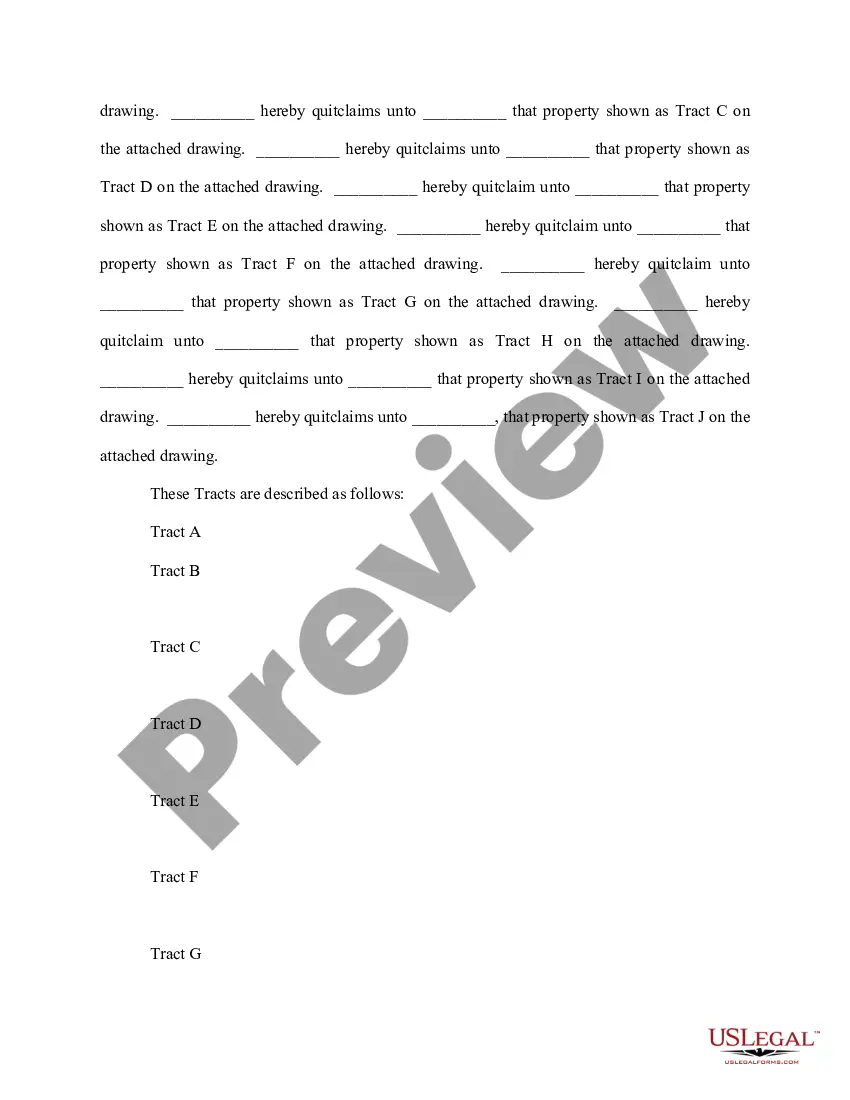

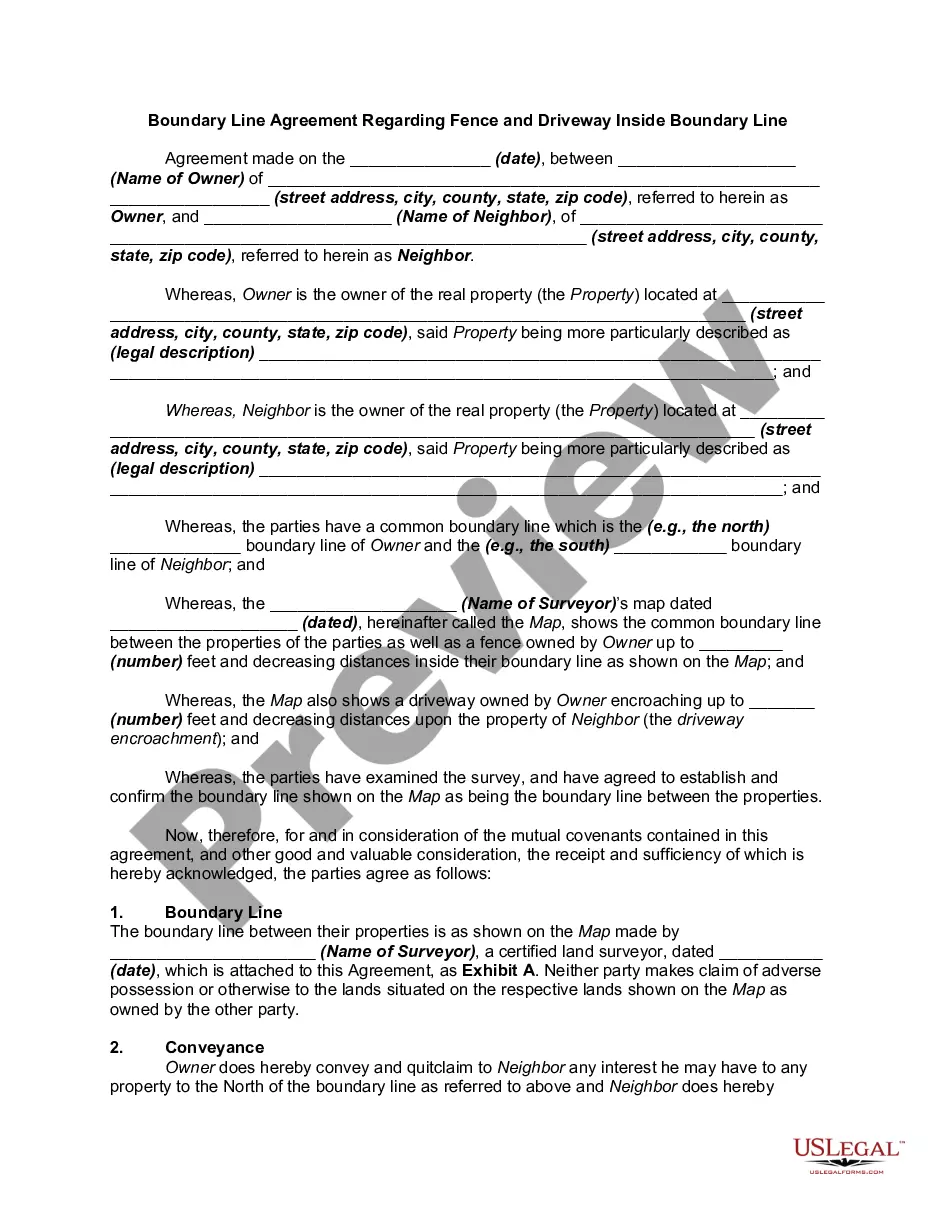
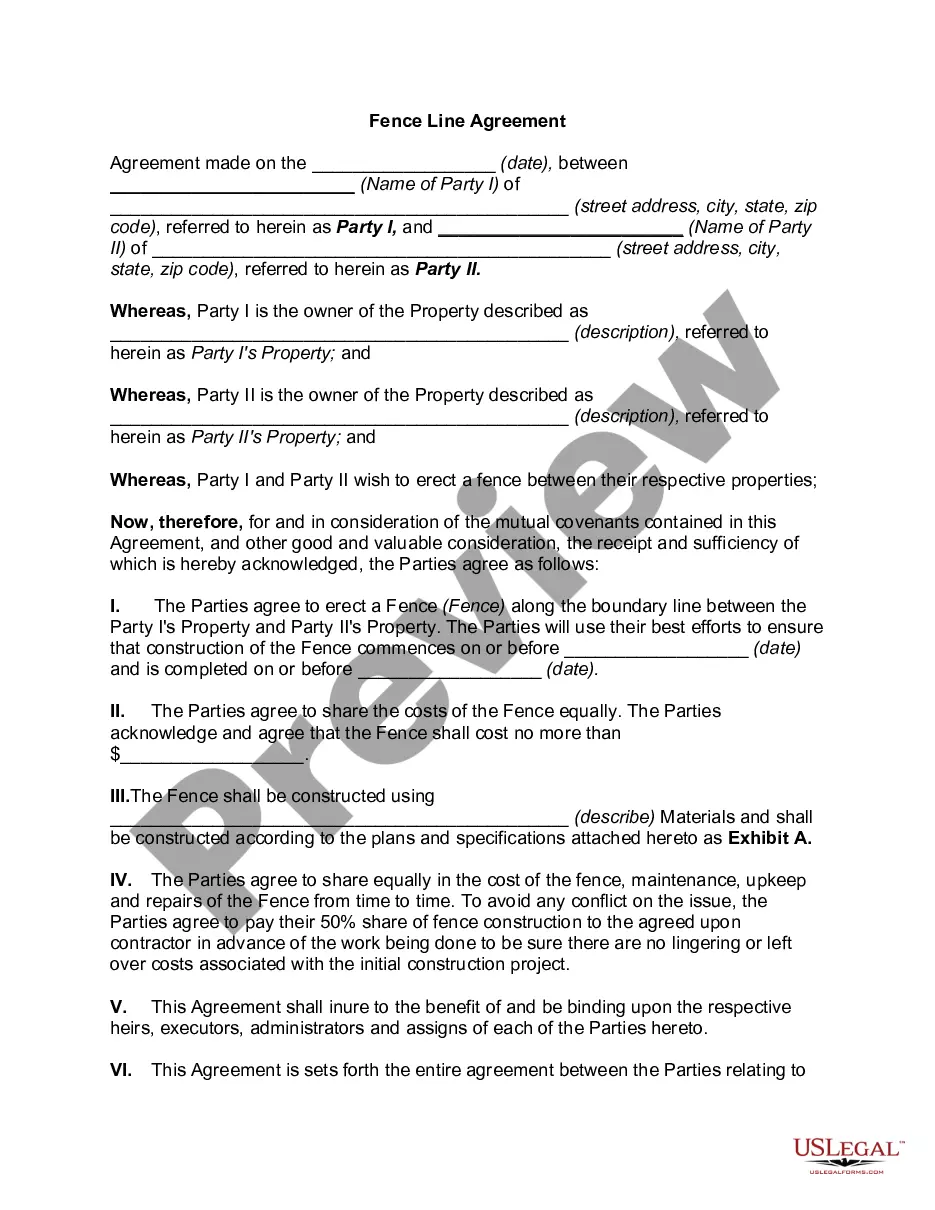
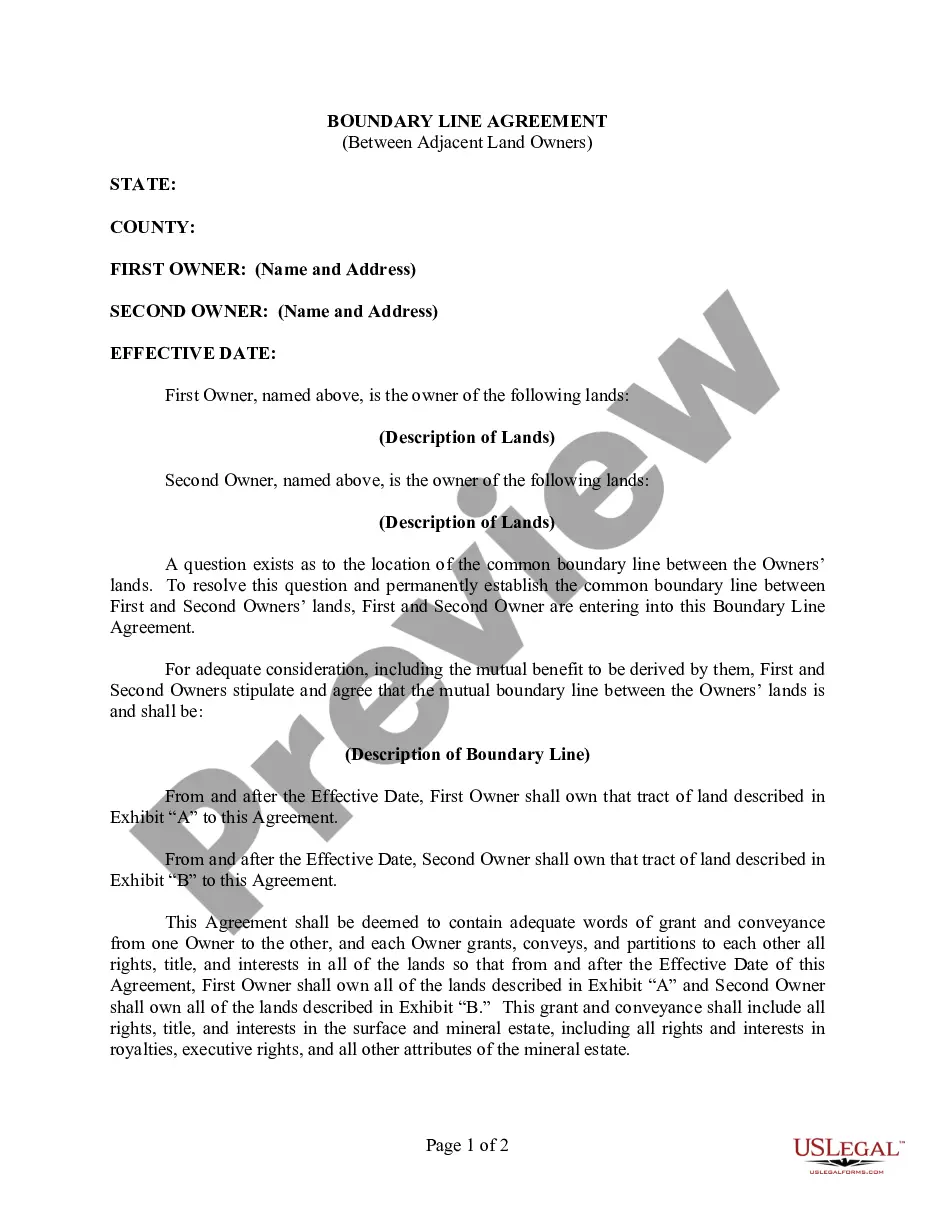
Get your form ready online
Our built-in tools help you complete, sign, share, and store your documents in one place.
Make edits, fill in missing information, and update formatting in US Legal Forms—just like you would in MS Word.
Download a copy, print it, send it by email, or mail it via USPS—whatever works best for your next step.
Sign and collect signatures with our SignNow integration. Send to multiple recipients, set reminders, and more. Go Premium to unlock E-Sign.
If this form requires notarization, complete it online through a secure video call—no need to meet a notary in person or wait for an appointment.
We protect your documents and personal data by following strict security and privacy standards.

Make edits, fill in missing information, and update formatting in US Legal Forms—just like you would in MS Word.

Download a copy, print it, send it by email, or mail it via USPS—whatever works best for your next step.

Sign and collect signatures with our SignNow integration. Send to multiple recipients, set reminders, and more. Go Premium to unlock E-Sign.

If this form requires notarization, complete it online through a secure video call—no need to meet a notary in person or wait for an appointment.

We protect your documents and personal data by following strict security and privacy standards.
Looking for another form?









Form popularity
FAQ
An example of cohabitation is where two people in a relationship decide to move in together, so that they are then living together. That might involve one of them moving into a property already owned or rented by the other or the couple purchasing or renting a property together.
A cohabitation agreement is a legal document between unmarried couples who are living together. It sets out arrangements for finances, property and children while you're living together and if you split up, become ill or die. You can make an agreement at any time. It's good to do it before you move in together.
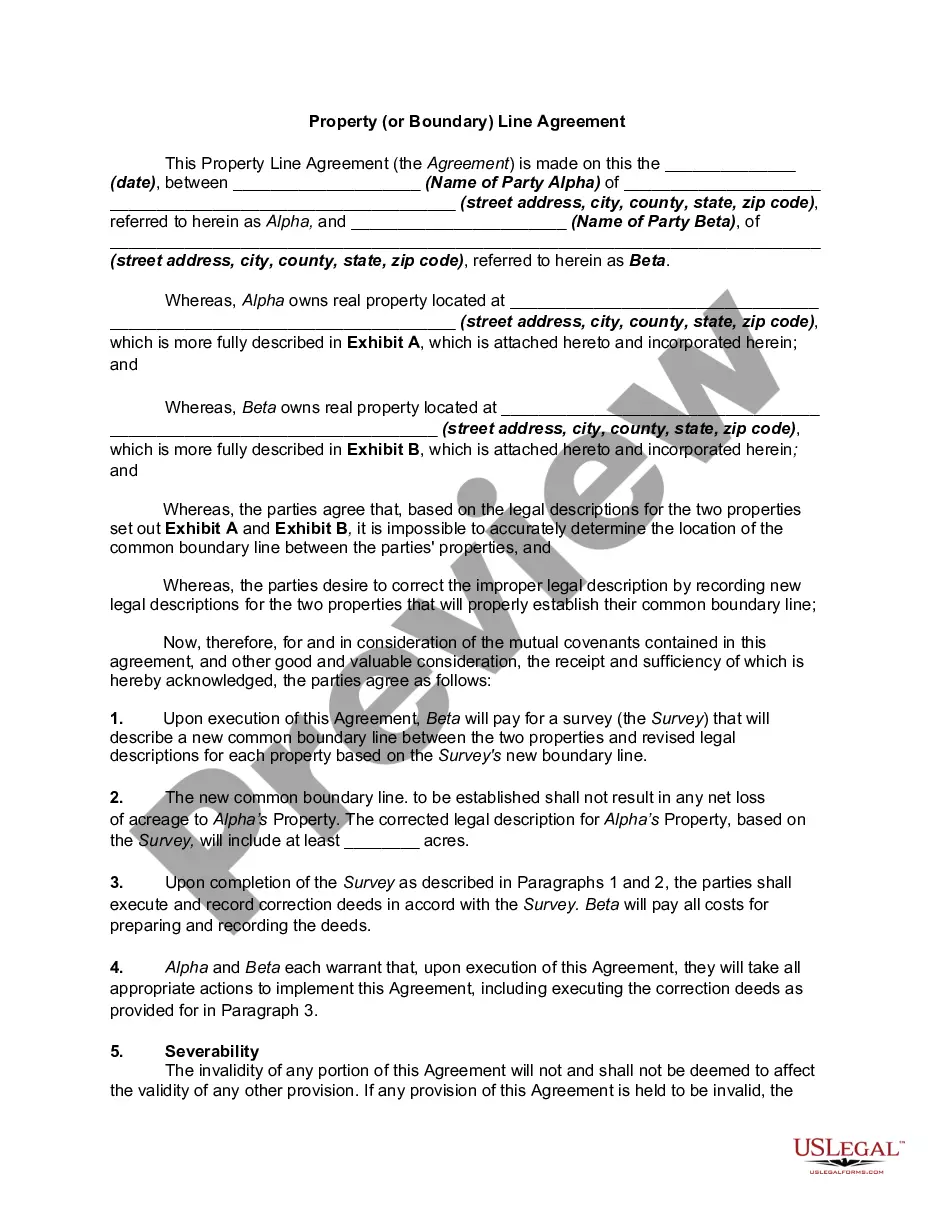
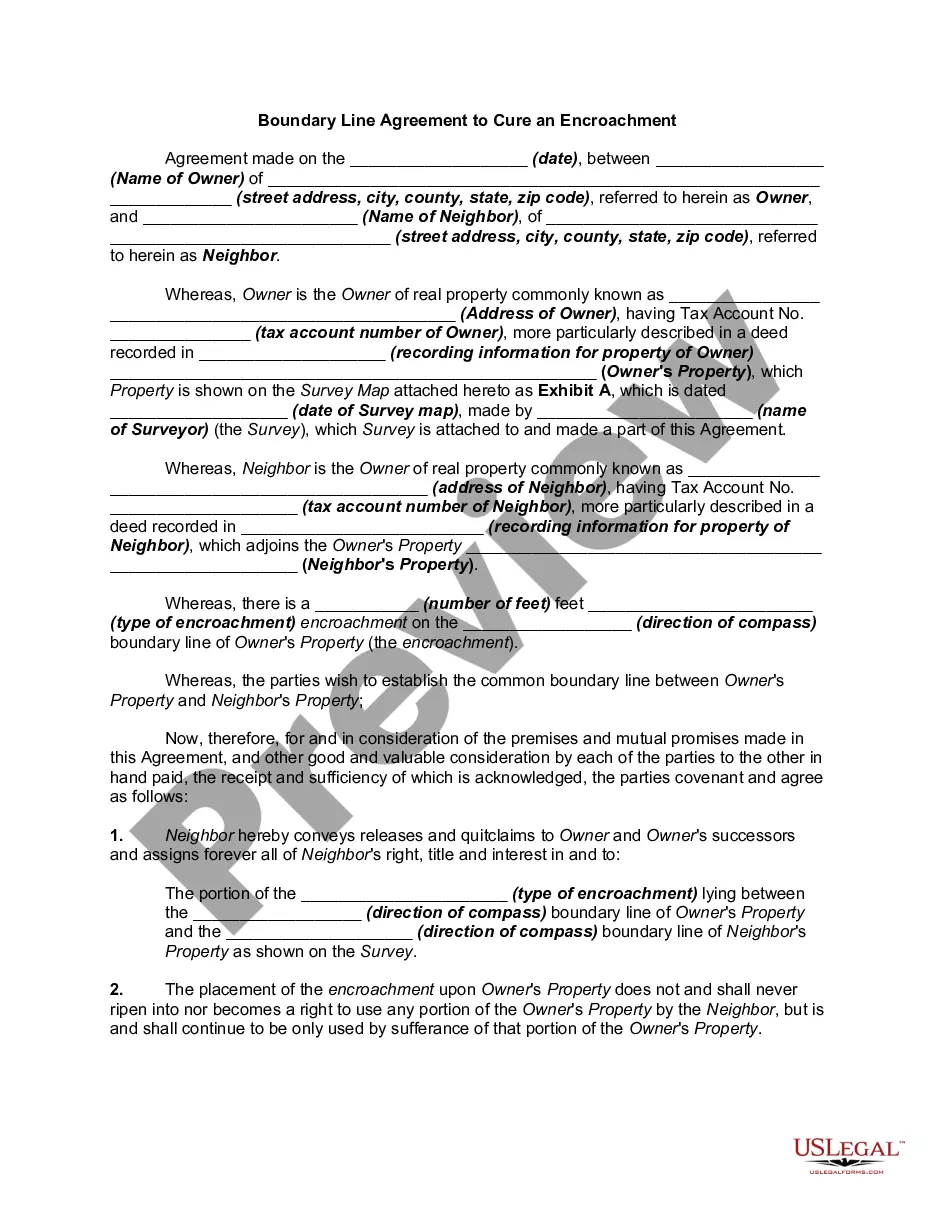
A boundary line agreement is a legally binding document that sets clear boundaries between neighboring properties, providing certainty and preventing conflicts.
How do I write a Cohabitation Agreement? General details. You'll need to provide some basic information, such as. Expenses. If you'd like, you can specify how you'll divide household expenses. Assets. You can list the assets that each party owns and keeps separate. Debt. Children. Final details.
You declare the legal cohabitation together with your partner or cohabitant before the registrar of births, deaths, and marriages. The declaration contains the following information: date of the declaration. surname, first names, place and date of birth, signature of both parties.
Evidences to Prove Cohabitation Photographs. Financial records. Witnesses. Lease or rental agreements. Communication logs. Professional expertise. Discreetness. Objectivity.
This assumes that partners have similar legal rights to married couples after a certain period of living together. This does not exist in Georgia—you are either legally married or unmarried. Unmarried couples do not obtain the same or similar rights as legally married couples, regardless of their time together.
Thus, it is crucial for cohabiting couples in Georgia to understand their legal situation and take proactive steps to protect their interests. Unlike many states, Georgia doesn't legally recognize cohabitation in the same way as marriage—or, really, in any way.
If you aren't married, you won't need a legal separation or divorce to formalise your separation. Those are only possible for married couples or civil partners. However, you may benefit from having a separation agreement drawn up to outline your financial split.