Indian Boundary Line With Other Countries In Fairfax
Description


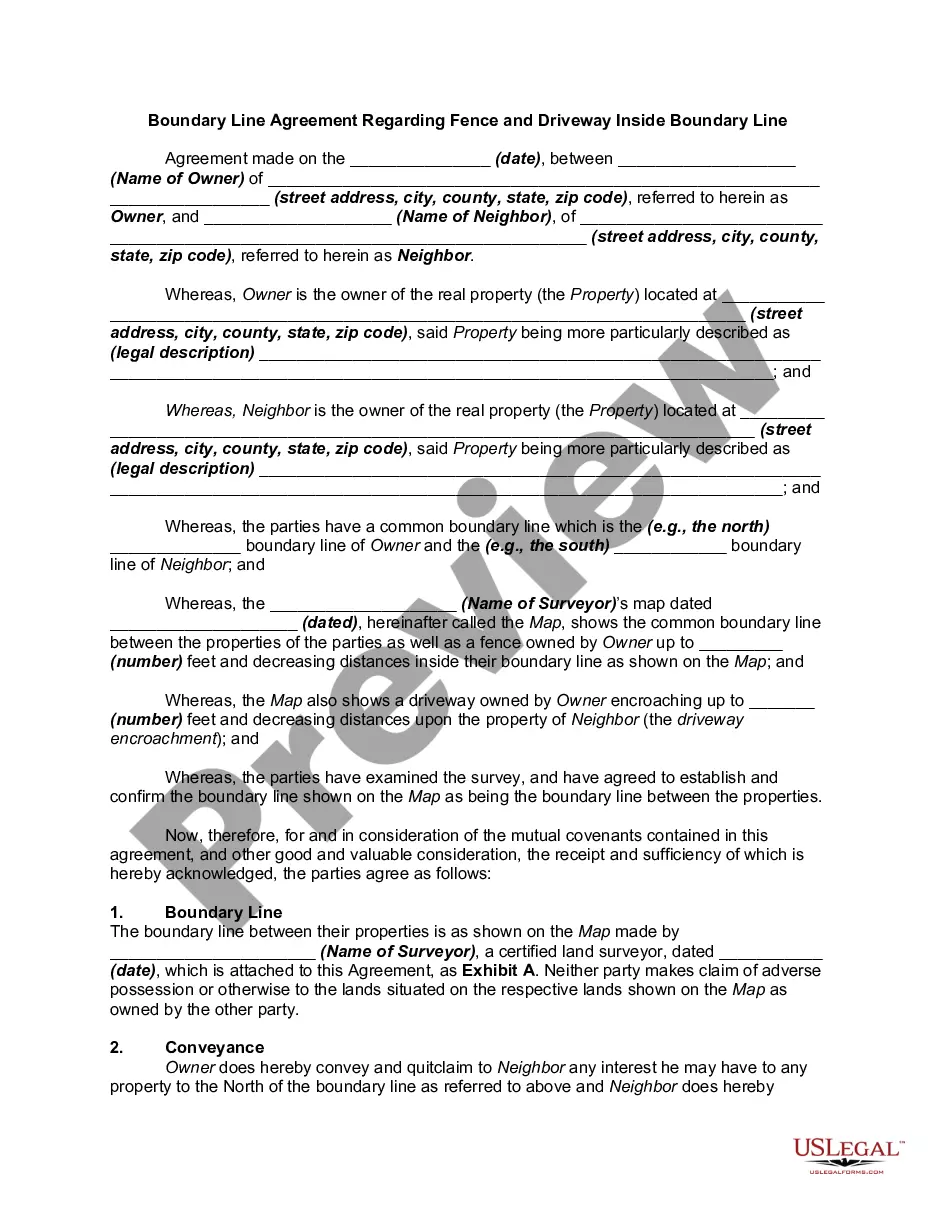
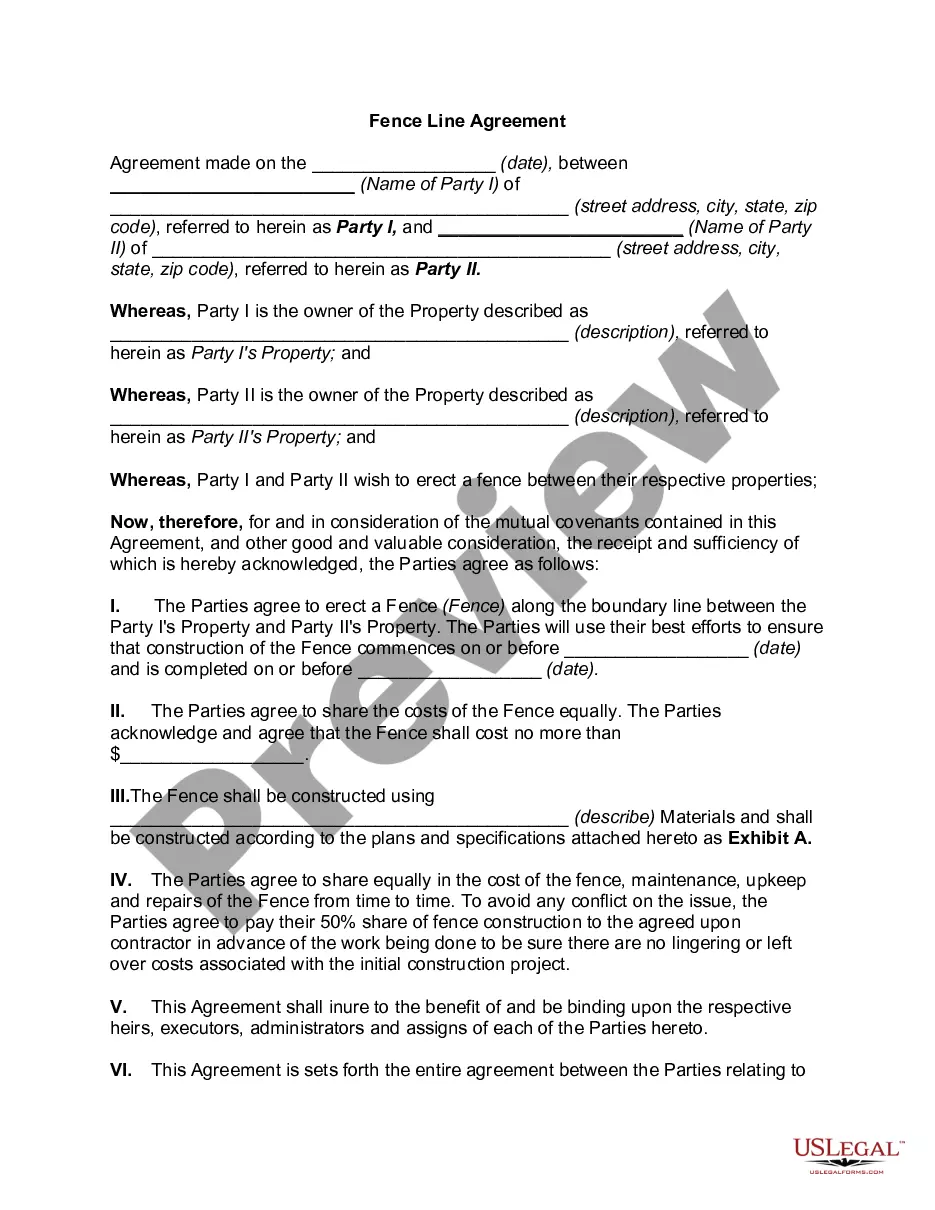
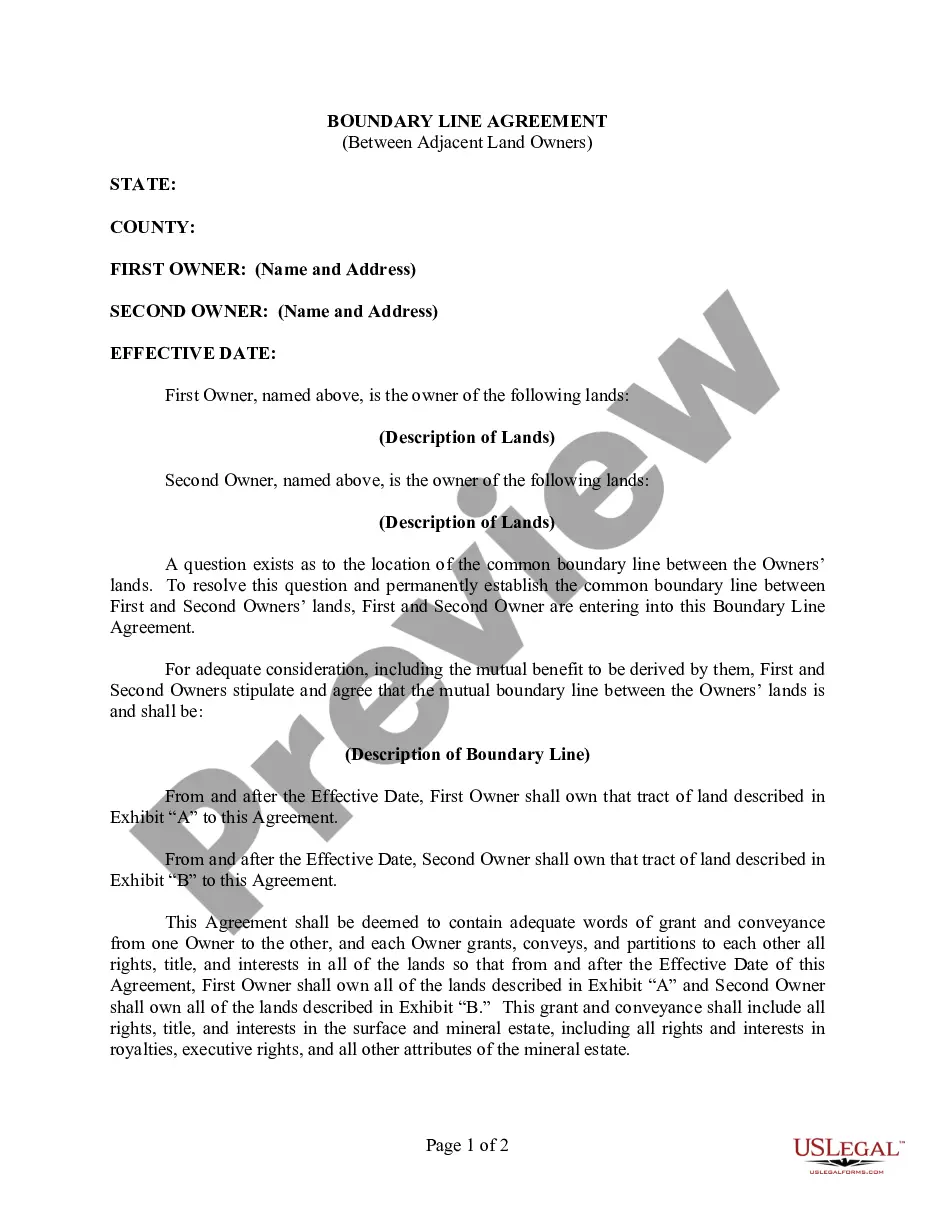
Get your form ready online
Our built-in tools help you complete, sign, share, and store your documents in one place.
Make edits, fill in missing information, and update formatting in US Legal Forms—just like you would in MS Word.
Download a copy, print it, send it by email, or mail it via USPS—whatever works best for your next step.
Sign and collect signatures with our SignNow integration. Send to multiple recipients, set reminders, and more. Go Premium to unlock E-Sign.
If this form requires notarization, complete it online through a secure video call—no need to meet a notary in person or wait for an appointment.
We protect your documents and personal data by following strict security and privacy standards.

Make edits, fill in missing information, and update formatting in US Legal Forms—just like you would in MS Word.

Download a copy, print it, send it by email, or mail it via USPS—whatever works best for your next step.

Sign and collect signatures with our SignNow integration. Send to multiple recipients, set reminders, and more. Go Premium to unlock E-Sign.

If this form requires notarization, complete it online through a secure video call—no need to meet a notary in person or wait for an appointment.

We protect your documents and personal data by following strict security and privacy standards.
Looking for another form?








Form popularity
FAQ
Fairfax was the owner of the Northern Neck Proprietary. The Northern Neck Proprietary had a total land area of 5 million acres of the Northern Virginia region. Approximately thirty farms were established upon Fairfax's land.
General Sir Thomas Fairfax was arguably the most important general of the British Civil Wars. As Commander-in-Chief of the New Model Army, he played a key role in defeating the Royalists. Yet, after the death of Oliver Cromwell, he was also instrumental in the Restoration of King Charles II.
Thomas Fairfax, 6th Lord Fairfax of Cameron (22 October 1693 – 9 December 1781) was a British planter. The only member of the British peerage to permanently reside in British America, Fairfax owned the Northern Neck Proprietary in the Colony of Virginia, where he spent the majority of his life.
While history touches just about every corner of Fairfax County, from George Washington's Mount Vernon in the east to Civil War battlefields in the west, the area is also a diverse and technologically innovative destination that boasts a vibrant arts and cultural scene with a sophisticated urban vibe.
The county is partially bounded on the north and east by Arlington County and the independent cities of Alexandria and Falls Church. It is bounded on the west by Loudoun County, and on the south by Prince William County.
It was incorporated as a city in 1961 by court order. Under Virginia law the city was separated from Fairfax County yet remains the county seat.
The Northern Neck Proprietary – also called the Northern Neck land grant, Fairfax Proprietary, or Fairfax Grant – was a land grant first contrived by the exiled English King Charles II in 1649 and encompassing all the lands bounded by the Potomac and Rappahannock Rivers in colonial Virginia.
The Republic of India shares borders with several sovereign countries; it shares land borders with China, Bhutan, Nepal, Pakistan, desh, and Myanmar. desh, Myanmar, and Pakistan share both land borders as well as maritime borders, while Sri Lanka shares only a maritime border through Ram Setu.
India shares land borders with Bhutan, desh, China, Afghanistan, Myanmar, Nepal, and Pakistan. India's international boundaries include the McMahon Line, Radcliffe Line, Durand Line, Line of Actual Control (LAC), and Line of Control (LOC).
The Durand Line was established in 1893 as the international border between the Emirate of Afghanistan and the British Indian Empire by Mortimer Durand, a British diplomat of the Indian Civil Service, and Abdur Rahman Khan, the Emir of Afghanistan, to fix the limit of their respective spheres of influence and improve ...