Boundary Line Agreement Sample For Unmarried Couples In Fairfax
Description


Get your form ready online
Our built-in tools help you complete, sign, share, and store your documents in one place.
Make edits, fill in missing information, and update formatting in US Legal Forms—just like you would in MS Word.
Download a copy, print it, send it by email, or mail it via USPS—whatever works best for your next step.
Sign and collect signatures with our SignNow integration. Send to multiple recipients, set reminders, and more. Go Premium to unlock E-Sign.
If this form requires notarization, complete it online through a secure video call—no need to meet a notary in person or wait for an appointment.
We protect your documents and personal data by following strict security and privacy standards.

Make edits, fill in missing information, and update formatting in US Legal Forms—just like you would in MS Word.

Download a copy, print it, send it by email, or mail it via USPS—whatever works best for your next step.

Sign and collect signatures with our SignNow integration. Send to multiple recipients, set reminders, and more. Go Premium to unlock E-Sign.

If this form requires notarization, complete it online through a secure video call—no need to meet a notary in person or wait for an appointment.

We protect your documents and personal data by following strict security and privacy standards.
Looking for another form?







Form popularity
FAQ
Common law couples are not legally required to split property acquired when they lived together. Furniture, household items and other property belong to the person who bought them. Common law couples do not have the right to split an increase in value of the property they brought with them to the relationship.
To draft a cohabitation agreement, outline key financial responsibilities, property ownership, and terms of separation. Both partners should disclose assets, debts, and expectations. It is highly recommended to consult a lawyer to ensure the agreement is legally binding and enforceable.
You can sponsor the person as your common-law partner (any gender) as long as you've been living or have lived with your partner for at least 12 consecutive months in a marriage-like relationship.
A couple is considered common law in Ontario if they've either lived together in a conjugal relationship for a minimum of three years or if they share a child, through birth or adoption, no matter the duration of their cohabitation.
Briefly, there's no difference for most situations - taxes, benefits, parenting, etc. - as long as you stay together and stay alive.
A cohabitation agreement states the obligations and rights of each domestic partner or common-law spouse as a result of their relationship. The primary objective of a cohabitation agreement in Ontario is to protect property rights and individual interests within the common law relationship.
An example of cohabitation is where two people in a relationship decide to move in together, so that they are then living together. That might involve one of them moving into a property already owned or rented by the other or the couple purchasing or renting a property together.
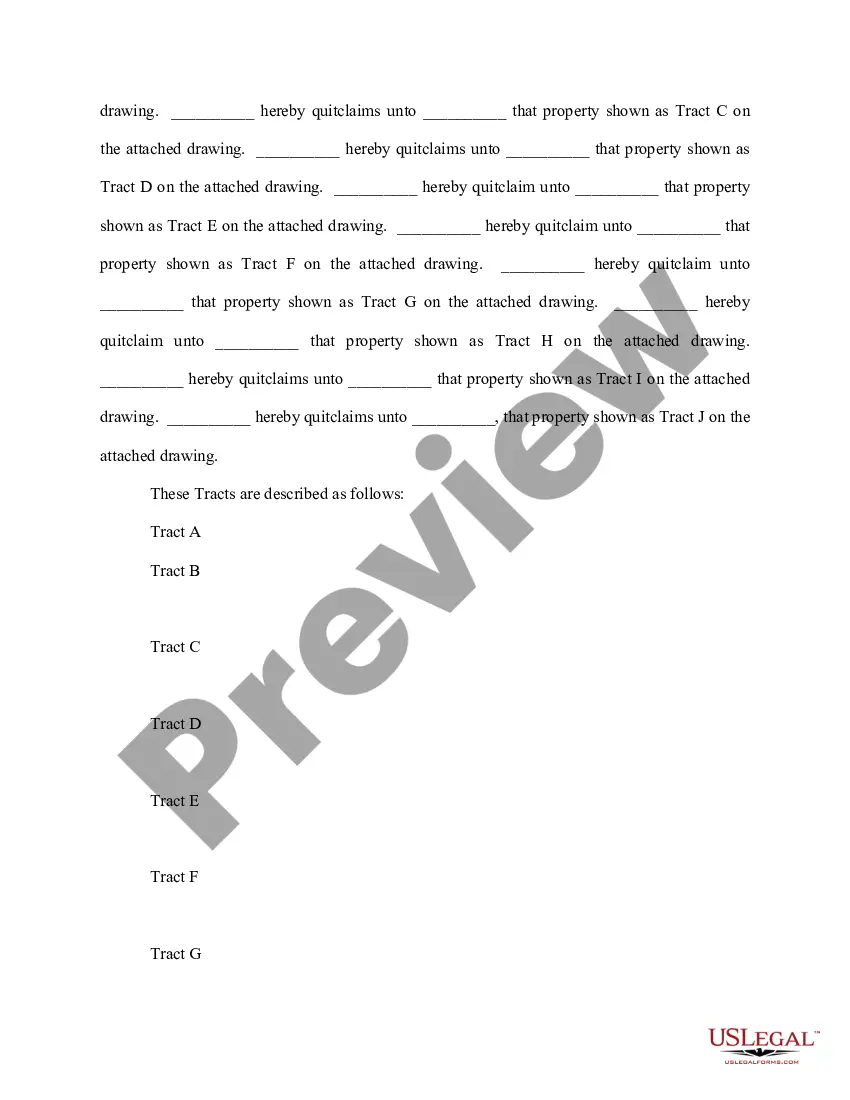
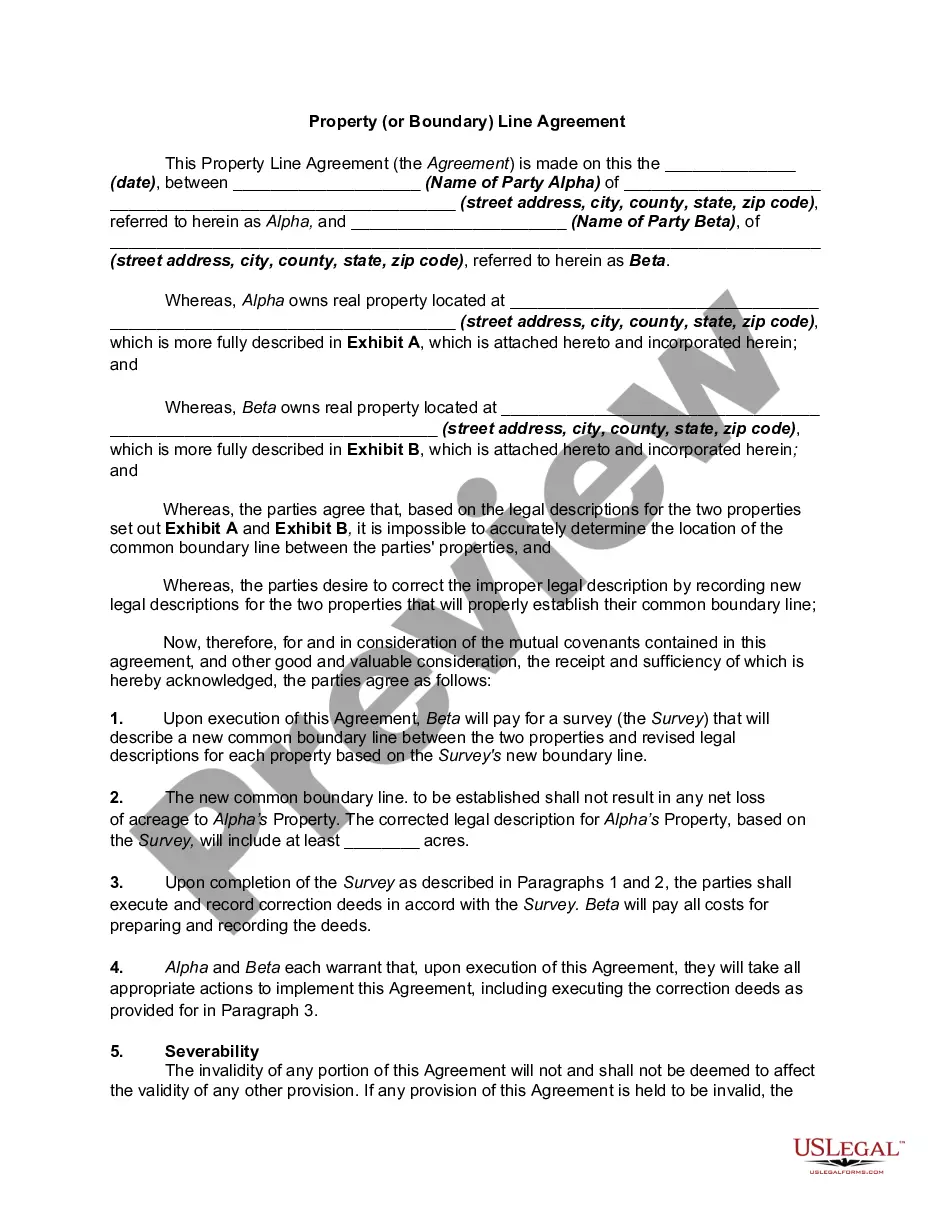
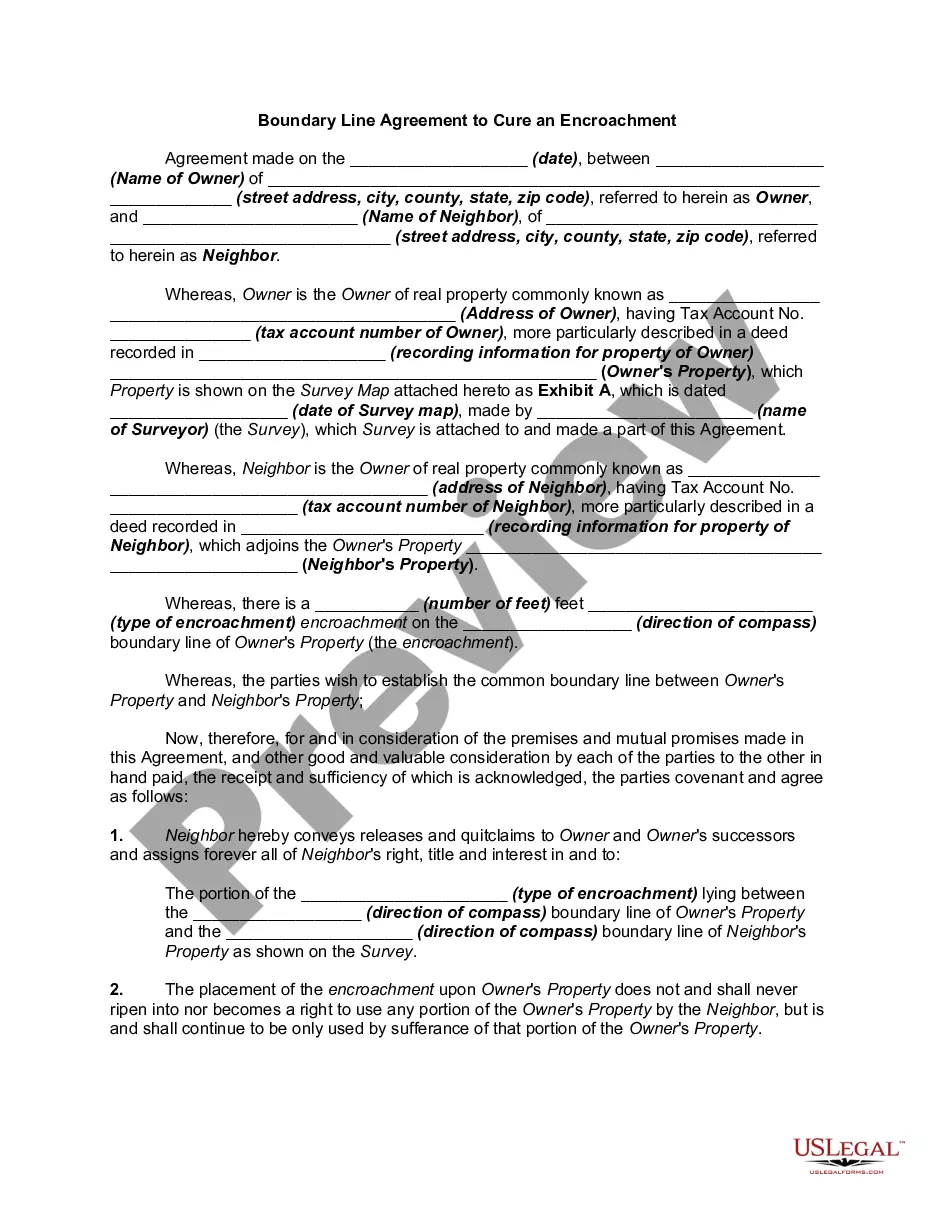
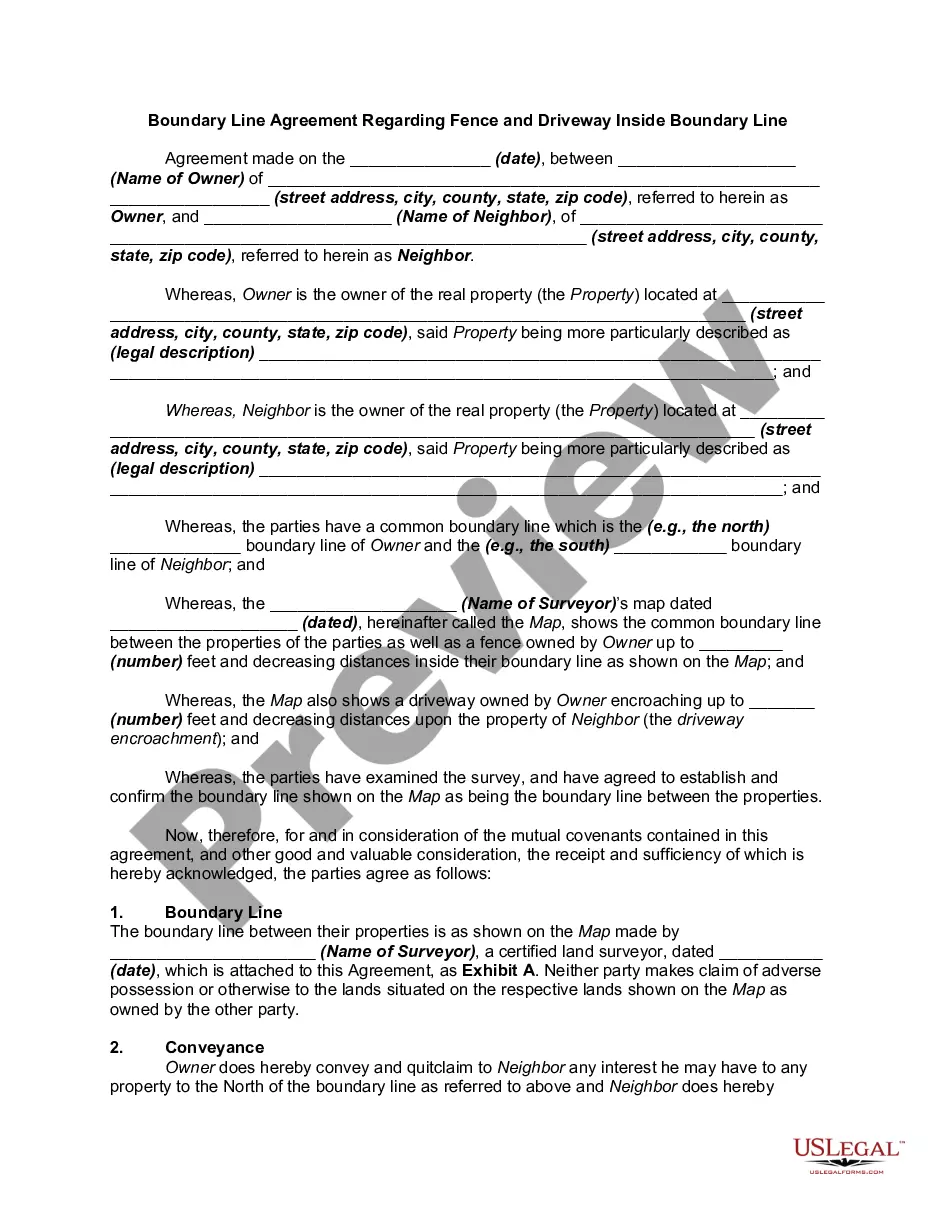
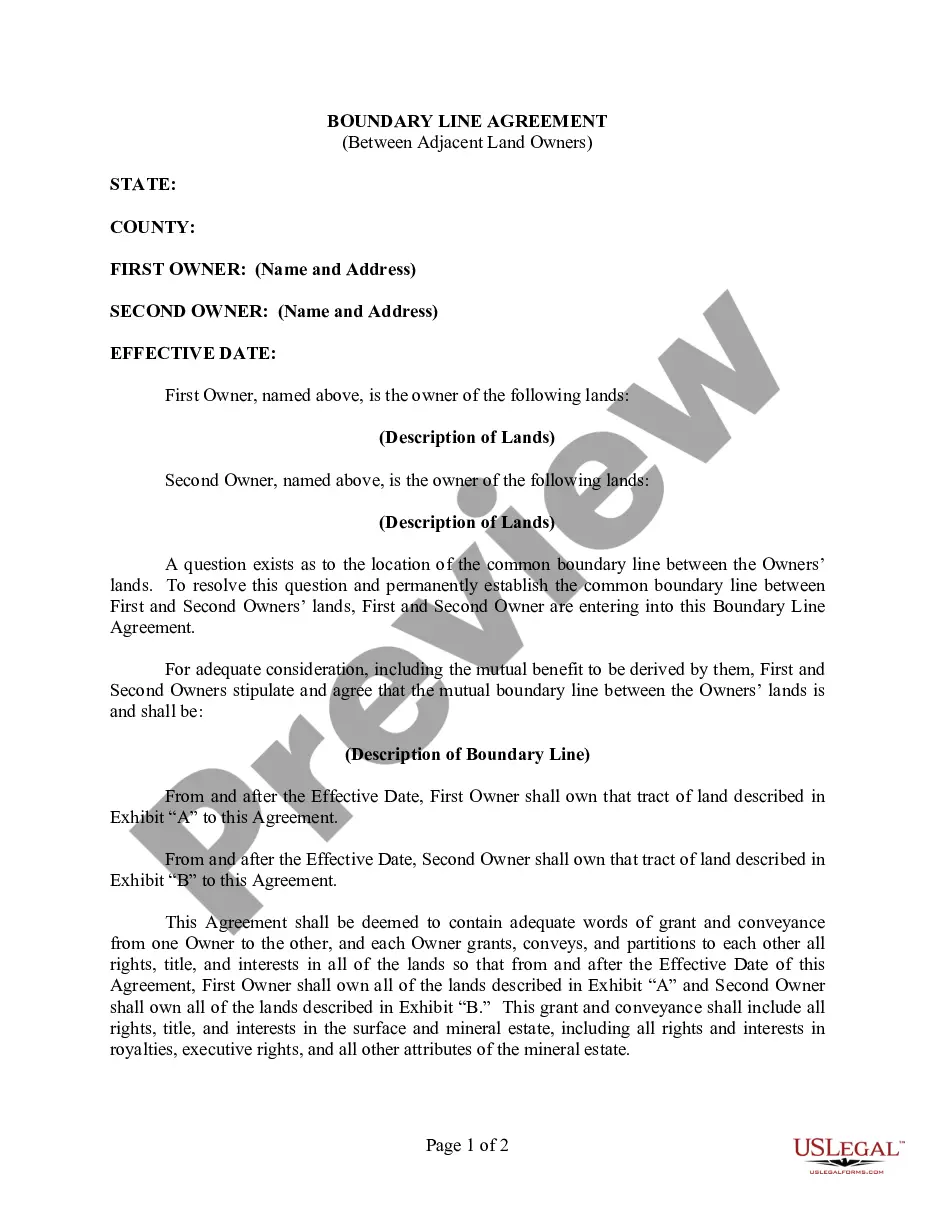
A boundary line agreement is a legally binding document that sets clear boundaries between neighboring properties, providing certainty and preventing conflicts.
Commonly, there are three types of cohabitation such as 'alternative to marriage', 'precursor to marriage' and 'alternative to being single'.
Cohabitation Agreements Generally It must address joint accounts, joint debts, joint property, and any financial support if the relationship ends (“palimony"). Like a prenuptial agreement, a cohabitation agreement establishes financial expectations and protects individual assets.
