Boundary Line For Cricket In Bronx
Description




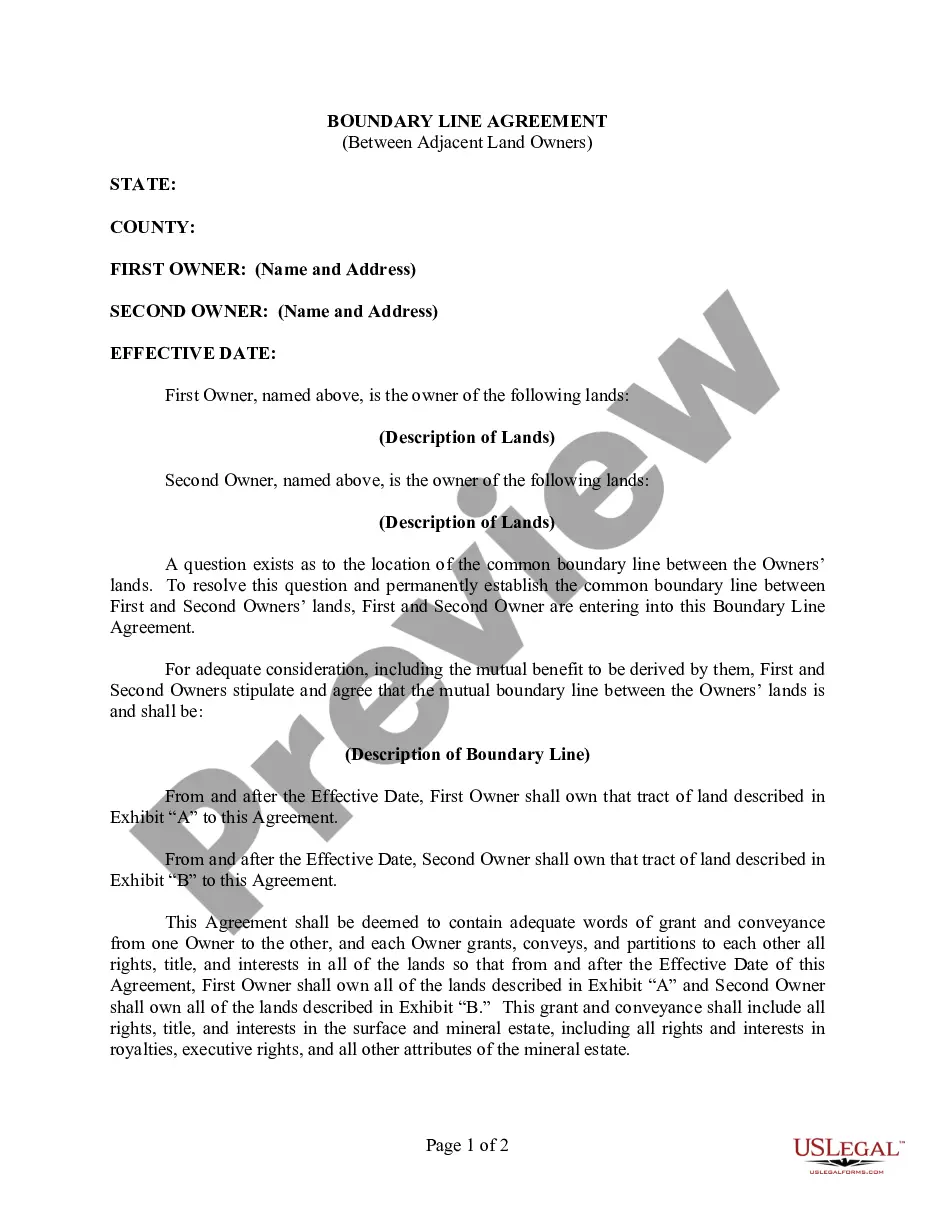
Get your form ready online
Our built-in tools help you complete, sign, share, and store your documents in one place.
Make edits, fill in missing information, and update formatting in US Legal Forms—just like you would in MS Word.
Download a copy, print it, send it by email, or mail it via USPS—whatever works best for your next step.
Sign and collect signatures with our SignNow integration. Send to multiple recipients, set reminders, and more. Go Premium to unlock E-Sign.
If this form requires notarization, complete it online through a secure video call—no need to meet a notary in person or wait for an appointment.
We protect your documents and personal data by following strict security and privacy standards.

Make edits, fill in missing information, and update formatting in US Legal Forms—just like you would in MS Word.

Download a copy, print it, send it by email, or mail it via USPS—whatever works best for your next step.

Sign and collect signatures with our SignNow integration. Send to multiple recipients, set reminders, and more. Go Premium to unlock E-Sign.

If this form requires notarization, complete it online through a secure video call—no need to meet a notary in person or wait for an appointment.

We protect your documents and personal data by following strict security and privacy standards.
Looking for another form?









Form popularity
FAQ
With respect to the size of the boundaries, no boundary shall be longer than 90 yards (82 metres), and no boundary should be shorter than 65 yards (59 metres) from the centre of the pitch to be used. The equivalent ICC playing conditions (Law 19.1.
It is 22 yd (20.12 m) long (1 chain) and 10 ft (3.05 m) wide. The surface is flat and is normally covered with extremely short grass, but can be completely dry or dusty soil with barely any grass or, in some circumstances (that are rarely seen in high level cricket), made from an artificial material.
As per ICC rules, all boundaries in a cricket ground must be marked by a rope or similar object. The boundary should be at least 59 m from the centre of the field in men's international cricket – law 19.1. 3. The rope should be a minimum distance of 2.74 metres from the ground's perimeter fencing or advertising signs.
Cricket playing ground The straight boundary at both ends of the pitch is a minimum of 64m. Distances are measured from the centre of the pitch. Boundaries are not to exceed 82.29m from the centre of the pitch.
The boundary is at least 195 feet (59 m) from the centre of the field in men's international cricket, and at least 180 feet (55 m) from the centre of the field in women's international cricket.
The Boundary The International Cricket Council's (ICC) playing conditions state for international men's cricket boundaries shall be no longer than 90 yards (82.29 metres) and no shorter than 65 yards (59.43 metres) from the centre of the wicket being used.
The Boundary The International Cricket Council's (ICC) playing conditions state for international men's cricket boundaries shall be no longer than 90 yards (82.29 metres) and no shorter than 65 yards (59.43 metres) from the centre of the wicket being used.
The popping crease (Law 7.3) It shall have the back edge of the crease marking 1.22m (4 feet) from the centre of the stumps and shall extend to a minimum of 1.83m (6 feet) on either side of the line of the wicket. The popping crease shall be considered to unlimited in length.
1. The basic method is a white line using a line marker, boundary flags can be added at intervals. 2. The preferred method is a rope which makes the ball jump when contact is made; a useful indication of a (four) boundary.
Boundaries can either be measured from the centre of the wicket or middle stump. This will depend on the competition rules. The three most common methods for marking boundaries are; white lines, boundary rope or flags.
