Boundary Line For In Alameda
Description


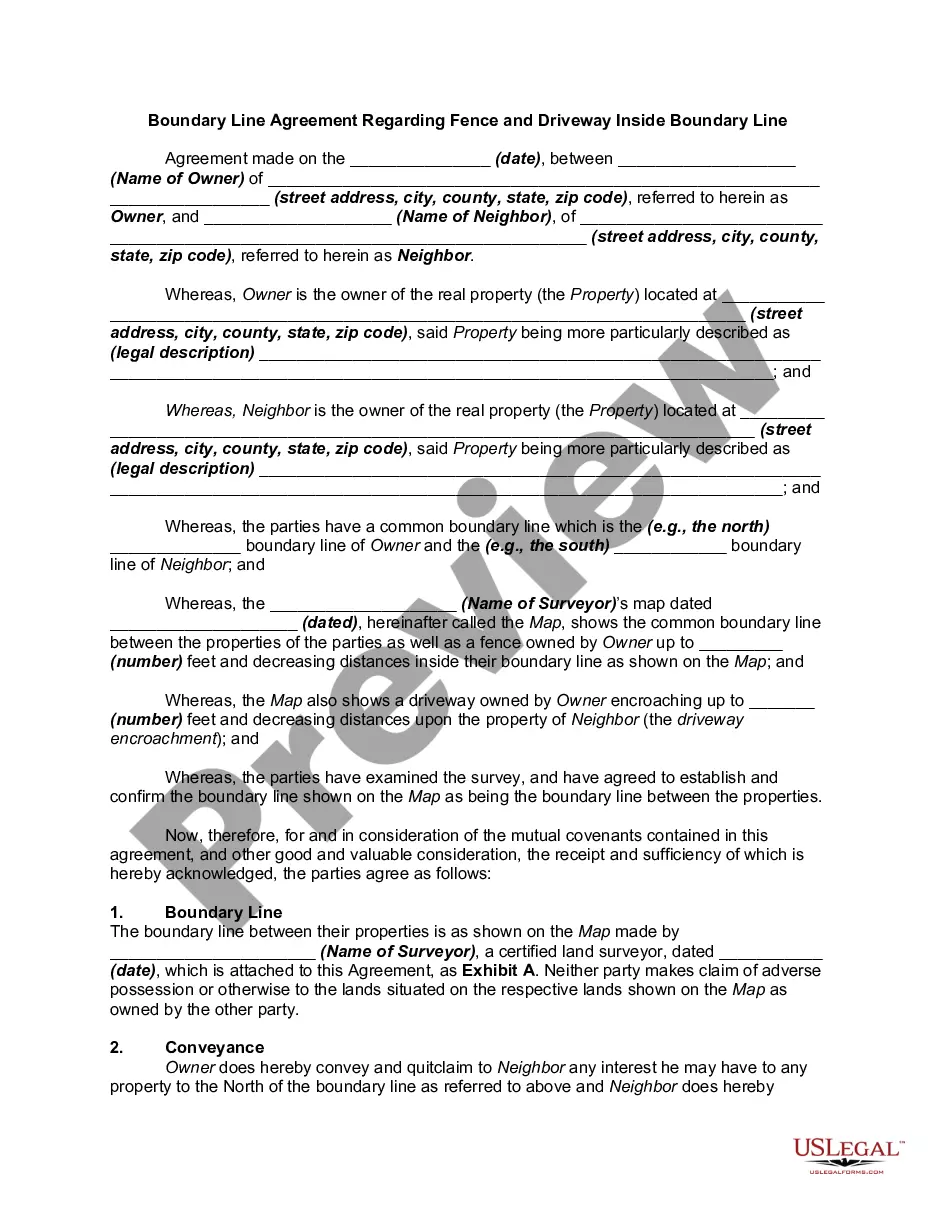
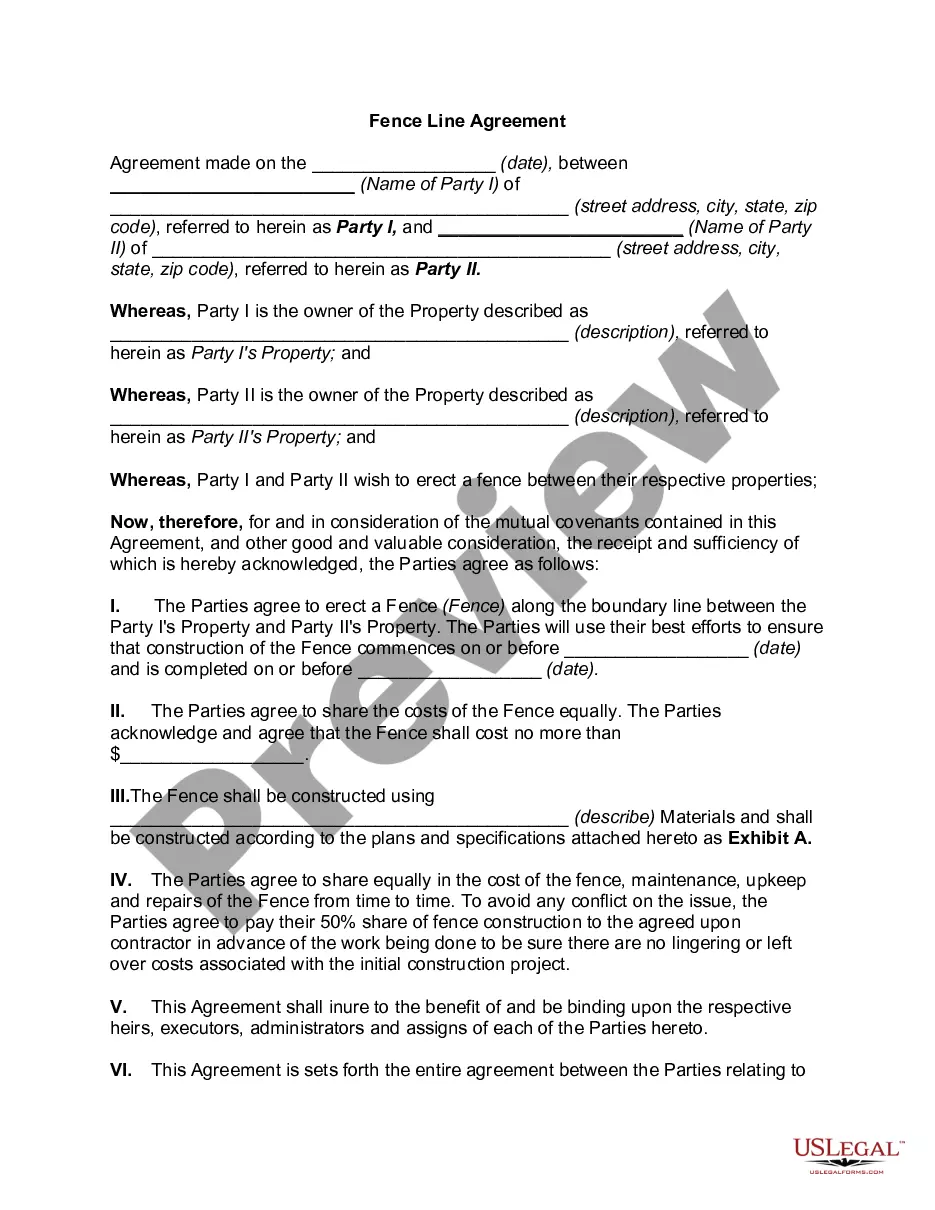
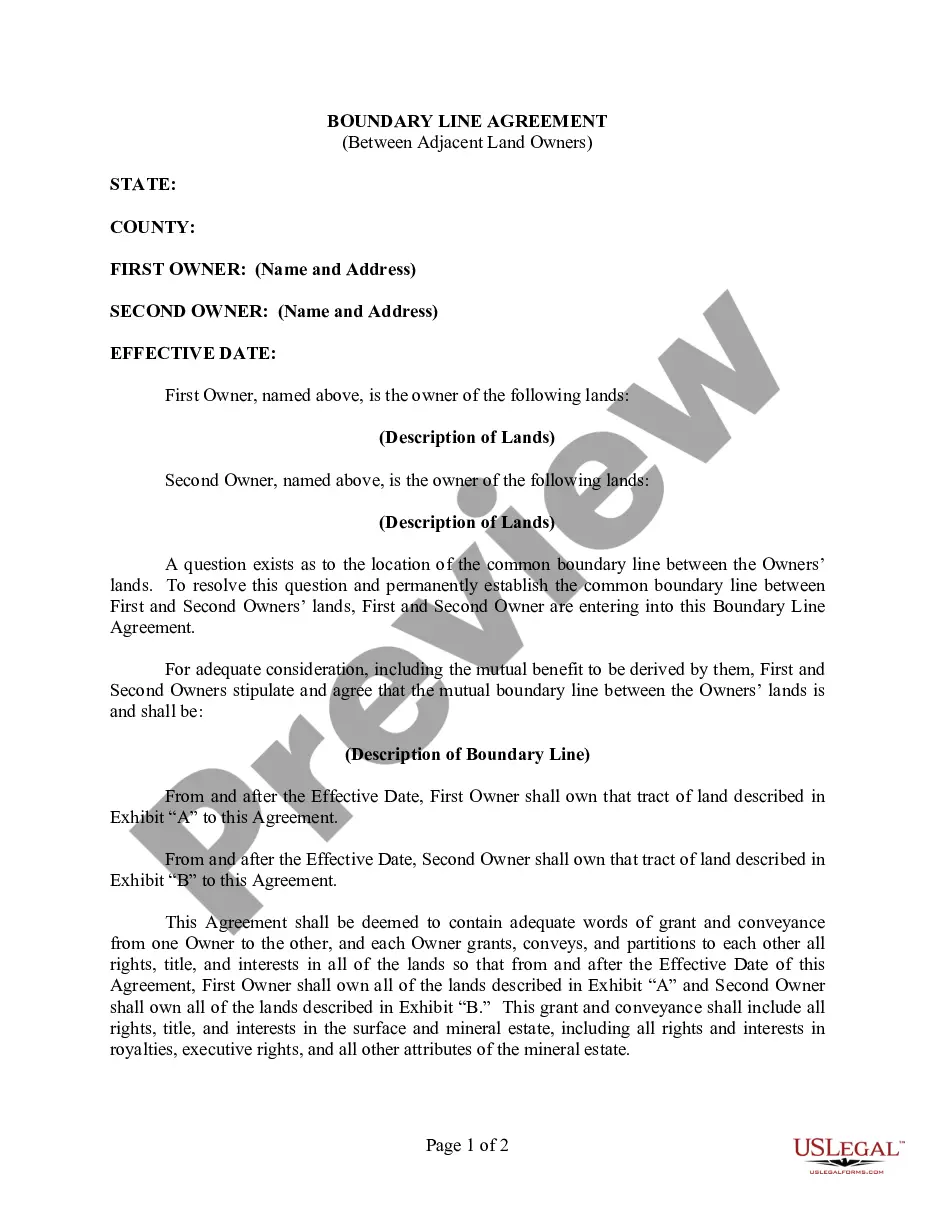
Get your form ready online
Our built-in tools help you complete, sign, share, and store your documents in one place.
Make edits, fill in missing information, and update formatting in US Legal Forms—just like you would in MS Word.
Download a copy, print it, send it by email, or mail it via USPS—whatever works best for your next step.
Sign and collect signatures with our SignNow integration. Send to multiple recipients, set reminders, and more. Go Premium to unlock E-Sign.
If this form requires notarization, complete it online through a secure video call—no need to meet a notary in person or wait for an appointment.
We protect your documents and personal data by following strict security and privacy standards.

Make edits, fill in missing information, and update formatting in US Legal Forms—just like you would in MS Word.

Download a copy, print it, send it by email, or mail it via USPS—whatever works best for your next step.

Sign and collect signatures with our SignNow integration. Send to multiple recipients, set reminders, and more. Go Premium to unlock E-Sign.

If this form requires notarization, complete it online through a secure video call—no need to meet a notary in person or wait for an appointment.

We protect your documents and personal data by following strict security and privacy standards.
Looking for another form?






Form popularity
FAQ
First Submittal Requirements for Tract Maps and Parcel Maps A current preliminary title report (less than 6 months old). A copy of the vesting deed and the deeds referenced in the vesting deed. Submit copies of any deed reference shown on the map (adjoiners, easements, etc.).
How Do I Find My Assessor's Parcel Number (APN)? You can find your Assessor's Parcel Number (APN) in the top left corner of your Alameda County Secured Property Tax Statement.
1 Indian standard code used for designing retaining wall – IS 400 for concrete design. 2 IS 1893 Part-III used for design of bridges and retaining wall.
A Building Permit and engineering calculations are REQUIRED when: The wall is greater than 4'-0” measured from bottom of footing to top of wall.
Retaining walls that are not part of a building shall have a maximum height of 6 feet. Retaining walls with a height greater than 4 feet shall not have a horizontal measurement of greater than 20 feet per retaining wall, and 40 cumulative feet for all such walls.
(1) Soils and engineered retaining walls shall not cause, in whole or in part, damage to the structure built upon the soil or engineered retaining wall. (2) Soils and engineered retaining walls shall not cause, in whole or in part, the structure to be structurally unsafe.
In most cases, retaining walls that are not over three feet in height measured from the bottom of the footing to the top of the wall do not require a building permit. Refer to Development Code Chapter 22.20 and Section 22.22.
A significant portion of Alameda is in a liquefaction zone and all land use types (commercial, transportation/utilities, residential, open space, shoreline, municipal, institutional) are subject to liquefaction and strong shaking.
The Association of Bay Area Governments defines the Bay Area as including the nine counties that border the estuaries of San Francisco Bay, San Pablo Bay, and Suisun Bay: Alameda, Contra Costa, Marin, Napa, San Mateo, Santa Clara, Solano, Sonoma, and San Francisco.
