Sample Statement Of Claim For Debt Recovery In Wayne
Description


Get your form ready online
Our built-in tools help you complete, sign, share, and store your documents in one place.
Make edits, fill in missing information, and update formatting in US Legal Forms—just like you would in MS Word.
Download a copy, print it, send it by email, or mail it via USPS—whatever works best for your next step.
Sign and collect signatures with our SignNow integration. Send to multiple recipients, set reminders, and more. Go Premium to unlock E-Sign.
If this form requires notarization, complete it online through a secure video call—no need to meet a notary in person or wait for an appointment.
We protect your documents and personal data by following strict security and privacy standards.

Make edits, fill in missing information, and update formatting in US Legal Forms—just like you would in MS Word.

Download a copy, print it, send it by email, or mail it via USPS—whatever works best for your next step.

Sign and collect signatures with our SignNow integration. Send to multiple recipients, set reminders, and more. Go Premium to unlock E-Sign.

If this form requires notarization, complete it online through a secure video call—no need to meet a notary in person or wait for an appointment.

We protect your documents and personal data by following strict security and privacy standards.
Looking for another form?



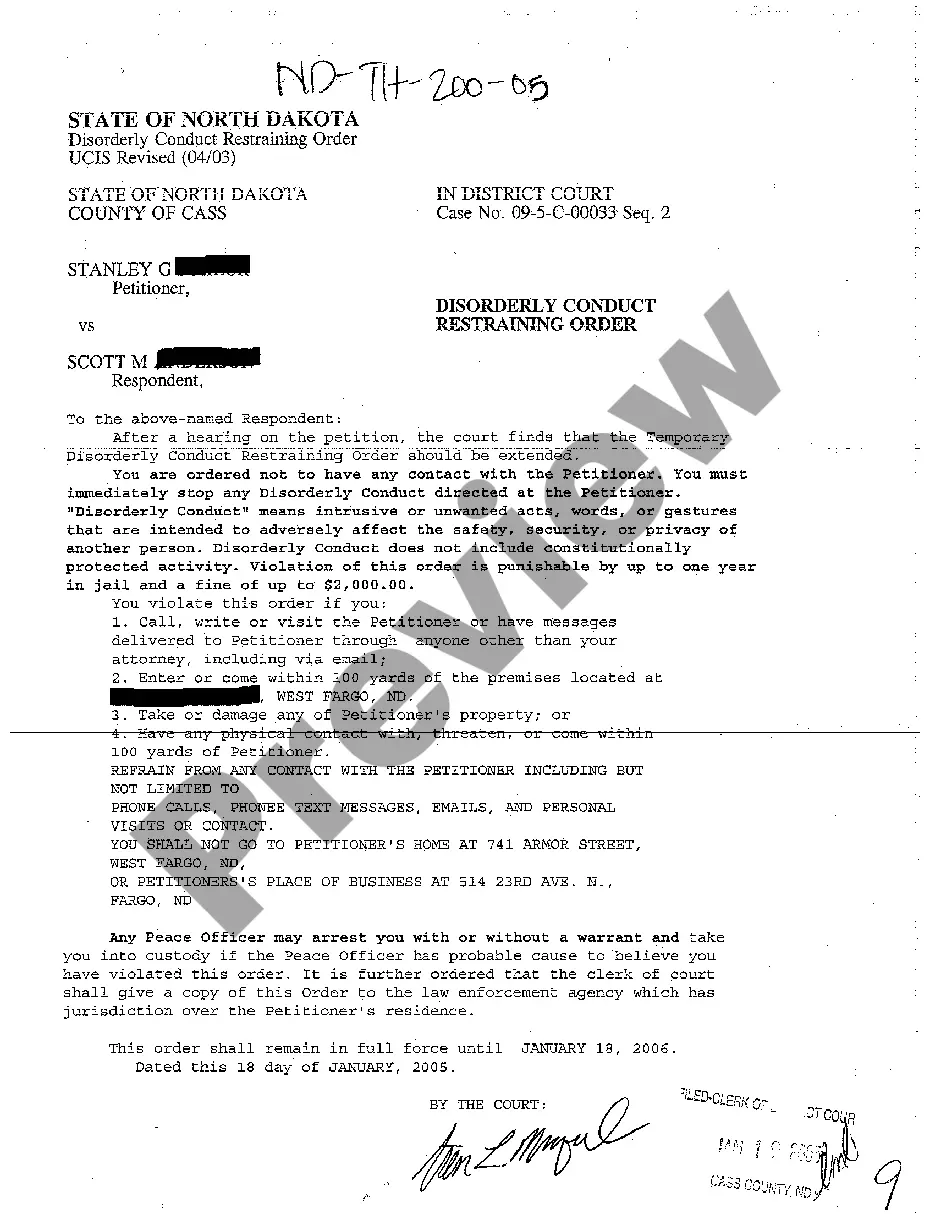
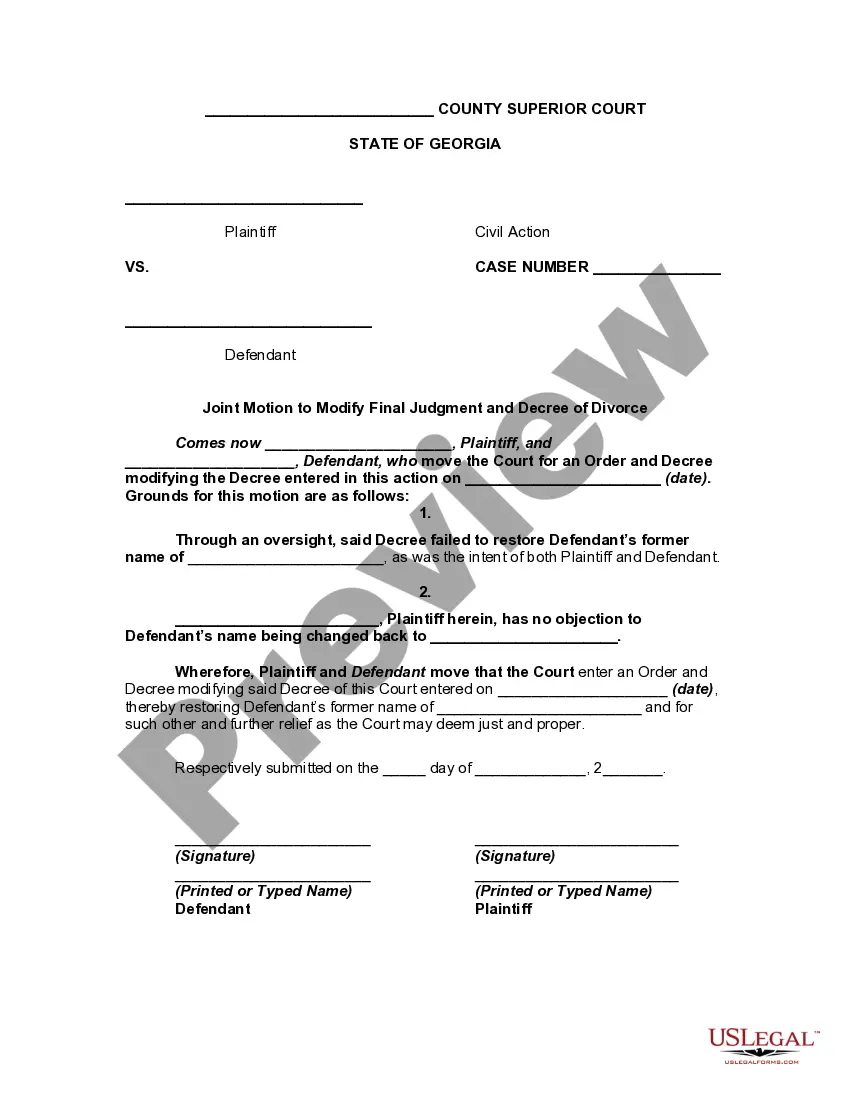

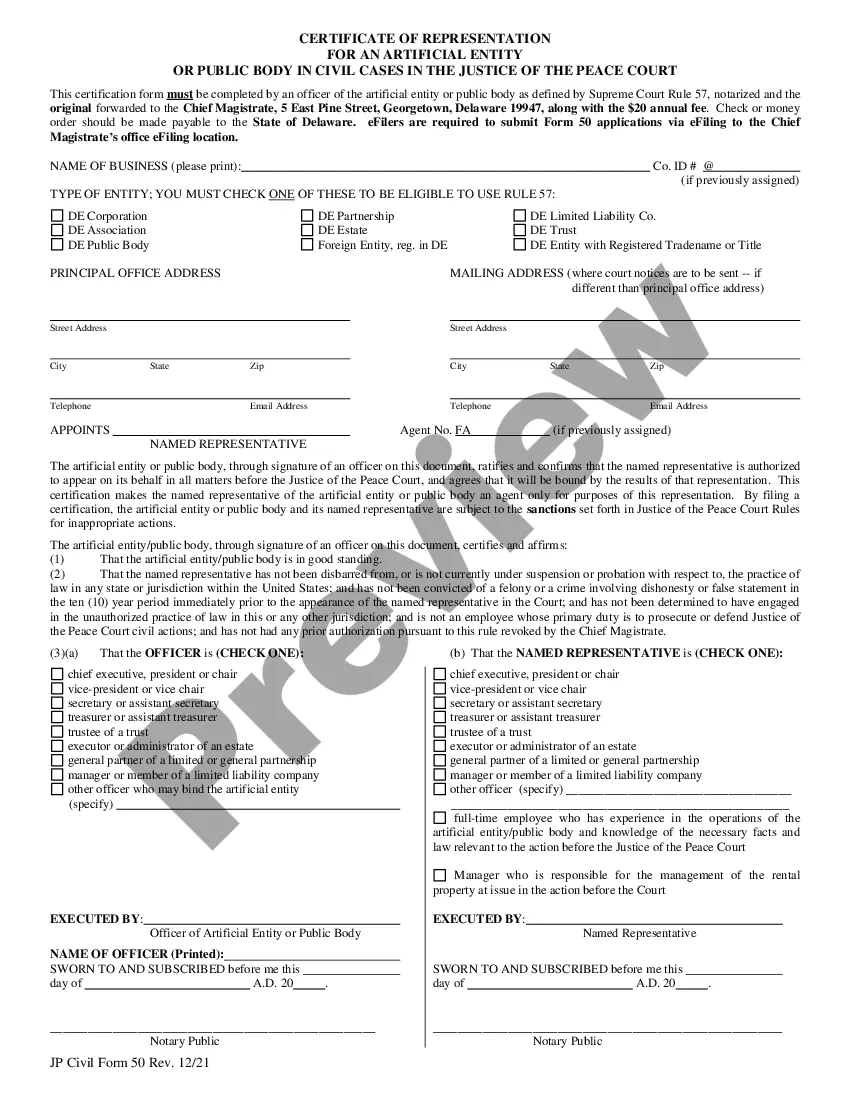

Form popularity
FAQ
What is a statement of claim? A statement of claim is a document prepared by the plaintiff, that is, the person or company who is initiating the case in the court. A statement of claim usually accompanies a writ or could be otherwise needed during the course of a proceeding.
These letters serve as a notification of the unpaid balance, a reminder of the obligation, and a request for payment. The primary goal of a debt collection letter is to prompt the debtor to settle their debt without further escalation, such as legal action.
The Small Claims Court allows every citizen to bring a lawsuit in an informal manner and does not require that a party hire an attorney.
What are the different types of recovery? Amicable debt collection. Judicial collection. Debt collection by assignment. Debt collection through a debt collection agency. Conclusion.
There are a number of ways to enforce a debt such as an attachment of earnings orders or charging orders. However, the most common method is to instruct a Bailiff or High Court Enforcement Officer to visit the debtor's address and collect the debt or seize goods to the value of the debt.
The debt collection extract is an official document issued by the competent debt collection office. It shows whether a person has been the subject of debt collection proceedings since they moved to their current address or in the past five years at the most.
Overdue payments on credit cards, phone bills, auto loans, utility bills, and back taxes are examples of debts for which collectors may be responsible.

