Estate Claim Form For Patients In Wake
Description


Get your form ready online
Our built-in tools help you complete, sign, share, and store your documents in one place.
Make edits, fill in missing information, and update formatting in US Legal Forms—just like you would in MS Word.
Download a copy, print it, send it by email, or mail it via USPS—whatever works best for your next step.
Sign and collect signatures with our SignNow integration. Send to multiple recipients, set reminders, and more. Go Premium to unlock E-Sign.
If this form requires notarization, complete it online through a secure video call—no need to meet a notary in person or wait for an appointment.
We protect your documents and personal data by following strict security and privacy standards.

Make edits, fill in missing information, and update formatting in US Legal Forms—just like you would in MS Word.

Download a copy, print it, send it by email, or mail it via USPS—whatever works best for your next step.

Sign and collect signatures with our SignNow integration. Send to multiple recipients, set reminders, and more. Go Premium to unlock E-Sign.

If this form requires notarization, complete it online through a secure video call—no need to meet a notary in person or wait for an appointment.

We protect your documents and personal data by following strict security and privacy standards.
Looking for another form?


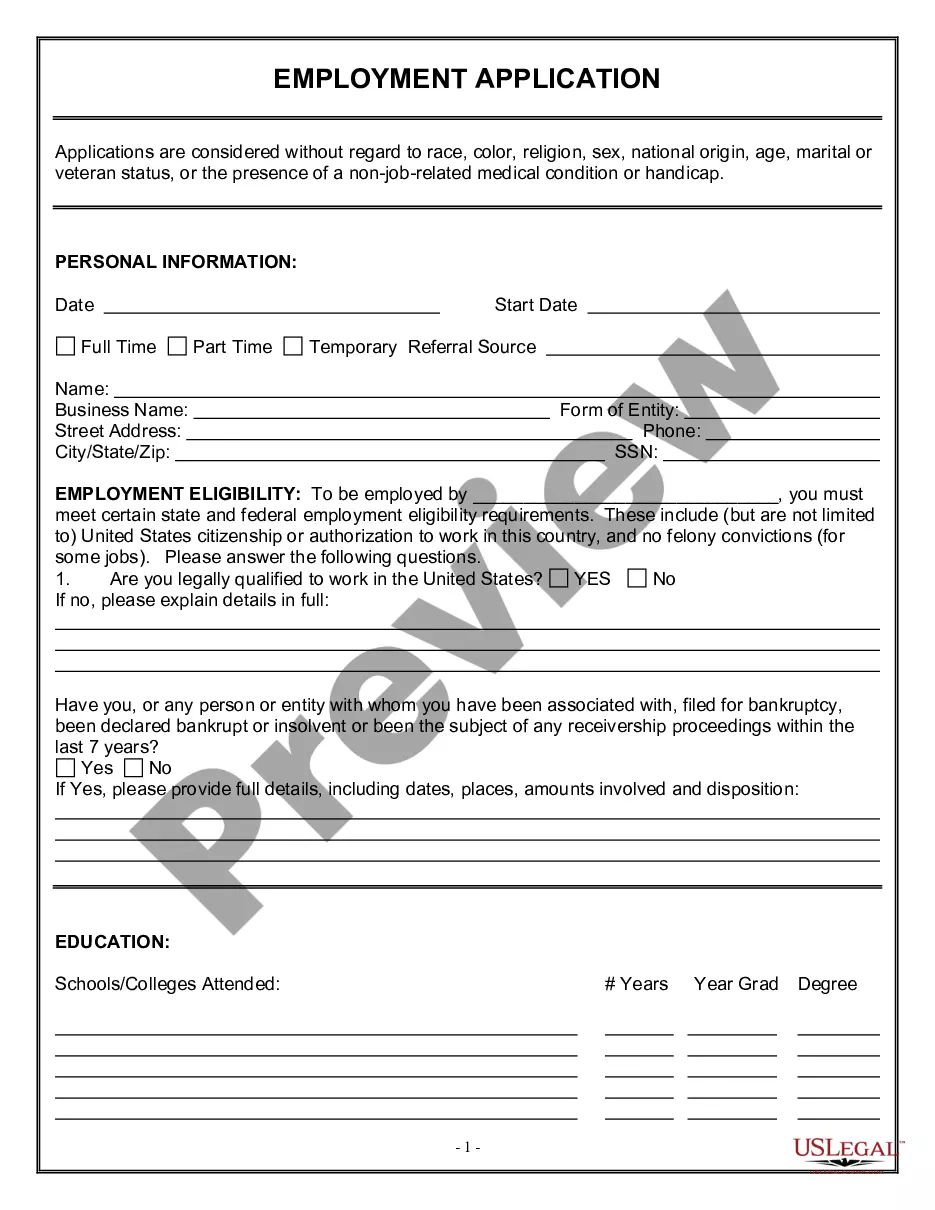





Form popularity
FAQ
If the responsibilities of the attorney are limited to assisting the executor with the estate administration process, then the North Carolina statutory law provides that the attorney's fees must be reasonable and not exceed 5% of the estate. Furthermore, the fees will offset the executor's commission.
The probate process for a regular estate in North Carolina typically takes six to 12 months. However, this timeline can vary depending on the complexity of the estate. For example, if there are many properties, no will, or numerous heirs, the process may take longer, up to 18 months or more.
Generally, North Carolina law expects the executor to settle the estate within a reasonable time frame, typically ranging from six to 18 months or longer for complex cases.
Do All Estates Have to Go Through Probate in North Carolina? Smaller estates with probate-qualified assets valued at less than $20,000 can avoid the formal probate proceeding.
Even with a will, probate is often required to transfer ownership of the deceased person's assets legally. However, not all wills require probate. For example, if all assets are jointly owned or have designated beneficiaries, such as life insurance policies or retirement accounts, they can often bypass probate.
This Form (AOC-E-201) is used to start the process of settling a person's estate after they die (Probate). It's a request to make the Will and appointment of the Executor official and should be filled out by the Personal Representative. Form AOC-E-203B | Affidavit for Collection of Personal Property of Decedent.
In North Carolina, the Executor or Guardian must complete Form 506 showing the value of the assets at the time the estate was opened and then listing all of the funds that have come into and out of the estate from that time until the time of filing the Account.
The notice shall set out a mailing address for the personal representative or collector. The notice shall be published once a week for four consecutive weeks in a newspaper qualified to publish legal advertisements, if any such newspaper is published in the county.

