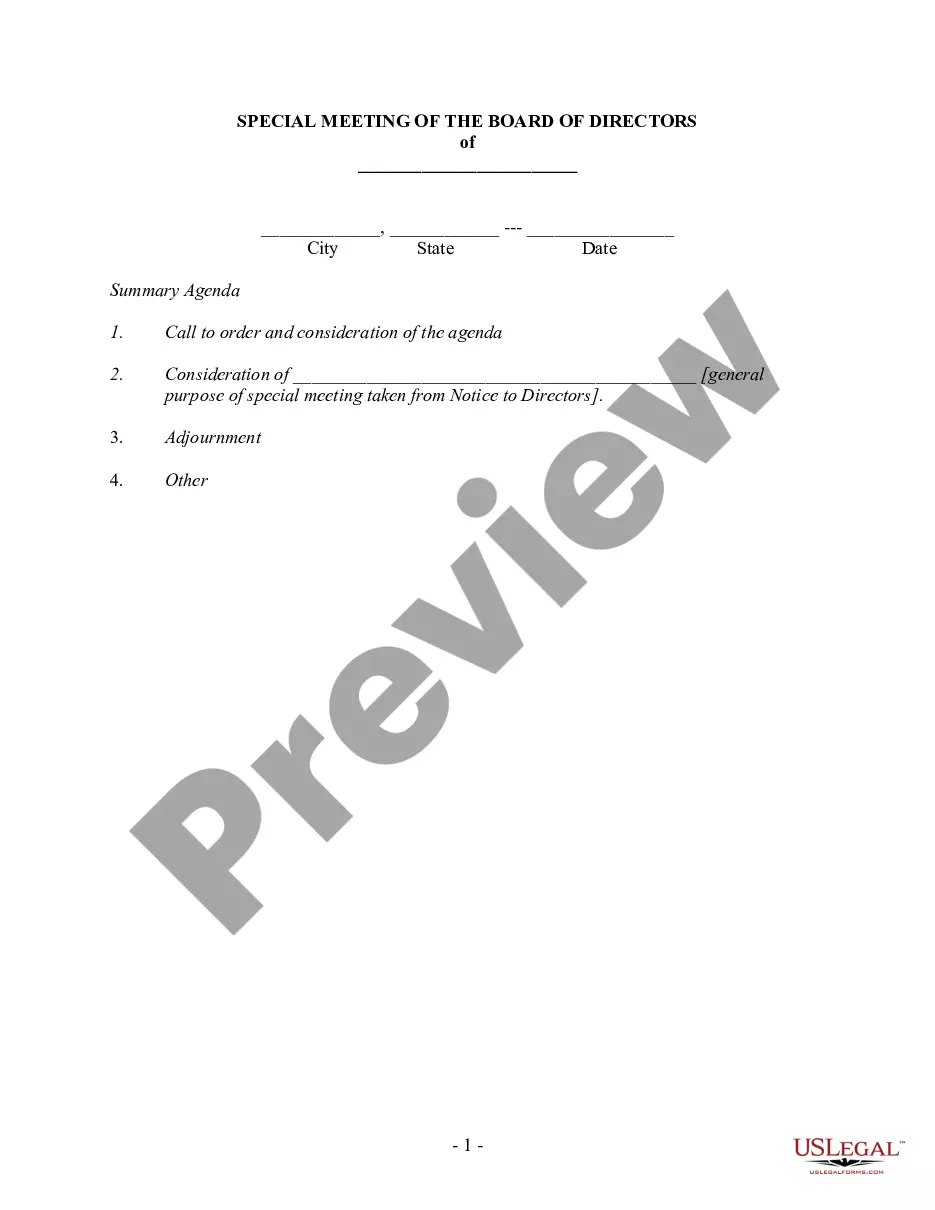
Estate Against Withdrawal In Utah
Description


Get your form ready online
Our built-in tools help you complete, sign, share, and store your documents in one place.
Make edits, fill in missing information, and update formatting in US Legal Forms—just like you would in MS Word.
Download a copy, print it, send it by email, or mail it via USPS—whatever works best for your next step.
Sign and collect signatures with our SignNow integration. Send to multiple recipients, set reminders, and more. Go Premium to unlock E-Sign.
If this form requires notarization, complete it online through a secure video call—no need to meet a notary in person or wait for an appointment.
We protect your documents and personal data by following strict security and privacy standards.

Make edits, fill in missing information, and update formatting in US Legal Forms—just like you would in MS Word.

Download a copy, print it, send it by email, or mail it via USPS—whatever works best for your next step.

Sign and collect signatures with our SignNow integration. Send to multiple recipients, set reminders, and more. Go Premium to unlock E-Sign.

If this form requires notarization, complete it online through a secure video call—no need to meet a notary in person or wait for an appointment.

We protect your documents and personal data by following strict security and privacy standards.
Looking for another form?







Form popularity
FAQ
Probate is required if: the estate includes real property (land, house, inium, mineral rights) of any value, and/or. the estate has assets (other than land, and not including cars) whose net worth is more than $100,000.
Cleaning Out a House After the Death of a Loved One Secure the Home. Track Down Important Documents. Take a Look at the Will. Set a Time Limit. Sort Through the Items. Get an Appraisal. Bring in the Family. Donate Any Unclaimed Items.
Understanding the Deceased Estate 3-Year Rule The core premise of the 3-year rule is that if the deceased's estate is not claimed or administered within three years of their death, the state or governing body may step in and take control of the distribution and management of the assets.
Estate tax treatment - A bypass trust is designed to be estate tax-exempt, while assets in a marital trust are included in the surviving spouse's taxable estate. Access to assets - A marital trust gives the surviving spouse unlimited access and control. A bypass trust restricts access to income and principal.
One common method is to create a revocable trust. A revocable trust allows you to maintain control of your property during your life, and decide how the property is distributed after death, without needing to go through probate court.
Contents Give away property. Establish a joint ownership for real estate. Establish joint ownership for other property. Leverage payable-on-death financial accounts. Use transfer-on-death securities. Use transfer-on-death for motor vehicles. Use transfer-on-death for real estate. Create living trusts.
Your spouse will inherit all of your intestate property if you die without descendants, or if all surviving descendants are from you and your surviving spouse. If you have a spouse and no descendants, your spouse will inherit everything.
Though Utah has no estate tax, there is still a federal estate tax to think about. If your estate is large enough, the federal government may tax your estate after you die. There is an $13.99 million exemption for the federal estate tax in 2025, up from $13.61 in 2024.
Children in Utah Inheritance Law Your spouse will inherit the first $75,000 of your intestate property, and half of what remains of your intestate property after that. Your descendants will then inherit everything else. In Utah, the value of non-probate transfers count as part of the intestate estate.
Another key difference: While there is no federal inheritance tax, there is a federal estate tax. The federal estate tax generally applies to assets over $13.61 million in 2024 and $13.99 million in 2025, and the federal estate tax rate ranges from 18% to 40%.