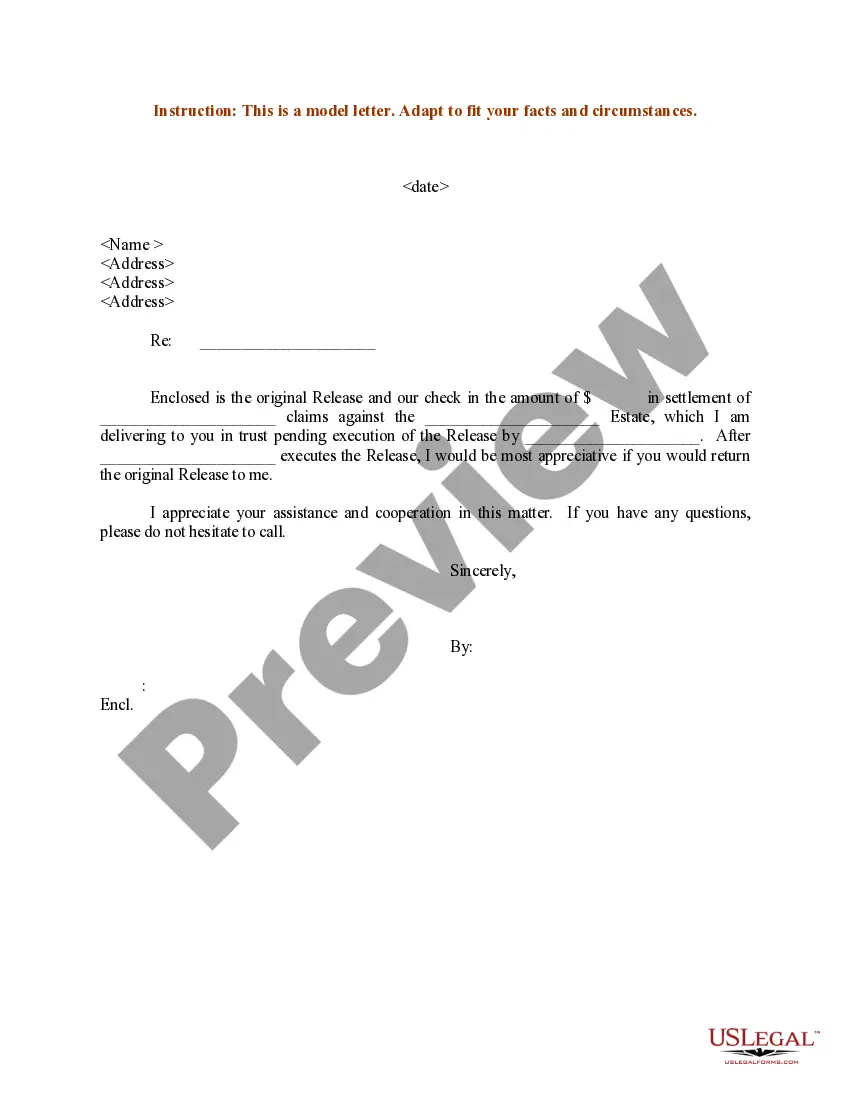
Claim Against Estate File For Texas In Utah
Description
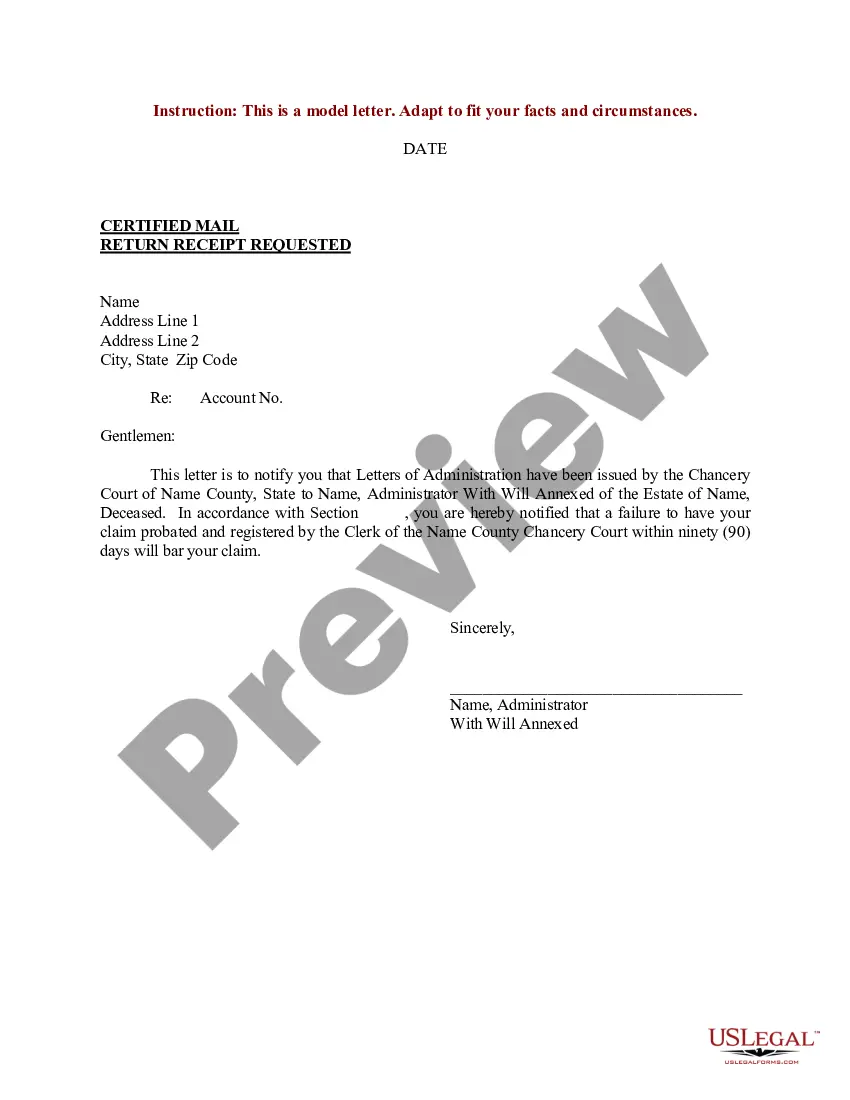
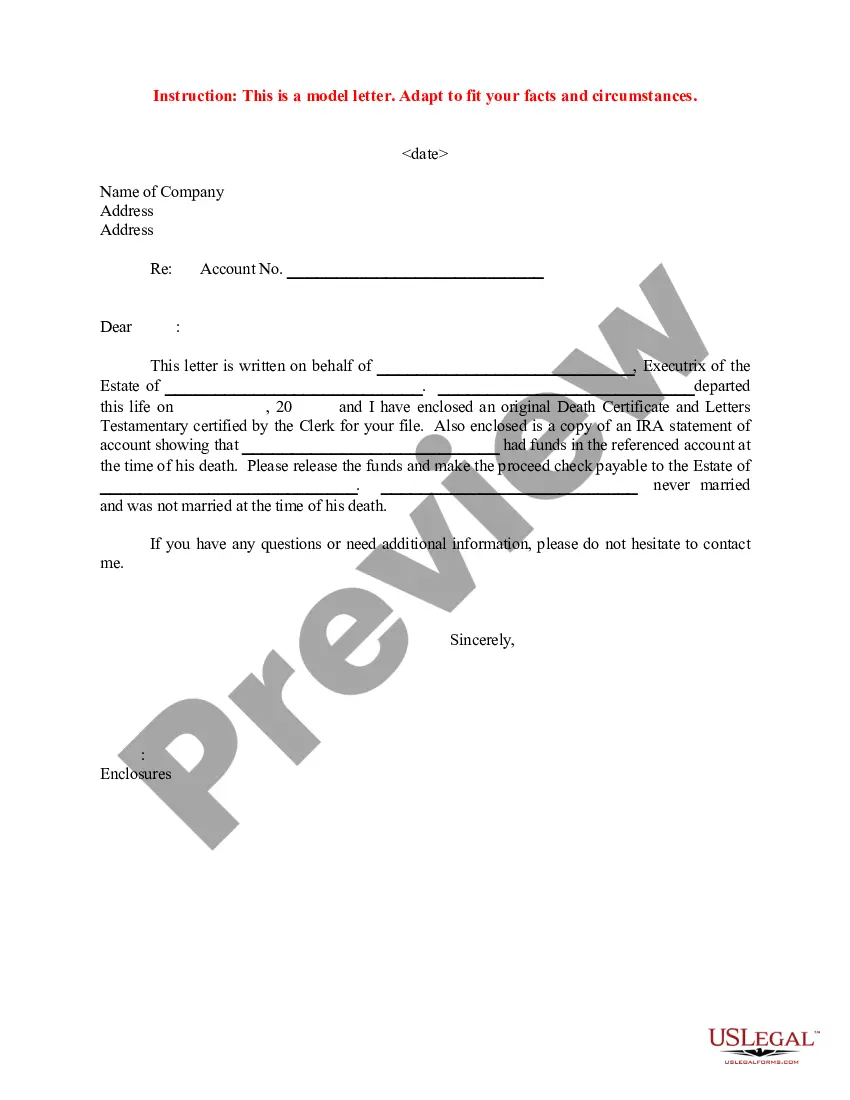
Get your form ready online
Our built-in tools help you complete, sign, share, and store your documents in one place.
Make edits, fill in missing information, and update formatting in US Legal Forms—just like you would in MS Word.
Download a copy, print it, send it by email, or mail it via USPS—whatever works best for your next step.
Sign and collect signatures with our SignNow integration. Send to multiple recipients, set reminders, and more. Go Premium to unlock E-Sign.
If this form requires notarization, complete it online through a secure video call—no need to meet a notary in person or wait for an appointment.
We protect your documents and personal data by following strict security and privacy standards.

Make edits, fill in missing information, and update formatting in US Legal Forms—just like you would in MS Word.

Download a copy, print it, send it by email, or mail it via USPS—whatever works best for your next step.

Sign and collect signatures with our SignNow integration. Send to multiple recipients, set reminders, and more. Go Premium to unlock E-Sign.

If this form requires notarization, complete it online through a secure video call—no need to meet a notary in person or wait for an appointment.

We protect your documents and personal data by following strict security and privacy standards.
Looking for another form?
Form popularity
FAQ
To make a claim in an estate, the creditor must go through the court system. The creditor first files a Statement of Claim in the probate matter for the decedent, or the person who died.
How To Sue A Deceased Person's Estate: Understanding California Law. Probate Code Sections 550 and 552 provide that an action against a deceased person, where the plaintiff seeks recovery of insurance proceeds only, may be filed against “the Estate of Decedent” within the decedent's estate.
You would typically need to file a creditor's claim with the probate court where the estate is being handled. This involves submitting documentation such as the funeral bill and proof of your payment. The executor of the estate is then responsible for assessing and approving valid claims against the estate.
If a creditor wishes to file a claim against the estate, they must do so in writing and provide documentation of the debt. The claim must be filed with the probate court and a copy must be sent to the executor or administrator of the estate.
Time Frame For Suing An Estate The California statute of limitations requires filing the lawsuit within 40 days from the defendant's death. Missing this timeline can affect the outcome of the case.
In Texas, claimants or creditors generally have four months after receiving proper notice of the probate administration to make claims on a probate estate.
Probate review of creditor attachment to an estate, can sometimes result in judgment lien which is the court ordered sale of personal and real property. Estate assets liquidated by a lien include family heirlooms such as antiques, fine art, jewelry, and other tangible valuables.
An heir or beneficiary who thinks the executor is not doing as the will directs or is not acting in the interest of the estate has the right to appeal to the probate court.
No. In Texas, an estate is not a legal entity. Therefore, it cannot sue or be sued. A court will need to appoint a personal representative of an estate, acting in his or her capacity.
Texas Probate Timeline If the estate is small or simple, the probate court can often conclude the process within six months. However, there are many cases where probate can last for a year or longer. This is especially true where the original will is contested or is missing.