Settlement Against Estate With Partition In Travis
Description


Get your form ready online
Our built-in tools help you complete, sign, share, and store your documents in one place.
Make edits, fill in missing information, and update formatting in US Legal Forms—just like you would in MS Word.
Download a copy, print it, send it by email, or mail it via USPS—whatever works best for your next step.
Sign and collect signatures with our SignNow integration. Send to multiple recipients, set reminders, and more. Go Premium to unlock E-Sign.
If this form requires notarization, complete it online through a secure video call—no need to meet a notary in person or wait for an appointment.
We protect your documents and personal data by following strict security and privacy standards.

Make edits, fill in missing information, and update formatting in US Legal Forms—just like you would in MS Word.

Download a copy, print it, send it by email, or mail it via USPS—whatever works best for your next step.

Sign and collect signatures with our SignNow integration. Send to multiple recipients, set reminders, and more. Go Premium to unlock E-Sign.

If this form requires notarization, complete it online through a secure video call—no need to meet a notary in person or wait for an appointment.

We protect your documents and personal data by following strict security and privacy standards.
Looking for another form?



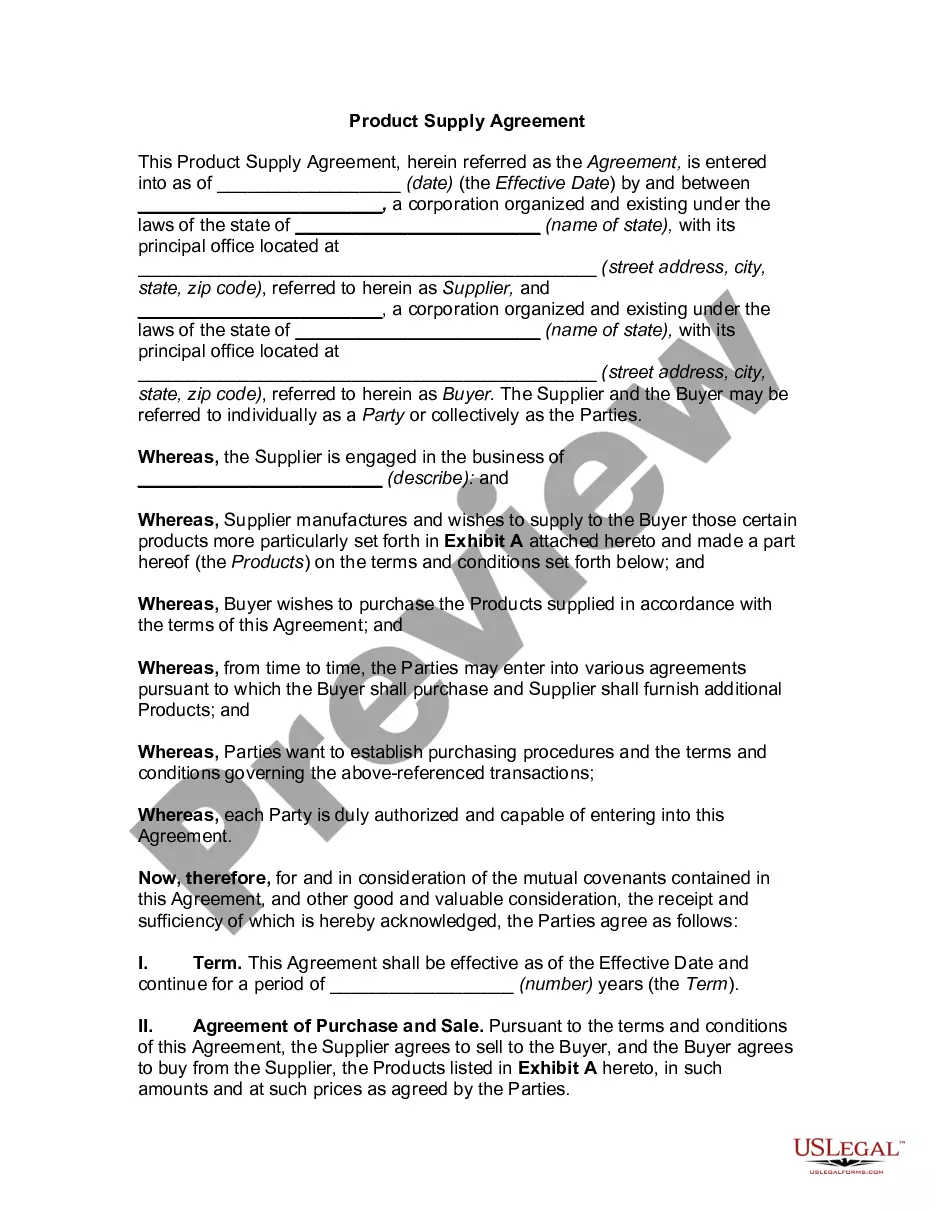

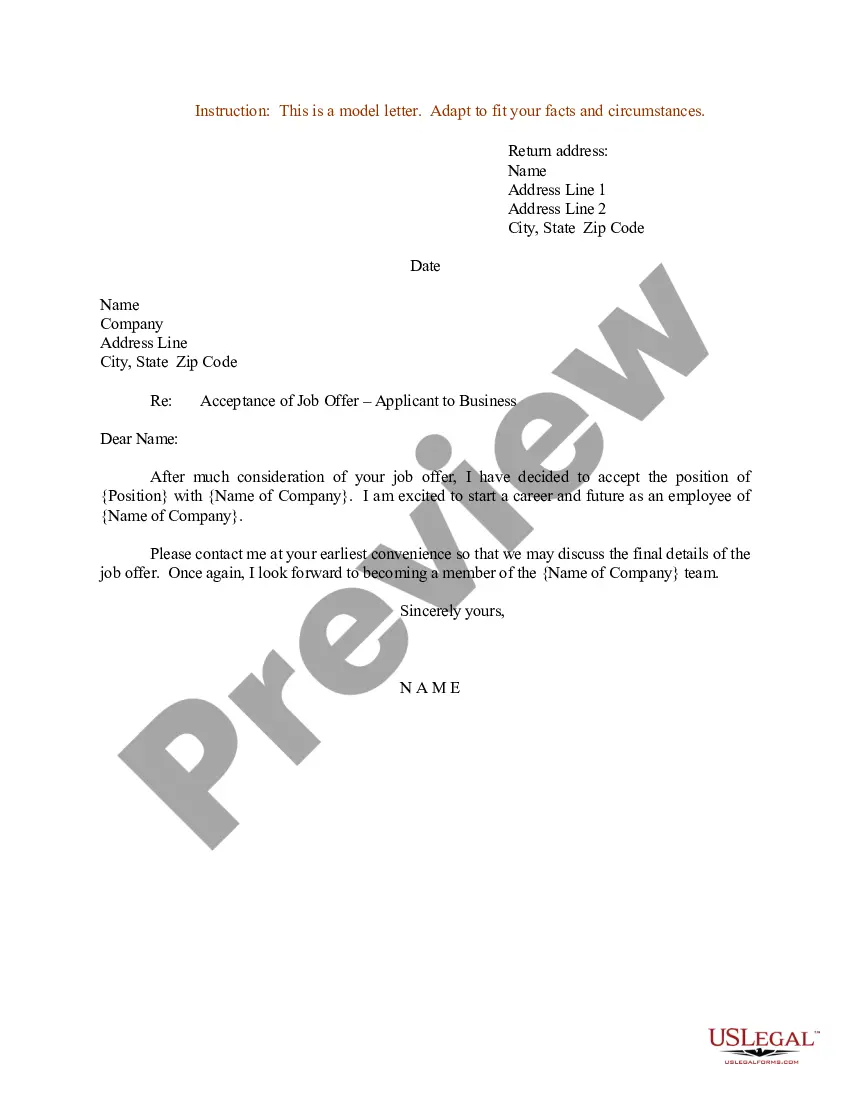

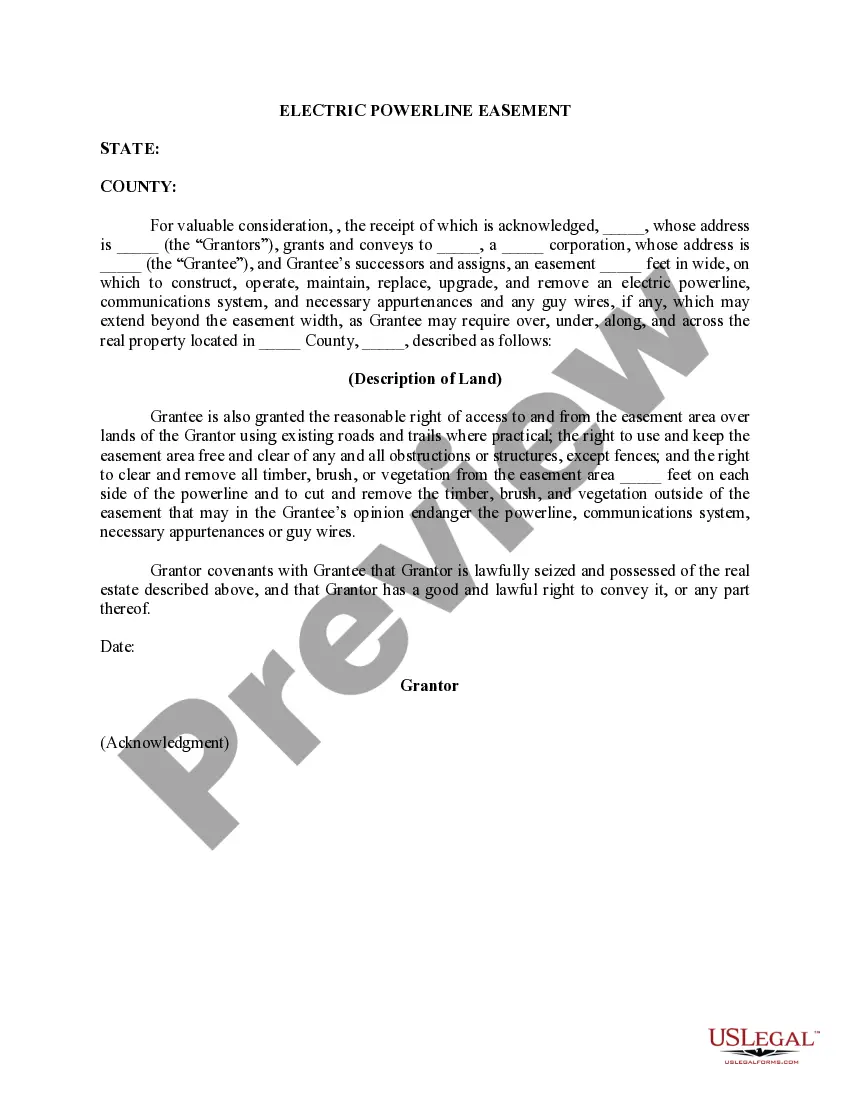


Form popularity
FAQ
PARTITION. A joint owner or claimant of real property or an interest in real property or a joint owner of personal property may compel a partition of the interest or the property among the joint owners or claimants under this chapter and the Texas Rules of Civil Procedure.
When a Will appoints a dependent administration that means court approval is required for every step in settling the estate, including the sale of real property. The Will may not give the executor (independent or dependent) the power of sale. This means a court order to sell may be required.
The process of partition action starts with one or more owners filing a petition in court. The court then examines the real estate details and the owners' interests to decide on the best division method.
Every co-owner of an interest in the property (no matter how small) must agree in order for a voluntary partition to occur. The remedy when agreement cannot be reached is for one or more of the co-owners to seek a court-ordered division by means of a partition suit.
Upon the dissolution and liquidation of the community, the net assets shall be divided equally between the husband and the wife or their heirs. In case of legal separation or annulment of marriage, the provisions of articles 176 and 177 shall apply to the net profits acquired during the marriage.
To demand a partition or division of the common property is in with Article 494 of the Civil Code, that is, no co-owner shall be obliged to remain in the co-ownership and that each co-owner may demand at any time partition of the thing owned in common insofar as his or her share is concerned.
To demand a partition or division of the common property is in with Article 494 of the Civil Code, that is, no co-owner shall be obliged to remain in the co-ownership and that each co-owner may demand at any time partition of the thing owned in common insofar as his or her share is concerned.
The total estate will be divided as follows: Surviving Legal Spouse: 1/8 of the estate. Each Legitimate Child (3 children): 1/6 of the estate (each child) Illegitimate Child: 1/12 of the estate.
What Is the Partition of Property Act in British Columbia? The Partition of Property Act sets out the law respecting the physical division and sale of co-owned land or property, as well as the distribution of sale proceeds.

