Claim Against Estate After Distribution Without Probate In Travis
Description


Get your form ready online
Our built-in tools help you complete, sign, share, and store your documents in one place.
Make edits, fill in missing information, and update formatting in US Legal Forms—just like you would in MS Word.
Download a copy, print it, send it by email, or mail it via USPS—whatever works best for your next step.
Sign and collect signatures with our SignNow integration. Send to multiple recipients, set reminders, and more. Go Premium to unlock E-Sign.
If this form requires notarization, complete it online through a secure video call—no need to meet a notary in person or wait for an appointment.
We protect your documents and personal data by following strict security and privacy standards.

Make edits, fill in missing information, and update formatting in US Legal Forms—just like you would in MS Word.

Download a copy, print it, send it by email, or mail it via USPS—whatever works best for your next step.

Sign and collect signatures with our SignNow integration. Send to multiple recipients, set reminders, and more. Go Premium to unlock E-Sign.

If this form requires notarization, complete it online through a secure video call—no need to meet a notary in person or wait for an appointment.

We protect your documents and personal data by following strict security and privacy standards.
Looking for another form?



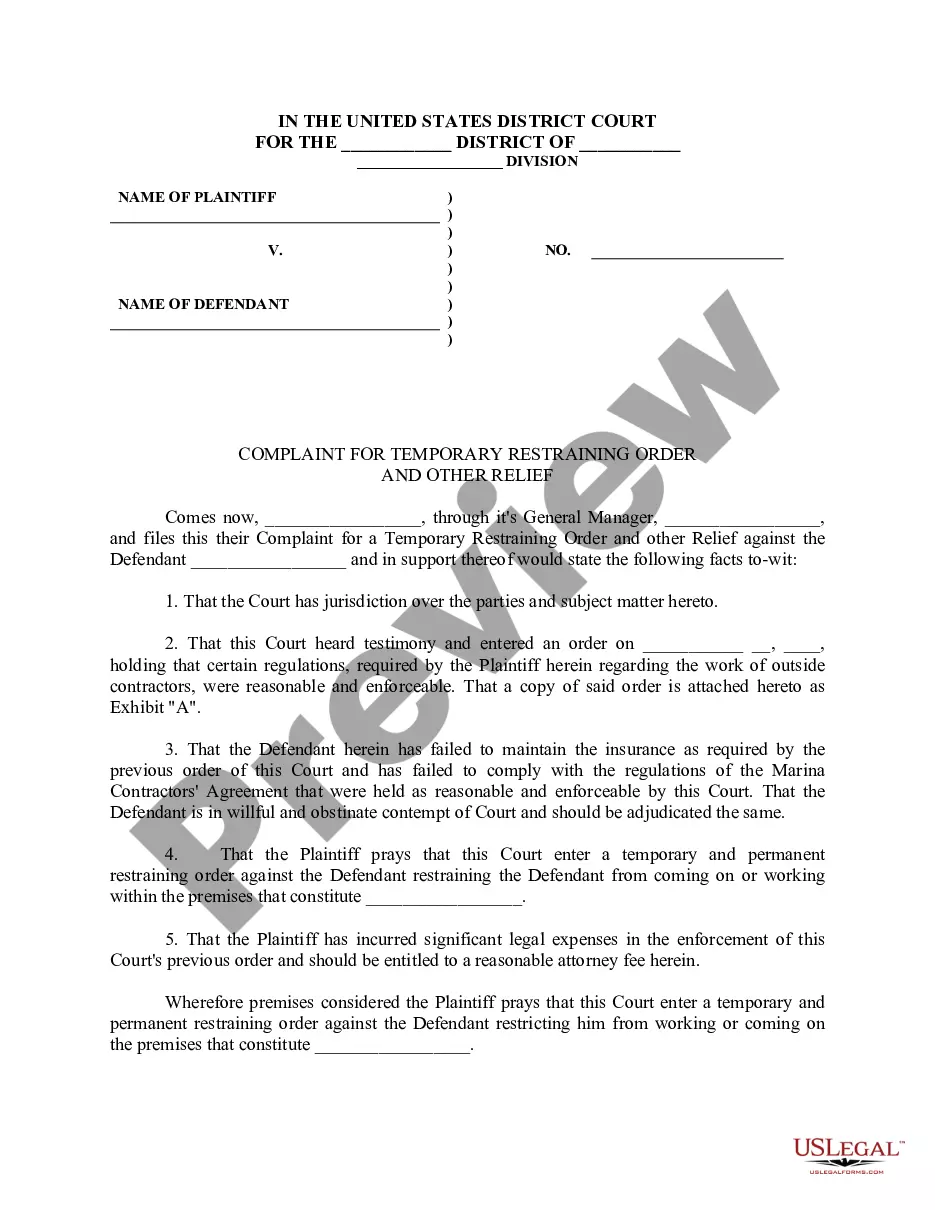




Form popularity
FAQ
Can a bank release funds without probate in Texas? If the deceased person was the sole owner of the bank account and named a beneficiary, then the bank can release the funds to the beneficiary without probate. If there is no named beneficiary, then the bank will require probate before releasing any funds.
If you would like the court to appoint an administrator of the estate, that application must generally be brought within four years after the death of the decedent. The court will often ignore this rule if there is property due to the estate that needs to be collected by an administrator.
The notice informs creditors that they have a certain amount of time to file a claim against the estate. In Texas, creditors have four months from the date of the first publication of the notice to file a claim.
Yes. Your bank may hold the funds ing to its funds availability policy. Or it may have placed an exception hold on the deposit. If the bank has placed a hold on the deposit, the bank generally should provide you with written notice of the hold.
The answer may surprise you: in Texas, bank accounts do not go through probate. In this blog post, we'll discuss what this means for your loved ones and how to ensure that your bank … The post Do bank accounts go through probate in Texas?
An estate may be exempt from the probate process in certain circumstances. Under Texas Estates Code, Title 2, Chapter 205, an estate need not pass through the probate process if there is no will and the total value of the estate (not counting any homestead real estate owned by the Decedent) is $75,000 or less.
If the court has already admitted the will to probate, the will may be contested within 2 years (with some exceptions). Because challenging a will can be expensive and time consuming, wills often try to minimize disputes by using a "no-contest" clause.
Executor's Role and Timeline for Asset Distribution. In Texas, an executor is given up to three years from their court appointment to distribute assets, excluding those allocated to creditors.

