Estate Claim Form For California In Texas
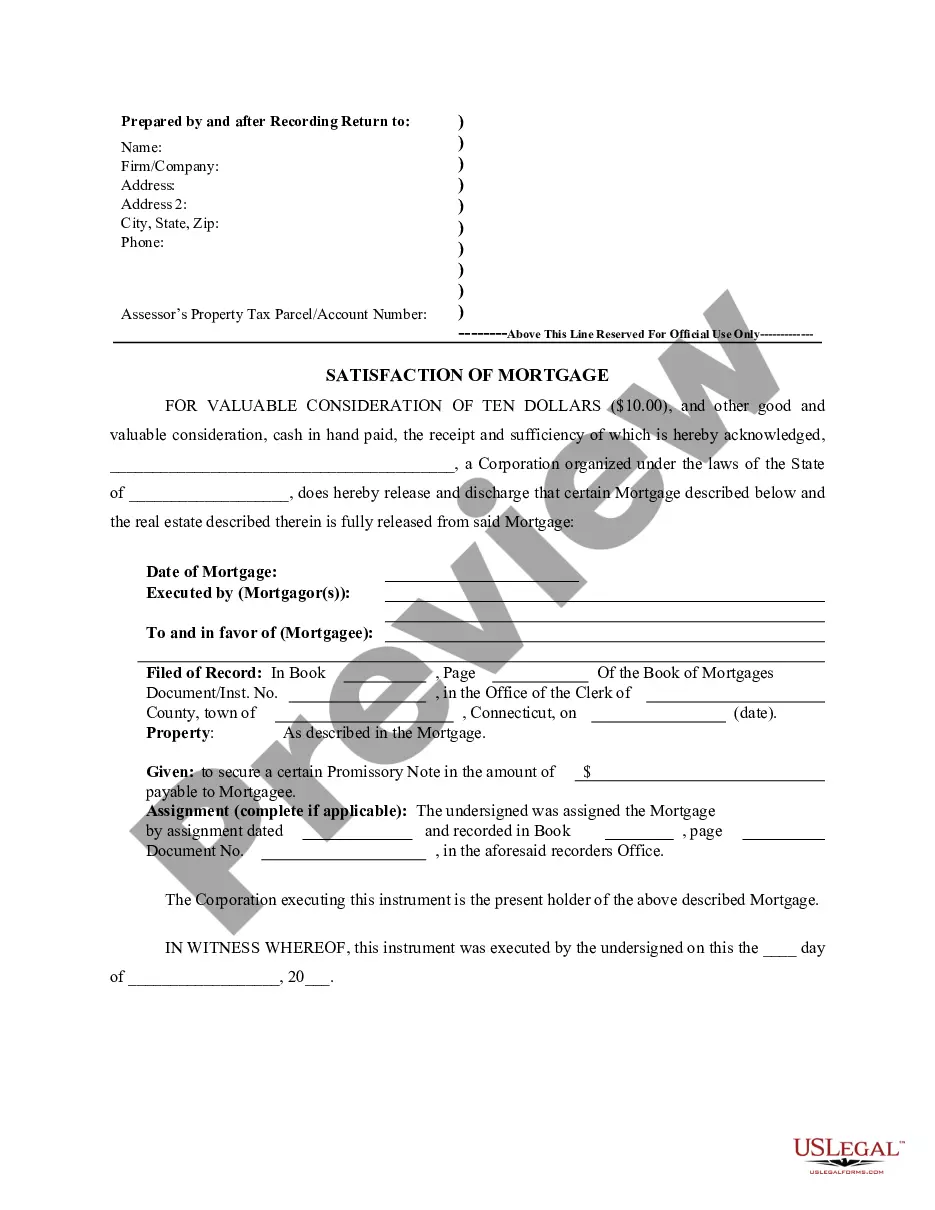
Description


Get your form ready online
Our built-in tools help you complete, sign, share, and store your documents in one place.
Make edits, fill in missing information, and update formatting in US Legal Forms—just like you would in MS Word.
Download a copy, print it, send it by email, or mail it via USPS—whatever works best for your next step.
Sign and collect signatures with our SignNow integration. Send to multiple recipients, set reminders, and more. Go Premium to unlock E-Sign.
If this form requires notarization, complete it online through a secure video call—no need to meet a notary in person or wait for an appointment.
We protect your documents and personal data by following strict security and privacy standards.

Make edits, fill in missing information, and update formatting in US Legal Forms—just like you would in MS Word.

Download a copy, print it, send it by email, or mail it via USPS—whatever works best for your next step.

Sign and collect signatures with our SignNow integration. Send to multiple recipients, set reminders, and more. Go Premium to unlock E-Sign.

If this form requires notarization, complete it online through a secure video call—no need to meet a notary in person or wait for an appointment.

We protect your documents and personal data by following strict security and privacy standards.
Looking for another form?








Form popularity
FAQ
If a creditor wishes to file a claim against the estate, they must do so in writing and provide documentation of the debt. The claim must be filed with the probate court and a copy must be sent to the executor or administrator of the estate.
The Texas affidavit of heirship form must be filled out and filed on behalf of a decedent's heir and can not be completed by the heir. Instead, two disinterested parties who know the necessary details about a decedent's family life need to fill out the form.
No. You are not required to hire a lawyer to file a Small Estate Affidavit in Texas. Many probate courts offer downloadable forms and clear instructions for filing.
Overview of a probate case Open a case. You (the person who starts the case) are called the “petitioner." You must file forms with the court to “open probate.” You file a Petition for Probate (form DE-111) along with other court forms. Administer the estate. Close the estate.
If you are dealing with an estate where you are the only beneficiary or heir, you are not legally required to hire an attorney. If the estate has more than you as the beneficiary or heir, then you do have to hire a probate attorney.
Even if your will was not created in Texas, it may still be probated in a Texas court. Texas state courts recognize out-of-state wills regardless of whether they have already been through probate. However, Texas has a few “extras” that your out-of-state will is lacking.

