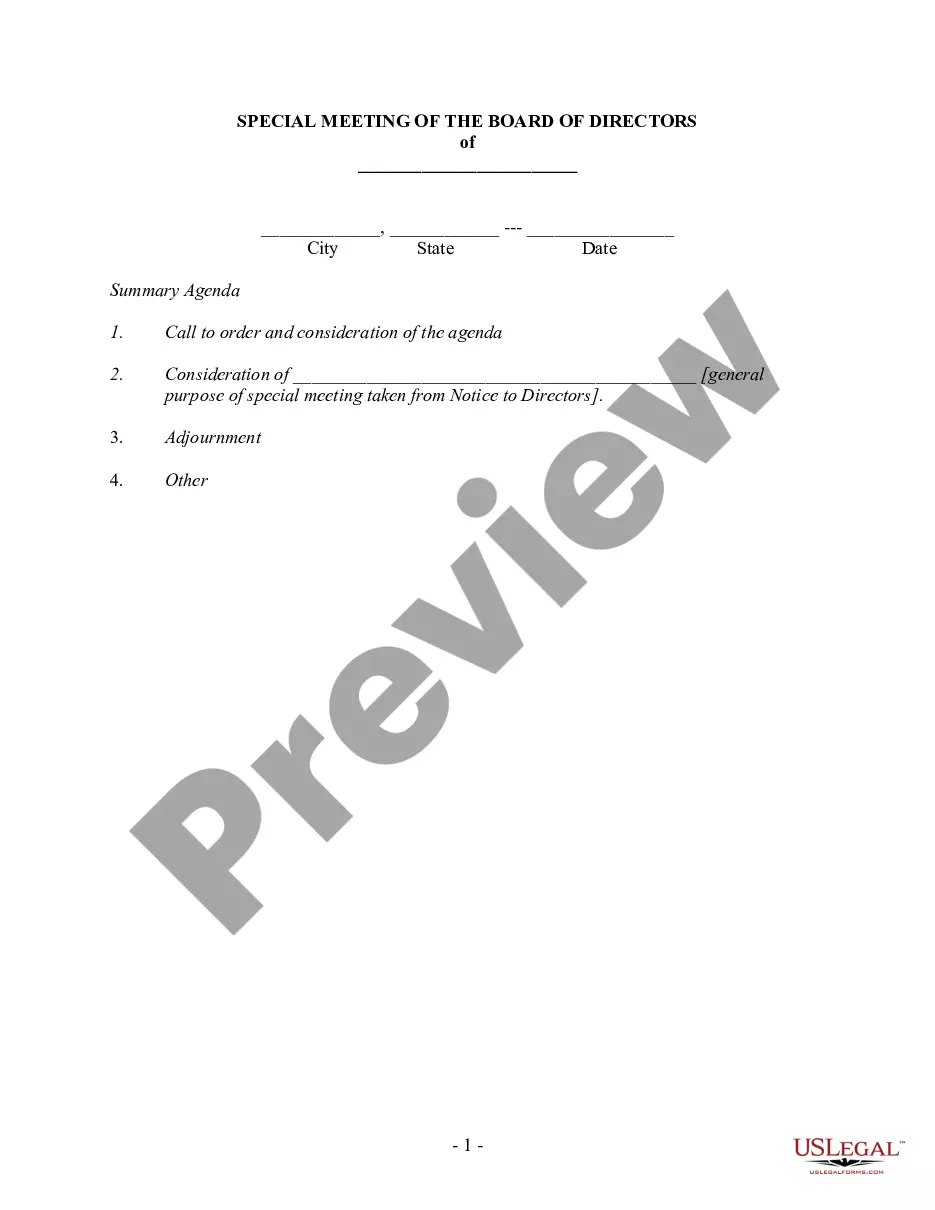
Estate Against Withholding In Texas
Description


Get your form ready online
Our built-in tools help you complete, sign, share, and store your documents in one place.
Make edits, fill in missing information, and update formatting in US Legal Forms—just like you would in MS Word.
Download a copy, print it, send it by email, or mail it via USPS—whatever works best for your next step.
Sign and collect signatures with our SignNow integration. Send to multiple recipients, set reminders, and more. Go Premium to unlock E-Sign.
If this form requires notarization, complete it online through a secure video call—no need to meet a notary in person or wait for an appointment.
We protect your documents and personal data by following strict security and privacy standards.

Make edits, fill in missing information, and update formatting in US Legal Forms—just like you would in MS Word.

Download a copy, print it, send it by email, or mail it via USPS—whatever works best for your next step.

Sign and collect signatures with our SignNow integration. Send to multiple recipients, set reminders, and more. Go Premium to unlock E-Sign.

If this form requires notarization, complete it online through a secure video call—no need to meet a notary in person or wait for an appointment.

We protect your documents and personal data by following strict security and privacy standards.
Looking for another form?


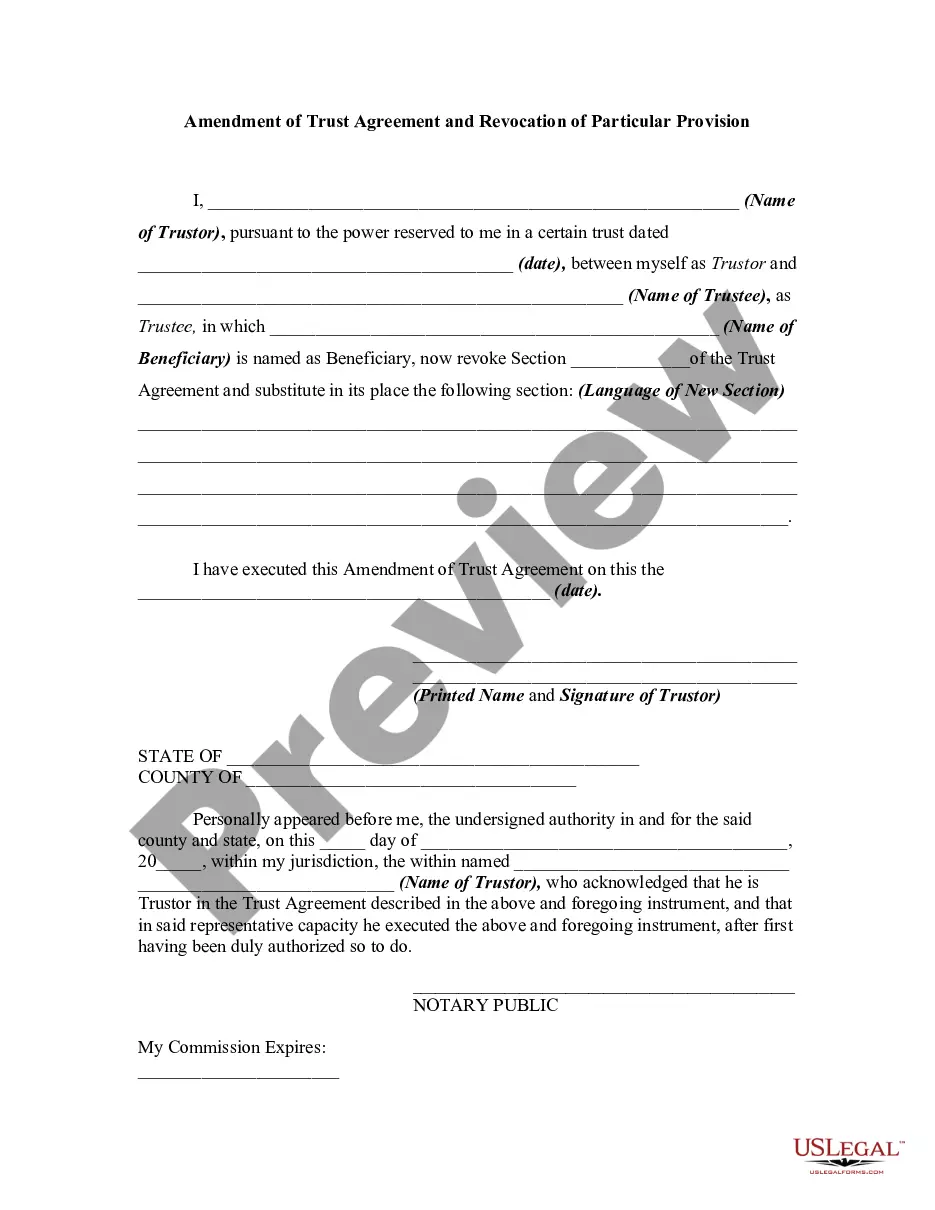







Form popularity
FAQ
In Texas, the surviving spouse and children will usually inherit all probate assets. If there are no children or grandchildren, the property may pass to the spouse, parents, siblings, nieces, nephews, and/or other heirs, depending on the situation.
If a creditor wishes to file a claim against the estate, they must do so in writing and provide documentation of the debt. The claim must be filed with the probate court and a copy must be sent to the executor or administrator of the estate.
Probate Without an Attorney: The Muniment of Title Exception It is generally appropriate only in the simplest of small estates; for example, when the only property of an estate is a house that needs to be transferred to the sole beneficiary named in the will.
Independent Administration Application for Probate of Will and Issuance of Letters Testamentary. Form 7-2. Application for Probate of Copy of Will and Issuance of Letters Testamentary. Form 7-3. Application for Probate of Will and Issuance of Letters of Independent Administration. Form 7-4.
Ordinarily, an application to probate a will must be filed within four (4) years of the date of death of the decedent. Also, under normal circumstances, letters testamentary or letters of administration cannot be authorized more than four (4) years after the date of death of the decedent.
If you are dealing with an estate where you are the only beneficiary or heir, you are not legally required to hire an attorney. If the estate has more than you as the beneficiary or heir, then you do have to hire a probate attorney.
Fortunately, Texas does not have an estate tax. This means a tax return does not need to be filed with the state. However, estates may still be subject to federal estate tax. The federal estate tax is based on the value of the estate at the time of the owner's death.